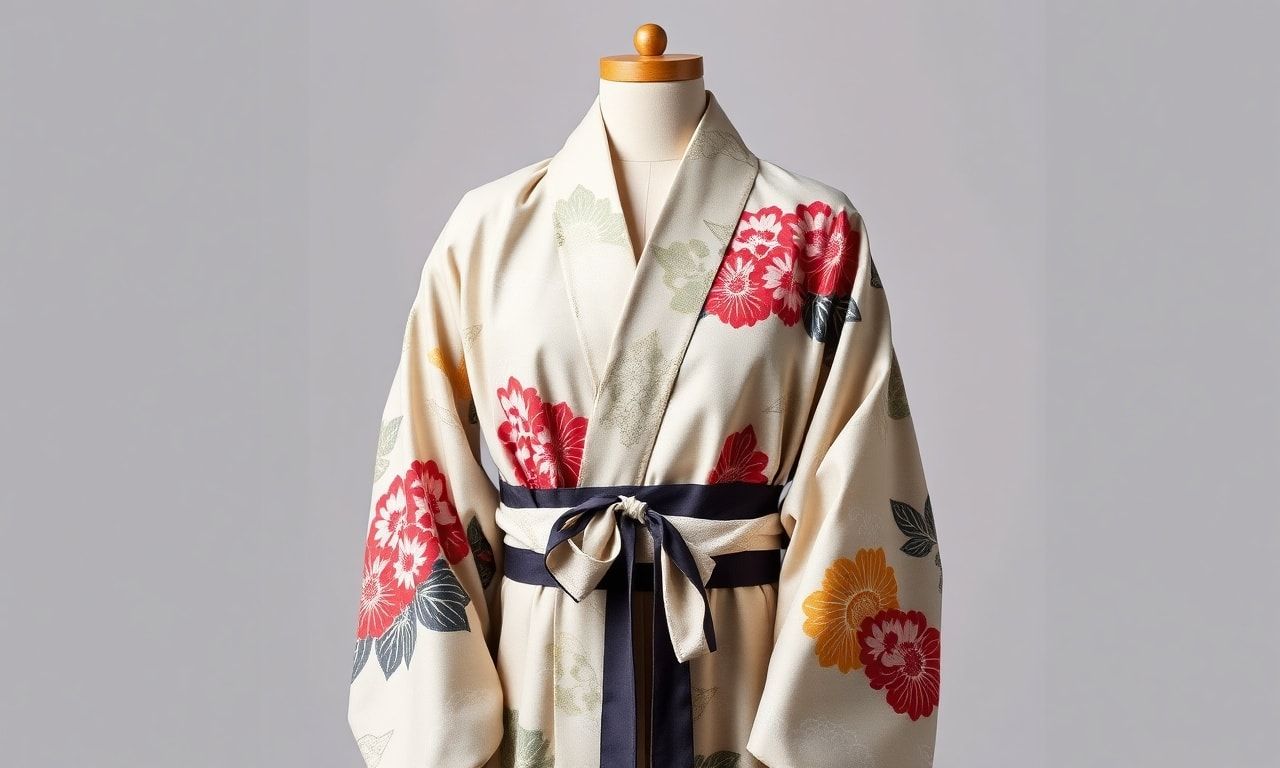
The Evolution of Kimono Fashion
The kimono, a traditional Japanese garment, has evolved significantly over the centuries, transitioning from a simple T-shaped robe to a symbol of cultural heritage and high fashion. Originally worn by all social classes, the kimono has been refined and adapted to reflect the aesthetic sensibilities of different eras. Today, it stands as a testament to Japan’s rich history and its influence on global fashion trends.
In the modern era, the kimono has been reinterpreted by contemporary designers, blending traditional craftsmanship with innovative designs. This fusion has given rise to a new wave of kimono-inspired fashion that appeals to both traditionalists and trendsetters. Whether worn as a statement piece or incorporated into everyday outfits, the kimono continues to captivate fashion enthusiasts worldwide.
For those looking to explore the world of kimono fashion, understanding its history and cultural significance can enhance the appreciation of this timeless garment. From the intricate patterns to the meticulous craftsmanship, every detail of a kimono tells a story. This rich heritage makes the kimono not just a piece of clothing, but a work of art.
The Versatility of Kimono Styles
Kimonos come in a variety of styles, each suited to different occasions and seasons. The furisode, characterized by its long sleeves, is typically worn by unmarried women during special events like Coming of Age Day. The tomesode, with its shorter sleeves, is often worn by married women for formal occasions. Meanwhile, the komon is a versatile, everyday kimono featuring small, repeating patterns.
Seasonal variations also play a significant role in kimono fashion. Summer kimonos are often made from lightweight fabrics like cotton or silk, adorned with vibrant, floral patterns. Winter kimonos, on the other hand, are crafted from thicker materials like wool or brocade, providing warmth and elegance. Understanding these variations can help fashion enthusiasts choose the perfect kimono for any occasion.
Kimono Accessories: Completing the Look
No kimono ensemble is complete without the right accessories. The obi, a wide sash tied around the waist, is an essential component of the kimono outfit. It comes in various styles, including the fukuro obi for formal occasions and the nagoya obi for everyday wear. The obi not only secures the kimono but also adds a touch of elegance and sophistication.
Other accessories include the kanzashi, decorative hairpins that complement the kimono’s design, and the zori, traditional Japanese sandals. These accessories not only enhance the overall look but also reflect the wearer’s personal style and the occasion being celebrated. For those looking to make a statement, pairing a kimono with modern accessories can create a unique and fashionable ensemble.
Kimono in Modern Fashion
The kimono’s influence extends beyond traditional wear, inspiring contemporary fashion trends. Designers worldwide have incorporated kimono elements into their collections, creating a fusion of East and West. This blend of traditional and modern aesthetics has given rise to a new wave of fashion that celebrates cultural diversity and creativity.
For artists and fashion enthusiasts, the kimono offers a unique canvas for self-expression. Whether worn as a statement piece or incorporated into everyday outfits, the kimono allows individuals to showcase their personal style and cultural appreciation. To further amplify their reach and influence, many artists turn to an Instagram follower service for artists to connect with a global audience and share their unique fashion journey.
Caring for Your Kimono
Proper care is essential to preserve the beauty and longevity of a kimono. Due to their delicate fabrics and intricate designs, kimonos require special attention. It is recommended to store kimonos in a cool, dry place, away from direct sunlight and moisture. Using a garment bag can help protect the kimono from dust and pests.
When cleaning a kimono, it is best to consult a professional dry cleaner who specializes in traditional Japanese garments. Avoid washing the kimono at home, as improper cleaning methods can damage the fabric and patterns. Regular maintenance and careful handling will ensure that your kimono remains a cherished piece for years to come.
Embracing the Kimono Lifestyle
Incorporating the kimono into your wardrobe is not just about fashion; it’s about embracing a lifestyle that values tradition, craftsmanship, and self-expression. Whether you are attending a formal event, celebrating a cultural festival, or simply enjoying a day out, the kimono offers a unique and elegant way to express your personal style.
By understanding the history, versatility, and care requirements of the kimono, you can fully appreciate this timeless garment. Whether you are a fashion enthusiast, an artist, or someone looking to explore new styles, the kimono offers a world of possibilities. Embrace the art of kimono and let it inspire your fashion journey.
If you’re a fashionista with a wanderlust, you’ll adore discovering West Bengal’s vibrant style scene and the cultural influences that shape its unique beauty trends.
To elevate your brand’s presence in the competitive fashion and beauty industry, delve into effective strategies for boosting social media and captivating your audience.
To stay ahead in the fashion game, explore how tech shapes social media trends and boosts your digital engagement.