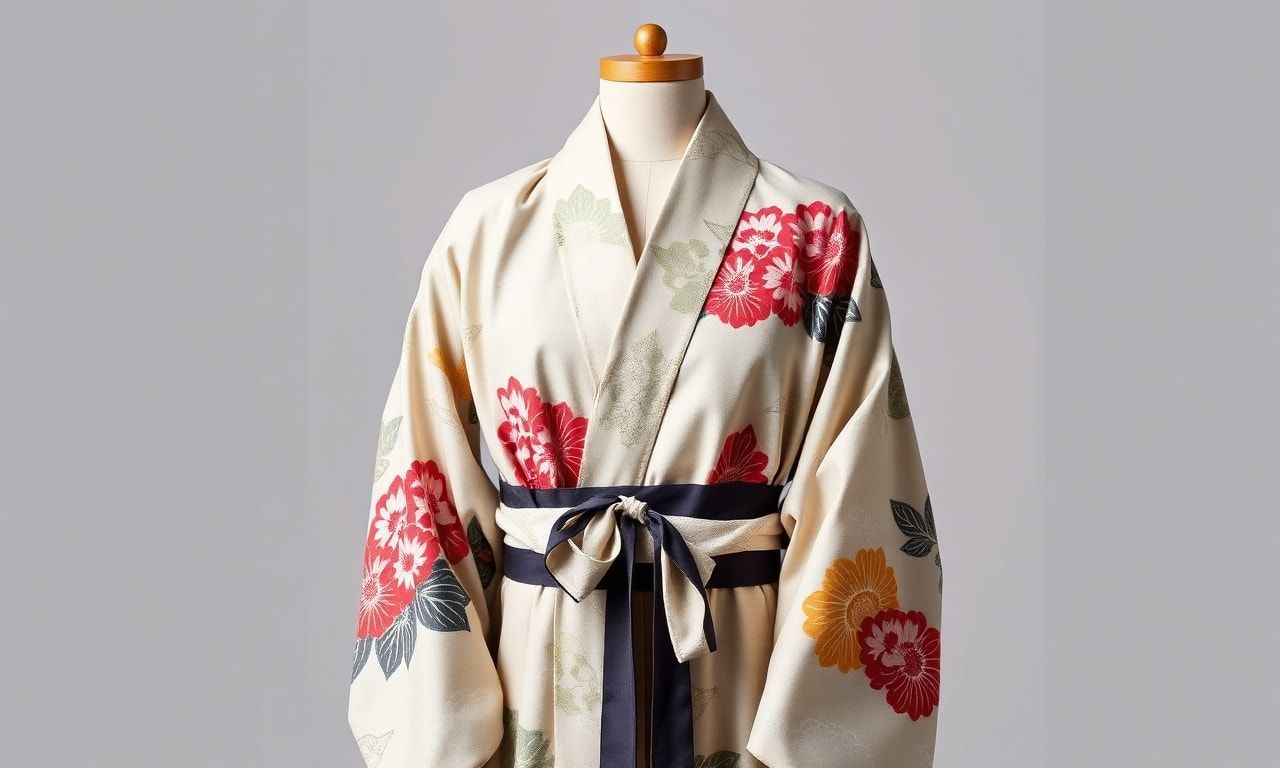
The Kimono: A Historical Overview
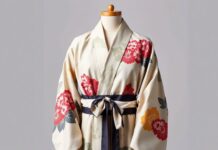
The kimono, a traditional Japanese garment, has a rich history that dates back to the Heian period (794-1185). Originally worn by both men and women, the kimono has evolved over centuries, reflecting changes in Japanese culture and society. Today, it is celebrated not only in Japan but also globally as a symbol of elegance and cultural heritage. The kimono’s design, characterized by its T-shaped draping and straight lines, has remained relatively unchanged, making it a timeless piece of fashion.
Modern Kimono Styles and Trends
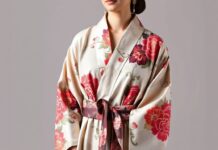
The modern kimono has seen a resurgence in popularity, with designers incorporating contemporary elements while respecting traditional aesthetics. One of the most notable trends is the fusion of Western and Japanese styles, creating a unique blend that appeals to a global audience. For instance, the ‘kimono jacket’ has become a staple in many wardrobes, offering a versatile piece that can be dressed up or down. Additionally, the use of vibrant colors and bold patterns has made the kimono a statement piece for various occasions, from casual outings to formal events.
Another trend is the ‘yukata,’ a casual summer kimono typically worn during festivals and fireworks displays. The yukata is lightweight and comfortable, making it perfect for warm weather. It is often adorned with floral or nature-inspired designs, reflecting the beauty of the Japanese seasons. For those looking to celebrate special occasions, exploring mode pour fête de la Saint-Rémi can provide inspiration for incorporating kimono elements into festive attire.
Accessories and Styling Tips
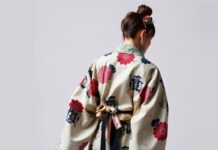
Accessories play a crucial role in completing the kimono look. Traditional accessories include the ‘obi,’ a wide sash tied around the waist, and ‘geta,’ wooden sandals. Modern interpretations may include belts, scarves, and even high heels for a more contemporary touch. When styling a kimono, it’s essential to consider the occasion. For a formal event, opt for a more elaborate kimono with intricate embroidery and a sophisticated obi. For a casual outing, a simpler yukata paired with comfortable sandals can create a relaxed yet stylish look.
Cultural Significance and Etiquette
The kimono is deeply rooted in Japanese culture and carries significant symbolic meaning. Different colors and patterns can convey various messages, such as seasons, social status, and personal preferences. For example, red is often associated with celebration and good fortune, while black is traditionally worn for formal occasions. Understanding these cultural nuances can enhance the appreciation of the kimono and its role in Japanese society.
When wearing a kimono, it’s important to follow certain etiquette guidelines. For instance, the left side of the kimono should always overlap the right side, as the reverse is associated with funerals. Additionally, the obi should be tied neatly and securely to ensure the kimono stays in place. Respecting these traditions helps preserve the cultural integrity of the kimono and shows appreciation for its heritage.
Kimono in Contemporary Fashion
The kimono’s influence extends beyond traditional wear, inspiring contemporary fashion designers worldwide. High-end fashion brands often incorporate kimono elements into their collections, creating pieces that blend Eastern and Western aesthetics. This fusion has led to innovative designs that cater to diverse tastes and preferences, making the kimono a versatile and inclusive fashion statement.
Moreover, the kimono has become a popular choice for themed events and cultural celebrations. Whether it’s a Japanese festival, a tea ceremony, or a themed party, the kimono adds a touch of authenticity and elegance. For those looking to explore different styles, the mode pour fête de la Saint-Rémi offers a wealth of ideas for incorporating kimono elements into festive outfits.
DIY Kimono Projects
For the creatively inclined, DIY kimono projects can be a fun and rewarding way to personalize this traditional garment. Transforming a simple piece of fabric into a stylish kimono involves basic sewing skills and an eye for design. There are numerous online tutorials and resources available to guide beginners through the process. Customizing a kimono allows for self-expression and the creation of a unique piece that reflects individual style.
Conclusion
The kimono is more than just a piece of clothing; it is a symbol of cultural heritage, elegance, and timeless style. Its enduring appeal lies in its versatility and adaptability to modern fashion trends. Whether worn for traditional occasions or incorporated into contemporary outfits, the kimono continues to captivate fashion enthusiasts worldwide. By understanding its history, cultural significance, and styling tips, one can fully appreciate the art of the kimono and its place in the fashion world.
As we navigate the evolving landscape of style and beauty, it’s crucial to understand the shift towards sustainable fashion; dive into eco-friendly fashion trends and discover how your choices can make a difference.
Discover how the latest tech trends are reshaping the way we express our personal style with innovations in fashion and beauty.
As we embrace a more eco-conscious lifestyle, it’s inspiring to see cities like Shanghai leading the way in sustainable urban design, offering a blueprint for stylish, green living that we can all aspire to; discover how fashion and sustainability merge in this innovative metropolis.