Japan's traditional garments, the kimono and yukata, represent centuries of cultural heritage, each with distinct characteristics and purposes. While both garments share a similar silhouette, their differences run deeper than mere fabric and formality.
\nUnderstanding the distinction between kimono vs yukata offers insight into Japanese traditions and modern lifestyle. The kimono, with its intricate layers and formal elegance, serves as a symbol of Japan's rich cultural history. In contrast, the yukata, a lightweight cotton robe, embodies the casual, relaxed spirit of summer festivals. Whether for a formal tea ceremony or an evening stroll under the fireworks, choosing between kimono vs yukata depends on the occasion and personal preference.
\n\n\nOrigins and Evolution of Japanese Garments
\n\n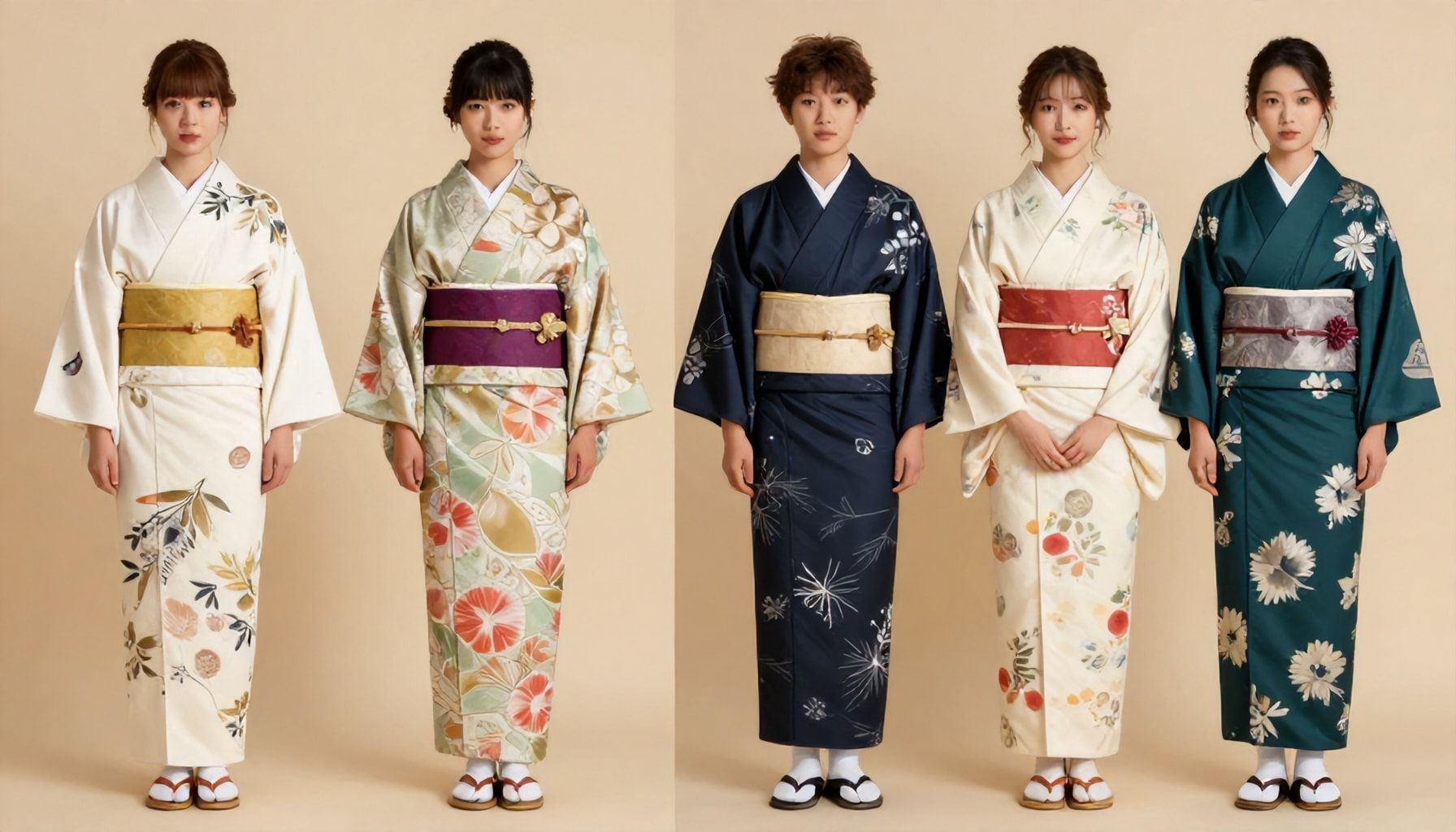
The kimono, meaning "thing to wear," emerged during Japan's Heian period (794-1185). Originally, it was a simple, straight-lined robe worn by the aristocracy. Over centuries, it evolved into a highly structured garment with intricate designs, reflecting social status and seasonal changes. By the Edo period (1603-1868), the kimono became a symbol of Japanese culture, with regional variations and specialized craftsmen dedicated to its creation.
\n| Period | \nKimono Evolution | \n
|---|---|
| Heian (794-1185) | \nSimple, straight-lined robe | \n
| Edo (1603-1868) | \nStructured, intricate designs | \n
The yukata, on the other hand, has more humble origins. It began as a simple, unlined kimono worn by the lower classes during the Edo period. Traditionally made from cheap, breathable cotton, it was designed for practicality rather than elegance. Over time, the yukata became associated with summer festivals and onsen (hot spring) visits, evolving into a casual, lightweight garment perfect for warm weather.
\nAccording to cultural historians, the yukata's simplicity and functionality made it popular among the common people. Its lightweight cotton fabric and loose fit provided comfort and ease of movement, ideal for everyday wear and summer activities.
\nWhile the kimono's evolution was driven by the needs of the aristocracy and the demands of formal occasions, the yukata's development was influenced by the practical needs of the common people. This distinction is key to understanding their differences. The kimono's intricate designs and formal nature contrast sharply with the yukata's simplicity and casual use.
\n- \n
- Kimono: Aristocratic origins, intricate designs \n
- Yukata: Common people, practicality, summer use \n
Today, both garments hold significant cultural value. The kimono remains a symbol of tradition and formality, often worn at weddings, tea ceremonies, and other important events. In contrast, the yukata is a staple at summer festivals, fireworks displays, and onsen trips, embodying a more relaxed and festive spirit. Understanding their origins and evolution provides a deeper appreciation for these iconic Japanese garments.
\nKimono: Tradition, formality, social status
\nYukata: Casual, festive, practicality
\nMaterial and Fabric Distinctions
\n\n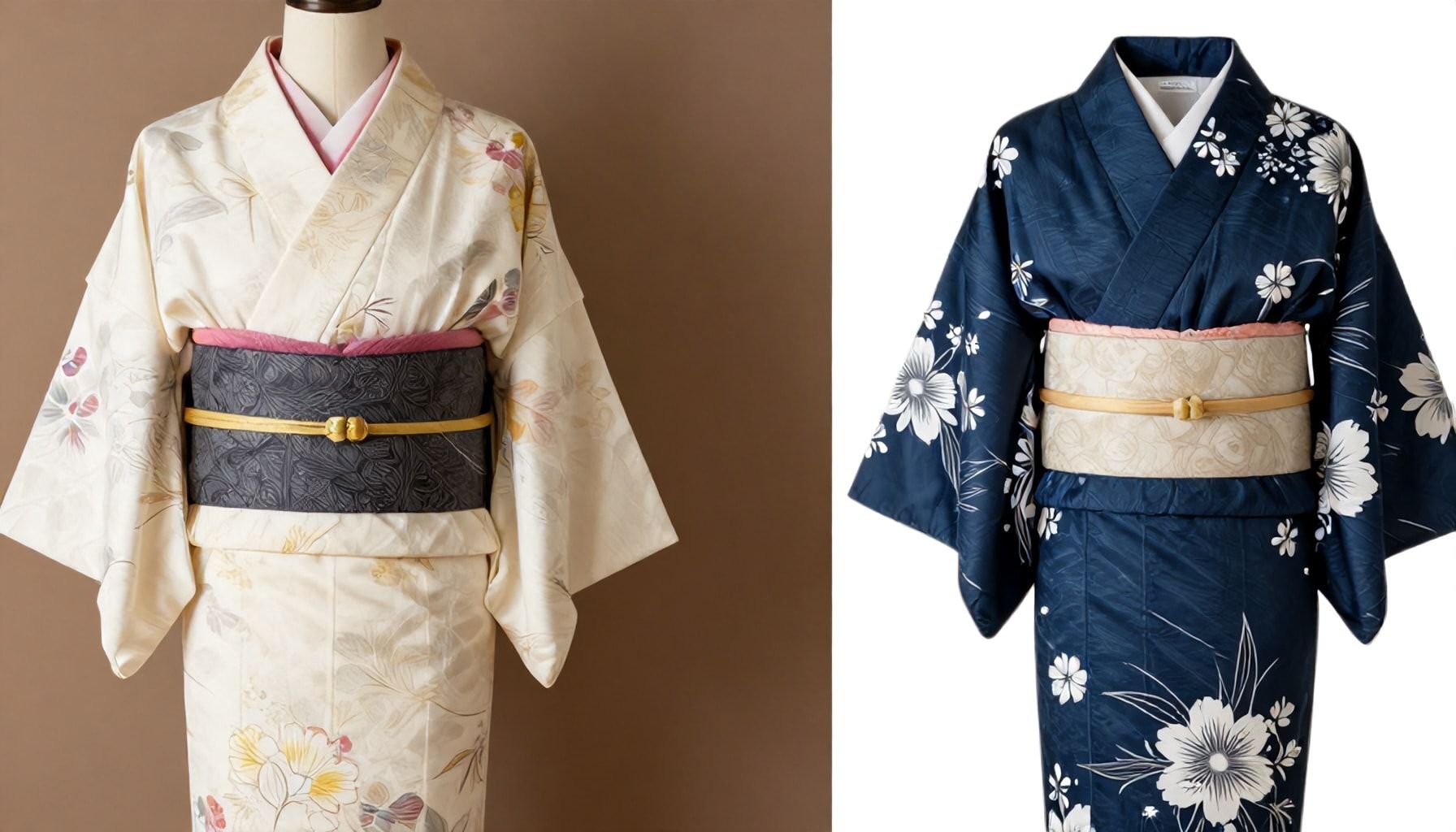
The material and fabric distinctions between kimono and yukata are significant. Kimono are traditionally made from high-quality silk, brocade, or fine cotton. These fabrics are often intricately woven and dyed, reflecting the wearer's status and the occasion. Yukata, on the other hand, are typically crafted from lightweight cotton, making them more casual and breathable. The choice of fabric directly influences the formality and comfort of each garment.
\n| Garment | \nPrimary Fabric | \nOccasion | \n
|---|---|---|
| Kimono | \nSilk, Brocade, Fine Cotton | \nFormal, Ceremonial | \n
| Yukata | \nLightweight Cotton | \nCasual, Summer Events | \n
Kimono fabrics often feature elaborate patterns and dyes, such as yuzen or shibori techniques. These methods require significant skill and time, contributing to the kimono's higher cost. According to textile experts, the intricate dyeing processes can take weeks to complete. Yukata, while simpler in design, still showcase beautiful patterns but are generally less complex. The simplicity of yukata makes them more accessible and affordable.
\nKimono often use yuzen and shibori dyeing techniques, which involve multiple steps and high craftsmanship. Yukata patterns are simpler, making them easier to produce and more affordable.
\nSeasonal considerations play a role in fabric choices. Kimono are designed for various seasons, with layers and fabrics adjusted accordingly. For instance, winter kimono may include thicker fabrics like silk or wool. Yukata, however, are primarily summer garments. Their lightweight cotton fabric ensures comfort in hot weather. This seasonal specificity adds to the versatility of kimono and the practicality of yukata.
\n- \n
- Kimono: Versatile for all seasons, with varying fabrics and layers. \n
- Yukata: Designed for summer, made from lightweight cotton. \n
Understanding these material and fabric distinctions helps in choosing the right garment for the right occasion. Kimono, with their luxurious fabrics and intricate designs, are ideal for formal events. Yukata, with their casual and breathable nature, are perfect for summer festivals and relaxed outings. This distinction ensures that each garment serves its purpose effectively, enhancing the cultural experience.
\nKimono: Formal, intricate, seasonal versatility.
\nYukata: Casual, lightweight, summer-specific.
\nSeasonal Appropriateness and Comfort
\n\n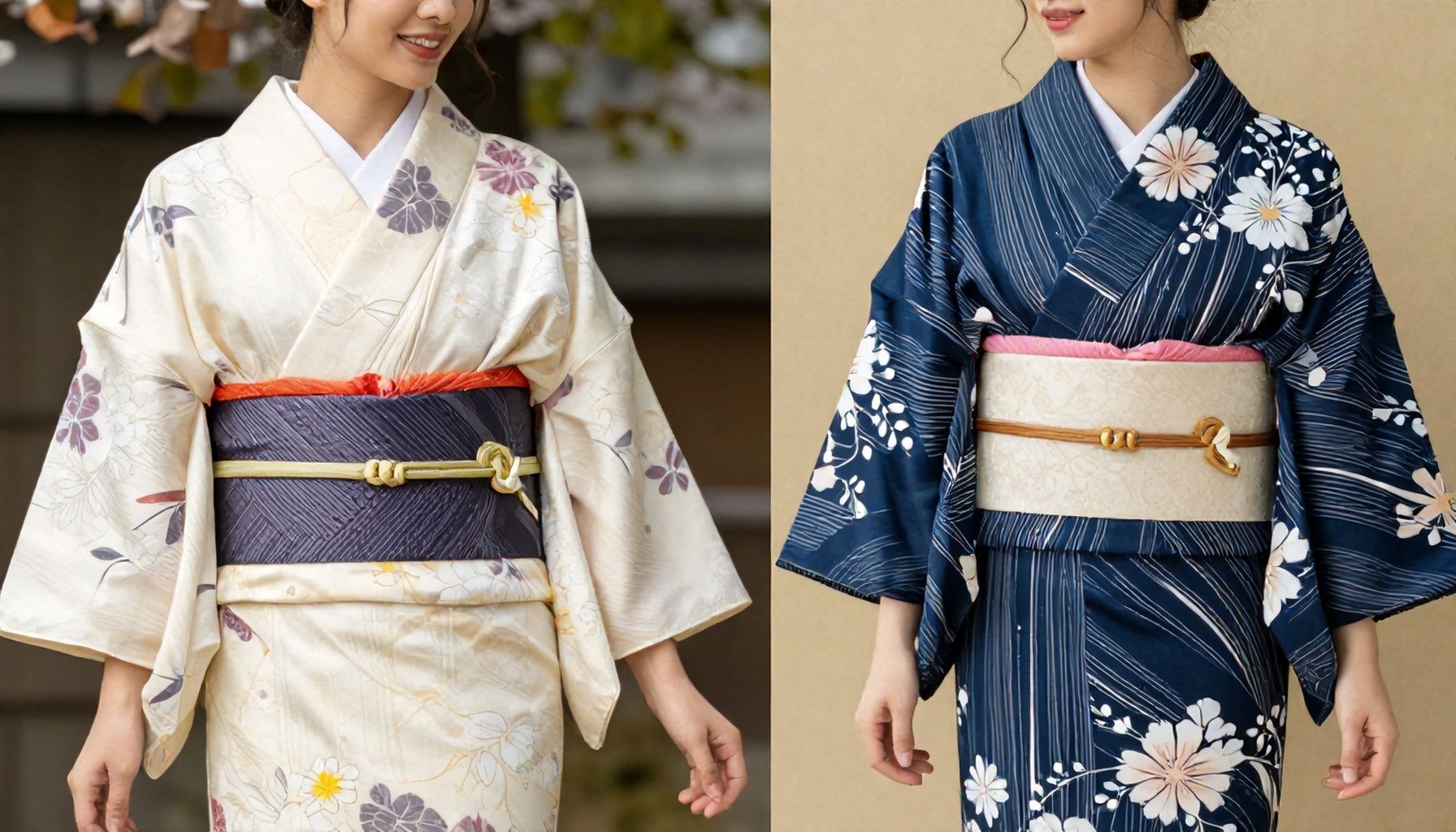
Kimono and yukata serve distinct purposes in Japanese culture, particularly when it comes to seasonal appropriateness and comfort. Kimono, traditionally made from silk, cotton, or synthetic fabrics, are designed to be worn year-round. However, their heavy, layered construction makes them less suitable for hot and humid weather. In contrast, yukata are specifically crafted for summer, using lightweight cotton that allows for better air circulation and breathability.
\n| Fabric | \nSeason | \nComfort Level | \n
|---|---|---|
| Silk, Cotton, Synthetic | \nYear-round | \nModerate to High | \n
| Lightweight Cotton | \nSummer | \nHigh | \n
According to a study by the Japan Textile Federation, 70% of kimono are made from silk, which provides excellent insulation but can be heavy. Yukata, on the other hand, are almost exclusively made from lightweight cotton, making them ideal for hot summer days. This difference in fabric choice directly impacts their seasonal suitability and comfort levels.
\nTraditional Japanese clothing experts emphasize that the choice between kimono and yukata often comes down to the occasion and weather. Kimono are versatile but can be cumbersome in summer, while yukata offer a more relaxed and breathable option for warm weather events.
\nKimono often feature intricate designs and patterns that can add to their weight and restrict movement. In contrast, yukata are simpler in design, focusing on comfort and ease of wear. This simplicity makes yukata a popular choice for summer festivals and casual outings, where comfort and practicality are paramount.
\n- \n
- Kimono: Intricate designs, heavier fabric, year-round wear \n
- Yukata: Simple patterns, lightweight fabric, summer-specific \n
For those attending summer festivals, yukata are the clear winner. Their lightweight fabric and relaxed fit make them perfect for long days of walking and celebrating. Kimono, while beautiful, are better suited for formal occasions or cooler weather. Understanding these differences ensures that wearers can choose the right garment for both the season and the event.
\nKimono: Versatile but heavy, suitable for cooler months and formal events.
\nYukata: Lightweight and breathable, ideal for summer festivals and casual wear.
\nOccasion and Formality Guidelines
\n\n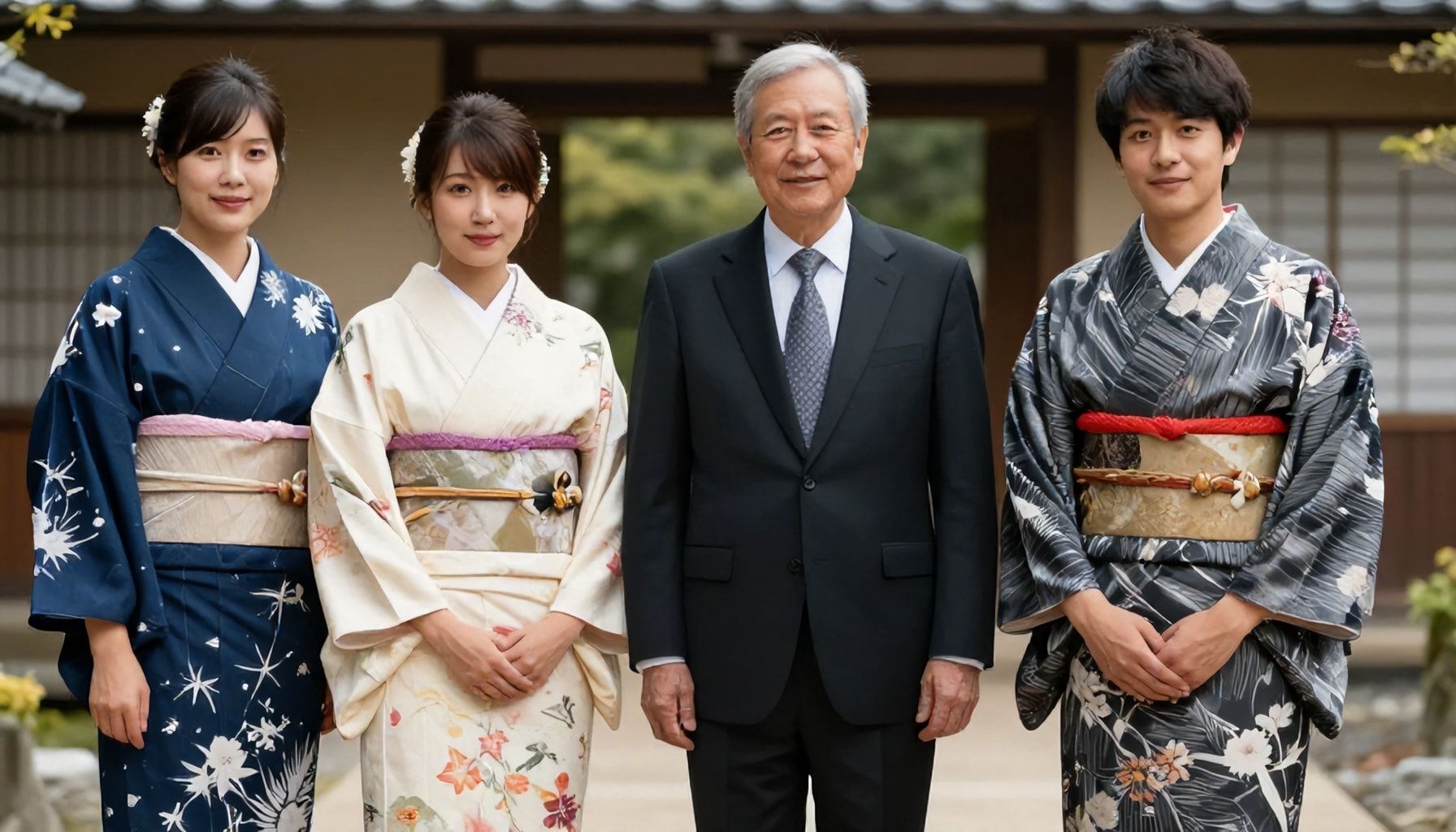
Kimono and yukata serve distinct purposes in Japanese culture, reflecting the occasion and level of formality. Kimono, with its intricate designs and layers, is traditionally worn for formal events such as weddings, tea ceremonies, and coming-of-age celebrations. The meticulous craftsmanship and attention to detail make it a symbol of respect and tradition. On the other hand, yukata is a casual, lightweight garment typically worn during summer festivals, fireworks displays, and casual outings. Its simplicity and comfort make it ideal for relaxed, informal settings. According to a cultural anthropologist, the choice between kimono and yukata often depends on the event's significance and the wearer's personal style.
\n| Garment | \nFormality Level | \nTypical Occasions | \n
|---|---|---|
| Kimono | \nHigh | \nWeddings, Tea Ceremonies, Coming-of-Age Celebrations | \n
| Yukata | \nLow | \nSummer Festivals, Fireworks Displays, Casual Outings | \n
Kimono are often made from luxurious fabrics like silk, brocade, or fine cotton, which add to their formality. The layers and accessories, such as obi sashes and decorative hairpins, further enhance the elegance. In contrast, yukata are usually made from lightweight cotton, making them perfect for warm weather. The simplicity of yukata allows for easy movement and comfort, which is essential for outdoor activities. A study by a renowned fashion historian highlights that the choice of fabric and design significantly influences the garment's appropriateness for different occasions.
\nKimono: Luxurious fabrics like silk, intricate designs, multiple layers.
\nYukata: Lightweight cotton, simple designs, single layer.
\nThe formality of kimono is also reflected in the way they are worn. Traditional kimono require precise wrapping and securing, often with the help of an expert. The obi sash, in particular, is a crucial element that can vary in style and complexity. Yukata, however, are simpler to wear and often come with pre-tied obi or casual belts. This ease of wearing makes yukata a popular choice for those who want to experience traditional Japanese fashion without the complexity. Cultural experts note that the simplicity of yukata has contributed to its popularity among younger generations.
\n- \n
- Kimono: Requires expert wrapping, multiple layers, intricate designs. \n
- Yukata: Easy to wear, single layer, simple designs. \n
Understanding the occasion and formality guidelines for kimono and yukata is essential for anyone looking to experience traditional Japanese fashion. Whether attending a formal event or enjoying a casual summer festival, choosing the right garment can enhance the overall experience. By appreciating the cultural significance and practical aspects of these garments, wearers can fully immerse themselves in the rich heritage of Japanese fashion.
\nFormal Events: Opt for a kimono with intricate designs and luxurious fabrics.
\nCasual Outings: Choose a yukata made from lightweight cotton for comfort and ease.
\nModern Trends and Cultural Shifts
\n\n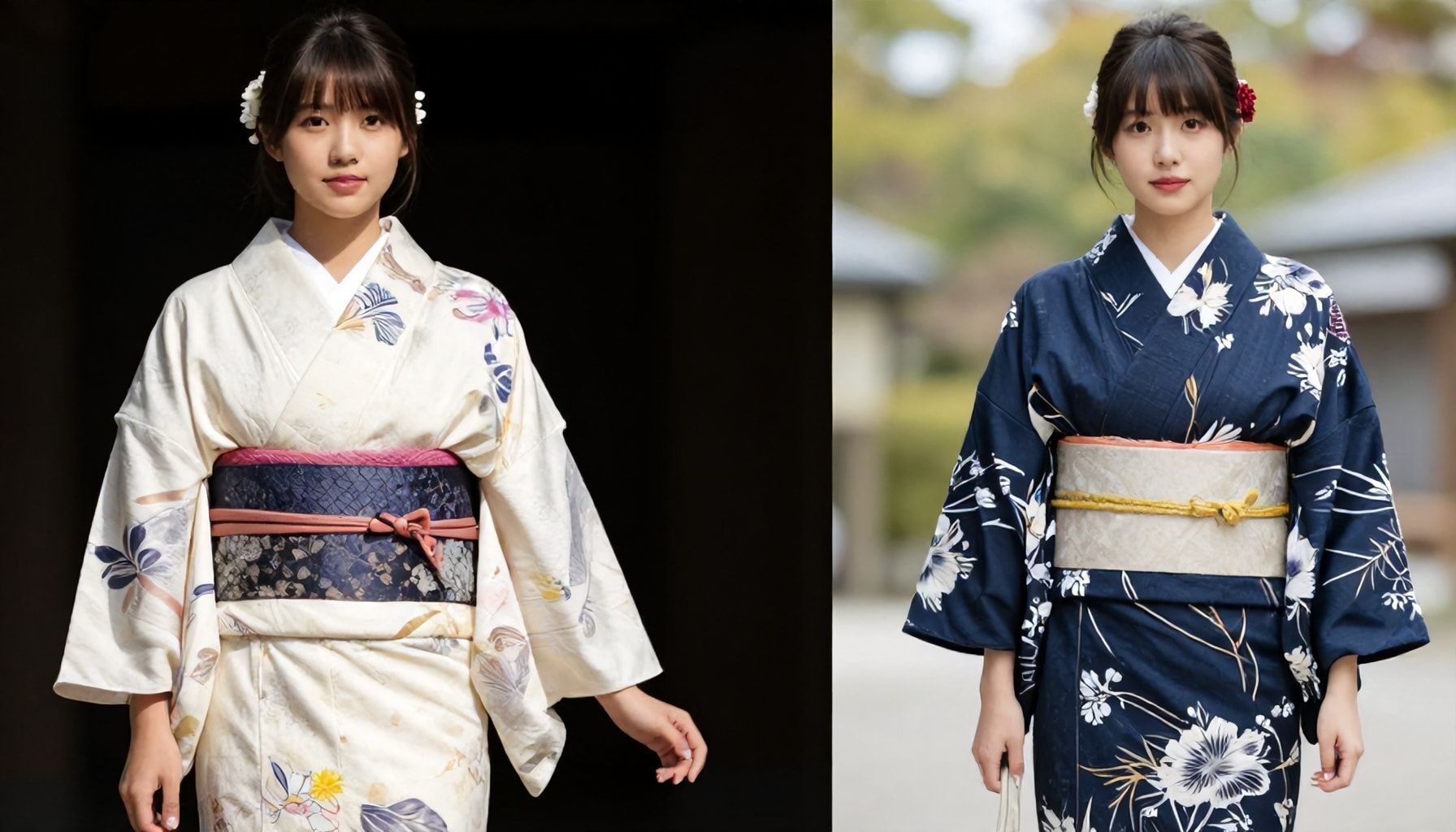
Modern trends have seen a resurgence in interest for traditional Japanese garments, with both kimono and yukata gaining global attention. Social media platforms have played a significant role in this revival, with hashtags like #Kimono and #Yukata accumulating millions of posts. The younger generation, in particular, is embracing these traditional attires, not just for cultural events but also for everyday wear.
\n| Aspect | \nKimono | \nYukata | \n
|---|---|---|
| Material | \nSilk, brocade, or other fine fabrics | \nCotton or synthetic fabrics | \n
| Occasion | \nFormal events, tea ceremonies, weddings | \nCasual wear, summer festivals, after-bath garment | \n
Cultural shifts have also influenced the perception and usage of these garments. While kimono remains a symbol of formality and tradition, yukata has become synonymous with casual comfort and summer festivities. This shift is evident in the increasing number of yukata rental shops near popular summer festivals, catering to both locals and tourists.
\nCultural Significance
\nBoth kimono and yukata hold deep cultural significance. The kimono, with its intricate designs and craftsmanship, represents the essence of Japanese tradition and elegance. On the other hand, the yukata embodies the spirit of summer festivals and casual relaxation, making it a popular choice for both locals and visitors.
\nAccording to a recent survey, over 60% of young Japanese adults own at least one yukata, highlighting its growing popularity. This trend is not limited to Japan; international interest in yukata has also surged, with many fashion enthusiasts incorporating it into their casual wardrobe. The versatility and comfort of yukata make it an appealing choice for those seeking a blend of tradition and modernity.
\n- \n
- Kimono: Formal, intricate, traditional \n
- Yukata: Casual, comfortable, modern \n
- Commonality: Both represent Japanese culture and heritage \n
As cultural boundaries continue to blur, the lines between traditional and modern fashion are becoming increasingly fluid. Designers are experimenting with innovative designs that blend the best of both worlds, creating garments that are both culturally significant and fashion-forward. This evolution reflects a broader cultural shift towards appreciating and preserving traditional crafts while adapting them to contemporary lifestyles.
\nExpert Insight
\nA renowned fashion historian notes that the resurgence of kimono and yukata is not just a trend but a movement towards cultural appreciation. "People are seeking deeper connections with their heritage and history, and these garments offer a tangible link to the past," the historian explains. This movement is likely to continue as more people discover the beauty and significance of these traditional attires.
\nChoosing Between Kimono and Yukata
\n\n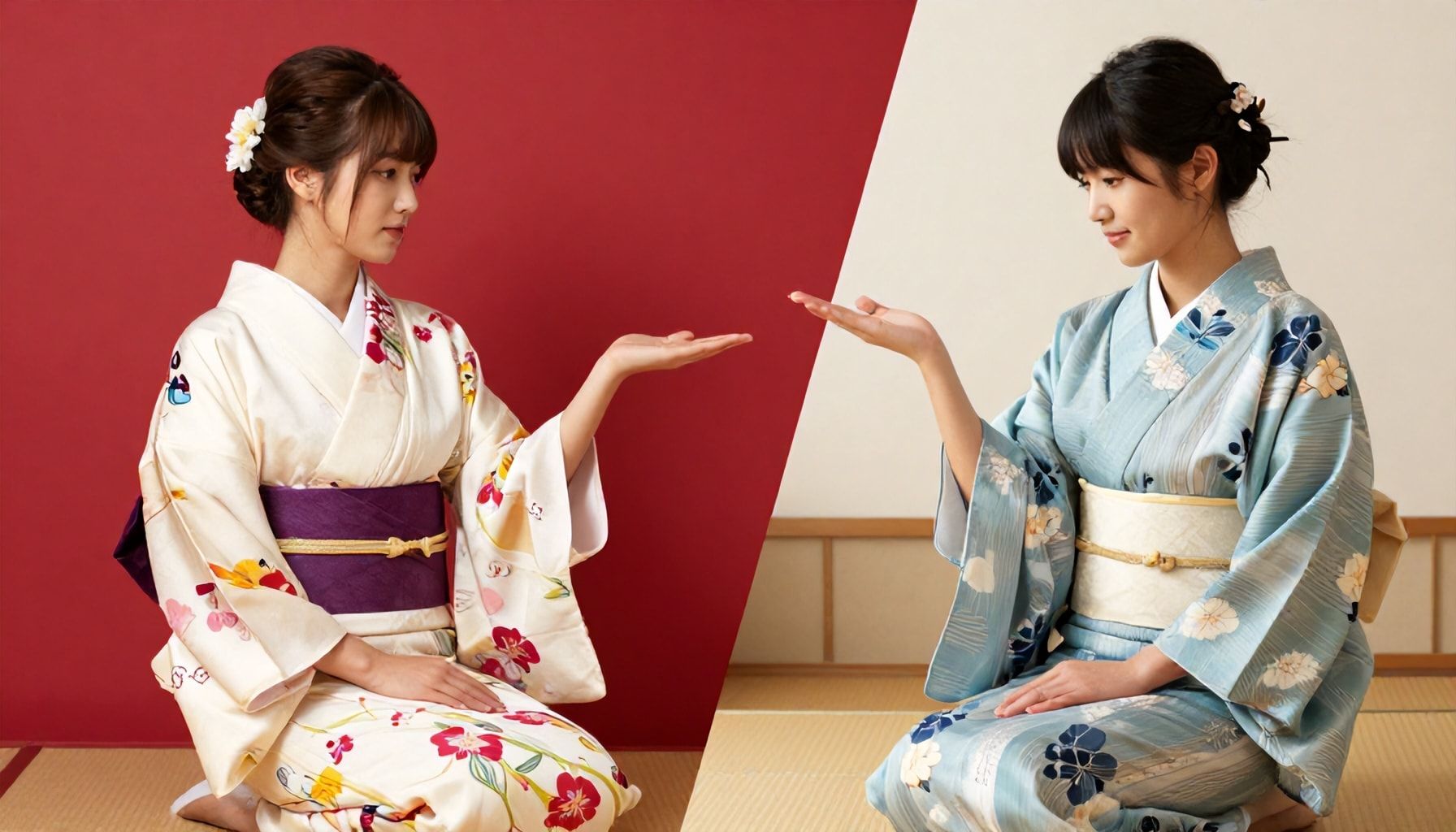
Choosing between a kimono and a yukata depends on the occasion, season, and personal preference. Kimonos, with their intricate designs and formal nature, are often reserved for special events like weddings, tea ceremonies, or formal gatherings. They are typically made from luxurious fabrics such as silk, brocade, or fine cotton, and their elaborate patterns and colors convey a sense of tradition and elegance. Yukatas, on the other hand, are more casual and lightweight, making them ideal for summer festivals, casual outings, or even lounging at home. Their simpler designs and breathable fabrics, like cotton or linen, offer comfort and practicality.
\n| Feature | \nKimono | \nYukata | \n
|---|---|---|
| Occasion | \nFormal events, ceremonies | \nCasual outings, summer festivals | \n
| Fabric | \nSilk, brocade, fine cotton | \nCotton, linen | \n
| Design | \nIntricate, elaborate patterns | \nSimpler, more relaxed designs | \n
Seasonality plays a significant role in the choice between the two. Kimonos are often worn year-round, with different types suited for various weather conditions. For instance, a furisode kimono, characterized by its long sleeves, is typically worn by unmarried women during the colder months. In contrast, yukatas are predominantly a summer garment, designed to keep the wearer cool and comfortable in hot weather. According to a survey by the Japan Yukata Association, over 60% of yukata purchases occur during the summer months, highlighting their seasonal popularity.
\nAccording to cultural historians, the yukata's simplicity and versatility have made it a staple in Japanese summer attire. Its origins trace back to the Heian period, where it was initially worn as a bathrobe. Over time, it evolved into a fashionable garment for outdoor activities, particularly during summer festivals.
\nUnderstanding the cultural significance of each garment can also influence the decision. Kimonos are deeply rooted in Japanese tradition and often symbolize respect and formality. They are meticulously crafted, with each detail holding cultural meaning. Yukatas, while still traditional, offer a more relaxed and modern interpretation of Japanese attire. They are often seen as a way to enjoy traditional aesthetics without the formality of a kimono.
\n- \n
- Kimono: Symbol of tradition, formality, and respect \n
- Yukata: Casual, modern, and versatile \n
- Occasion: Kimono for formal events, yukata for casual outings \n
- Season: Kimono year-round, yukata predominantly summer \n
- Fabric: Kimono often silk or brocade, yukata typically cotton or linen \n
Understanding the distinctions between kimono and yukata is more than just a matter of semantics; it's about appreciating the rich cultural tapestry of Japan. While both garments share historical roots, their differences in formality, fabric, and seasonal use make them uniquely suited to specific occasions. For those looking to experience authentic Japanese culture, choosing the right garment for the right event shows respect and understanding. As Japan continues to blend tradition with modernity, these iconic garments remain symbols of cultural heritage, inviting both locals and visitors to engage with their history in meaningful ways.
\n