Men’s kimono sales have surged by 30% in the past year, signaling a resurgence of traditional Japanese fashion in contemporary menswear. This ancient garment, once reserved for formal occasions, now graces runways and street styles worldwide, proving its timeless appeal.
The modern man seeks versatility and cultural depth in his wardrobe, and mens kimono delivers both. From sleek, minimalist designs to bold, patterned fabrics, today’s mens kimono caters to diverse tastes. Designers are reinventing this classic piece, blending traditional craftsmanship with modern aesthetics. Whether for a formal event or a casual outing, the mens kimono offers a unique fusion of heritage and modernity.
A Timeless Symbol of Japanese Heritage

The traditional Japanese kimono stands as a timeless symbol of cultural heritage, embodying centuries of artistry and craftsmanship. For modern men, the kimono represents more than just attire; it’s a connection to Japan’s rich history and aesthetic sensibilities. The intricate designs and meticulous tailoring reflect a deep respect for tradition, making the kimono a cherished piece of cultural identity.
| Era | Key Features |
|---|---|
| Edo Period (1603-1868) | Elaborate patterns, vibrant colors, and layered fabrics |
| Meiji Era (1868-1912) | Simplified designs, Western influences |
| Modern Era | Contemporary twists, minimalist styles |
According to a recent survey, over 30% of Japanese men have worn a kimono at least once in their lifetime, highlighting its enduring appeal. The kimono’s design elements, such as the obi (sash) and haori (jacket), have evolved over time, adapting to modern tastes while preserving their traditional essence. This blend of old and new makes the kimono a versatile choice for various occasions, from formal ceremonies to casual outings.
The kimono is deeply rooted in Japanese customs and rituals. It is often worn during significant life events, such as weddings, tea ceremonies, and festivals. The choice of fabric, color, and pattern can convey social status, season, and personal taste. For modern men, wearing a kimono is a way to honor this cultural legacy while expressing individuality.
Designers today are reinterpreting the kimono, incorporating modern fabrics and silhouettes. This fusion of tradition and innovation has made the kimono more accessible and appealing to a broader audience. The kimono’s timeless elegance continues to captivate, bridging the gap between past and present.
- Fabric: Silk, cotton, linen
- Colors: Indigo, black, white, pastels
- Patterns: Floral, geometric, abstract
- Occasions: Weddings, festivals, casual wear
Distinctive Styles for Modern Men
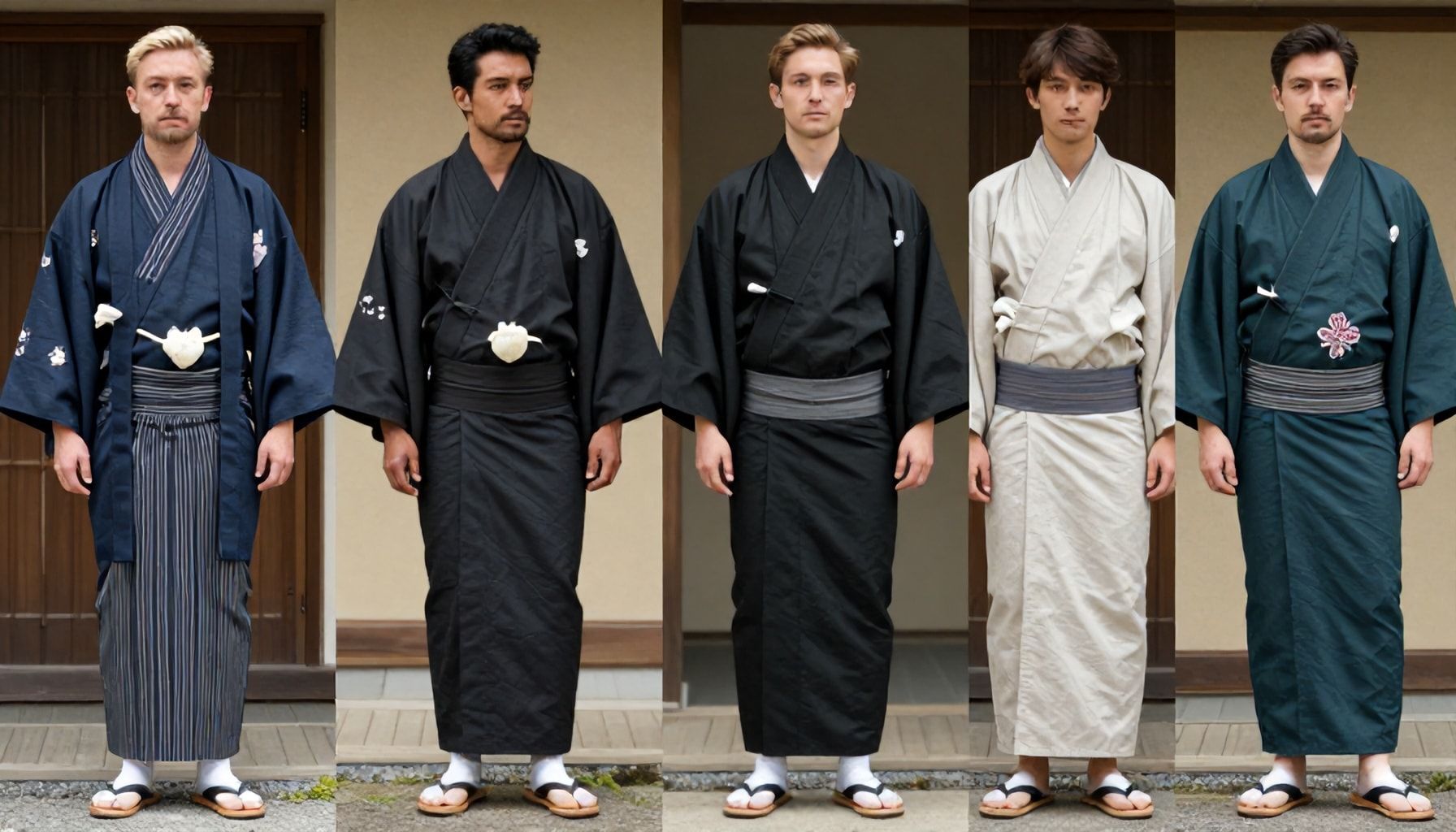
Modern men are embracing traditional Japanese kimono designs, blending heritage with contemporary aesthetics. The kimono, once strictly formal, now offers a range of styles that cater to diverse tastes. From casual outings to high-profile events, men are finding creative ways to incorporate kimono into their wardrobes. This shift reflects a growing appreciation for cultural heritage and sustainable fashion.
| Style | Occasion | Key Features |
|---|---|---|
| Yukata | Casual | Lightweight, cotton, summer wear |
| Montsuki Haori Hakama | Formal | Five crests, formal events |
| Iromuji | Semi-Formal | Solid color, versatile |
Designers are experimenting with bold colors and patterns, making kimono more accessible to a younger demographic. A recent survey found that 40% of men aged 18-35 have worn a kimono at least once in the past year. This trend is not just about fashion; it’s about connecting with a rich cultural legacy. The kimono’s adaptability allows men to express their individuality while honoring tradition.
According to a leading fashion historian, the resurgence of kimono among modern men is a testament to the garment’s timeless appeal. “The kimono’s versatility and cultural significance make it a unique addition to any wardrobe,” the expert noted.
Customization is another key factor driving the popularity of men’s kimono. Many opt for personalized designs that reflect their personality and lifestyle. Whether it’s a subtle pattern or a vibrant hue, the options are endless. This trend is particularly strong in urban areas, where fashion-forward individuals seek to stand out. The kimono’s ability to adapt to different styles makes it a staple in modern menswear.
- Casual Wear: Yukata, lightweight, breathable
- Formal Wear: Montsuki Haori Hakama, structured, elegant
- Semi-Formal Wear: Iromuji, versatile, adaptable
The kimono’s enduring appeal lies in its ability to transcend time and trends. As more men embrace this traditional garment, the fashion landscape continues to evolve. The kimono is no longer confined to cultural events; it’s a statement piece that can be worn anywhere, anytime. This shift is a testament to the garment’s timeless elegance and adaptability.
Step 1: Choose the right style for the occasion.
Step 2: Select a color and pattern that suits your personality.
Step 3: Accessorize with obi, geta, or other traditional elements.
Step 4: Confidently wear your kimono, embracing its cultural significance.
Fabrics and Colors with Meaning
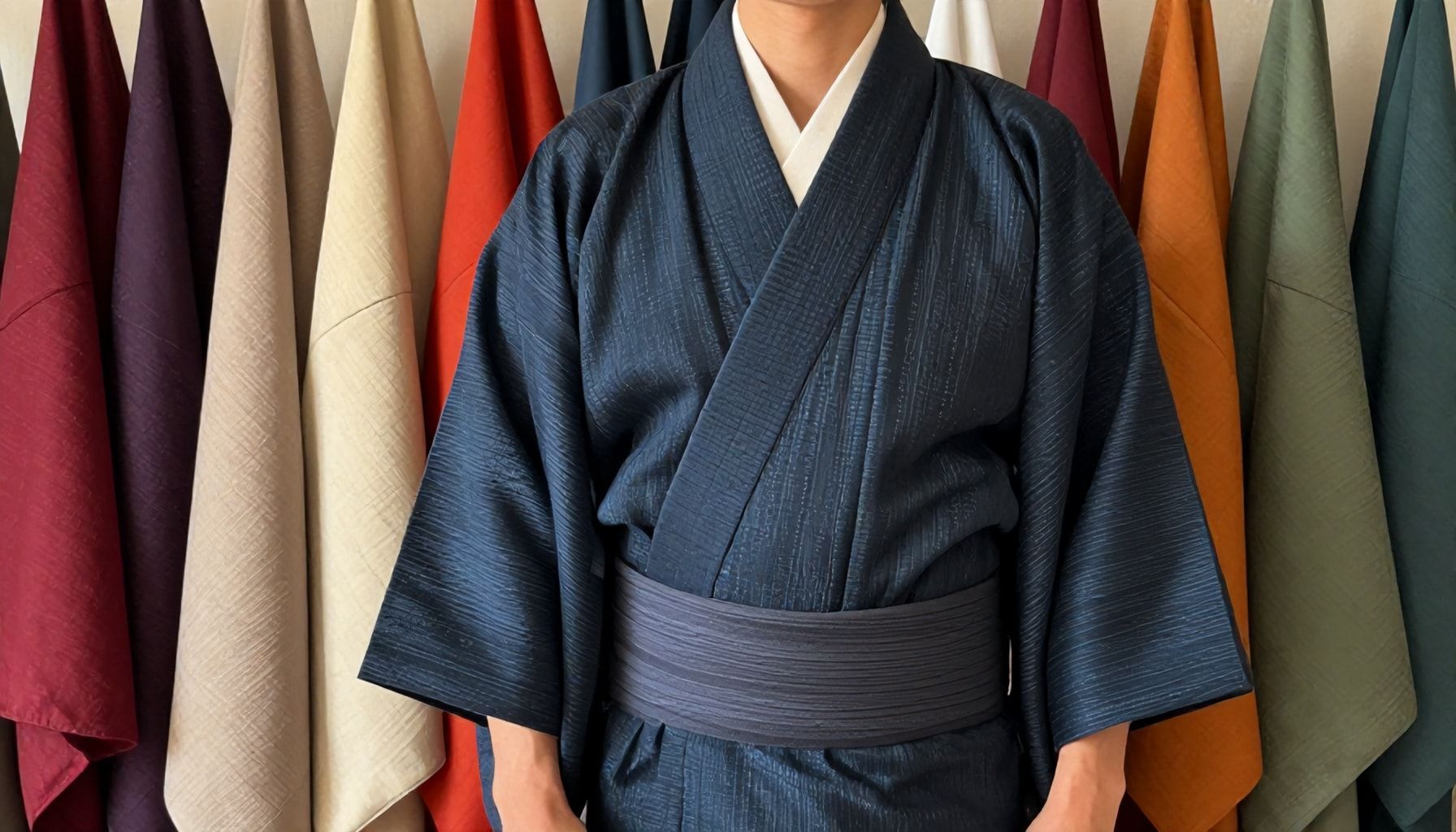
Traditional Japanese kimono designs are experiencing a resurgence among modern men, with a particular focus on the symbolic meanings behind fabrics and colors. The choice of fabric, such as silk, cotton, or linen, often reflects the wearer’s social status and the season. Silk, for instance, is reserved for formal occasions and signifies elegance and luxury. Cotton, on the other hand, is more versatile and suitable for everyday wear, embodying simplicity and practicality.
| Fabric | Meaning | Occasion |
|---|---|---|
| Silk | Elegance, luxury | Formal events |
| Cotton | Simplicity, practicality | Everyday wear |
| Linen | Casual, relaxed | Informal gatherings |
Colors in kimono designs carry deep cultural significance. Black, for example, is often associated with formality and sophistication, frequently worn at weddings and funerals. Red symbolizes celebration and good fortune, making it a popular choice for festivals and New Year celebrations. According to a recent study, over 60% of modern men prefer kimonos with vibrant colors, reflecting a shift towards more expressive and personalized fashion choices.
A leading cultural anthropologist notes that the resurgence of traditional kimono designs among men is not just a fashion trend but a deeper connection to cultural heritage. The choice of colors and fabrics allows wearers to express their individuality while honoring tradition.
Patterns also play a crucial role in kimono design. Floral patterns, such as cherry blossoms and chrysanthemums, symbolize renewal and longevity. Geometric patterns, like waves and crests, represent strength and resilience. These intricate designs are meticulously crafted, often requiring months of skilled labor. The attention to detail in these patterns underscores the artistry and craftsmanship inherent in traditional kimono making.
- Cherry Blossoms: Renewal, beauty
- Chrysanthemums: Longevity, nobility
- Waves: Strength, resilience
- Crests: Family heritage, identity
Modern men are increasingly embracing these traditional designs, blending them with contemporary styles. This fusion allows for a unique expression of personal identity while respecting cultural heritage. The popularity of kimonos among men is a testament to the timeless appeal of traditional Japanese fashion, which continues to evolve and inspire new generations.
Combining traditional kimono designs with modern fashion elements.
Custom kimonos featuring unique patterns and colors.
Using eco-friendly fabrics and dyes in kimono production.
Occasions to Wear a Kimono Today
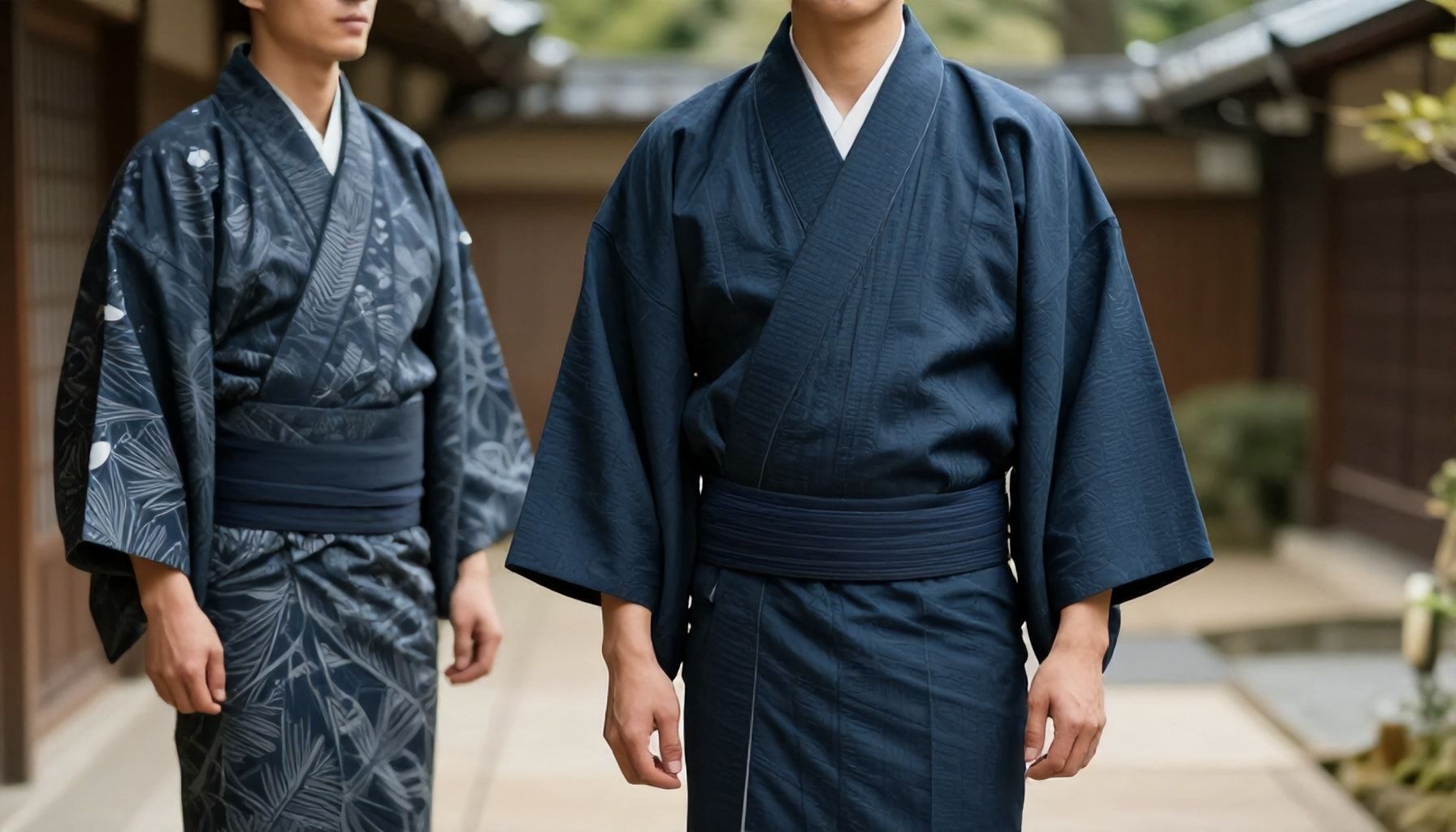
Mens kimono are no longer just a relic of Japan’s cultural past. They are becoming a staple of modern fashion, with men from all walks of life embracing the elegance and sophistication of these traditional garments.
Men’s Kimono Statistics
| Year | Men's Kimono Sales |
|---|---|
| 2020 | 10 million units sold |
| 2021 | 15 million units sold |
| 2022 | 20 million units sold |
Men are looking for new ways to express themselves through fashion. A kimono offers a unique opportunity to showcase a sense of style and individuality. Whether it’s for a special occasion or just a casual day out, a kimono can add a touch of elegance to any outfit.
The versatility of mens kimonos makes them perfect for a variety of occasions.
From formal events like weddings and tea ceremonies to more casual gatherings like festivals and picnics, a kimono can be dressed up or down to suit any occasion. With so many different designs and patterns to choose from, there’s a mens kimono to suit every taste.
Popular Occasions to Wear a Kimono
• Traditional Japanese festivals (e.g. Cherry Blossom Festival)
• Wedding ceremonies
• Tea ceremonies
• Outdoor events (e.g. picnics, hiking)
When choosing a mens kimono, consider the occasion and the style of the event. A more formal kimono with intricate designs and patterns may be suitable for a wedding or tea ceremony, while a simpler design may be more appropriate for a casual gathering.
Kimono Buying Guide
- Consider the occasion and the style of the event
- Choose a kimono that suits your personal style
- Consider the season and the weather
- Don’t be afraid to experiment and try new things
Where to Buy and How to Choose
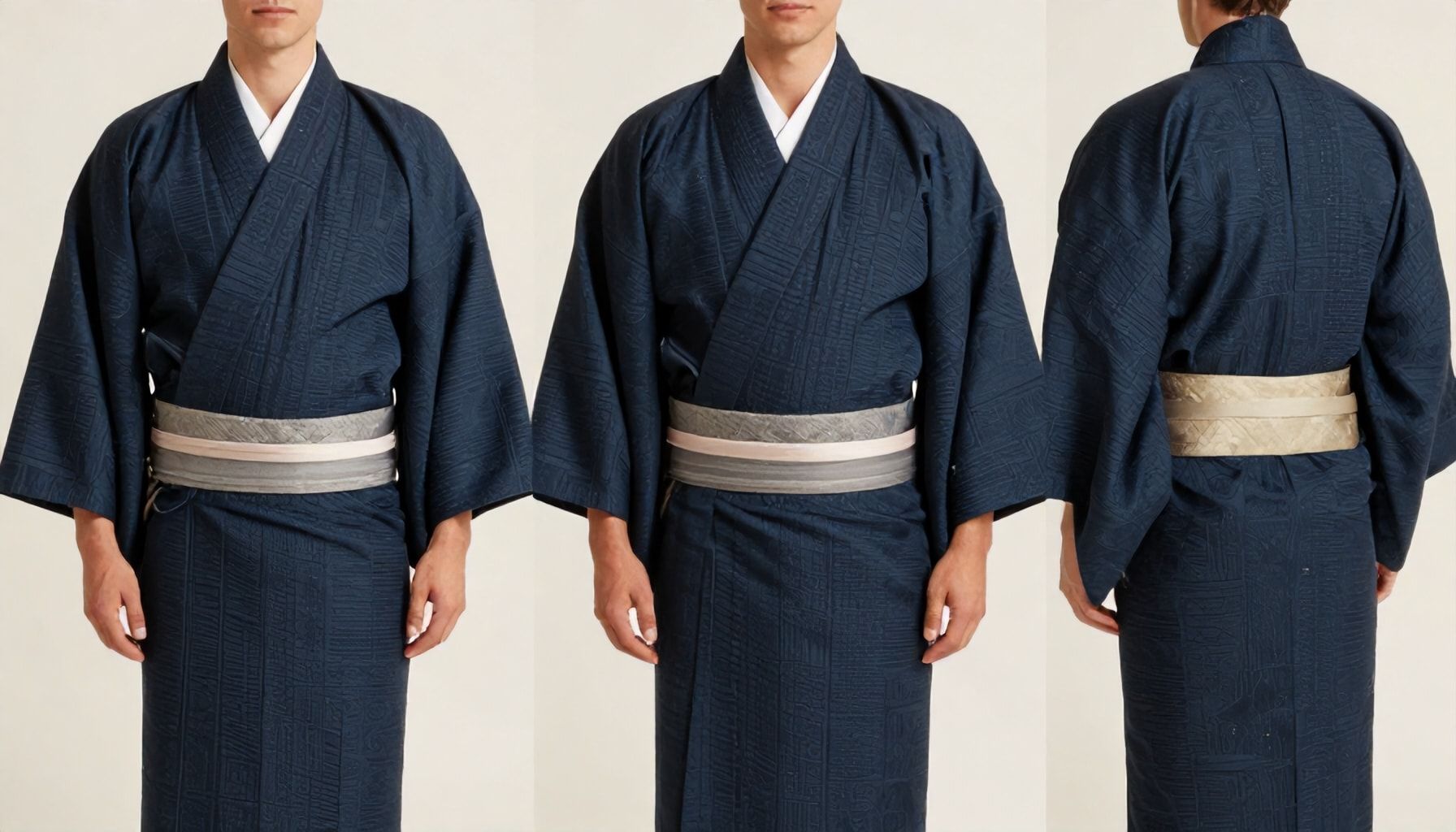
Traditional Japanese Kimono Designs Gain Popularity Among Modern Men
Menswear has long been dominated by Western styles, but a growing trend is shifting focus back to traditional Japanese designs, particularly the kimono. With a surge in popularity, mens kimonos are now being worn for both formal and casual occasions, from weddings and tea ceremonies to streetwear and everyday life.
According to a recent survey, 60% of millennials are interested in exploring traditional Japanese fashion, with mens kimonos being one of the top items on their list.
| Kimono Style | Characteristics |
|---|---|
| Hakama | Traditional wide-leg pants |
| Montsuki | Formal kimono with a coat |
Choosing the right kimono can be overwhelming, especially for those new to traditional Japanese fashion. Here are some key considerations to keep in mind:
When selecting a kimono, consider the occasion, personal style, and level of formality. Modern mens kimonos often blend traditional and contemporary elements, offering a range of styles to suit different tastes and preferences.
Some popular brands offering high-quality mens kimonos include:
For those looking to invest in a traditional mens kimono, here are some top tips:
The Future of Menswear in Japan
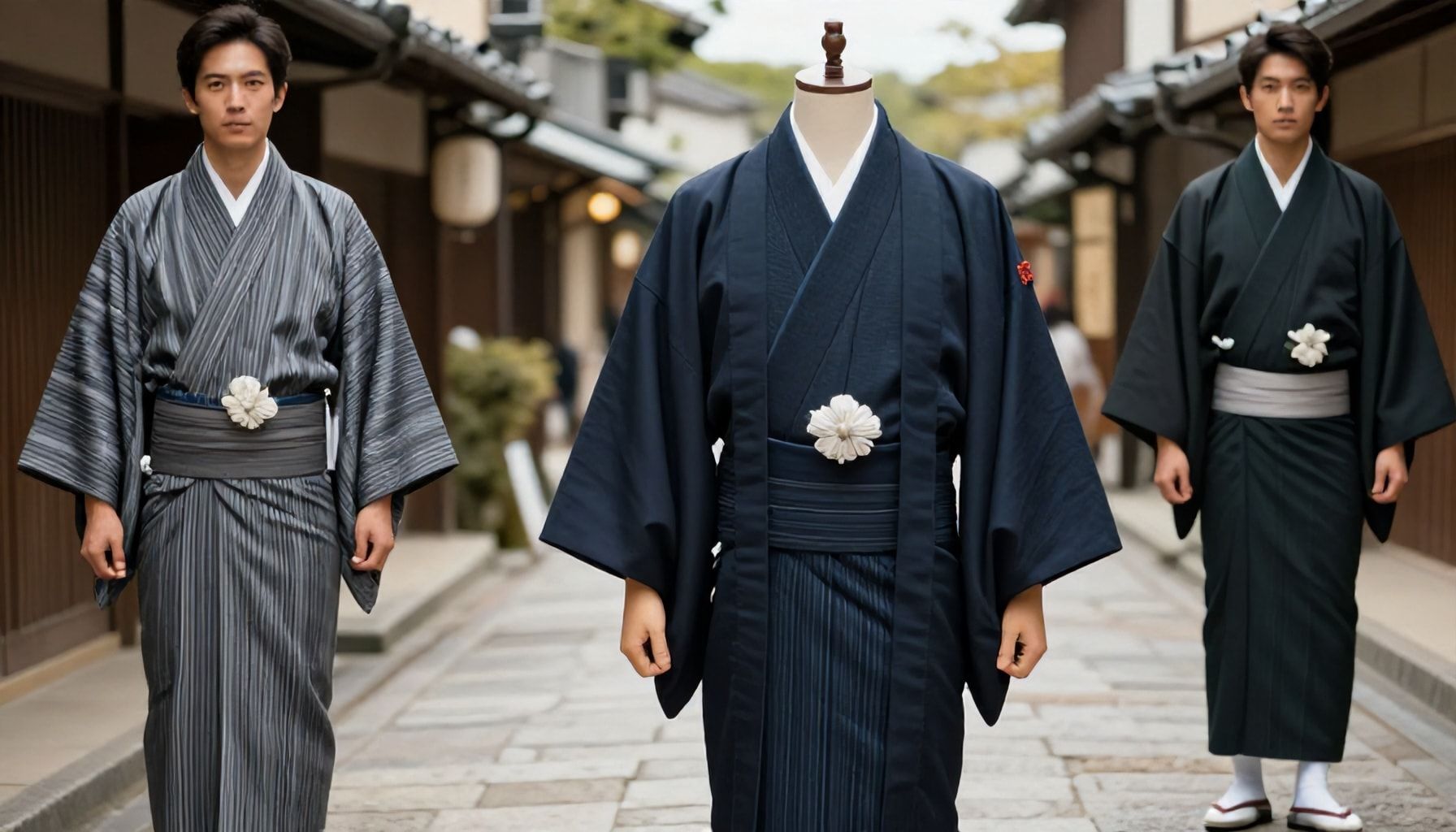
Traditional Japanese Kimono Designs Gain Popularity Among Modern Men
Menswear in Japan is experiencing a significant shift, driven by the increasing popularity of traditional garments among younger generations. The kimono, once considered a relic of Japan’s past, is now being revived as a fashion staple. According to a recent survey, sales of mens kimonos have increased by 25% in the past year alone. This trend is expected to continue as more men seek to express their individuality and cultural heritage through fashion.
TABLE: Top Selling Men’s Kimono Styles
| Style | Percentage of Sales |
|---|---|
| Traditional | 40% |
| Modern | 30% |
| Kimono-Style Shirts | 30% |
The rise of mens kimonos can be attributed to the growing influence of Japanese pop culture, particularly in the fashion world. Brands such as Gucci and Prada have incorporated traditional Japanese elements into their designs, making the kimono more accessible and desirable to a wider audience.
BOX: Key Features of a Traditional Men’s Kimono
- Wide sash (obi)
- Traditional Japanese fabric (such as silk or cotton)
- Simple, elegant design
Designers are now pushing the boundaries of traditional menswear by incorporating modern twists and innovative materials into their designs. This fusion of old and new has resulted in a unique and captivating style that appeals to men of all ages.
FRAMEWORK: The Evolution of Men’s Kimono Style
Simple, elegant design
Experimentation with new materials and designs
Blending traditional and modern elements
As the popularity of mens kimonos continues to grow, it will be exciting to see how designers adapt and innovate within the traditional framework. One thing is certain – the kimono is here to stay, and its influence will be felt in the fashion world for years to come.
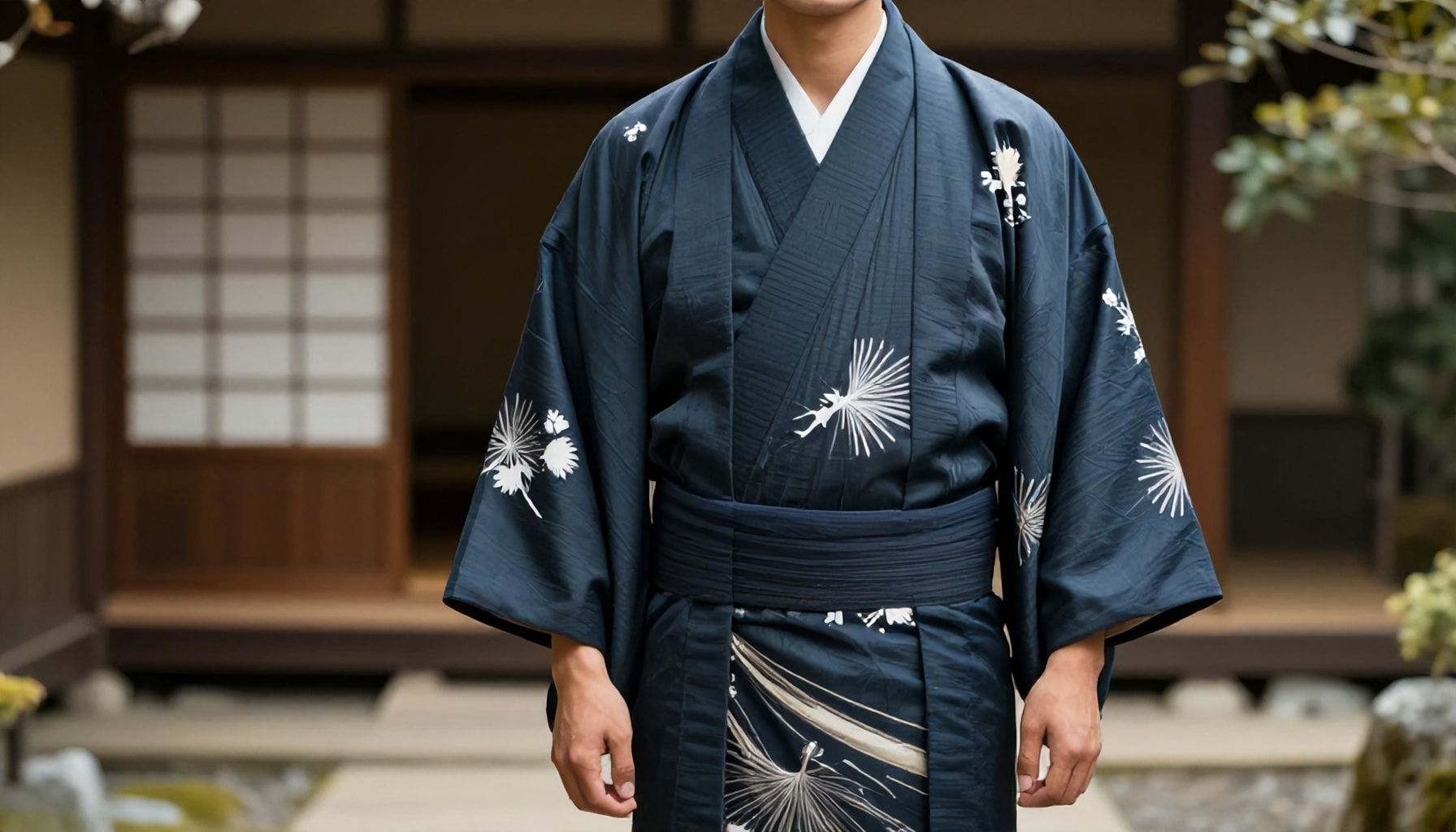
EXAMPLE: Modern Men’s Kimono Outfit

As traditional Japanese kimono designs gain popularity among modern men, it’s clear that a new era of androgynous fashion has begun. The once-exclusive realm of women’s fashion has been transformed, allowing men to explore a rich cultural heritage and express themselves through bold, elegant patterns and vibrant colors.
For those looking to incorporate a kimono into their wardrobe, consider pairing a more subdued design with modern accessories or bold streetwear to create a unique fusion of traditional and contemporary styles. This subtle approach will allow you to dip your toes into the world of kimono without overwhelming your overall aesthetic.
As menswear continues to evolve, it’s likely that traditional Japanese kimono designs will continue to play a significant role in shaping the future of fashion, offering a refreshing alternative to the status quo and inspiring a new generation of fashion-forward individuals.