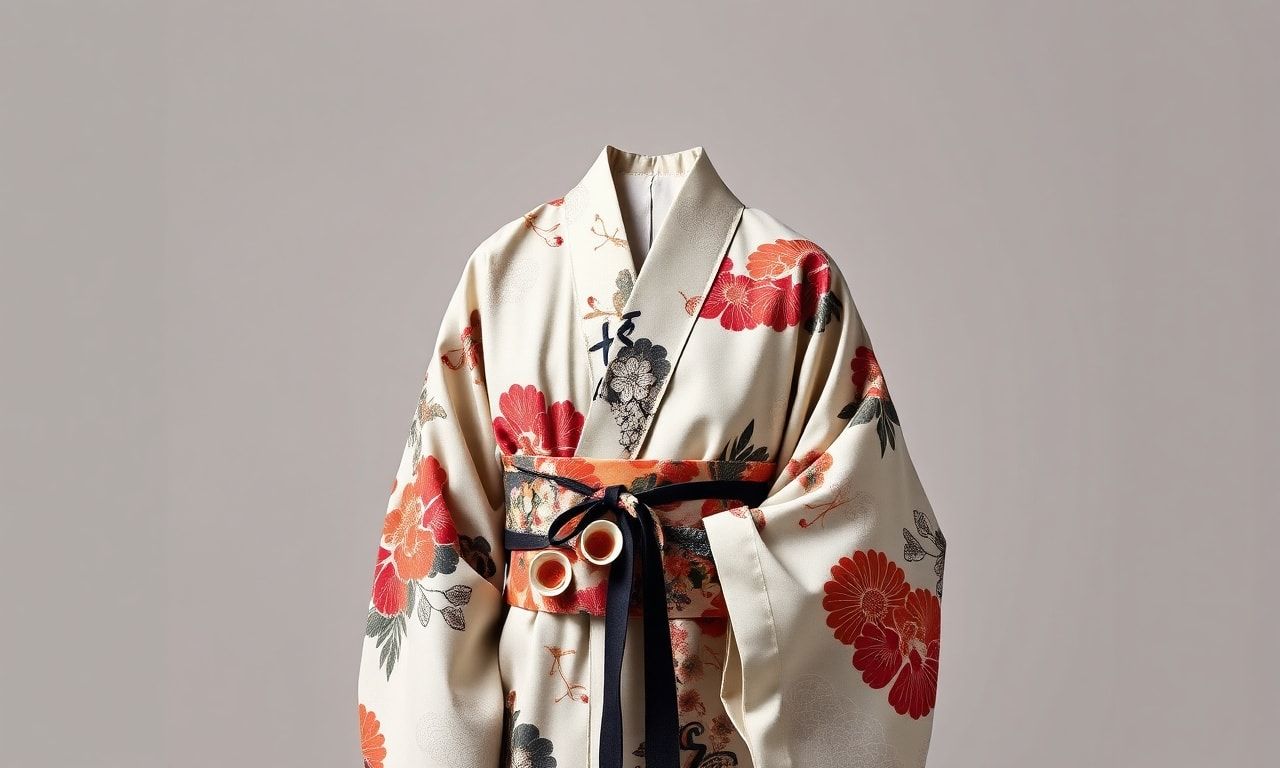
The Timeless Elegance of Kimono
The kimono, a traditional Japanese garment, has been a symbol of elegance and cultural heritage for centuries. Its intricate designs and meticulous craftsmanship make it a timeless piece that transcends fashion trends. Whether worn for formal occasions or casual outings, the kimono exudes a sense of grace and sophistication that is unparalleled. Understanding the history and significance of the kimono can enhance one’s appreciation for this beautiful attire.
The Evolution of Kimono Designs
Over the years, kimono designs have evolved to reflect the changing tastes and cultural influences of Japan. From the simple, unadorned kimonos of the Heian period to the vibrant, elaborate designs of the Edo period, each era has contributed to the rich tapestry of kimono fashion. Modern kimonos often incorporate contemporary elements, making them more accessible and versatile for everyday wear. This blend of tradition and modernity ensures that the kimono remains a relevant and cherished piece in the world of fashion.
Kimono in Contemporary Fashion
Today, the kimono has found its way into mainstream fashion, inspiring designers worldwide. High-end fashion houses often feature kimono-inspired designs, blending traditional Japanese aesthetics with modern silhouettes. The kimono’s adaptability makes it a versatile piece that can be dressed up or down, depending on the occasion. Whether paired with a modern blazer or accessorized with contemporary jewelry, the kimono adds a touch of elegance and cultural depth to any outfit.
For those looking to incorporate the kimono into their wardrobe, it’s essential to understand how to style it appropriately. A well-fitted kimono can be worn over a simple t-shirt and jeans for a casual look or paired with a formal dress for a more sophisticated ensemble. Accessories such as obi belts, geta sandals, and traditional hairpins can enhance the overall aesthetic, creating a cohesive and stylish outfit.
Cultural Significance and Etiquette
The kimono is not just a piece of clothing; it is a cultural artifact that carries deep significance. Wearing a kimono often involves adhering to specific etiquette and customs, especially during formal events. For instance, the color and pattern of the kimono can convey different meanings, such as age, marital status, and social standing. Understanding these nuances can help one appreciate the cultural richness of the kimono and wear it with respect and dignity.
When attending a traditional Japanese event, such as a tea ceremony or a festival, wearing a kimono can be a way to honor the customs and traditions of the host culture. It’s also an opportunity to learn about the intricate details of kimono craftsmanship, from the weaving techniques to the dyeing processes. This knowledge can deepen one’s connection to the garment and enhance the overall experience.
Kimono and Modern Celebrations
Kimonos are often worn during celebrations and special occasions, adding a touch of elegance and cultural significance to the event. For instance, during a traditional Japanese wedding, the bride and groom may wear elaborate kimonos adorned with intricate embroidery and delicate patterns. Similarly, during festivals and matsuri, people often don colorful kimonos to celebrate and honor their cultural heritage.
For those planning a themed party or a cultural event, incorporating kimonos into the attire can create a cohesive and visually stunning atmosphere. Pairing the kimono with traditional Japanese food and decorations can enhance the overall experience, making it a memorable and immersive event. For inspiration on how to create a festive atmosphere, you might want to explore jelley recepten voor een feestje to add a sweet and delightful touch to your celebration.
Caring for Your Kimono
Proper care and maintenance are essential to preserving the beauty and longevity of a kimono. Due to the delicate nature of the fabric and the intricate designs, kimonos require special attention. It’s recommended to store kimonos in a cool, dry place, away from direct sunlight and moisture. Regular cleaning and professional dry cleaning can help maintain the fabric’s quality and ensure that the colors remain vibrant.
When handling a kimono, it’s important to do so with care to avoid damaging the delicate fabric. Using soft, clean hands and avoiding sharp objects can prevent tears and fraying. Additionally, storing the kimono in a breathable garment bag can protect it from dust and insects, ensuring that it remains in pristine condition for years to come.
Conclusion
The kimono is a timeless piece of fashion that continues to captivate and inspire. Its rich history, cultural significance, and exquisite craftsmanship make it a cherished garment that transcends trends. Whether worn for formal occasions or casual outings, the kimono adds a touch of elegance and cultural depth to any ensemble. By understanding the nuances of kimono fashion and caring for the garment properly, one can fully appreciate and enjoy the beauty of this traditional Japanese attire.
If you’re looking to throw a party that’s as stylish as it is sweet, dive into our jelly-themed party guide for inspiration and tips to make your event truly unforgettable.
As the fashion world embraces eco-consciousness, understanding the roots of sustainability becomes ever more important; discover how farming fosters a greener future in our latest feature.
As the mercury rises, so does the style quotient, and we’ve got just the guide to keep you ahead of the curve this summer. Dive into our latest feature, summer fashion trends 2023, for a dose of inspiration that’s as radiant as the season itself.