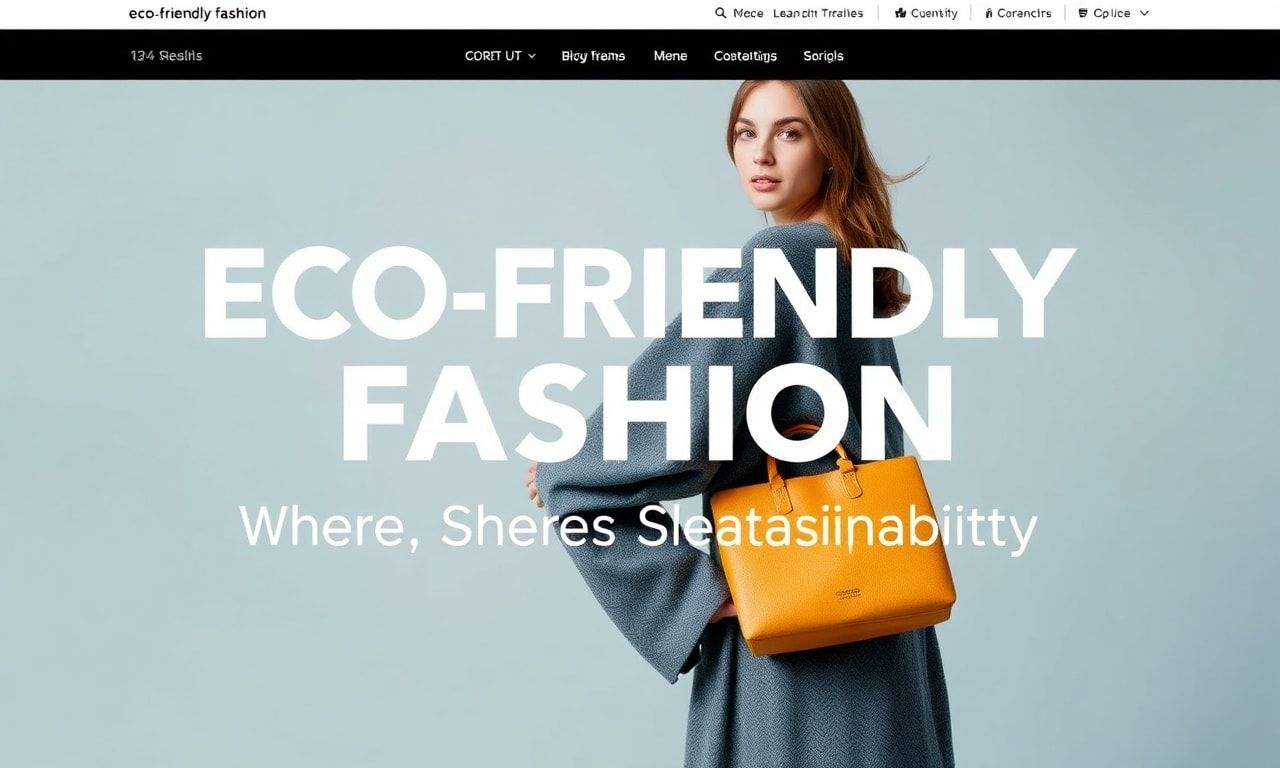
The Rise of Eco-Conscious Fashion
The fashion industry is undergoing a significant transformation, with sustainability taking center stage. As consumers become more aware of the environmental impact of their choices, the demand for eco-friendly fashion is on the rise. This shift is not just a trend; it’s a movement towards a more responsible and ethical approach to style. Brands are increasingly adopting sustainable practices, from sourcing materials responsibly to reducing waste and carbon footprints. This article explores the exciting world of eco-friendly fashion, offering tips and insights on how to incorporate sustainability into your wardrobe.
Why Sustainable Fashion Matters
Sustainable fashion is more than just a buzzword; it’s a necessary evolution in the industry. The traditional fashion model has been criticized for its environmental impact, including water pollution, excessive waste, and high carbon emissions. By choosing sustainable fashion, you’re supporting practices that minimize harm to the planet. This includes using organic and recycled materials, reducing water usage, and ensuring fair labor practices. Sustainable fashion also promotes a slower, more mindful approach to consuming clothing, encouraging quality over quantity.
The Benefits of Sustainable Fashion
The benefits of sustainable fashion are manifold. For the environment, it means less pollution, reduced waste, and a smaller carbon footprint. For consumers, it offers the opportunity to invest in high-quality, durable pieces that last longer and reduce the need for frequent replacements. Additionally, sustainable fashion often supports ethical labor practices, ensuring that workers are paid fair wages and work in safe conditions. By choosing sustainable fashion, you’re not only making a style statement but also contributing to a healthier planet and a more just society.
Tips for Building an Eco-Friendly Wardrobe
Building an eco-friendly wardrobe doesn’t have to be daunting. Start by assessing your current wardrobe and identifying pieces that are versatile and can be styled in multiple ways. Consider the materials of your clothing; natural fibers like organic cotton, linen, and hemp are more sustainable than synthetic ones. When shopping, look for brands that prioritize sustainability and transparency in their practices. Thrift stores and second-hand shops are also great places to find unique, eco-friendly pieces. Remember, the key to sustainable fashion is to buy less but choose well.
Invest in Timeless Pieces
One of the best ways to build a sustainable wardrobe is to invest in timeless, classic pieces that never go out of style. These items can be mixed and matched with other pieces in your wardrobe, creating a variety of looks without the need for constant updates. Opt for neutral colors and simple designs that can be easily accessorized. Timeless pieces also tend to be of higher quality, lasting longer and reducing the need for frequent replacements. This approach not only saves you money in the long run but also reduces waste and environmental impact.
Support Ethical Brands
Supporting ethical brands is another crucial aspect of sustainable fashion. Look for brands that are transparent about their sourcing and manufacturing processes. Many brands now provide detailed information about their supply chains, allowing consumers to make informed decisions. Brands that prioritize fair labor practices and environmental responsibility are worth supporting. Additionally, consider the impact of your choices on the environment. For instance, if you’re looking for sustainable energy solutions, you might find valuable insights on güneş paneli kurulumu için en iyi bloglar.
The Future of Sustainable Fashion
The future of sustainable fashion looks promising, with more brands and consumers embracing eco-friendly practices. Innovations in materials, such as recycled fabrics and plant-based alternatives, are making sustainable fashion more accessible and affordable. Technology is also playing a significant role, with advancements in textile recycling and water-saving techniques. As awareness continues to grow, the demand for sustainable fashion will likely increase, driving more brands to adopt responsible practices. The fashion industry is on the cusp of a green revolution, and the choices we make today will shape its future.
Conclusion
Eco-friendly fashion is not just a trend; it’s a necessary shift towards a more sustainable and ethical future. By making conscious choices about the clothes we buy and the brands we support, we can contribute to a healthier planet and a more just society. Building an eco-friendly wardrobe is easier than you might think. Start by investing in timeless pieces, supporting ethical brands, and being mindful of your consumption habits. Every small step counts, and together, we can make a significant impact. Embrace sustainable fashion and be a part of the change.
As the fashion world embraces change, discover how sustainability is shaping the future of style with our latest feature, eco-friendly fashion revolution.
Discover how to make a statement with your style while caring for the planet in our latest feature, sustainable fashion trends.