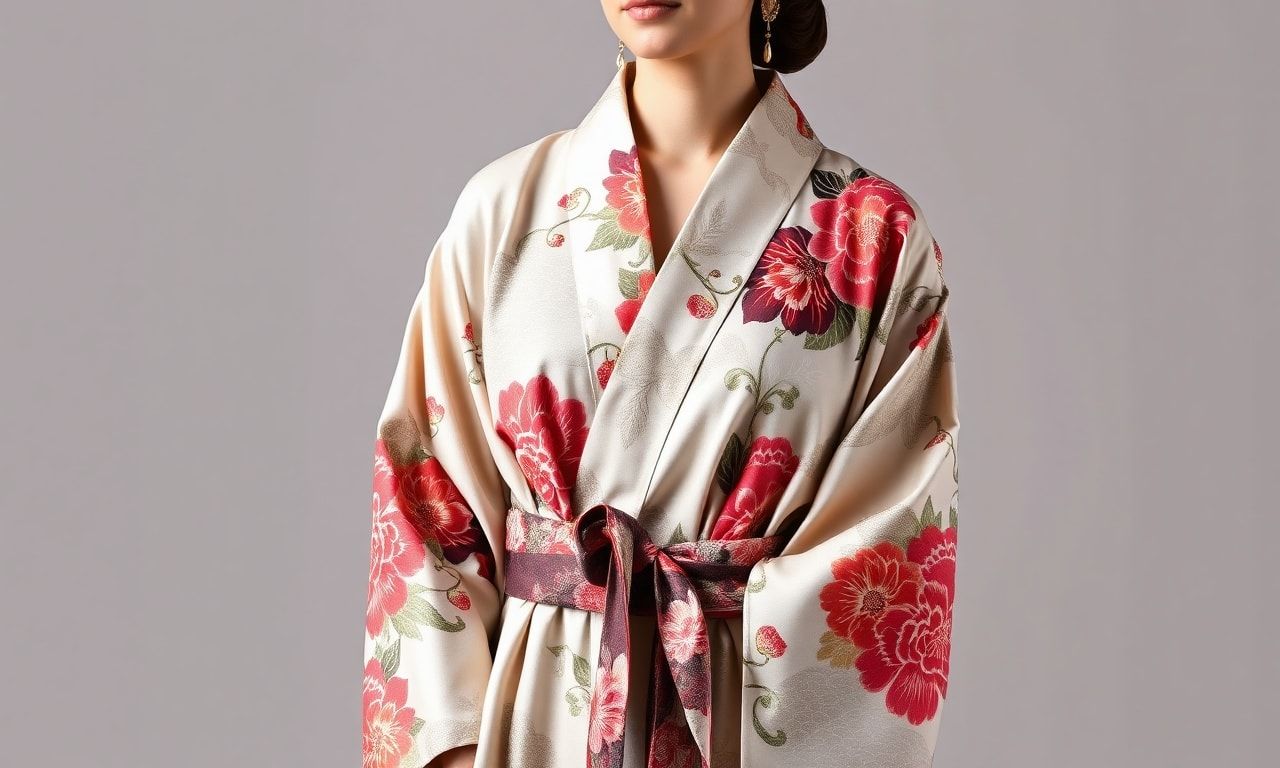
The Art of Kimono Dressing
The kimono, a traditional Japanese garment, has been a symbol of elegance and refinement for centuries. Its intricate designs and meticulous craftsmanship make it a timeless piece of fashion that transcends cultural boundaries. The art of kimono dressing, known as ‘kitsuke,’ is a ritual that involves layering, draping, and securing the garment with obi belts and other accessories. This process not only enhances the aesthetic appeal but also reflects the wearer’s personality and social status.
The Evolution of Kimono Fashion
While the kimono remains rooted in tradition, its influence on modern fashion is undeniable. Designers worldwide have reinterpreted the kimono, incorporating its elements into contemporary clothing. The kimono’s flowing silhouette and vibrant patterns have inspired everything from high fashion to streetwear. This fusion of old and new has made the kimono a versatile piece that can be dressed up or down, depending on the occasion.
Modern Adaptations
Modern adaptations of the kimono include kimono-inspired dresses, jackets, and even accessories. These pieces often feature bold prints and vibrant colors, paying homage to the traditional kimono while adding a modern twist. For those looking to incorporate kimono elements into their wardrobe, there are countless options available, from ready-to-wear pieces to custom-made designs. Whether you’re attending a formal event or simply running errands, a kimono-inspired piece can add a touch of sophistication to your outfit.
The Cultural Significance of Kimonos
The kimono is more than just a piece of clothing; it is a cultural artifact that embodies the values and traditions of Japan. Each kimono tells a story, with its patterns and colors often representing different seasons, occasions, and personal milestones. For example, a kimono worn during a tea ceremony will differ from one worn during a festival, reflecting the unique cultural context of each event. Understanding the cultural significance of the kimono can deepen your appreciation for this iconic garment.
Kimono Etiquette
Wearing a kimono involves adhering to certain etiquette rules, which vary depending on the type of kimono and the occasion. For instance, the way you tie the obi belt can convey different meanings, and the direction in which you wear the kimono can indicate your marital status. Additionally, certain colors and patterns are reserved for specific events, such as weddings or funerals. Familiarizing yourself with these customs can help you wear a kimono with confidence and respect for its cultural heritage.
Styling Tips for Kimono Enthusiasts
If you’re new to wearing kimonos, it’s essential to start with the basics. Begin by choosing a simple, everyday kimono, known as a ‘komon,’ which features small, repeating patterns. Pair it with a comfortable obi belt and traditional tabi socks. As you become more comfortable with the garment, you can experiment with different styles and accessories. Remember, the key to styling a kimono is to balance tradition with personal expression.
Accessories Matter
Accessories play a crucial role in completing your kimono look. Traditional accessories include hair ornaments, fans, and purses, each adding a unique touch to your outfit. For a modern twist, you can incorporate contemporary accessories like statement jewelry or a trendy handbag. The goal is to create a harmonious blend of old and new, reflecting your personal style while honoring the kimono’s heritage.
Legal Considerations for Kimono Collectors
For those who are passionate about collecting kimonos, it’s important to be aware of the legal aspects involved. Authentic kimonos are often considered cultural artifacts, and their sale and purchase may be subject to specific regulations. If you’re looking to buy or sell kimonos, it’s advisable to seek professional advice. Websites like hukuki öneriler can provide valuable insights into the legal considerations surrounding kimono transactions, ensuring that you make informed decisions.
Caring for Your Kimono
Proper care is essential to preserve the beauty and longevity of your kimono. Traditional kimonos are often made from delicate fabrics like silk, which require gentle cleaning and storage. It’s recommended to store your kimono in a cool, dry place, away from direct sunlight. When cleaning, always follow the care instructions provided by the manufacturer to avoid damaging the fabric. By taking good care of your kimono, you can enjoy its timeless elegance for years to come.
Ever wondered about the fascinating intersection of law and style? Discover the unique blend of these worlds in our latest feature, where fashion meets the law.
If you’re eager to elevate your fashion brand’s digital presence, delve into building a strong brand identity and understanding the legal foundations that can set you apart in the competitive style arena.
Unlock the secrets of accessorizing with our comprehensive jewelry guide, your essential companion to timeless elegance and style trends.