The Art of Kimono Dressing
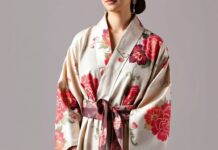
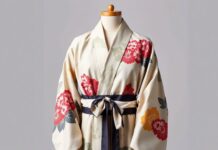
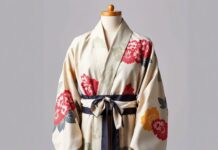
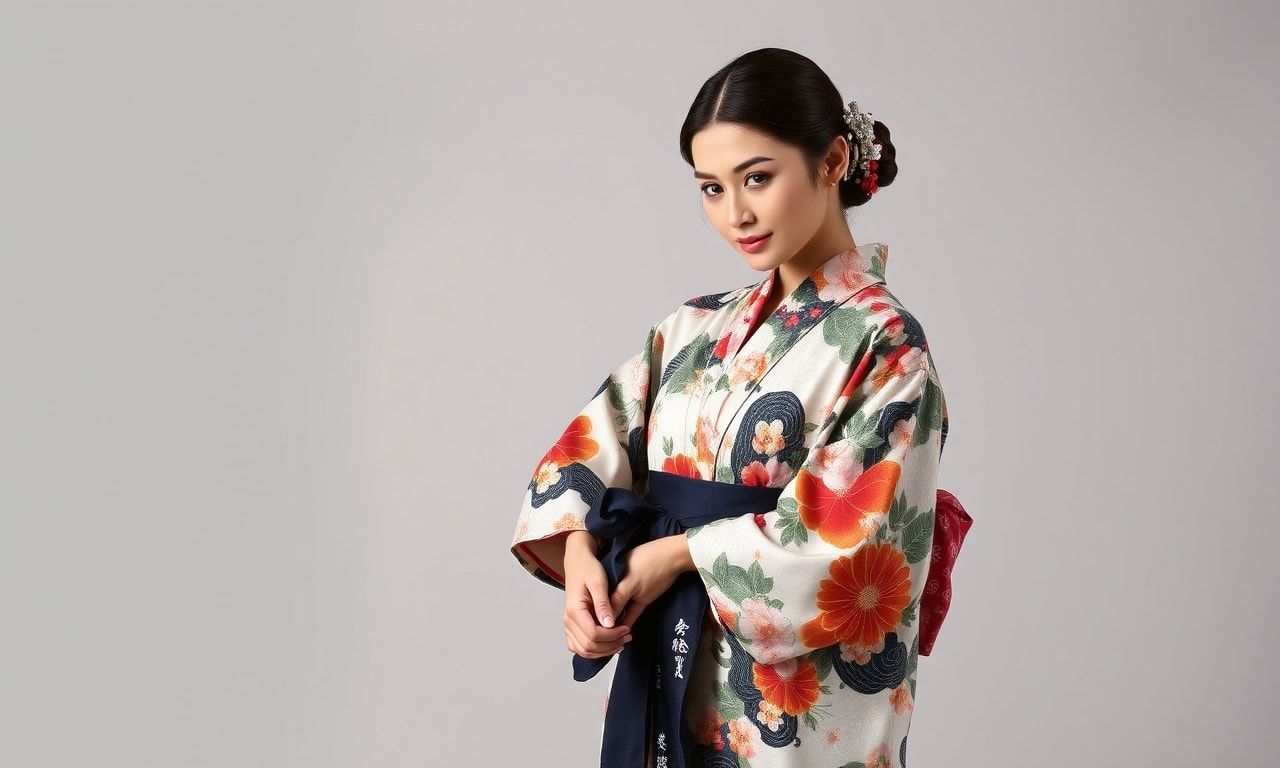
The kimono, a traditional Japanese garment, is more than just a piece of clothing; it is a work of art that encapsulates the essence of Japanese culture and aesthetics. The art of kimono dressing, known as ‘kitsuke,’ is a meticulous process that involves layering, draping, and securing the garment with obi (sashes) and other accessories. Each step is performed with precision and care, reflecting the wearer’s attention to detail and respect for tradition.
Kimonos are typically made from high-quality fabrics such as silk, cotton, or synthetic materials, and are often adorned with intricate patterns and designs. These patterns can tell a story, convey a message, or simply showcase the beauty of nature. The colors used in kimono designs are also significant, with each hue carrying its own symbolic meaning. For example, red symbolizes celebration and good fortune, while blue represents tranquility and peace.
The Evolution of Kimono Fashion
While the kimono has remained a staple in Japanese fashion for centuries, its style and design have evolved over time to reflect changing trends and cultural influences. In the Edo period (1603-1868), kimonos were characterized by their vibrant colors and elaborate patterns, reflecting the opulence and prosperity of the era. During the Meiji period (1868-1912), Western influences began to seep into Japanese fashion, leading to the development of more practical and versatile kimono designs.
Today, the kimono continues to be a popular choice for both formal and casual occasions. Modern kimono designs often incorporate contemporary elements such as bold prints, unconventional cuts, and innovative fabrics. Designers are also experimenting with new ways to wear the kimono, such as pairing it with Western-style clothing or accessorizing it with modern jewelry and footwear.
The Kimono in Modern Fashion
The kimono’s influence can be seen in various aspects of modern fashion, from high-end couture to streetwear. Many designers have drawn inspiration from the kimono’s elegant silhouette and intricate details, incorporating them into their collections. For instance, the wrap-style dressing seen in many contemporary garments is reminiscent of the kimono’s draping technique.
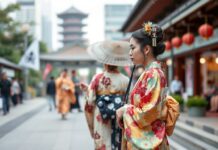
Moreover, the kimono has become a symbol of cultural exchange and appreciation. It is not uncommon to see people from different backgrounds and cultures wearing kimonos, either as a fashion statement or as a way to connect with Japanese traditions. This global appreciation for the kimono has led to a greater understanding and appreciation of Japanese culture as a whole.
Caring for Your Kimono
Owning a kimono is a privilege that comes with the responsibility of proper care and maintenance. Kimonos, especially those made from delicate fabrics like silk, require special attention to ensure they remain in good condition. Here are some tips for caring for your kimono:
- Storage: Store your kimono in a cool, dry place away from direct sunlight. Use a breathable garment bag to protect it from dust and moisture.
- Cleaning: Have your kimono professionally cleaned by a specialist who has experience with traditional Japanese garments. Avoid machine washing or dry cleaning, as these methods can damage the fabric and design.
- Handling: Handle your kimono with clean hands to avoid transferring oils and dirt onto the fabric. When wearing or trying on your kimono, be gentle to avoid snagging or tearing the delicate fabric.
- Repairs: If your kimono becomes damaged, seek the help of a professional who specializes in kimono repair. They can restore your garment to its original beauty using traditional techniques and materials.
The Kimono and Well-being
Wearing a kimono can have a profound impact on one’s well-being. The process of dressing in a kimono encourages mindfulness and self-awareness, as each step requires focus and attention to detail. This meditative practice can help reduce stress and promote a sense of calm and tranquility. Additionally, the elegant and graceful silhouette of the kimono can boost one’s confidence and self-esteem, allowing the wearer to feel poised and sophisticated.
For those interested in the intersection of fashion and well-being, exploring resources like the çocuk sağlığı gelişim rehberi can provide valuable insights into the holistic approach to health and style. Understanding the connection between what we wear and how we feel can lead to a more balanced and fulfilling life.
Conclusion
The kimono is a timeless symbol of Japanese culture and elegance, embodying the beauty of tradition and the dynamism of modern fashion. Whether worn for special occasions or incorporated into everyday style, the kimono continues to captivate and inspire. By appreciating the artistry and craftsmanship behind this iconic garment, we can deepen our understanding and appreciation of Japanese culture and its enduring influence on global fashion.
Discover the enchanting fusion of tradition and trend in kimono fashion today, where timeless elegance meets contemporary style.
In the fast-paced world of fashion and beauty, it’s crucial to maintain your mental well-being; discover how to manage daily stress effectively and keep your mind as vibrant as your style.
Elevate your everyday elegance by exploring simple steps to glow, where small lifestyle tweaks can make a big difference in your radiance and vitality.