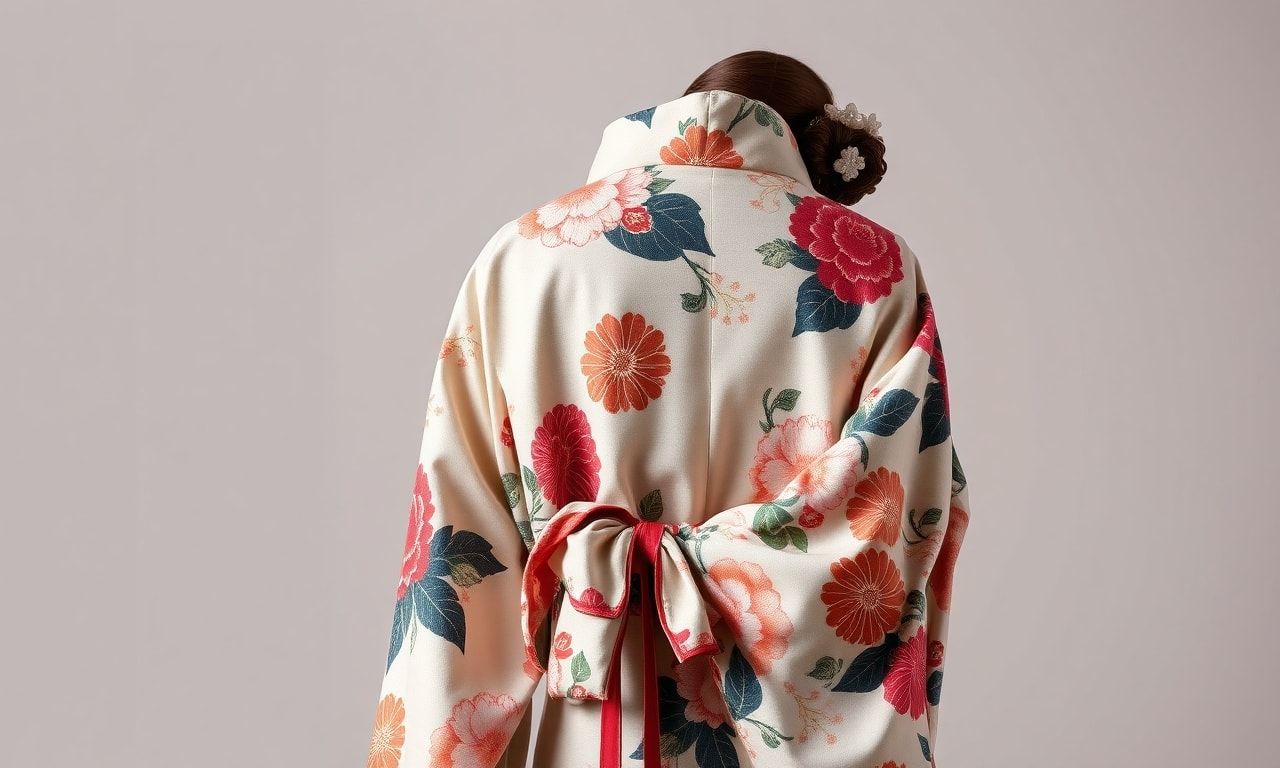
The Kimono: A Symbol of Japanese Heritage
The kimono, a traditional Japanese garment, is more than just a piece of clothing; it is a symbol of Japanese culture and heritage. The word ‘kimono’ translates to ‘thing to wear’ and has been an integral part of Japanese fashion for centuries. The kimono’s design, fabric, and colors are rich in symbolism, often reflecting the wearer’s social status, age, and even the season. Understanding the nuances of the kimono can provide a fascinating glimpse into Japan’s rich cultural tapestry.
The Evolution of Kimono Fashion
The kimono has evolved significantly over the centuries, adapting to changes in society and fashion trends. Originally, the kimono was a simple, straight-lined robe worn by both men and women. However, as Japanese society became more stratified, the kimono’s design became more elaborate, with intricate patterns and colors denoting the wearer’s status. The Edo period (1603-1868) saw the rise of the ‘furisode,’ a kimono with long, flowing sleeves worn by young, unmarried women. This period also introduced the ‘obi,’ a wide sash tied around the waist, which became a staple in kimono fashion.
The Influence of Western Fashion
The Meiji Restoration in 1868 marked a significant turning point in Japanese history, as the country opened its doors to the Western world. Western fashion began to influence Japanese clothing, leading to the creation of the ‘meisen’ kimono. The meisen kimono was a more affordable, mass-produced version of the traditional kimono, featuring bold, colorful patterns inspired by Western art and design. Despite the influence of Western fashion, the kimono remained a popular choice for formal occasions and traditional ceremonies.
The Art of Wearing a Kimono
Wearing a kimono is an art form in itself, requiring skill and patience. The process involves layering different garments, including the ‘nagajuban’ (under-kimono), ‘obi,’ and various accessories. The kimono is typically worn with ‘tabi’ socks and ‘geta’ sandals, completing the traditional look. The way the kimono is worn can also convey different meanings. For example, a kimono worn with the left side over the right is typically reserved for the deceased, while the opposite is true for the living.
Kimono Accessories
Accessories play a crucial role in completing the kimono ensemble. The ‘obi’ is perhaps the most important accessory, with different styles and colors denoting the wearer’s age, marital status, and the formality of the occasion. Other accessories include the ‘kanzashi,’ decorative hairpins worn by women, and the ‘obiage,’ a decorative ribbon tied around the obi. These accessories not only enhance the kimono’s aesthetic appeal but also add a personal touch to the outfit.
The Kimono in Modern Fashion
While the kimono is deeply rooted in tradition, it has also found its place in modern fashion. Today, many designers incorporate kimono-inspired elements into their designs, creating a fusion of traditional and contemporary styles. The kimono’s versatility and elegance make it a timeless piece that transcends cultural and generational boundaries. For those interested in learning more about the kimono and its cultural significance, the interesting facts knowledge guide provides a wealth of information on this fascinating garment.
Kimono Fest: Celebrating the Art of Kimono
Kimono Fest is an annual event that celebrates the art of the kimono. The festival brings together kimono enthusiasts, designers, and cultural experts to share their knowledge and appreciation for this traditional garment. Attendees can enjoy a variety of activities, including kimono workshops, fashion shows, and cultural performances. Kimono Fest is not just a celebration of fashion; it is a celebration of Japanese culture and heritage.
The Future of Kimono Fashion
The future of kimono fashion looks promising, as more people around the world embrace this traditional garment. The kimono’s timeless elegance and cultural significance continue to captivate fashion enthusiasts, ensuring its place in the world of fashion for generations to come. As we continue to explore and appreciate the kimono, we also gain a deeper understanding of the rich cultural heritage it represents.