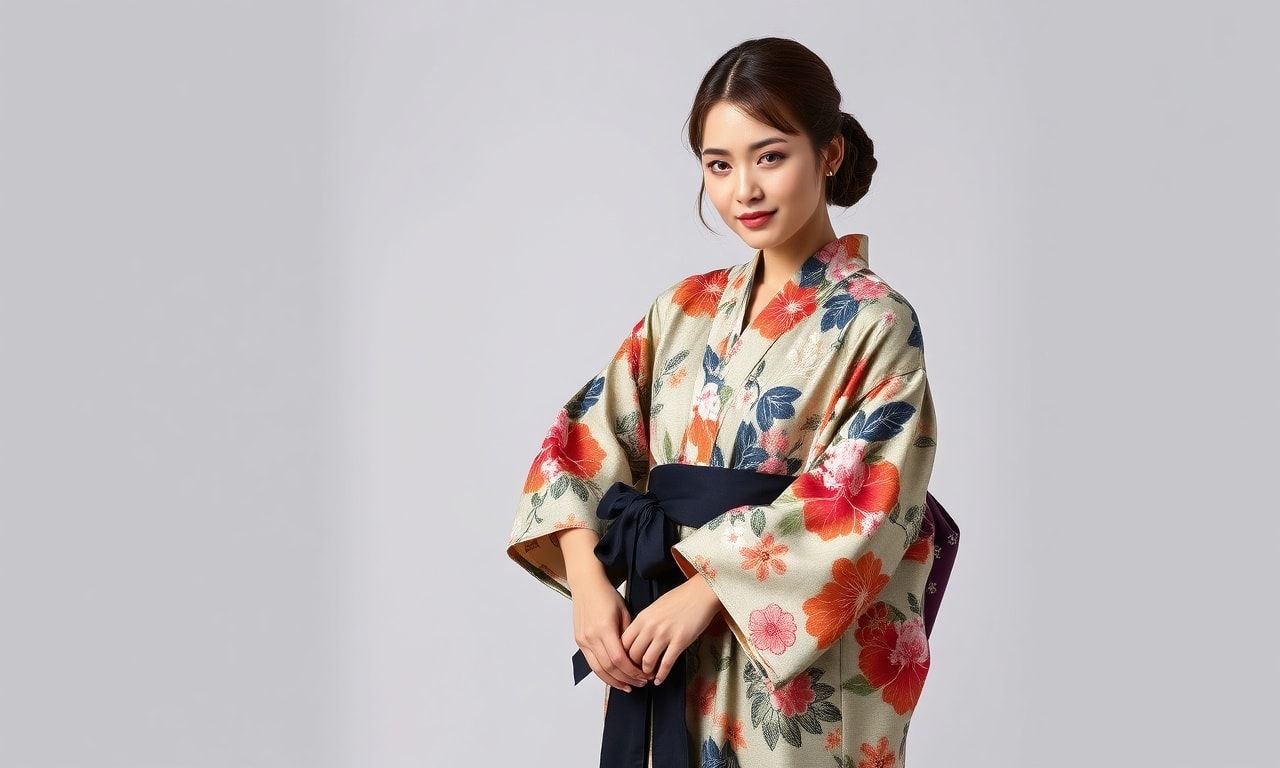
The Kimono: A Cultural Icon
The kimono, a traditional Japanese garment, has been a symbol of elegance and cultural heritage for centuries. Its intricate designs, vibrant colors, and meticulous craftsmanship have made it a timeless piece that transcends borders and generations. Today, the kimono is not just a piece of clothing; it is a statement of style, a nod to tradition, and a celebration of artistry.
Historical Significance and Evolution
The kimono’s history dates back to the Heian period (794-1185), where it was worn by the aristocracy. Over the centuries, it evolved to reflect the social status, age, and occasion of the wearer. The Edo period (1603-1868) saw the rise of the kimono as a fashion statement, with elaborate designs and patterns becoming a hallmark of the era. Today, while the traditional kimono remains a cherished part of Japanese culture, modern adaptations have made it accessible to a global audience.
Modern Adaptations and Global Influence
In recent years, the kimono has seen a resurgence in the global fashion scene. Designers worldwide have incorporated elements of the kimono into their collections, blending traditional motifs with contemporary styles. This fusion has given birth to a new wave of fashion that respects the past while embracing the future. From high-end couture to streetwear, the kimono’s influence is undeniable.
Styling Tips: Incorporating Kimono into Your Wardrobe
Incorporating a kimono into your wardrobe can be a fun and creative process. Here are some tips to help you style this versatile piece:
1. Layering with Western Clothing
One of the easiest ways to incorporate a kimono into your outfit is by layering it over Western clothing. A simple t-shirt and jeans combo can be elevated with a lightweight, patterned kimono. This look is perfect for a casual day out or a relaxed evening.
2. Accessorizing for a Complete Look
Accessories play a crucial role in completing your kimono look. Opt for minimalistic jewelry to let the kimono’s design take center stage. A pair of sandals or flat shoes can complement the overall aesthetic. For a more traditional touch, consider adding a decorative obi belt.
3. Choosing the Right Occasion
The kimono is versatile and can be worn to various occasions. A formal kimono is ideal for weddings and tea ceremonies, while a casual kimono can be worn to festivals and outdoor events. The key is to match the formality of the kimono to the occasion.
Caring for Your Kimono
Proper care is essential to maintain the beauty and longevity of your kimono. Here are some tips:
1. Storage
Store your kimono in a cool, dry place away from direct sunlight. Use a breathable fabric cover to protect it from dust and moisture. Avoid hanging it for extended periods, as this can cause the fabric to stretch.
2. Cleaning
Hand washing is the best method for cleaning a kimono. Use a mild detergent and lukewarm water. Gently rub the fabric and rinse thoroughly. Avoid wringing or twisting the kimono, as this can damage the fabric. Always refer to the care instructions provided by the manufacturer.
3. Repair and Maintenance
Regularly inspect your kimono for any signs of wear and tear. Small repairs can be done at home, but for significant damage, it’s best to consult a professional. Stain removal should be done immediately to prevent permanent damage.
The Kimono in Pop Culture
The kimono has made numerous appearances in pop culture, further cementing its status as a fashion icon. From movies and music videos to runway shows, the kimono’s timeless appeal continues to captivate audiences. For instance, the kimono has been featured in films like ‘Memoirs of a Geisha’ and ‘The Last Samurai,’ showcasing its elegance and cultural significance. In the world of music, artists like Lady Gaga and Rihanna have been spotted wearing kimono-inspired outfits, blending tradition with modern fashion.
For those interested in exploring the intersection of fashion and health, the website doğal sağlık ürünleri inceleme 2026 güncel offers a wealth of information on natural health products that can complement your lifestyle choices. Incorporating natural health practices into your routine can enhance your overall well-being, allowing you to enjoy your fashion choices to the fullest.
Conclusion
The kimono is more than just a piece of clothing; it is a testament to the enduring beauty of tradition and the dynamic nature of fashion. Whether you’re a seasoned fashion enthusiast or a curious beginner, the kimono offers a unique way to express your style while honoring a rich cultural heritage. By incorporating the kimono into your wardrobe and caring for it properly, you can enjoy its timeless elegance for years to come.
Elevate your wardrobe with the latest insights by exploring 2024’s rising style trends, a must-read for fashion enthusiasts.
As the fashion and beauty world increasingly relies on digital platforms, understanding how social media shapes our trends is crucial; delve into the fascinating dynamics with algorithms influencing modern journalism.
You may also find The Intersection of Fashion and Technology: helpful as it covers related aspects of this subject.