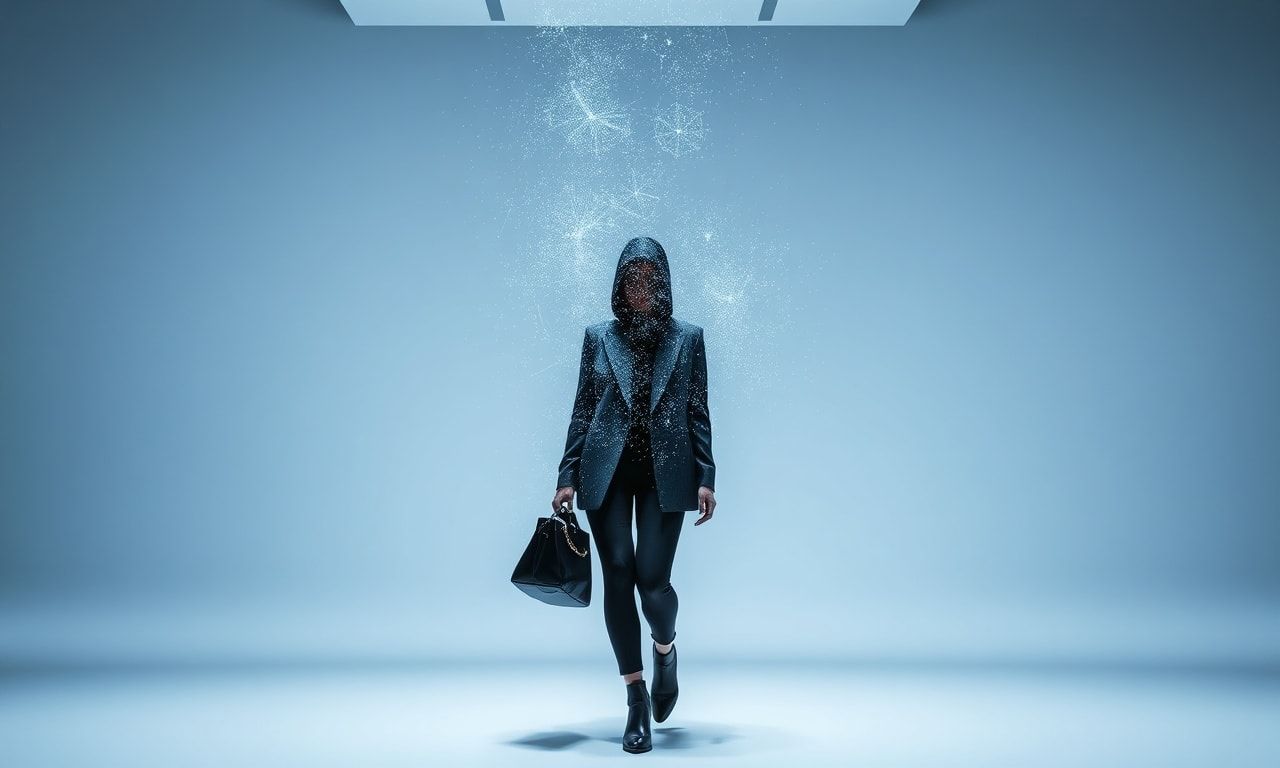
The Evolution of Fashion in the Digital Age
The fashion industry has always been at the forefront of innovation, constantly evolving to meet the demands of a dynamic world. In recent years, the intersection of fashion and technology has given rise to a new era of creativity and functionality. From wearable tech to virtual fashion shows, the boundaries between style and technology are blurring, creating exciting possibilities for both designers and consumers.
Wearable Technology: Where Fashion Meets Function
Wearable technology is one of the most significant developments in the fashion industry. These devices seamlessly integrate technology into everyday accessories, such as smartwatches, fitness trackers, and even smart clothing. For instance, smartwatches like the Apple Watch and Fitbit not only track fitness metrics but also serve as stylish accessories. This fusion of technology and fashion allows individuals to stay connected and monitor their health without compromising their personal style.
Moreover, the integration of technology into clothing is revolutionizing the way we think about fashion. Smart fabrics that can monitor vital signs, adjust to temperature changes, and even change color are becoming more prevalent. These innovations not only enhance the functionality of clothing but also open up new avenues for creative expression. As we look ahead, the potential for wearable technology in fashion is limitless, promising a future where style and functionality coexist harmoniously.
The Role of Virtual Reality in Fashion
Virtual reality (VR) is another groundbreaking technology that is transforming the fashion industry. VR allows designers to create immersive fashion shows and virtual showrooms, providing a unique and engaging experience for consumers. Brands like Gucci and Balmain have already embraced VR to showcase their collections, offering a glimpse into the future of fashion marketing. This technology not only enhances the shopping experience but also reduces the environmental impact of traditional fashion shows by eliminating the need for physical venues and travel.
Additionally, VR technology enables consumers to try on clothes virtually, allowing them to see how garments fit and look before making a purchase. This not only improves the shopping experience but also reduces the likelihood of returns, benefiting both consumers and retailers. As VR continues to evolve, its impact on the fashion industry will only grow, paving the way for a more interactive and sustainable future.
The Influence of Social Media on Fashion Trends
Social media platforms like Instagram, TikTok, and Pinterest have become powerful tools for shaping fashion trends. These platforms allow designers and influencers to reach a global audience, showcasing their latest collections and styles in real-time. The instantaneous nature of social media has accelerated the pace of fashion trends, making it easier for consumers to stay updated on the latest styles and trends.
Furthermore, social media has democratized the fashion industry, giving rise to a new generation of designers and influencers who can build their brands without the need for traditional marketing channels. This has led to a more diverse and inclusive fashion landscape, where unique voices and styles can thrive. As social media continues to evolve, its influence on fashion trends will only grow, shaping the way we consume and perceive fashion.
The Future of Fashion: Sustainable and Tech-Driven
The future of fashion is not only about style and technology but also about sustainability. The fashion industry is increasingly focusing on eco-friendly materials and practices to reduce its environmental impact. Innovations such as biodegradable fabrics, upcycled materials, and sustainable production methods are becoming more prevalent, reflecting a growing consumer demand for ethical and sustainable fashion.
In addition to sustainability, the future of fashion will be driven by technological advancements. From 3D printing to AI-powered design tools, technology is revolutionizing the way clothes are designed and produced. These innovations not only enhance the creative process but also make fashion more accessible and affordable. As we look ahead, the fusion of technology and sustainability will define the future of fashion, creating a more innovative and responsible industry.
Conclusion
The intersection of fashion and technology is reshaping the industry in exciting ways. From wearable tech to virtual reality, the possibilities are endless. As we continue to explore the potential of technology in fashion, we can look forward to a future where style, functionality, and sustainability coexist. Whether you're a fashion enthusiast or a tech aficionado, the future of fashion promises to be an exciting journey. For those interested in the latest tech news and features, be sure to check out Honda Civic tech news and features for 2026.