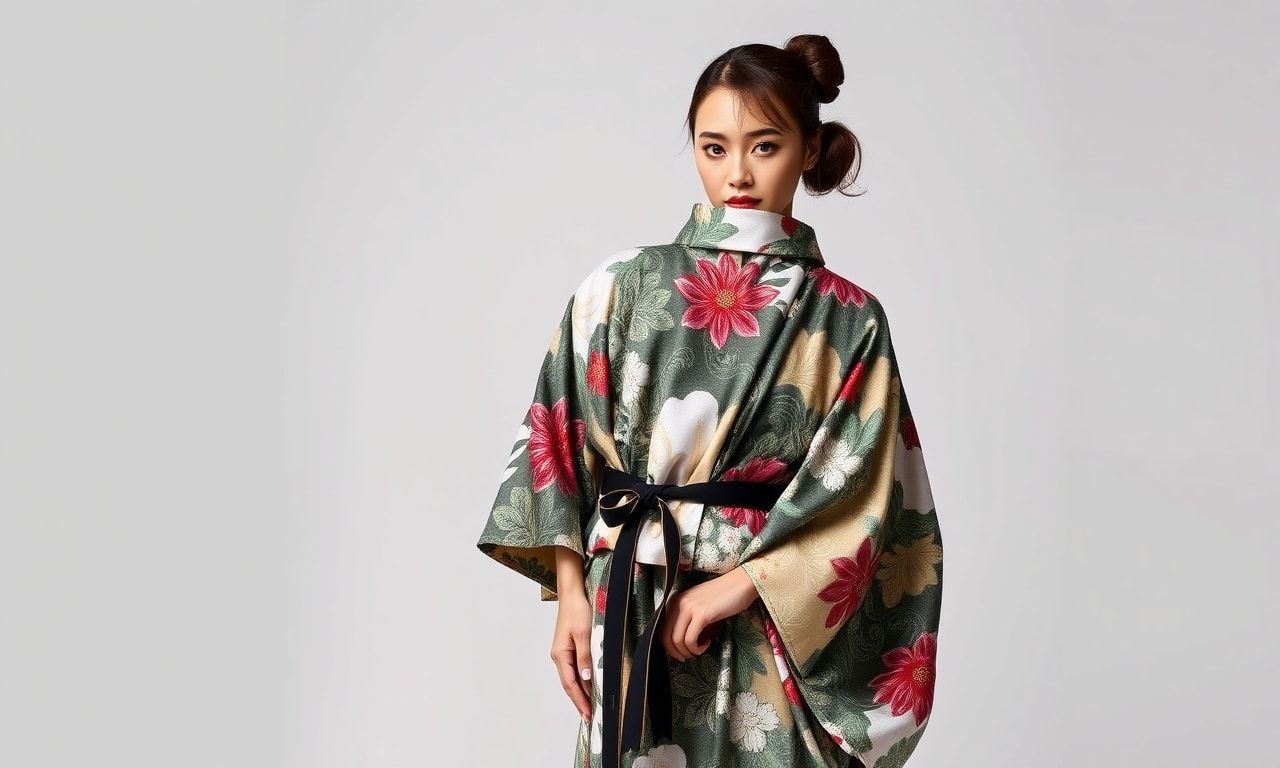
The Kimono’s Timeless Appeal
The kimono, a traditional Japanese garment, has transcended its cultural origins to become a global fashion icon. Its timeless appeal lies in its versatility and elegance, seamlessly blending tradition with contemporary style. The kimono’s influence can be seen in various fashion trends, from high-end couture to everyday wear. This article explores the kimono’s journey in the modern fashion landscape and its role in promoting sustainable fashion practices.
The Kimono in Contemporary Fashion
In recent years, the kimono has experienced a resurgence in popularity. Designers worldwide are incorporating kimono elements into their collections, creating a fusion of Eastern and Western aesthetics. The kimono’s flowing silhouette and intricate patterns offer a unique canvas for creative expression. High-profile collaborations and runway shows have further cemented the kimono’s status as a must-have fashion piece.
Celebrity Influence
Celebrities and influencers have played a significant role in popularizing the kimono. From red carpet events to casual street style, the kimono has been embraced by A-list personalities. Its adaptability allows it to be dressed up or down, making it a versatile choice for various occasions. The kimono’s presence in popular culture has sparked a renewed interest in traditional Japanese fashion.
Sustainable Fashion and the Kimono
The fashion industry is increasingly focusing on sustainability, and the kimono aligns perfectly with this movement. Traditional kimonos are often made from high-quality, natural fabrics like silk and cotton, which are durable and eco-friendly. The emphasis on craftsmanship and longevity contrasts with the fast fashion model, promoting a more sustainable approach to clothing. By choosing kimonos, consumers can reduce their environmental impact while enjoying timeless style.
Ethical Considerations
As the demand for kimonos grows, it is essential to consider the ethical implications of production. Supporting brands that prioritize fair labor practices and sustainable materials ensures that the kimono’s cultural heritage is respected. Consumers can make informed choices by researching brands and their ethical standards. This approach not only benefits the environment but also preserves the cultural significance of the kimono.
The Kimono’s Global Influence
The kimono’s impact extends beyond fashion, influencing various aspects of global culture. From art and design to technology and lifestyle, the kimono’s aesthetic has left a lasting impression. For instance, the kimono’s patterns and colors have inspired interior design and home decor trends. Additionally, the kimono’s cultural significance has sparked interest in Japanese traditions and history, fostering cross-cultural appreciation.
Innovation and Technology
Technology has also played a role in the kimono’s modern revival. Innovations in fabric technology and production methods have made kimonos more accessible and versatile. For example, lightweight and breathable fabrics have made kimonos suitable for various climates and occasions. Moreover, the latest news on electric vehicles and other technological advancements have influenced the fashion industry’s approach to sustainability, further aligning with the kimono’s eco-friendly ethos.
Styling Tips for the Modern Kimono
Incorporating a kimono into your wardrobe can be a fun and creative process. Here are some styling tips to help you make the most of this versatile garment:
- Layering: Kimonos can be layered over dresses, tops, or even other kimonos for a unique look. Experiment with different textures and colors to create a personalized style.
- Accessories: Pair your kimono with complementary accessories such as obi belts, hair ornaments, and jewelry to enhance its traditional appeal.
- Footwear: Choose footwear that complements the kimono’s aesthetic. Traditional Japanese sandals or modern sneakers can both work well, depending on the occasion.
- Occasions: Kimonos are versatile and can be worn to various events, from casual outings to formal gatherings. Adapt the styling to suit the event’s dress code.
Conclusion
The kimono’s journey from a traditional Japanese garment to a global fashion icon is a testament to its timeless appeal. Its influence on contemporary fashion, sustainability, and cultural exchange highlights its significance in the modern world. By embracing the kimono, consumers can enjoy a blend of tradition and innovation while promoting sustainable and ethical fashion practices. Whether you’re a fashion enthusiast or a sustainability advocate, the kimono offers a unique and meaningful addition to your wardrobe.
To ensure you’re at your best, both inside and out, explore our guide on living a healthy lifestyle, where we share tips to boost your well-being and confidence.
Unlock your unique fashion identity with our latest guide, discovering your personal style, and step into the world of fashion with confidence.
As the fashion industry increasingly embraces technology, understanding digital data’s future trends can inspire your next style innovations.