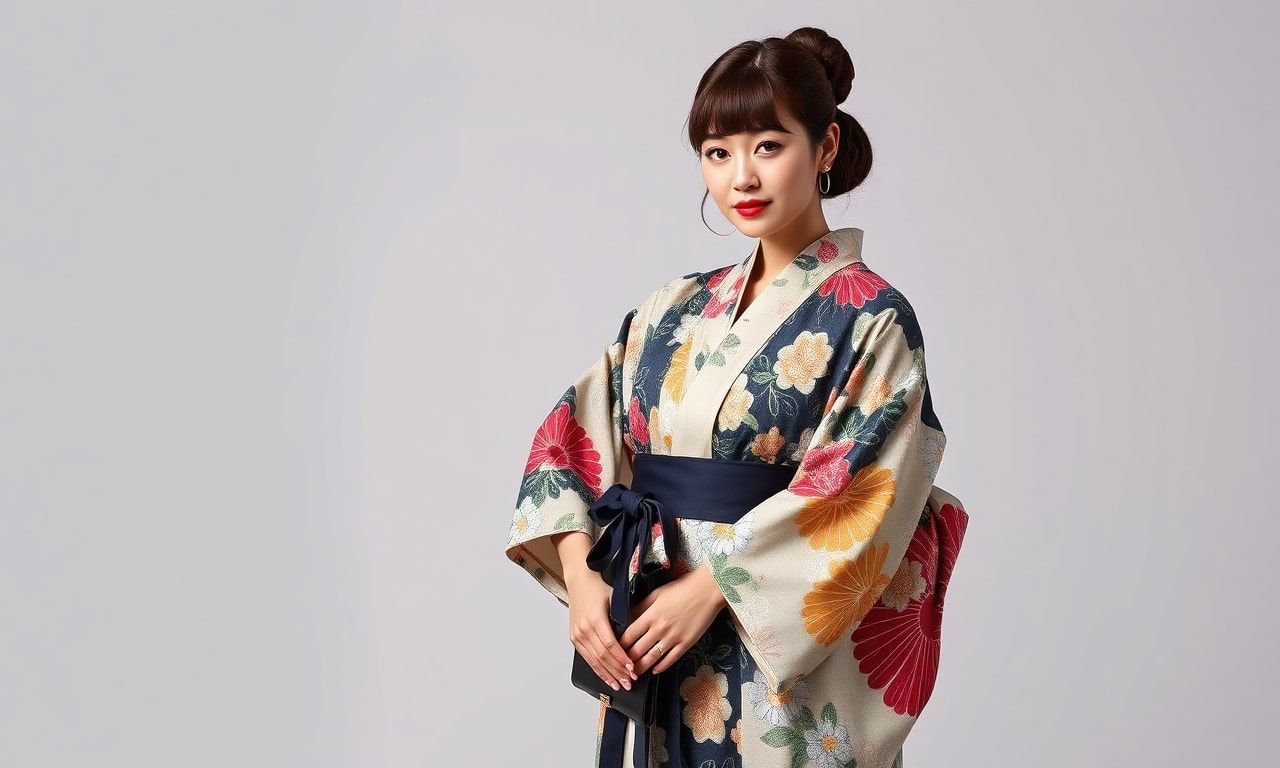
The Timeless Appeal of Kimono
The kimono, a traditional Japanese garment, has been a symbol of elegance and cultural heritage for centuries. Its timeless appeal lies in its intricate designs, vibrant colors, and the craftsmanship involved in its creation. The kimono is not just a piece of clothing; it is a work of art that tells a story of Japanese history, art, and social norms.
The Modern Kimono: A Fusion of East and West
In recent years, the kimono has undergone a remarkable transformation, blending traditional elements with contemporary fashion trends. Designers worldwide are incorporating kimono-inspired designs into their collections, creating a fusion of East and West. This evolution has made the kimono more accessible and versatile, allowing it to be worn in various settings, from casual outings to formal events.
One of the key factors contributing to the modern kimono’s popularity is its adaptability. Designers are experimenting with different fabrics, patterns, and silhouettes, making the kimono suitable for diverse tastes and preferences. Whether it’s a casual kimono dress or a sophisticated kimono-inspired blazer, the modern kimono offers something for everyone.
The Influence of Street Style
Street style has played a significant role in popularizing the modern kimono. Fashion enthusiasts and influencers are often seen sporting kimono-inspired outfits, blending traditional Japanese aesthetics with contemporary streetwear. This trend has not only made the kimono more relatable but has also sparked a global interest in Japanese fashion.
For instance, pairing a kimono with jeans and sneakers creates a unique and stylish look that is perfect for a day out. The versatility of the kimono allows it to be layered, accessorized, and styled in numerous ways, making it a staple in many wardrobes. Additionally, the kimono’s vibrant colors and patterns add a touch of individuality to any outfit, making it a favorite among fashion-forward individuals.
Kimono in High Fashion
The kimono’s influence extends beyond street style to high fashion. Renowned designers like Issey Miyake, Yohji Yamamoto, and Rei Kawakubo have incorporated kimono elements into their collections, showcasing the garment’s timeless elegance and versatility. These designers have reimagined the kimono, blending traditional techniques with modern aesthetics to create stunning pieces that captivate the fashion world.
High fashion runway shows often feature kimono-inspired designs, highlighting the garment’s ability to transcend cultural boundaries. The kimono’s intricate patterns, delicate fabrics, and elegant draping make it a perfect canvas for artistic expression. Designers continue to push the boundaries of kimono fashion, experimenting with new materials and techniques to create innovative and breathtaking designs.
The Cultural Significance of Kimono
The kimono is deeply rooted in Japanese culture and tradition. It is often worn during significant life events, such as weddings, tea ceremonies, and festivals. The kimono’s design and color can convey various meanings, reflecting the wearer’s social status, age, and marital status. Understanding the cultural significance of the kimono adds a layer of depth to its appreciation, making it more than just a fashion statement.
For example, the color red is often associated with celebration and good fortune, making it a popular choice for weddings and festivals. On the other hand, black kimonos are traditionally worn during mourning periods. The intricate patterns and motifs on the kimono also hold symbolic meanings, such as cranes representing longevity and cherry blossoms symbolizing the fleeting nature of life.
Preserving Tradition in a Modern World
As the kimono evolves to meet modern fashion trends, there is a growing emphasis on preserving its traditional roots. Efforts are being made to educate the younger generation about the cultural significance of the kimono and the techniques involved in its creation. Workshops, exhibitions, and cultural events are organized to promote awareness and appreciation for this timeless garment.
Moreover, the internet has played a crucial role in preserving and promoting kimono culture. Online platforms and social media have made it easier for people to learn about the kimono, its history, and its significance. Websites like birmingham bus route changes often feature articles and resources that delve into the cultural aspects of fashion, including the kimono. These resources provide valuable insights into the kimono’s rich heritage and its continued relevance in today’s fashion landscape.
The Future of Kimono Fashion
The future of kimono fashion looks promising, with a growing interest in sustainable and ethical fashion. Designers are increasingly using eco-friendly materials and traditional techniques to create kimonos that are not only beautiful but also environmentally conscious. This shift towards sustainability aligns with the kimono’s traditional values of respect for nature and craftsmanship.
Additionally, the global fashion industry’s focus on diversity and inclusivity has opened up new opportunities for the kimono. Designers are creating kimono-inspired pieces that cater to diverse body types and styles, making the garment more accessible to a broader audience. This inclusive approach ensures that the kimono remains a relevant and beloved piece of fashion for generations to come.
In conclusion, the kimono’s journey from a traditional Japanese garment to a global fashion icon is a testament to its timeless appeal and versatility. Whether worn in its traditional form or reimagined through modern design, the kimono continues to captivate fashion enthusiasts worldwide. Its rich cultural heritage, combined with its adaptability, makes it a unique and cherished piece of fashion that transcends cultural boundaries.
Dive into the fascinating journey of urban fashion with our latest feature, streetwear’s remarkable transformation, and discover how it reshaped the style landscape.
Readers interested in this subject may also want to explore Doğal Aromalarla Rahatlama: Buhurdan Kullanımının Sağlık for additional perspectives.