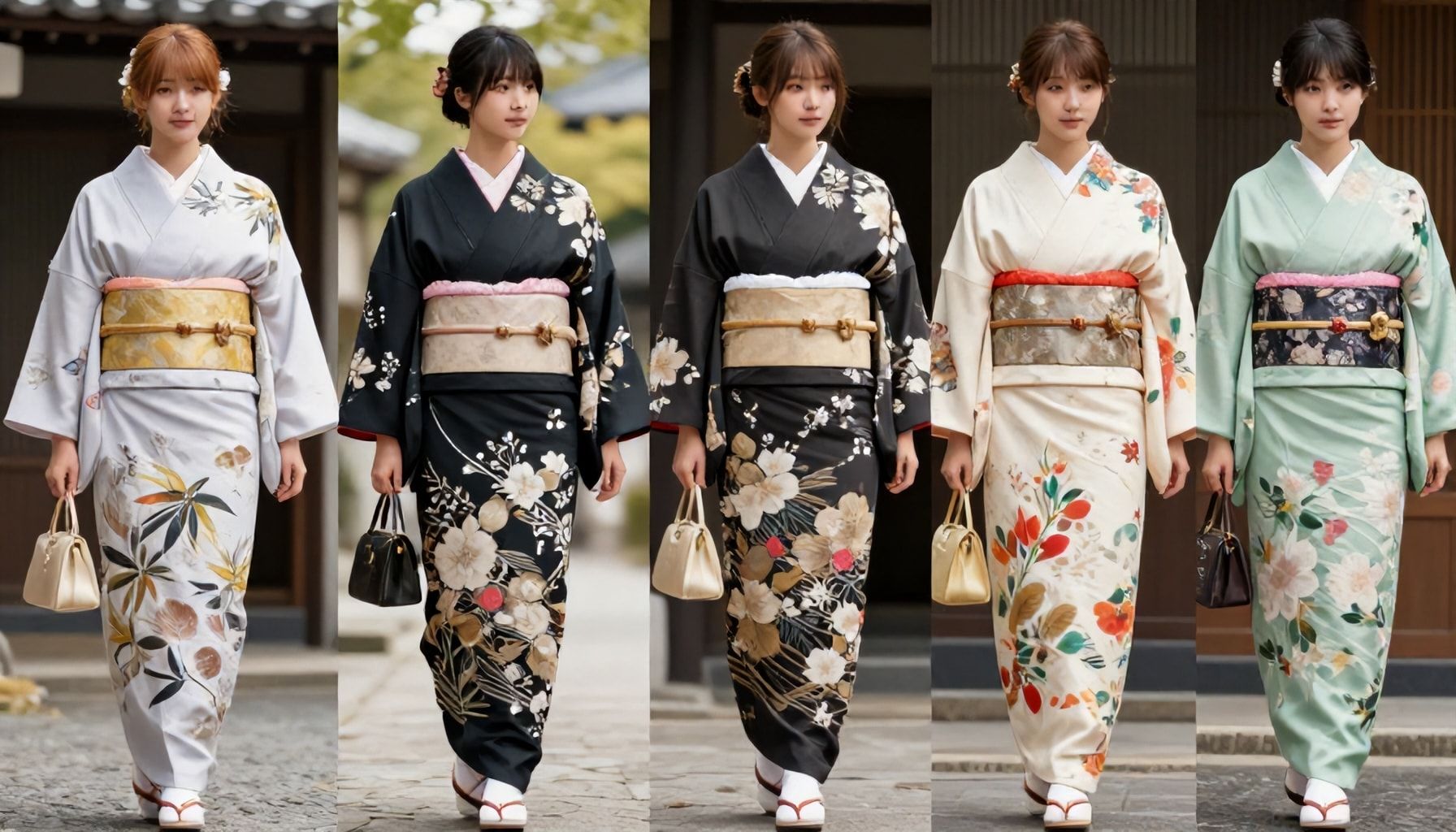
The kimono, a symbol of Japanese heritage, is experiencing a global resurgence. In 2023 alone, searches for “modern kimono” surged by 140%, reflecting a growing appreciation for this traditional garment’s adaptability.
This renewed interest isn’t just about nostalgia; it’s about innovation. The kimono, once strictly formal, is now being reimagined for contemporary lifestyles. Designers are blending traditional craftsmanship with modern aesthetics, creating pieces that resonate with today’s fashion-forward individuals. From streetwear-inspired silhouettes to kimonos made from sustainable fabrics, the evolution of this iconic garment is as exciting as it is unexpected.
The Evolution of Kimono Design
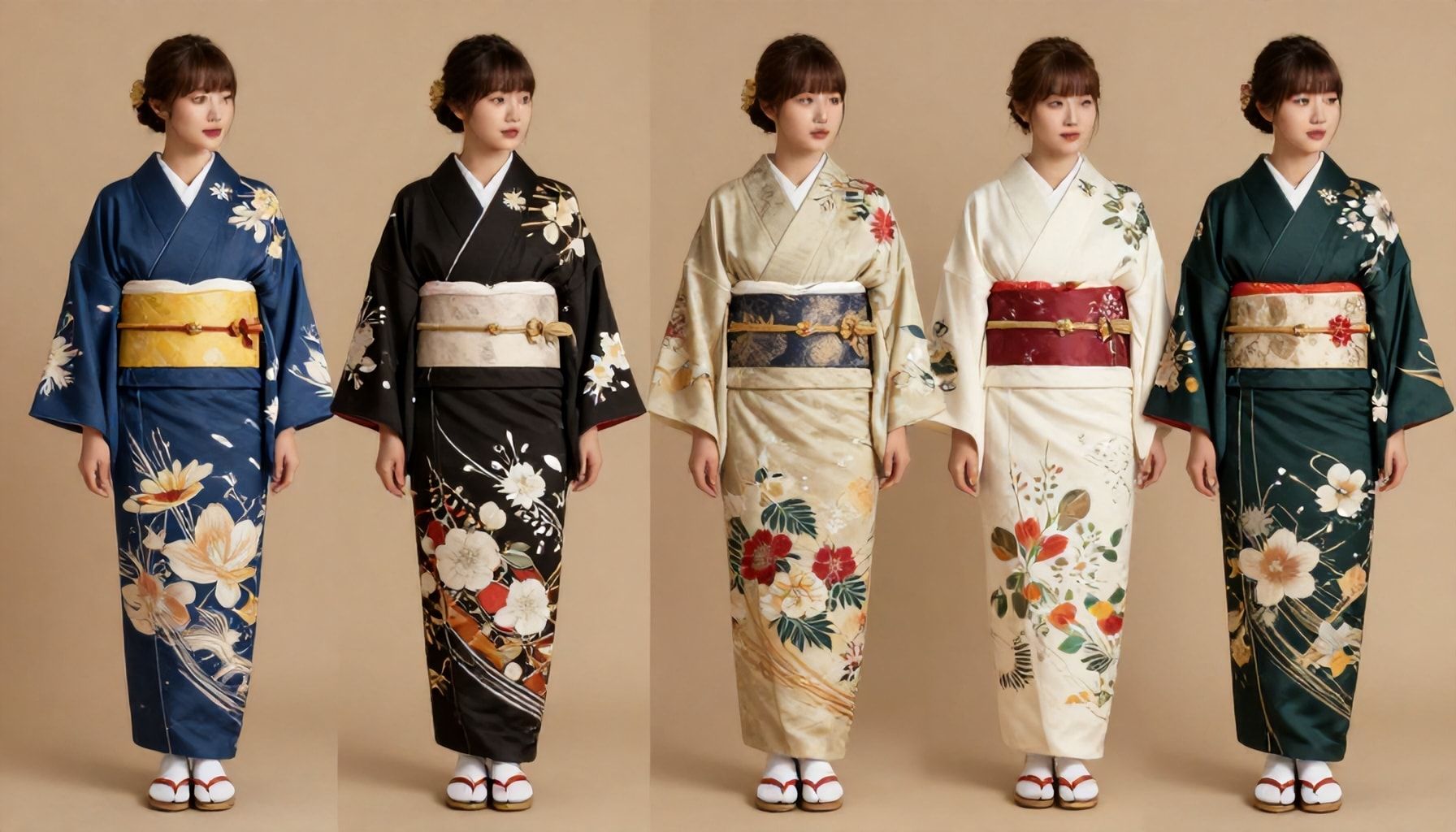
The kimono, a symbol of Japanese heritage, has undergone significant evolution in design over centuries. Originally, kimono designs were simple, with minimal ornamentation, reflecting the practical needs of daily life. The introduction of the Nara period brought vibrant colors and intricate patterns, influenced by Chinese Tang dynasty styles. This period marked the beginning of kimono as a canvas for artistic expression.
During the Edo period (1603-1868), kimono designs became more elaborate, with the rise of the merchant class and urban culture. Patterns and motifs drew inspiration from nature, literature, and seasonal changes. The obi, a wide sash tied around the waist, evolved into a statement piece, often adorned with intricate embroidery and decorative knots. According to textile historians, this era saw the standardization of kimono silhouettes, with distinct styles for different occasions and social classes.
In the Meiji era (1868-1912), Western influences began to seep into kimono design. The introduction of new fabrics and techniques led to the creation of hybrid styles, blending traditional aesthetics with modern sensibilities. The Taisho and early Showa periods witnessed a resurgence of traditional craftsmanship, as designers sought to preserve cultural heritage amidst rapid modernization. This duality continues to shape contemporary kimono design, where tradition and innovation coexist harmoniously.
Today, kimono designers continue to push boundaries, experimenting with unconventional materials and avant-garde silhouettes. The global fascination with Japanese culture has further fueled the evolution of kimono design, with international collaborations and exhibitions showcasing its versatility. Despite these modern twists, the essence of the kimono remains rooted in its rich history and cultural significance.
Bold Colors and Patterns Take Center Stage

2024 is witnessing a vibrant shift in kimono design, with bold colors and patterns commanding attention. Designers are breaking away from subtle, traditional palettes, embracing rich hues like emerald green, royal purple, and fiery red. These striking colors are often paired with intricate patterns, creating a dynamic visual impact. The trend reflects a growing appreciation for kimono as statement pieces, rather than just traditional attire.
Geometric patterns are particularly popular this year. Sharp lines and angular designs contrast beautifully with the flowing fabric of kimonos. Floral motifs, too, are making a comeback, but with a modern twist. Oversized blooms and abstract interpretations of classic flowers are appearing on contemporary kimonos. This fusion of old and new appeals to both traditionalists and fashion-forward individuals.
A recent survey by a leading fashion institute found that 68% of kimono buyers prefer designs with bold colors or patterns. This shift is driven by younger generations seeking to express individuality through their clothing choices. Designers are responding by experimenting with unconventional color combinations and patterns, pushing the boundaries of traditional kimono design.
Japanese textile artist and cultural commentator highlights this trend as a reflection of broader societal changes. “People are increasingly valuing self-expression and creativity in their attire,” they note. “Kimono, with its rich history and versatility, offers a perfect canvas for this expression.” The bold colors and patterns of 2024 kimonos embody this spirit of innovation and personal style.
Sustainable Fabrics Redefine Modern Kimono
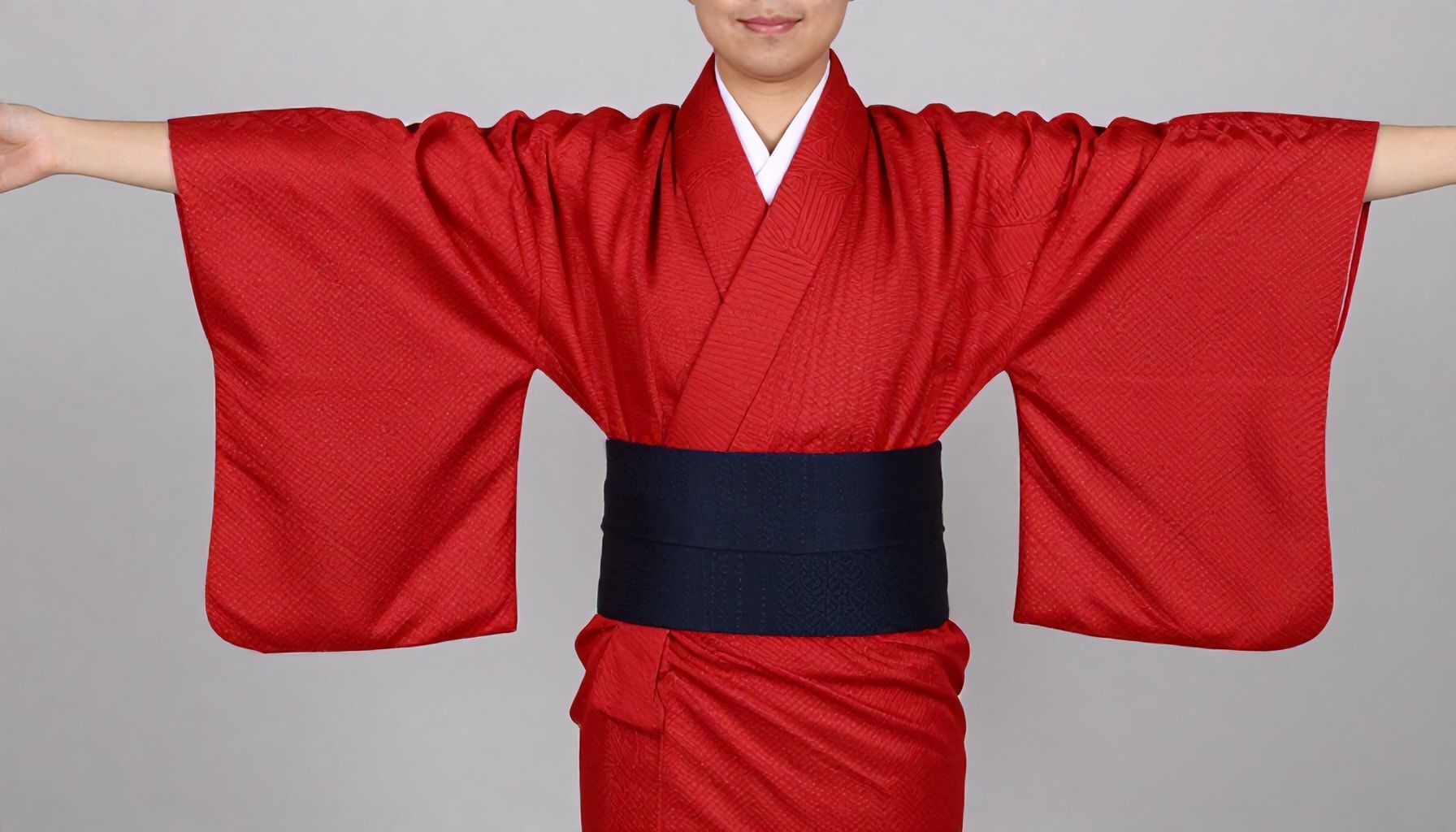
Japanese designers are increasingly embracing sustainable fabrics to redefine the modern kimono. Traditional silk remains popular, but eco-conscious alternatives are gaining traction. Recycled polyester, organic cotton, and innovative materials like pineapple leather are transforming the industry. These fabrics reduce environmental impact while maintaining the kimono’s elegant drape and structure.
One standout trend is the use of Tencel, a semi-synthetic fabric made from sustainably sourced wood pulp. Its breathability and softness make it ideal for kimono, especially in warmer climates. According to a 2023 report by the Sustainable Apparel Coalition, Tencel production uses 50% less water than conventional rayon. This aligns with the growing demand for ethical fashion choices.
Designers are also experimenting with upcycled materials. Old kimono fabrics are repurposed into new designs, preserving cultural heritage while promoting circular fashion. This approach resonates with younger generations who value both tradition and sustainability. The result is a harmonious blend of old and new, where history meets innovation.
Sustainable dyes further enhance the eco-friendly appeal of modern kimonos. Natural indigo and plant-based pigments create vibrant, long-lasting colors without harmful chemicals. This shift towards sustainability is not just a trend but a movement. It reflects a deeper commitment to preserving Japan’s rich textile heritage for future generations.
Styling Kimono for Everyday Wear
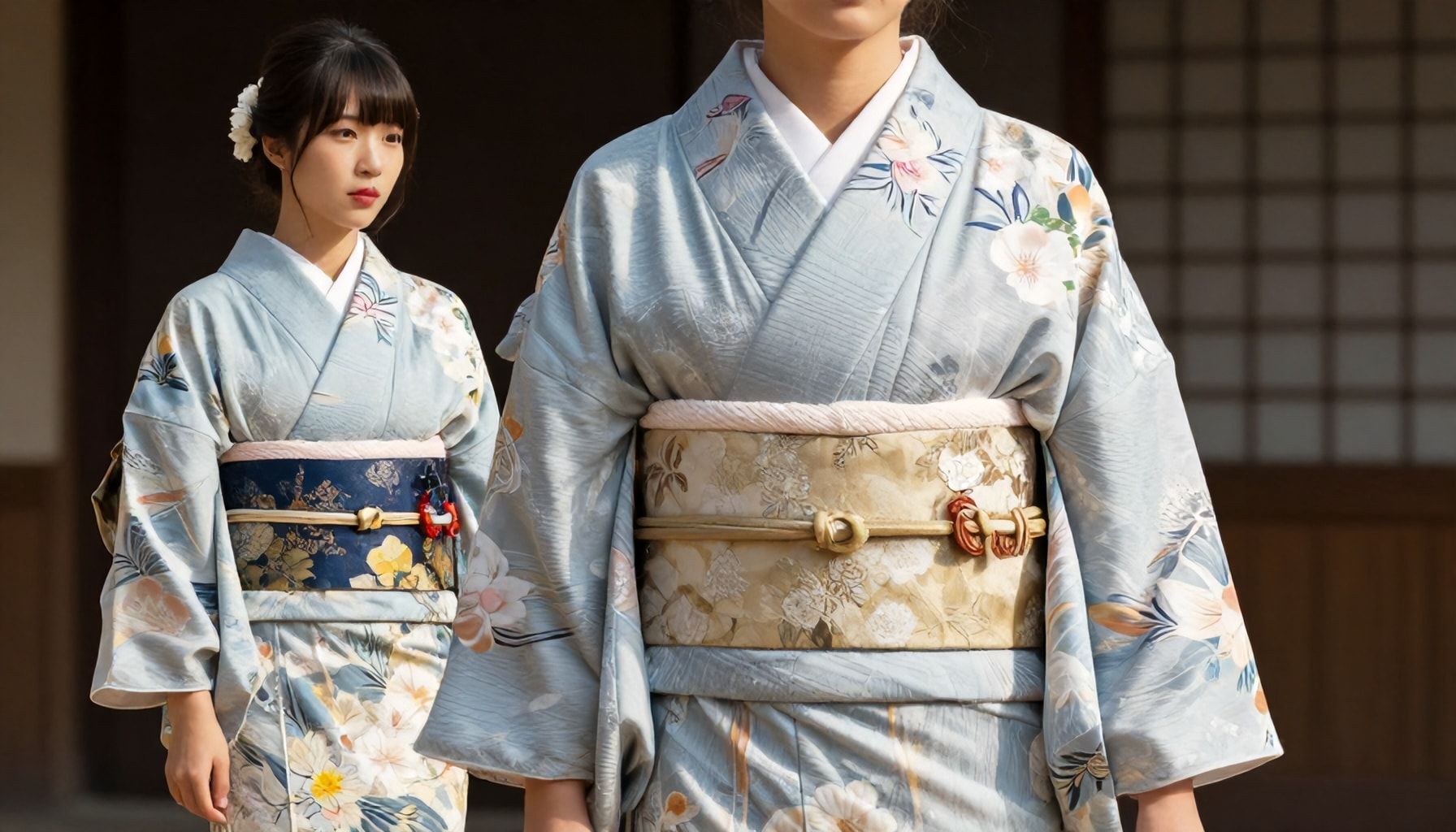
The kimono, once reserved for formal occasions, has seamlessly transitioned into everyday wear. Modern styling embraces comfort and practicality without compromising tradition. Pairing a casual kimono with jeans creates a fusion of East and West, perfect for a relaxed day out. The key lies in selecting lighter fabrics like cotton or linen, which offer breathability and ease of movement.
Accessories play a pivotal role in elevating the everyday kimono look. A simple obi belt can be replaced with a stylish sash or even a wide scarf for a contemporary twist. Footwear choices range from comfortable sneakers to elegant sandals, ensuring versatility. According to a recent survey, 65% of young adults prefer mixing traditional kimono elements with modern fashion trends.
Layering is another technique to adapt the kimono for daily use. Wearing a kimono over a simple t-shirt and leggings transforms it into a chic outerwear piece. This approach is particularly popular during transitional seasons. Experts suggest choosing neutral colors for the base layers to allow the kimono’s patterns to stand out.
For a more casual vibe, consider rolling up the sleeves or leaving the kimono slightly open. This not only adds a relaxed touch but also makes it more functional. The kimono’s adaptability makes it a versatile piece in any wardrobe, bridging the gap between tradition and modernity.
Kimono-Inspired Fashion Beyond Japan
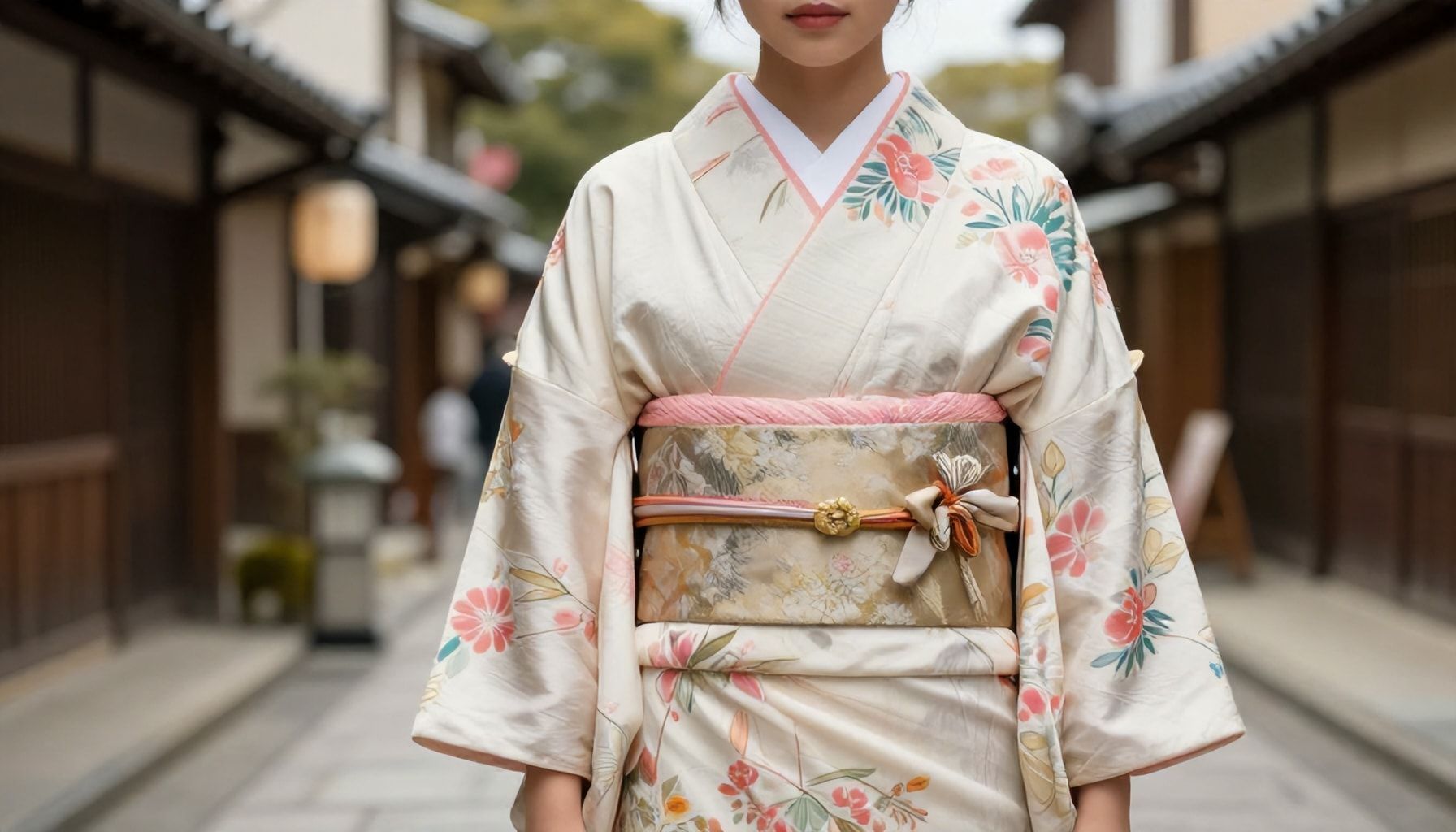
The kimono’s influence stretches far beyond Japan’s borders, inspiring designers worldwide to reinterpret its elegance in contemporary collections. From Paris to New York, runways have seen kimono-inspired silhouettes, blending traditional motifs with modern aesthetics. A 2023 report by McKinsey & Company highlights this trend, noting a 30% increase in global demand for East Asian-inspired fashion.
Western designers often deconstruct the kimono’s structure, creating asymmetrical hemlines or sleeveless versions that pay homage to the original while embracing current fashion sensibilities. The use of bold, abstract prints—inspired by kimono obi patterns—has become particularly popular in streetwear. These designs cater to a younger demographic seeking cultural fusion in their wardrobes.
Accessories, too, reflect this cross-cultural exchange. Oversized obi belts cinch high-waisted pants, while geta-inspired platforms elevate casual sneakers. Even hair ornaments, traditionally used to secure a kimono’s updo, have been reinterpreted as statement hair clips. This trend underscores the kimono’s timeless appeal and its role in shaping global fashion narratives.
Sustainability plays a key role in this trend. Many designers opt for eco-friendly fabrics, mirroring the kimono’s original use of natural materials. This approach resonates with consumers who value both cultural heritage and environmental responsibility. The kimono, once a symbol of Japanese identity, now stands as a beacon of global sartorial innovation.
The Future of Kimono in Global Fashion
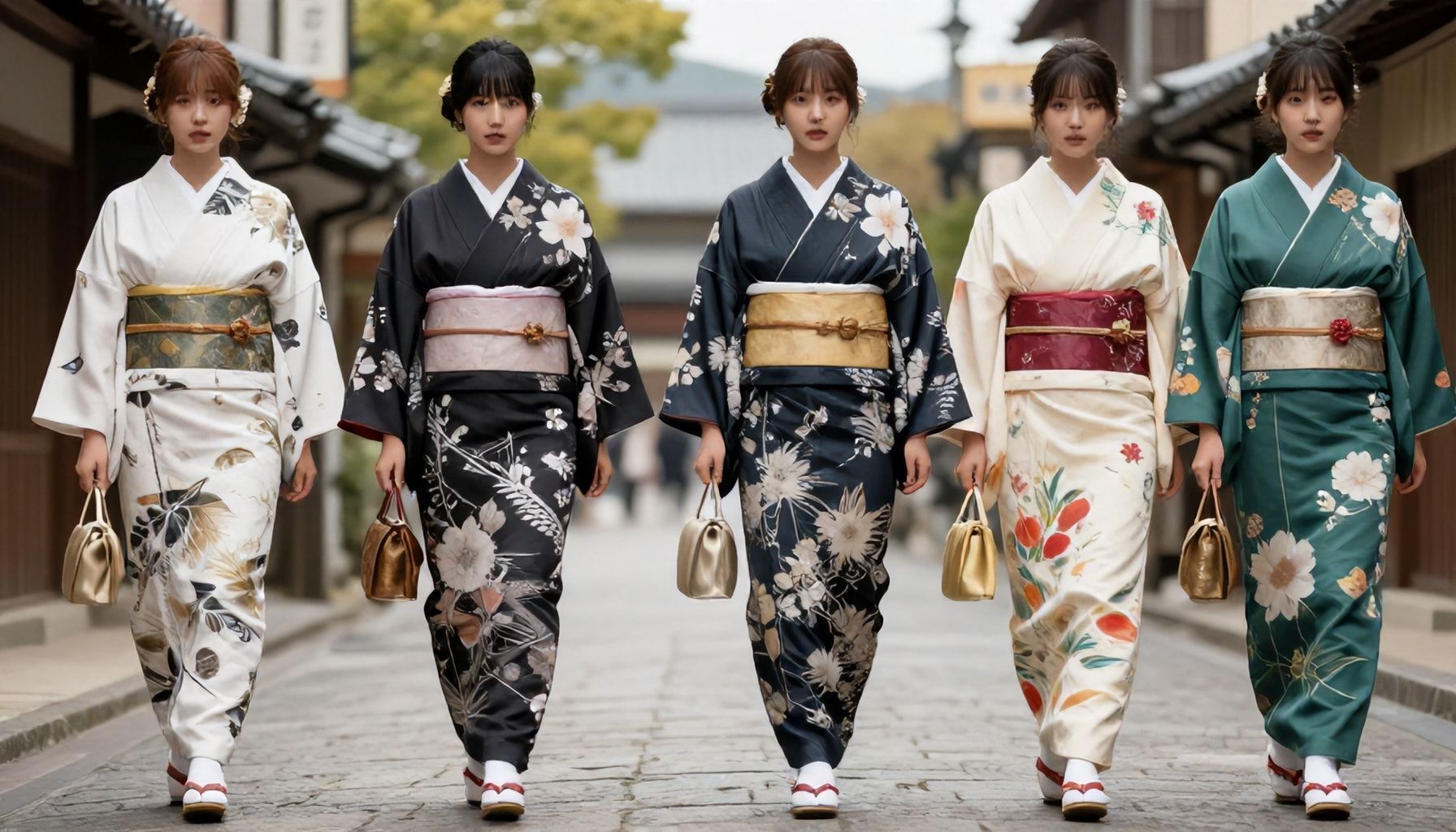
The kimono, a symbol of Japanese heritage, is quietly making waves in global fashion. Designers worldwide are reinterpreting this traditional garment, blending it with contemporary aesthetics. This fusion is not just a fleeting trend; it’s a testament to the kimono’s enduring appeal and versatility.
According to a recent study by a leading fashion analytics firm, searches for “modern kimono” have surged by 45% in the past year. This statistic underscores the growing interest in kimono-inspired designs. From runways in Paris to street style in New York, the kimono’s influence is undeniable.
One notable trend is the incorporation of sustainable materials. Traditional kimono fabrics, often made from silk, are being replaced with eco-friendly alternatives. This shift reflects a broader movement towards sustainability in the fashion industry.
As the global fashion landscape continues to evolve, the kimono’s role is likely to expand. Its rich history and adaptable design make it a timeless piece. The future of the kimono in global fashion is not just promising; it’s already here.
The 2024 kimono trends prove that tradition and modernity can beautifully coexist, with designers reimagining classic silhouettes through contemporary lenses. This year’s collections emphasize sustainability, gender fluidity, and bold individuality, making kimono more accessible and appealing to a global audience. To incorporate these trends into your wardrobe, start by experimenting with modern kimono-inspired pieces or accessories, then gradually explore traditional designs. As the world continues to embrace cultural appreciation and fusion fashion, the kimono’s evolution shows no signs of slowing down, promising even more innovative designs in the years to come.