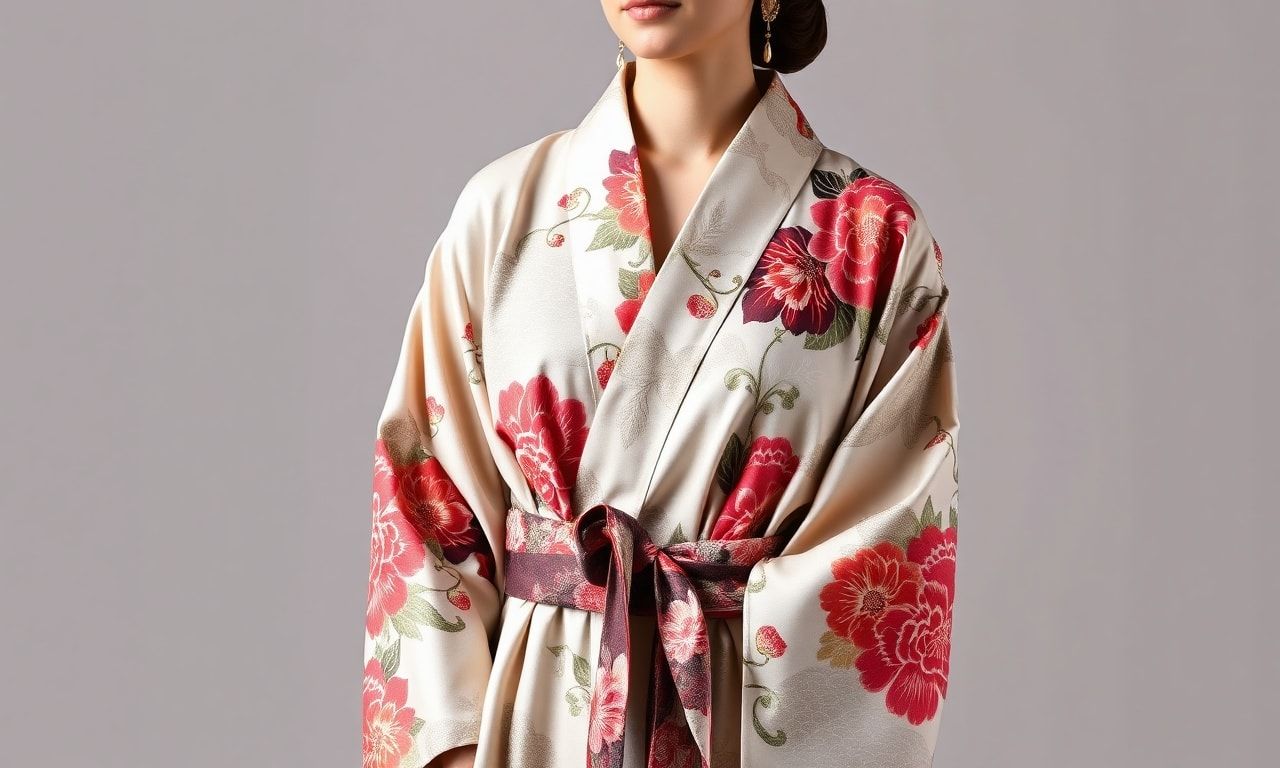
The Evolution of Kimonos
The kimono, a traditional Japanese garment, has evolved significantly over the centuries, yet it remains a symbol of timeless elegance and cultural heritage. Originally worn by all social classes, the kimono has undergone various transformations, reflecting the changing social and political landscapes of Japan. From the elaborate and ornate designs of the Heian period to the more subdued and practical styles of the Edo period, the kimono has always been a canvas for artistic expression and personal identity.
Today, the kimono is not just a piece of clothing; it is a statement of cultural pride and a testament to the enduring beauty of traditional craftsmanship. Whether worn for formal occasions, festivals, or everyday wear, the kimono continues to captivate fashion enthusiasts worldwide. Its intricate designs, vibrant colors, and meticulous craftsmanship make it a unique and cherished garment.
For those looking to incorporate the elegance of kimonos into their wardrobe, it’s essential to understand the different types and styles available. From the formal furisode to the more casual yukata, each type of kimono has its own unique characteristics and occasions for wear. Understanding these nuances can help you make informed decisions when adding a kimono to your collection.
The Art of Wearing a Kimono
Wearing a kimono is an art form in itself, requiring a deep understanding of the garment’s structure and the proper techniques for draping and securing it. The process involves several steps, including selecting the right undergarments, layering the kimono correctly, and securing it with an obi (a wide sash). Each step is crucial to achieving the perfect fit and ensuring the kimono looks elegant and sophisticated.
For those new to wearing a kimono, it can be helpful to seek guidance from experienced professionals or attend workshops that offer hands-on training. These resources can provide valuable insights into the intricacies of kimono dressing and help you develop the skills needed to wear a kimono with confidence. Additionally, watching tutorials and reading guides can be beneficial in understanding the process and practicing at home.
When wearing a kimono, it’s important to pay attention to the accessories that complement the garment. From the obiage (a decorative sash) to the zori (traditional sandals), each accessory plays a crucial role in enhancing the overall look. Choosing the right accessories can elevate your kimono ensemble and make it stand out.
Kimono Fashion in Modern Times
In recent years, the kimono has experienced a resurgence in popularity, both in Japan and internationally. Designers and fashion enthusiasts have embraced the kimono’s timeless elegance, incorporating it into modern fashion trends and creating innovative designs that blend traditional and contemporary elements. This fusion of old and new has resulted in a diverse range of kimono styles, from casual wear to high-fashion statements.
One of the most exciting developments in kimono fashion is the use of modern fabrics and techniques to create unique and stylish designs. Designers are experimenting with different materials, such as silk, cotton, and even synthetic fabrics, to create kimonos that are both comfortable and fashionable. Additionally, the use of digital printing and other advanced technologies has allowed for the creation of intricate and vibrant patterns that were previously impossible to achieve.
For those looking to incorporate kimonos into their wardrobe, there are numerous online resources and retailers that offer a wide selection of styles and designs. Websites like backlink agent für e-commerce provide valuable insights into the latest trends and offer tips on how to style kimonos for different occasions. Whether you’re looking for a traditional kimono or a modern twist on the classic design, these resources can help you find the perfect piece to suit your style.
Cultural Significance and Etiquette
The kimono is deeply rooted in Japanese culture and holds significant symbolic meaning. Understanding the cultural significance and etiquette associated with wearing a kimono is essential for appreciating its true value. For example, the color and pattern of a kimono can convey different messages, such as age, marital status, and social standing. Additionally, the way a kimono is worn and accessorized can reflect the wearer’s personality and style.
When wearing a kimono, it’s important to follow certain etiquette guidelines to show respect for the garment and its cultural heritage. For instance, it’s customary to wear a kimono with the left side overlapping the right side, as the opposite is associated with funeral attire. Additionally, it’s important to choose the right accessories and ensure they complement the kimono’s design and color scheme.
Attending cultural events and festivals that feature kimonos can provide valuable insights into the proper etiquette and customs associated with wearing a kimono. These events often offer opportunities to learn from experienced practitioners and gain a deeper understanding of the garment’s cultural significance. Additionally, reading books and articles on kimono culture can provide valuable information and help you appreciate the rich history and traditions associated with the kimono.
Conclusion
The kimono is a timeless and elegant garment that continues to captivate fashion enthusiasts worldwide. Its rich history, intricate designs, and cultural significance make it a cherished piece of traditional Japanese fashion. Whether worn for formal occasions, festivals, or everyday wear, the kimono remains a symbol of beauty, craftsmanship, and cultural heritage.
For those looking to incorporate the elegance of kimonos into their wardrobe, it’s essential to understand the different types and styles available, as well as the proper techniques for wearing and accessorizing a kimono. By seeking guidance from experienced professionals, attending workshops, and exploring online resources, you can develop the skills and knowledge needed to wear a kimono with confidence and style.
As the kimono continues to evolve and adapt to modern fashion trends, its timeless elegance and cultural significance remain unchanged. Embracing the beauty and craftsmanship of the kimono can enrich your fashion journey and provide a deeper appreciation for traditional Japanese culture.
Ever wondered how hairstyles have transformed over the decades? Discover the fascinating journey of time’s trendiest hairdos and the cultural shifts that shaped them.
To elevate your fashion e-commerce game, dive into essential tips for online success, a treasure trove of strategies to help you stay ahead in the dynamic world of style and beauty.
As the fashion and beauty industries continue to evolve, understanding the path to success in e-commerce is crucial, so we invite you to explore navigating e-commerce triumphs for inspiration.