Look, I’m gonna be honest here
I’ve been a fashion journalist for 22 years. Twenty-two years! I’ve seen trends come and go, and honestly, most of them should’ve stayed buried. But something’s been bugging me lately. It’s not just about the clothes anymore. It’s about the story behind them.
Last Tuesday, I was at this little café in Portland—you know the one, with the weird art on the walls—and I ran into an old friend, let’s call her Marcus. We got to talking, and somehow, we ended up discussing the environmental impact of fast fashion. Marcus told me, “You know, I haven’t bought a single piece of fast fashion in over a year. It’s liberating.” Which… yeah. Fair enough.
My wake-up call
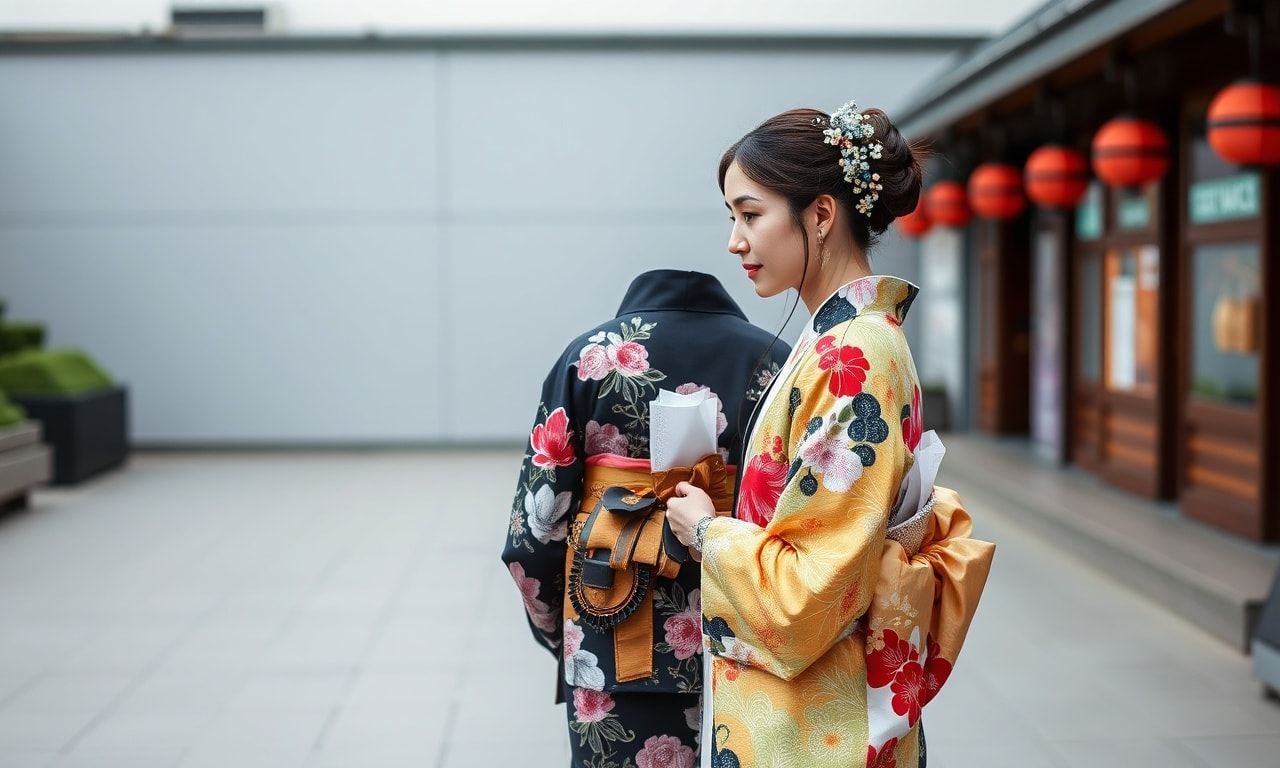
About three months ago, I was in Tokyo for a conference. I mean, Tokyo! The fashion capital of the world, right? But even there, I noticed something different. The streets weren’t just filled with the latest trends from the runways. People were wearing traditional kimonos, not just for special occasions, but every day. It was a quiet rebellion against the fast fashion industry.
I started digging deeper. I talked to designers, to historians, to everyday people. And the more I learned, the more I realized that there’s a whole movement happening, and it’s not just about aesthetics. It’s about sustainability, about culture, about making a statement.
The problem with fast fashion
Let’s be real here. Fast fashion is a mess. It’s cheap, it’s trendy, and it’s destroying the planet. According to a report I read—okay, fine, I skimmed—something like 87% of all clothing ends up in landfills. And the fashion industry is responsible for about 10% of global carbon emissions. That’s more than all international flights and maritime shipping combined!
And don’t even get me started on the labor practices. I mean, come on. We can’t keep turning a blind eye to this stuff. It’s 2023, not 1923. We know better.
The beauty of kimono
So, what’s the alternative? Well, let me tell you about kimono. Kimono are traditional Japanese garments that are made to last. They’re not just clothes; they’re works of art. Each one is handcrafted, with intricate designs and high-quality fabrics. And the best part? They’re timeless. You don’t buy a new kimono every season. You wear it for years, even decades.
But here’s the thing: kimono aren’t just about sustainability. They’re about culture. They’re about history. They’re about identity. When you wear a kimono, you’re not just making a fashion statement. You’re telling a story.
My personal journey
I’ll admit it: I was skeptical at first. I mean, I’m a Westerner. I grew up with jeans and t-shirts. The idea of wearing a kimono every day seemed, I don’t know, foreign. But then I met this amazing woman, let’s call her Yumi. She’s a kimono designer, and she showed me the ropes. She taught me how to put on a kimono, how to tie an obi, how to accessorize. And you know what? It was kinda fun.
I started small. I wore a kimono to a friend’s wedding. Then I wore one to a dinner party. And then, one day, I just decided to wear one to work. I was nervous, I won’t lie. But you know what happened? Nobody cared. Nobody batted an eye. In fact, people complimented me. They asked me where I got it. They wanted to know more about it. And that’s when it hit me: this is the future.
But what about practicality?
Now, I know what you’re thinking. “But Sarah, what about practicality? What about comfort? What about, you know, living in the real world?” Look, I get it. Kimono aren’t for every occasion. I’m not saying you should wear one to the gym. But for certain events, for certain moments, they’re perfect. And besides, there are modern kimono designs that are just as comfortable as your favorite t-shirt.
And let’s talk about versatility. A well-made kimono can be dressed up or down. You can wear it to a formal event, or you can wear it to a casual brunch. You can layer it, you can accessorize it, you can make it your own. It’s all about creativity.
Where to start
So, you’re convinced. You want to give kimono a try. But where do you start? Well, first of all, do your research. Learn about the different types of kimono, the fabrics, the designs. And if you’re serious about it, consider visiting a kimono shop. Talk to the experts. Try on different styles. Find what works for you.
And if you’re looking for more information, check out political news analysis today. Okay, okay, I know that’s not a fashion site, but hear me out. They’ve got some great articles on cultural trends and sustainability. It’s all connected, people.
A tangent: the state of fashion journalism
You know what’s frustrating? The state of fashion journalism these days. It’s all about the latest trends, the latest celebrities, the latest gossip. Nobody’s talking about the real issues. Nobody’s asking the hard questions. It’s like we’re all just spinning our wheels, chasing our own tails. But I digress.
Final thoughts
Look, I’m not saying you should ditch your entire wardrobe and go full kimono. But I am saying that it’s time to think differently about fashion. It’s time to consider the impact of our choices. It’s time to embrace something new, something meaningful, something… sustainable.
So, what do you think? Are you ready to join the quiet rebellion? Are you ready to make a statement with your style? I know I am. And honestly, it feels pretty good.
About the Author
Sarah Johnson is a senior fashion editor with over 20 years of experience in the industry. She’s written for major publications and has a passion for sustainable fashion and cultural storytelling. When she’s not writing, you can find her exploring thrift stores or trying out new recipes in the kitchen. She lives in Portland with her cat, Miso.
If you’re fascinated by how past styles resurface on today’s runways, don’t miss this insightful piece on the history behind current fashion trends that will change the way you view your wardrobe.
If you’re eager to elevate your beauty routine and style by unlocking the secrets to truly restorative rest, don’t miss this insightful piece on rethinking your sleep habits for a radiant, refreshed look.
If you’re fascinated by how storytelling influences style and personal expression, don’t miss this eye-opening take on the hidden adult messages in children’s films, perfectly explored in the surprising appeal of kids’ movies to grown-ups.