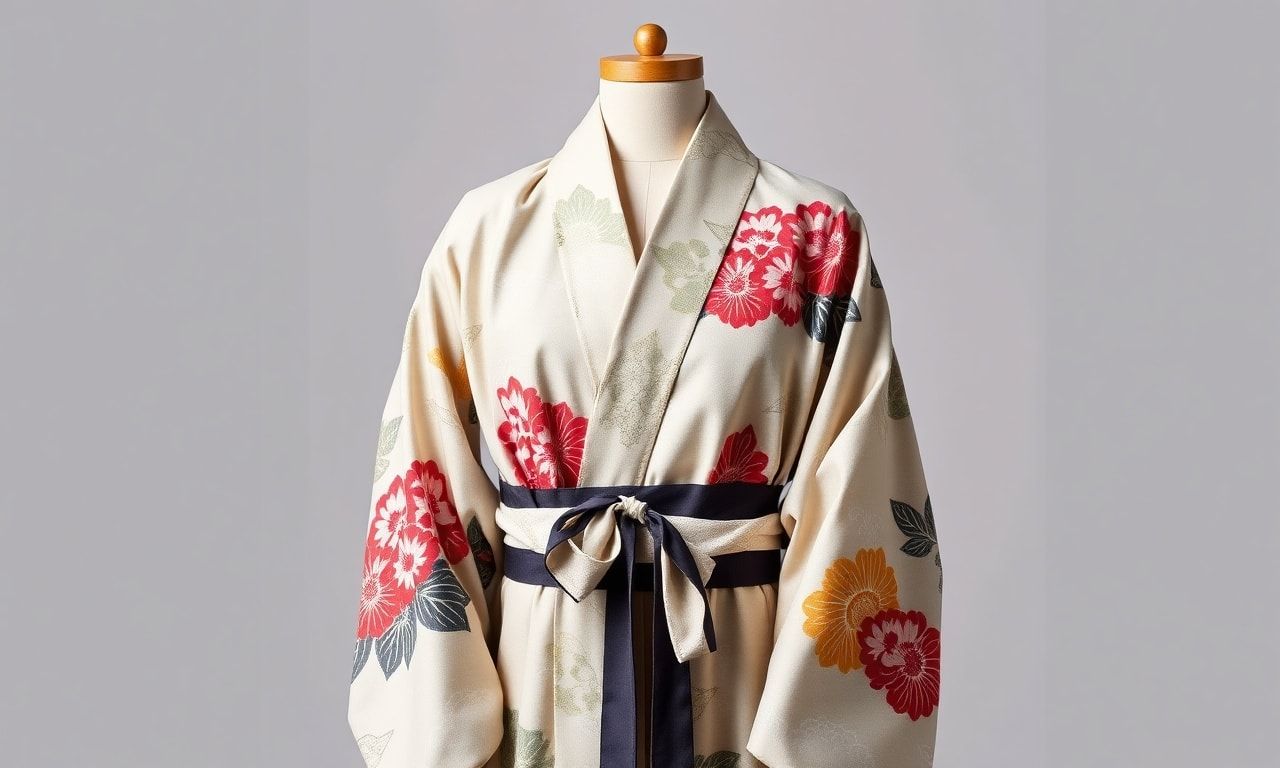
The Resurgence of Kimono in Modern Fashion
The kimono, a traditional Japanese garment, has seen a remarkable resurgence in the global fashion scene. Once considered a relic of the past, the kimono is now celebrated for its elegance, versatility, and cultural significance. Designers worldwide are incorporating kimono elements into their collections, blending traditional craftsmanship with contemporary styles. This fusion not only honors the rich history of the kimono but also introduces a new generation to its timeless beauty.
Understanding the Kimono: A Cultural Icon
The kimono is more than just a piece of clothing; it is a symbol of Japanese culture and heritage. Traditionally worn for formal occasions, the kimono is meticulously crafted using high-quality fabrics and intricate designs. Each kimono tells a story, reflecting the wearer’s personality, status, and the season. The art of wearing a kimono, known as ‘kimono dressing,’ involves layering, tying the obi (sash), and selecting the appropriate accessories. This process is a ritual that has been passed down through generations, preserving the cultural essence of the garment.
Kimono Styles and Variations
Kimonos come in various styles, each suited for different occasions and seasons. The most common types include:
- Furisode: Long-sleeved kimonos worn by young, unmarried women during special celebrations like Coming of Age Day.
- Tomesode: Formal kimonos with shorter sleeves, often worn by married women for weddings and other significant events.
- Yukata: Casual, lightweight kimonos made of cotton, perfect for summer festivals and casual wear.
- Mofuku: Black kimonos worn for funerals and mourning periods.
Each style has its unique characteristics, making the kimono a versatile choice for various events. Whether you’re attending a formal gathering or a casual outing, there’s a kimono that suits every occasion.
Kimono Accessories: Completing the Look
Accessories play a crucial role in completing the kimono ensemble. The obi, a wide sash tied around the waist, is the most iconic accessory. Different obi styles, such as the butterfly, drum, and tail, add a touch of elegance and personal flair. Other essential accessories include:
- Obiage: A decorative ribbon tied around the obi.
- Obi-jime: A braided cord that secures the obi in place.
- Kanzashi: Ornamental hairpins and combs that adorn the hair.
- Tabi: Traditional split-toe socks worn with zori (sandals).
These accessories not only enhance the aesthetic appeal of the kimono but also contribute to the overall cultural experience.
Kimono in Contemporary Fashion
The kimono’s influence extends beyond traditional wear. Modern designers are reinterpreting the kimono, incorporating its elements into Western fashion. From kimono-inspired dresses to jackets and accessories, the kimono’s impact is undeniable. Brands like Issey Miyake and Comme des Garçons have pioneered this fusion, creating pieces that are both stylish and culturally significant.
For those looking to incorporate kimono elements into their wardrobe, there are numerous options available. Websites like кращі ідеї для вечірок в києві offer a variety of kimono-inspired outfits and accessories, perfect for adding a touch of elegance to any ensemble. Whether you’re attending a formal event or a casual gathering, these pieces can help you achieve a sophisticated look that blends tradition with modernity.
Caring for Your Kimono
Owning a kimono is an investment in both fashion and culture. To ensure your kimono remains in pristine condition, proper care is essential. Here are some tips for maintaining your kimono:
- Storage: Store your kimono in a cool, dry place, away from direct sunlight. Use a breathable garment bag to protect it from dust and moisture.
- Cleaning: Professional dry cleaning is recommended for delicate kimonos. Avoid washing at home, as it can damage the fabric and dyes.
- Handling: Handle your kimono with care, especially when putting it on and taking it off. Avoid pulling or tugging on the fabric to prevent tears or stretching.
- Repairs: If your kimono requires repairs, seek the services of a professional who specializes in traditional Japanese garments.
By following these guidelines, you can preserve the beauty and integrity of your kimono for years to come.
Conclusion: Embracing the Kimono’s Timeless Appeal
The kimono is a testament to the enduring appeal of traditional fashion. Its elegance, versatility, and cultural significance make it a cherished garment in both Japan and the global fashion scene. Whether you’re a fashion enthusiast or a cultural connoisseur, the kimono offers a unique way to express your style while honoring a rich heritage. As the fashion world continues to evolve, the kimono remains a timeless symbol of beauty and tradition, inspiring future generations to embrace its artistry.
Elevate your work-from-home fashion game with our latest guide on designing a chic home office, perfect for style-savvy entrepreneurs.
Dive into a world where style meets entertainment with our latest feature, exploring cinema and music trends, and discover how these cultural phenomena influence fashion and beauty.
Discover how to infuse your personal style into your living spaces with our latest feature, fashion meets interior design, where we explore the exciting crossover of these two creative worlds.