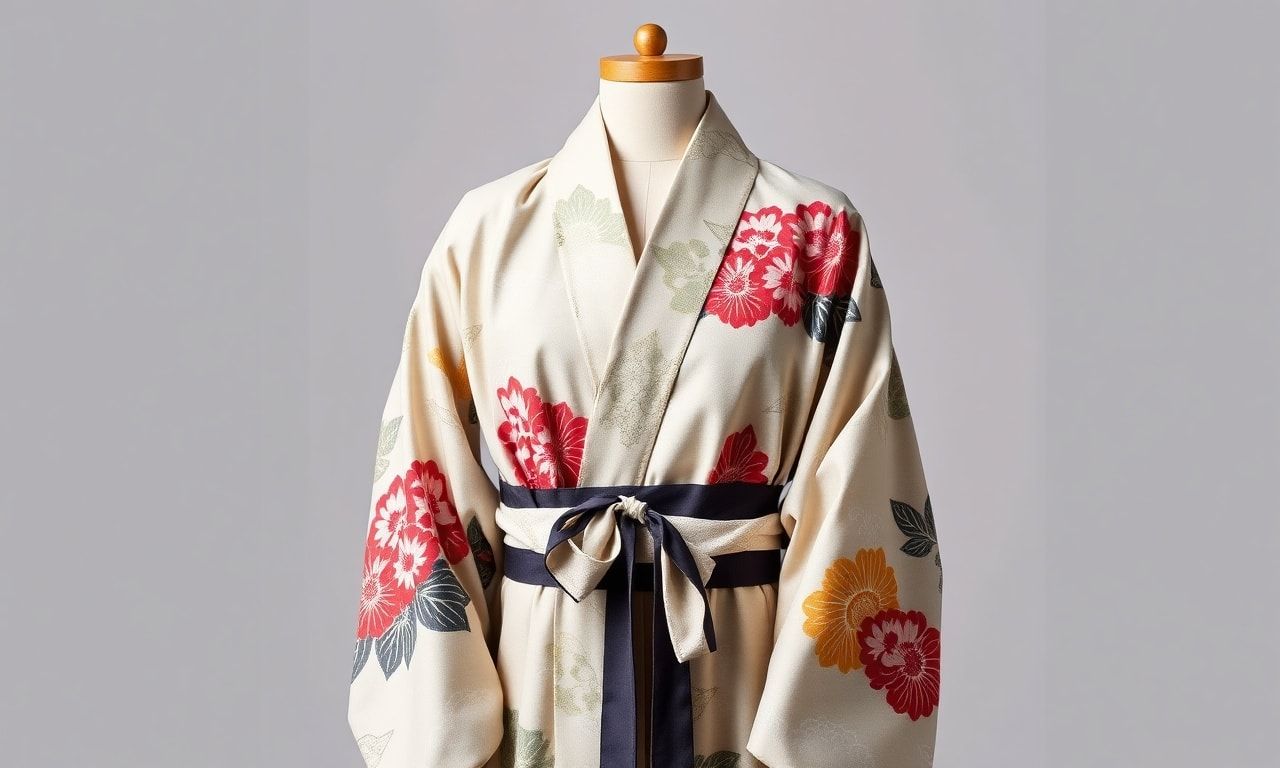
The Kimono: A Cultural Icon
The kimono, a traditional Japanese garment, has transcended its cultural origins to become a global symbol of elegance and sophistication. Its intricate designs and meticulous craftsmanship make it a timeless piece that continues to inspire modern fashion trends. The kimono’s journey from a cultural artifact to a fashion statement is a testament to its enduring appeal.
Historical Significance
The kimono has been a staple in Japanese fashion for centuries, evolving through various dynasties and social changes. Originally worn by both men and women, the kimono’s design and fabric reflected the wearer’s social status and the season. The Meiji Restoration in the 19th century brought significant changes, as Western clothing became more prevalent. However, the kimono remained a cherished garment, especially for formal occasions and traditional ceremonies.
Modern Adaptations
In contemporary fashion, the kimono has been reimagined in various forms. Designers have incorporated kimono elements into modern clothing, creating fusion pieces that blend traditional aesthetics with contemporary styles. The kimono’s influence can be seen in everything from high fashion to streetwear, showcasing its versatility and adaptability.
Styling Tips for the Modern Kimono
Incorporating a kimono into your wardrobe can add a touch of elegance and cultural richness to your outfits. Here are some styling tips to help you make the most of this timeless garment:
1. Layering with Western Clothing
One of the easiest ways to style a kimono is to layer it over modern Western clothing. Pair a lightweight kimono with a simple t-shirt and jeans for a casual yet chic look. The kimono can also be worn as a stylish cover-up over a swimsuit or as a lightweight jacket for cooler evenings.
2. Accessorizing
Accessories play a crucial role in completing a kimono-inspired look. Traditional Japanese accessories like obi belts, geta sandals, and hair ornaments can enhance the authenticity of your outfit. For a more modern twist, pair your kimono with contemporary accessories such as statement necklaces, stacked bracelets, or a trendy handbag.
3. Color Coordination
When selecting a kimono, consider the color palette of your existing wardrobe. Neutral-colored kimonos can be easily paired with a variety of outfits, while bold and vibrant kimonos can make a statement on their own. Experiment with different color combinations to find the perfect balance between tradition and modernity.
Cultural Sensitivity and Appropriation
While the kimono is a beautiful and versatile garment, it is essential to approach its use with cultural sensitivity. Understanding the historical and cultural significance of the kimono can help prevent appropriation and ensure that it is worn with respect. For those interested in learning more about traditional Japanese fashion, resources like Kodin korjausvinkit Espoossa tänään can provide valuable insights into cultural preservation and appreciation.
Conclusion
The kimono’s enduring appeal lies in its ability to bridge the gap between tradition and modernity. Whether worn as a traditional garment or incorporated into contemporary fashion, the kimono continues to captivate and inspire. By embracing the kimono with respect and creativity, we can celebrate its rich cultural heritage while enjoying its timeless elegance.