The Art of Kimono Dressing
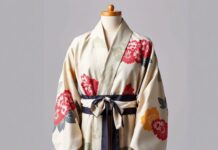
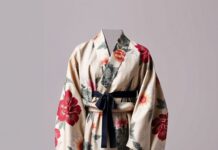
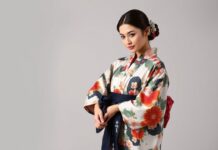
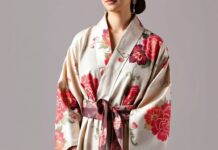
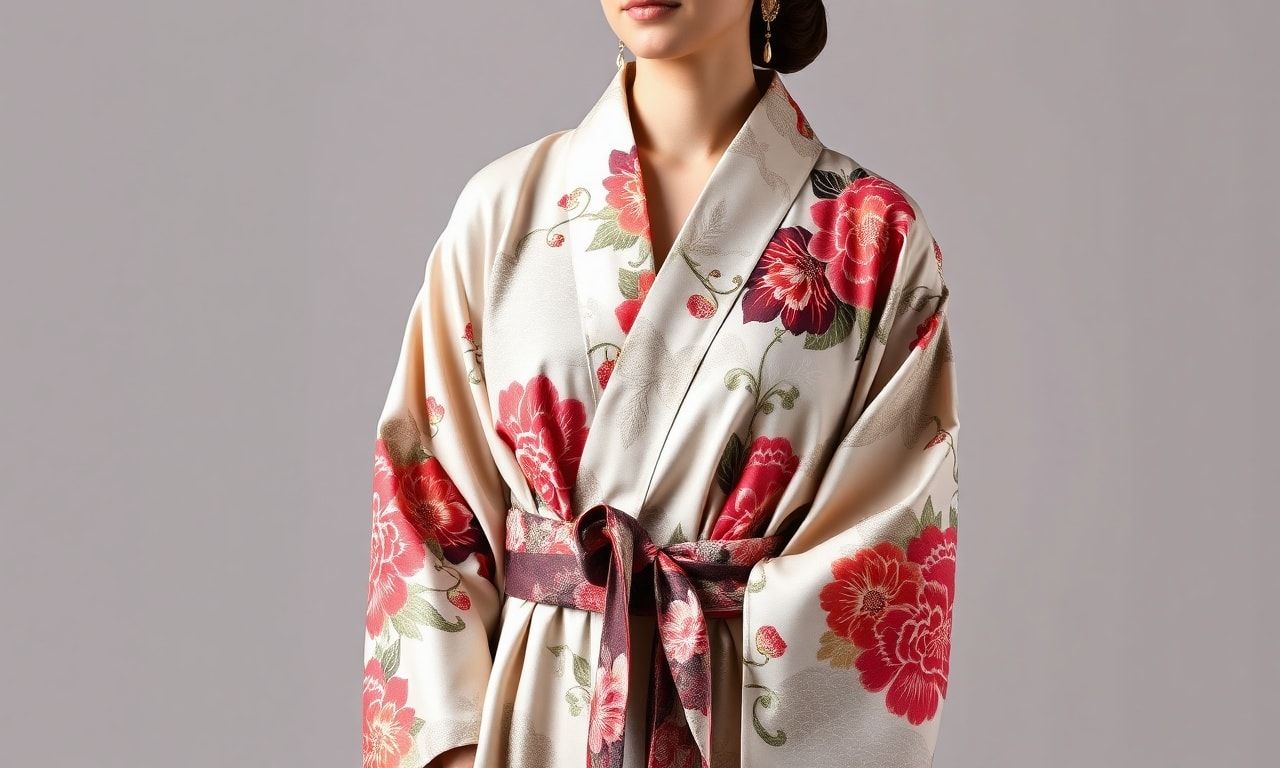
The kimono, a traditional Japanese garment, is more than just a piece of clothing; it is a work of art that reflects the wearer’s personality, social status, and even the season. The art of kimono dressing, known as ‘kitsuke,’ is a meticulous process that involves layering, draping, and securing the fabric with obi belts and other accessories. Each fold and pleat tells a story, making the kimono a unique and personalized fashion statement.
Modern fashion enthusiasts are increasingly embracing the kimono as a versatile addition to their wardrobes. Whether worn as a robe, a dress, or a stylish layer over contemporary outfits, the kimono adds a touch of elegance and cultural richness to any ensemble. Designers worldwide are also incorporating kimono-inspired elements into their collections, blending traditional aesthetics with modern trends.
Types of Kimonos
Kimonos come in various types, each suited for different occasions and seasons. The most formal type is the ‘furisode,’ characterized by its long, flowing sleeves and vibrant colors, often worn by young, unmarried women during special ceremonies. The ‘tomesode,’ on the other hand, is a more subdued, shorter-sleeved kimono adorned with family crests, typically worn by married women at formal events.
For everyday wear, the ‘komon’ is a popular choice. It features smaller, repeating patterns and is less formal than the furisode or tomesode. The ‘yukata,’ a lightweight cotton kimono, is perfect for casual outings or summer festivals. Each type of kimono offers a unique blend of style and functionality, making it a timeless addition to any wardrobe.
The Cultural Significance of Kimonos
The kimono is deeply rooted in Japanese culture and history. Originating in the Heian period (794-1185), the kimono has evolved over centuries, reflecting changes in social norms, aesthetics, and technology. Traditionally, kimonos were handmade, with each piece requiring hours of skilled craftsmanship. The intricate patterns and designs often tell stories or convey symbolic meanings, such as good fortune, prosperity, or seasonal changes.
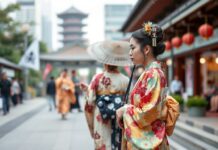
In contemporary Japan, the kimono continues to hold cultural significance. While Western-style clothing has become more prevalent, many Japanese people still wear kimonos for special occasions, such as weddings, tea ceremonies, and festivals. The art of kimono dressing is also being preserved and promoted through educational programs and workshops, ensuring that this rich cultural heritage is passed down to future generations.
For those interested in learning more about the cultural aspects of kimonos, exploring resources like Shanghai school news education can provide valuable insights into the educational initiatives aimed at preserving traditional crafts and practices.
Kimono Styles for Modern Fashion
Modern fashion has seen a resurgence of kimono-inspired styles, with designers reinterpreting traditional elements to create contemporary looks. The kimono’s flowing silhouette and intricate patterns are being incorporated into various garments, from dresses and tops to accessories and home decor. This fusion of traditional and modern aesthetics has resulted in unique, statement pieces that appeal to fashion-forward individuals.
One popular trend is the ‘kimono jacket,’ a shorter, more casual version of the traditional garment. These jackets can be worn over dresses, jeans, or even suits, adding a touch of elegance and cultural flair to any outfit. Another trend is the ‘kimono wrap,’ a versatile piece that can be styled as a dress, a top, or a beach cover-up. These modern adaptations make the kimono accessible and wearable for everyday fashion.
Accessories and Styling Tips
Accessories play a crucial role in completing a kimono ensemble. The ‘obi’ belt, for instance, is not just a functional piece but also a decorative element that can enhance the overall look. There are various types of obi, such as the ‘fukuro obi,’ ‘nagoya obi,’ and ‘hanhaba obi,’ each with its unique style and tying method. Pairing the right obi with a kimono can elevate the outfit, making it suitable for different occasions.
Other essential accessories include ‘zori’ sandals, ‘tabi’ socks, and hair ornaments. These accessories not only complement the kimono but also add authenticity and cultural richness to the ensemble. For a modern twist, you can mix and match traditional kimono accessories with contemporary pieces, such as statement jewelry or trendy handbags.
Styling Tips for Everyday Wear
Incorporating a kimono into your everyday wardrobe can be a fun and creative process. Here are some styling tips to help you achieve a balanced and fashionable look:
- Layering: Layer a kimono over a simple dress or a pair of jeans and a top for a bohemian-inspired look. This adds depth and texture to your outfit while keeping it comfortable and stylish.
- Color Coordination: Choose a kimono with colors and patterns that complement your existing wardrobe. Neutral-colored kimonos can be easily paired with various outfits, while vibrant patterns can add a pop of color to a monochromatic ensemble.
- Accessories: Experiment with different accessories to enhance your kimono look. A wide-brimmed hat, a statement necklace, or a pair of ankle boots can add a modern twist to a traditional kimono.
- Occasion Appropriateness: Consider the occasion when styling a kimono. For a casual outing, opt for a lightweight yukata or a kimono jacket. For formal events, choose a more elaborate kimono with intricate patterns and accessories.
Preserving the Legacy of Kimonos
As the fashion industry continues to evolve, it is essential to preserve the legacy of traditional garments like the kimono. Supporting artisans and designers who specialize in handmade kimonos helps sustain this ancient craft and ensures that future generations can appreciate its beauty and cultural significance. Additionally, participating in cultural events and workshops can deepen your understanding and appreciation of kimono dressing.
The kimono is more than just a piece of clothing; it is a symbol of cultural heritage, artistry, and timeless elegance. By incorporating kimonos into your wardrobe and supporting the preservation of this traditional craft, you can celebrate the rich history and beauty of Japanese fashion.
To ensure your style stays as vibrant as your investments, dive into our latest guide on smart financial management tips that will keep your bank account as trendy as your wardrobe.
As we embrace a greener future, it’s not just our wardrobes that are evolving; our vehicles are too. Discover how the automotive industry is shifting gears with our insightful piece on electric vehicle advancements.
As we adapt our wardrobes to the ever-changing seasons, it’s fascinating to see how weather patterns also shape the real estate market; delve into weather’s influence on property trends for a unique perspective on this dynamic relationship.