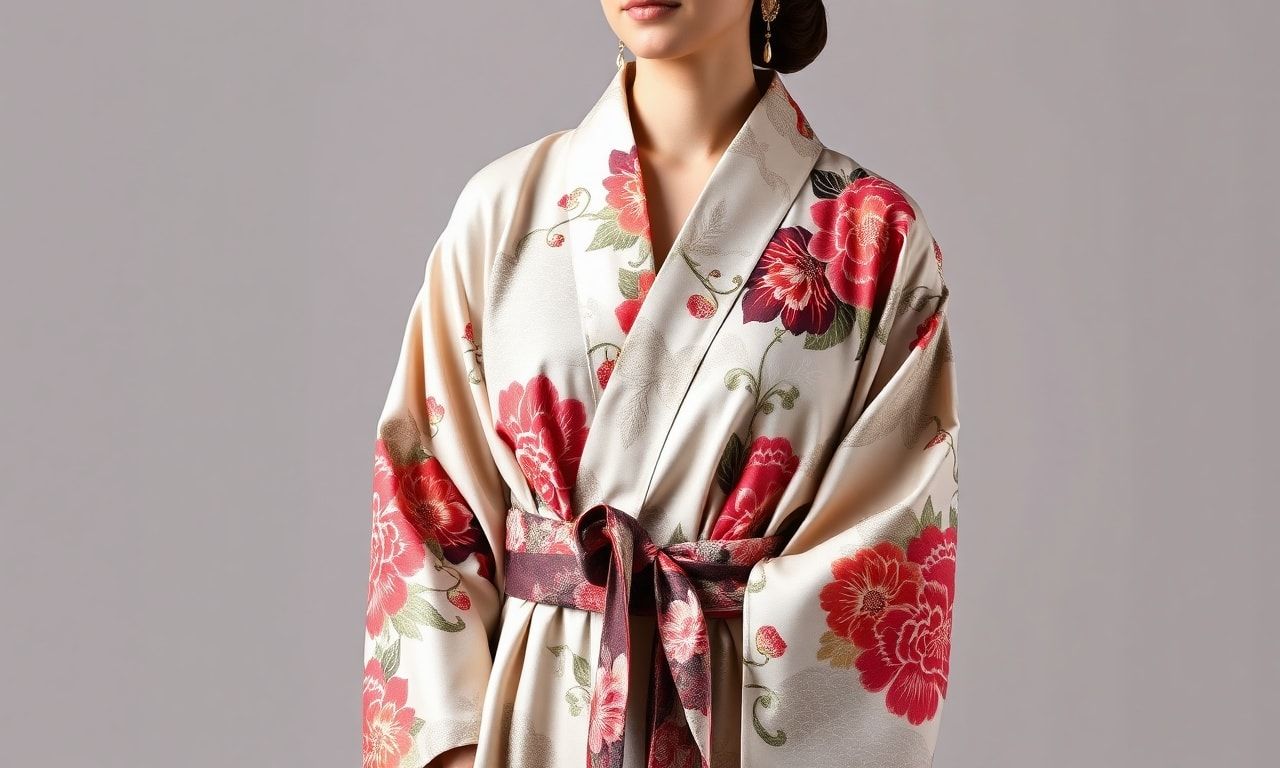
The Evolution of Kimonos
The kimono, a traditional Japanese garment, has evolved significantly over the centuries, reflecting the cultural and social changes of Japan. Originally worn by all classes, the kimono has transformed into a symbol of elegance and sophistication. The word ‘kimono’ literally translates to ‘thing to wear,’ and it has been a staple in Japanese fashion for over a thousand years. From the elaborate kimonos worn by the aristocracy to the simpler versions used by commoners, the kimono’s design and fabric have always been a reflection of the wearer’s status and occasion.
The Influence of Kimonos on Modern Fashion
The influence of kimonos on modern fashion is undeniable. Designers worldwide have drawn inspiration from the kimono’s intricate patterns, vibrant colors, and elegant draping. The kimono’s impact can be seen in various contemporary fashion trends, from the use of obi belts in high-fashion designs to the incorporation of kimono sleeves in modern dresses. The kimono’s timeless appeal lies in its versatility, making it a favorite among fashion enthusiasts and designers alike. Whether it’s a casual kimono-inspired jacket or an elaborate evening gown, the kimono’s influence continues to shape the fashion landscape.
Kimono Styles and Variations
Kimonos come in various styles and variations, each with its unique characteristics and significance. Some of the most popular types include:
- Furisode: Worn by unmarried women, the furisode features long, flowing sleeves and is often adorned with vibrant patterns and colors.
- Tomesode: This formal kimono is worn by married women and features shorter sleeves with intricate designs on the lower half.
- Yukata: A casual summer kimono made of lightweight cotton, perfect for festivals and casual wear.
- Mofuku: A formal kimono worn for mourning, characterized by its subdued colors and simple designs.
Each type of kimono is carefully crafted to suit different occasions and wearers, showcasing the rich cultural heritage and attention to detail that define this traditional garment.
Kimono Accessories: Completing the Look
No kimono outfit is complete without the right accessories. The obi, a wide belt, is an essential component that not only secures the kimono but also adds a touch of elegance. Other accessories include:
- Obiage: A decorative sash tied around the obi, adding a pop of color and texture.
- Obi-jime: A cord used to tie the obi in place, often made of silk or other luxurious materials.
- Zori: Traditional Japanese sandals that complement the kimono’s aesthetic.
- Kanzashi: Ornamental hairpins and accessories that add a touch of sophistication to the overall look.
These accessories play a crucial role in enhancing the kimono’s beauty and ensuring a polished, cohesive look.
Kimono in Contemporary Culture
In today’s fast-paced world, staying updated with the latest trends and news is essential. For those who appreciate the blend of tradition and modernity, the kimono offers a unique fashion statement. Whether you’re looking for breaking news updates today or seeking inspiration for your next outfit, the kimono’s timeless appeal continues to captivate fashion lovers worldwide. The kimono’s influence can be seen in various aspects of contemporary culture, from high-fashion runways to everyday street style. Its versatility and elegance make it a beloved choice for those who seek to blend tradition with modern aesthetics.
Caring for Your Kimono
Proper care is essential to maintain the beauty and longevity of your kimono. Here are some tips to keep your kimono in pristine condition:
- Storage: Store your kimono in a cool, dry place, preferably in a breathable garment bag to protect it from dust and moisture.
- Cleaning: Hand-washing is recommended for delicate kimonos, using mild detergent and lukewarm water. Avoid wringing or twisting the fabric to prevent damage.
- Ironing: Use a low-heat iron and a pressing cloth to avoid scorching the fabric. Steam ironing can also help remove wrinkles effectively.
- Moth Protection: Use cedar balls or lavender sachets to repel moths and keep your kimono fresh.
By following these care tips, you can ensure that your kimono remains a cherished piece in your wardrobe for years to come.
Conclusion
The kimono’s timeless elegance and cultural significance make it a beloved garment that transcends generations. Whether you’re a fashion enthusiast or a cultural connoisseur, the kimono offers a unique blend of tradition and modernity. Its influence on contemporary fashion and its rich history continue to inspire and captivate people worldwide. Embrace the beauty of the kimono and let it be a statement piece in your wardrobe, reflecting your appreciation for timeless elegance and cultural heritage.