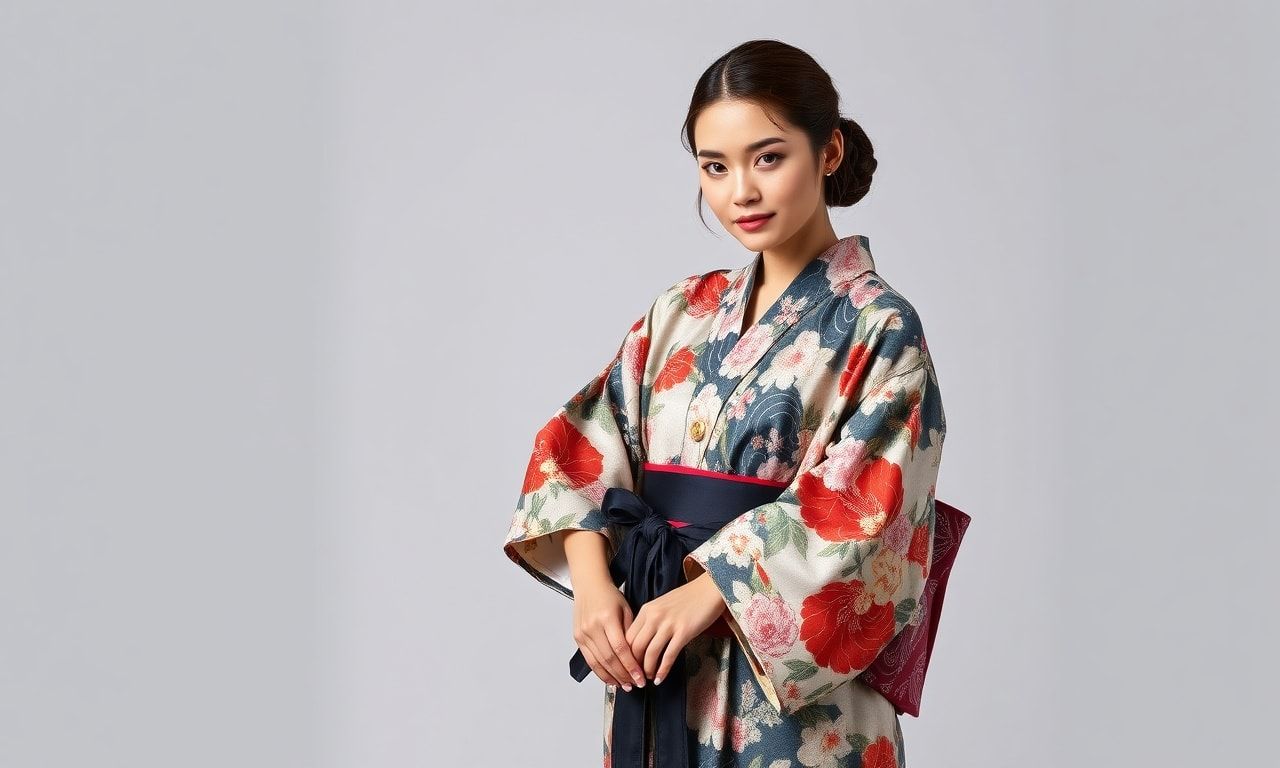
The Art of Kimono: A Cultural Icon
The kimono, a traditional Japanese garment, has transcended its cultural roots to become a global symbol of elegance and sophistication. Originating in the Heian period (794-1185), the kimono has evolved through the centuries, reflecting the aesthetic sensibilities and social norms of each era. Today, it stands as a testament to Japan’s rich heritage and continues to inspire contemporary fashion trends worldwide.
The Kimono’s Journey Through Time
The kimono’s design and style have undergone significant transformations. Initially, it was a simple T-shaped robe worn by the aristocracy. By the Edo period (1603-1868), the kimono became more accessible to the common people, and its design became more elaborate. The Meiji Restoration (1868-1912) brought Western influences, leading to the creation of the modern kimono. Despite these changes, the kimono has retained its essence, characterized by its straight-cut, T-shaped body and square sleeves.
Kimono in Contemporary Fashion
In recent years, the kimono has experienced a resurgence in the fashion world. Designers are increasingly incorporating kimono elements into their collections, blending traditional aesthetics with modern silhouettes. This fusion has given rise to a new wave of fashion that celebrates cultural diversity and historical heritage. From high-end couture to street style, the kimono’s influence is undeniable.
One notable example is the work of designers like Issey Miyake and Yohji Yamamoto, who have successfully integrated kimono-inspired designs into their collections. These designers have managed to capture the essence of the kimono while making it relevant to contemporary fashion. Their creations often feature asymmetrical cuts, layered fabrics, and bold prints, all of which pay homage to the kimono’s traditional roots.
The Kimono’s Impact on Western Fashion
The kimono’s impact on Western fashion is evident in various ways. For instance, the kimono’s obi (sash) has inspired the design of modern belts and waistbands. Similarly, the kimono’s intricate patterns and vibrant colors have influenced the use of prints and textiles in Western clothing. This cross-cultural exchange has enriched the global fashion landscape, fostering a greater appreciation for diverse cultural traditions.
Moreover, the kimono has become a popular choice for special occasions, such as weddings and formal events. Its elegant draping and luxurious fabrics make it a stunning alternative to traditional Western attire. Many brides, for example, are opting for kimono-inspired wedding dresses, which offer a unique and culturally rich alternative to conventional gowns.
Styling Tips for Incorporating Kimono Elements
For those looking to incorporate kimono elements into their wardrobe, there are several styling tips to keep in mind. First, consider the fabric. Traditional kimonos are made from high-quality materials like silk, which adds a touch of luxury to any outfit. When choosing a kimono-inspired piece, opt for fabrics that are lightweight and breathable, such as chiffon or georgette.
Next, pay attention to the color palette. Kimonos are known for their vibrant and bold colors, which can add a pop of color to any outfit. When selecting a kimono-inspired piece, choose colors that complement your skin tone and personal style. For a more subtle look, opt for pastel shades, while for a bolder statement, go for rich, jewel tones.
Accessories and Layering
Accessories play a crucial role in completing a kimono-inspired look. Traditional kimonos are often accessorized with obi sashes, which can be worn as belts or waistbands. Additionally, consider incorporating Japanese-inspired jewelry, such as hairpins or brooches, to add a touch of authenticity to your outfit.
Layering is another key aspect of styling kimono-inspired pieces. For a chic and sophisticated look, layer a kimono-inspired jacket over a simple dress or pair of jeans and a top. This not only adds depth to your outfit but also creates a unique and stylish ensemble. For a more casual look, layer a kimono-inspired blouse over a T-shirt and pair it with jeans or shorts.
The Future of Kimono Fashion
The future of kimono fashion looks promising, with designers continuing to explore new ways to integrate traditional elements into modern designs. As the world becomes increasingly interconnected, the exchange of cultural ideas and influences will only grow, leading to even more innovative and exciting fashion trends.
Additionally, the rise of sustainable fashion has led to a renewed interest in traditional garments like the kimono. As consumers become more conscious of the environmental impact of their purchases, they are turning to sustainable and ethically produced clothing. The kimono, with its timeless design and high-quality materials, aligns perfectly with this trend. For the latest updates on sustainable fashion and regional developments, check out lokale Nachrichten Region Entwicklungen.
In conclusion, the kimono’s journey from a traditional Japanese garment to a global fashion icon is a testament to its enduring appeal. Its timeless elegance and rich cultural heritage continue to inspire designers and fashion enthusiasts alike. As we look to the future, the kimono’s influence on fashion is sure to grow, bridging cultural divides and fostering a greater appreciation for diverse traditions.
As you strive to keep your wardrobe fresh and on-trend, explore the latest fashion trends and tips to elevate your style game effortlessly.
If you’re eager to understand the transformation of urban fashion, dive into streetwear’s remarkable journey and discover how it reshaped the industry.
Ever wondered how business news influences your wardrobe? Discover the fascinating connection in fashion trends shaped by industry, a must-read for style enthusiasts.