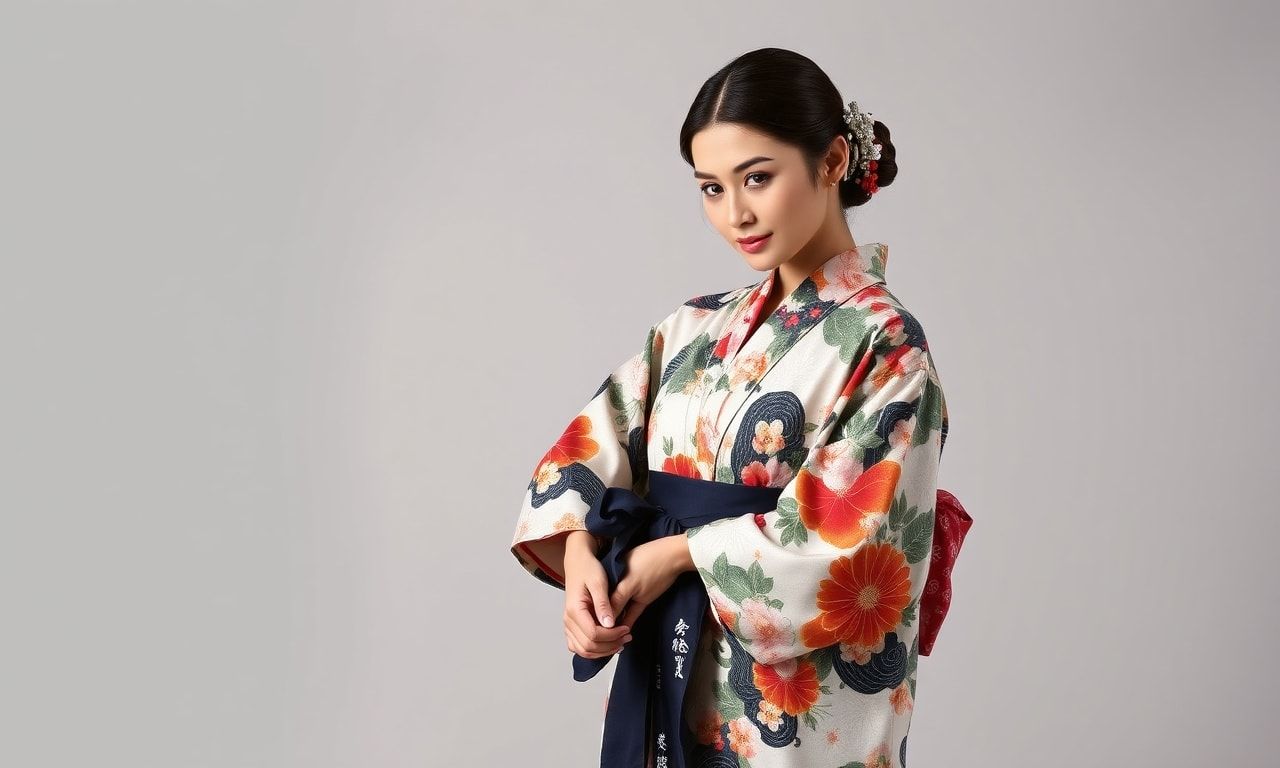
The History and Evolution of Kimono
\nThe kimono, a traditional Japanese garment, has a rich history that dates back to the Heian period (794-1185). Originally worn by both men and women, the kimono has evolved over centuries, reflecting the cultural and social changes in Japan. The term 'kimono' literally translates to 'thing to wear,' and it has indeed become a symbol of Japanese heritage and elegance.
\nInitially, kimonos were straightforward in design, featuring straight lines and minimal embellishments. Over time, the kimono became more elaborate, with intricate patterns, vibrant colors, and luxurious fabrics. The Edo period (1603-1868) saw the rise of the kimono as a fashion statement, with different styles and designs emerging to signify social status and personal taste.
\nFor a deeper dive into fashion history and trends, check out these popular articles recommended reading that explore the intersection of culture and style.
\nThe Art of Wearing a Kimono
\nWearing a kimono is an art form that requires precision and patience. The process involves several layers of clothing, each with its own significance. The undergarment, known as the hadajuban, is worn closest to the skin, followed by the nagajuban, a slip that helps the kimono glide smoothly. The kimono itself is then draped over these layers, with careful attention to the folds and drapes.
\nThe obi, a wide sash, is tied around the waist to secure the kimono in place. There are various styles of obi, each suitable for different occasions. The most formal obi, the maru obi, is worn with formal kimonos and is often adorned with intricate embroidery and family crests. The fukuro obi and the nagoya obi are less formal and are commonly worn for everyday occasions.
\nAccessories and Adornments
\nAccessories play a crucial role in completing the kimono ensemble. Traditional accessories include the zori, a type of sandal, and the tabi, split-toe socks that complement the zori. Hair accessories, such as kanzashi, are used to adorn the hair, adding a touch of elegance and sophistication.
\nJewelry is also an essential part of the kimono attire. Delicate hairpins, brooches, and necklaces are often worn to enhance the overall look. The choice of accessories depends on the occasion and the wearer's personal style.
\nThe Kimono in Modern Fashion
\nThe kimono has transcended its traditional roots and has found its way into modern fashion. Designers worldwide have drawn inspiration from the kimono's elegant lines and intricate patterns, incorporating them into contemporary designs. The kimono-inspired fashion trend has gained popularity, with many designers creating modern interpretations of the traditional garment.
\nOne of the most notable examples is the kimono-inspired dress, which features the same draping and folding techniques as the traditional kimono. These dresses are often made from luxurious fabrics and are adorned with intricate embroidery and beading. The kimono-inspired fashion trend has also extended to accessories, with designers creating modern versions of traditional kimono accessories.
\nKimono Fest: Celebrating the Art of Kimono
\nKimono Fest is an annual event that celebrates the art of kimono and its cultural significance. The event brings together kimono enthusiasts, designers, and cultural experts to share their knowledge and passion for the traditional garment. Kimono Fest features a variety of activities, including kimono dressing workshops, cultural performances, and fashion shows.
\nThe event provides a platform for people to learn about the history and evolution of the kimono, as well as its role in modern fashion. Kimono Fest is a testament to the enduring appeal of the kimono and its ability to transcend cultural boundaries.
\nThe Future of Kimono Fashion
\nThe future of kimono fashion looks promising, with designers continuing to innovate and experiment with the traditional garment. The kimono's timeless elegance and versatility make it a popular choice for fashion enthusiasts worldwide. As the world becomes more interconnected, the kimono is likely to gain even more popularity, with designers drawing inspiration from different cultures and traditions.
\nThe kimono's enduring appeal lies in its ability to adapt to changing fashion trends while retaining its cultural significance. As the world continues to evolve, the kimono will undoubtedly remain a symbol of elegance and sophistication, inspiring future generations of fashion enthusiasts.