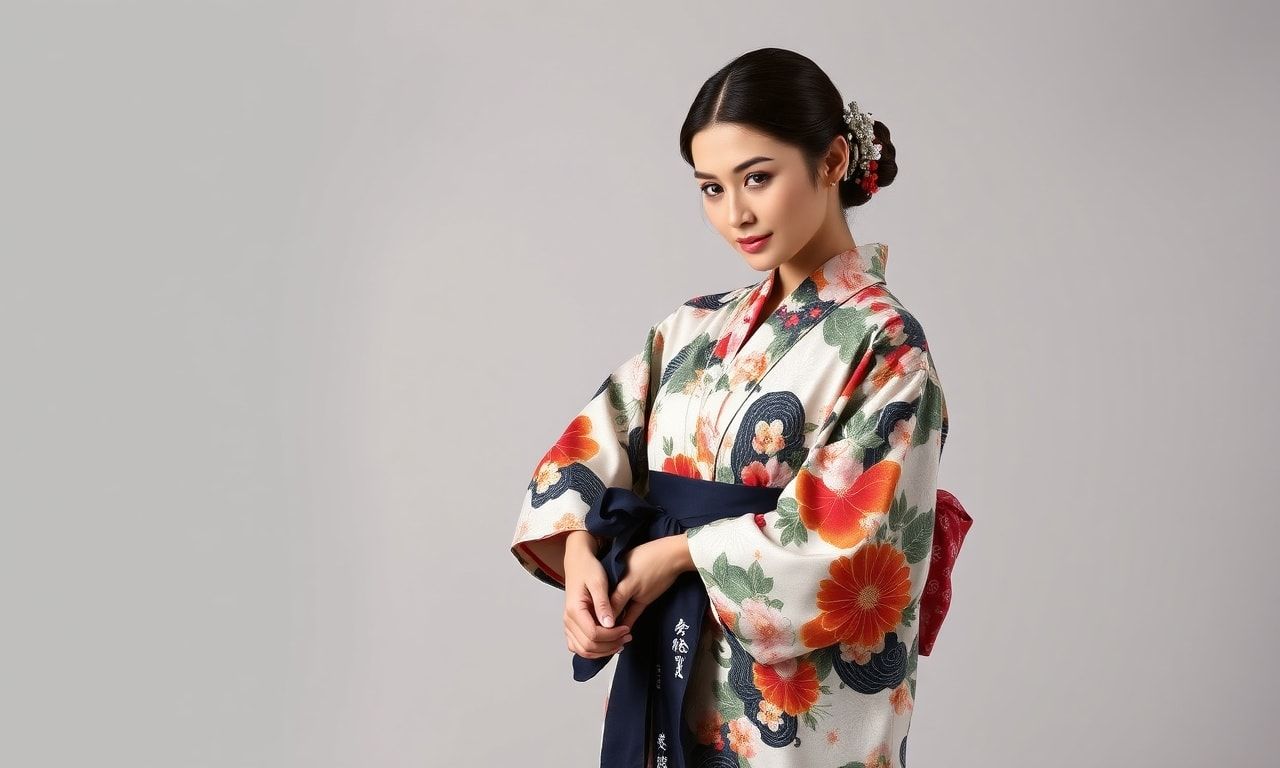
The Kimono: A Cultural Icon
The kimono, a traditional Japanese garment, has transcended its cultural origins to become a global symbol of elegance and sophistication. With its intricate designs and rich history, the kimono offers a unique blend of artistry and functionality. This article delves into the world of kimonos, exploring their significance, styling tips, and how they continue to influence modern fashion.
The History and Significance of Kimonos
The kimono, which translates to ‘thing to wear,’ has been a staple in Japanese fashion for centuries. Originating in the Heian period (794-1185), the kimono evolved from simple, straight-lined robes to the elaborate, colorful garments we know today. Historically, kimonos were worn by both men and women, with distinct styles and patterns indicating social status, age, and marital status.
Beyond its aesthetic appeal, the kimono holds deep cultural significance. It is often worn during important life events such as weddings, tea ceremonies, and coming-of-age celebrations. The craftsmanship involved in creating a kimono is meticulous, with each piece often taking weeks or even months to complete. The fabric, dyeing techniques, and embroidery all contribute to the kimono’s unique charm.
Styling Kimonos: Tips and Trends
Incorporating a kimono into your wardrobe can add a touch of elegance and versatility to your outfits. Whether you opt for a traditional silk kimono or a modern, lightweight version, there are numerous ways to style this timeless piece. Here are some tips to help you make the most of your kimono:
- Layering: Kimonos can be layered over dresses, blouses, or even casual t-shirts for a bohemian chic look. Pairing a kimono with a simple outfit can instantly elevate your style.
- Accessories: Complete your kimono look with traditional accessories such as an obi (sash), zori (sandals), and hair ornaments. For a modern twist, you can also pair your kimono with contemporary accessories like statement necklaces or bold earrings.
- Color Coordination: Choose a kimono that complements your existing wardrobe. Neutral-colored kimonos can be easily paired with various outfits, while bold, patterned kimonos can serve as statement pieces.
Kimono Fest: Celebrating the Art of Kimono Dressing
For those looking to explore the world of kimonos further, events like Kimono Fest offer a unique opportunity to learn about the art of kimono dressing. These events often feature workshops, fashion shows, and cultural performances that showcase the beauty and versatility of kimonos. Attending such events can provide valuable insights into the craftsmanship and cultural significance of kimonos.
If you’re planning a trip to Madrid, be sure to check out local fashion events and workshops that focus on traditional Japanese attire. Websites like reseñas productos guía recomendación can provide valuable information on the best places to experience the art of kimono dressing in the city.
Modern Kimono Fashion: A Contemporary Twist
The kimono’s influence extends beyond traditional fashion. Designers worldwide have reimagined the kimono, incorporating its elements into modern clothing. From kimono-inspired dresses to jackets and accessories, the kimono’s legacy continues to inspire contemporary fashion.
One notable trend is the fusion of traditional kimono patterns with modern silhouettes. Designers are experimenting with bold prints, vibrant colors, and innovative fabrics to create unique, eye-catching pieces. This blend of tradition and modernity ensures that the kimono remains relevant in today’s fashion landscape.
Caring for Your Kimono
To preserve the beauty and longevity of your kimono, proper care is essential. Here are some tips to keep your kimono in pristine condition:
- Storage: Store your kimono in a cool, dry place, preferably in a breathable garment bag. Avoid exposing it to direct sunlight or humidity, as this can cause fading and damage.
- Cleaning: Hand washing is recommended for delicate kimonos. Use a mild detergent and avoid harsh chemicals. For heavily soiled kimonos, consider professional dry cleaning.
- Handling: Handle your kimono with care, especially when wearing or removing it. Avoid pulling or tugging on the fabric to prevent tears or damage.
Conclusion
The kimono is more than just a piece of clothing; it is a symbol of cultural heritage and timeless elegance. Whether you’re a fashion enthusiast or a cultural connoisseur, incorporating a kimono into your wardrobe can add a touch of sophistication and uniqueness to your style. By understanding its history, exploring different styling options, and learning how to care for your kimono, you can fully appreciate the artistry and beauty of this traditional garment.
Dive into the vibrant world of global style by exploring fashion’s cultural tapestry, where trends and traditions beautifully intertwine.
Discover the enchanting fusion of tradition and modernity in kimono fashion trends, a captivating blend that’s redefining contemporary style.
As the seasons change, so do the trends, and this spring is no exception; discover the freshest styles with our guide to 2024’s must-have fashion looks.