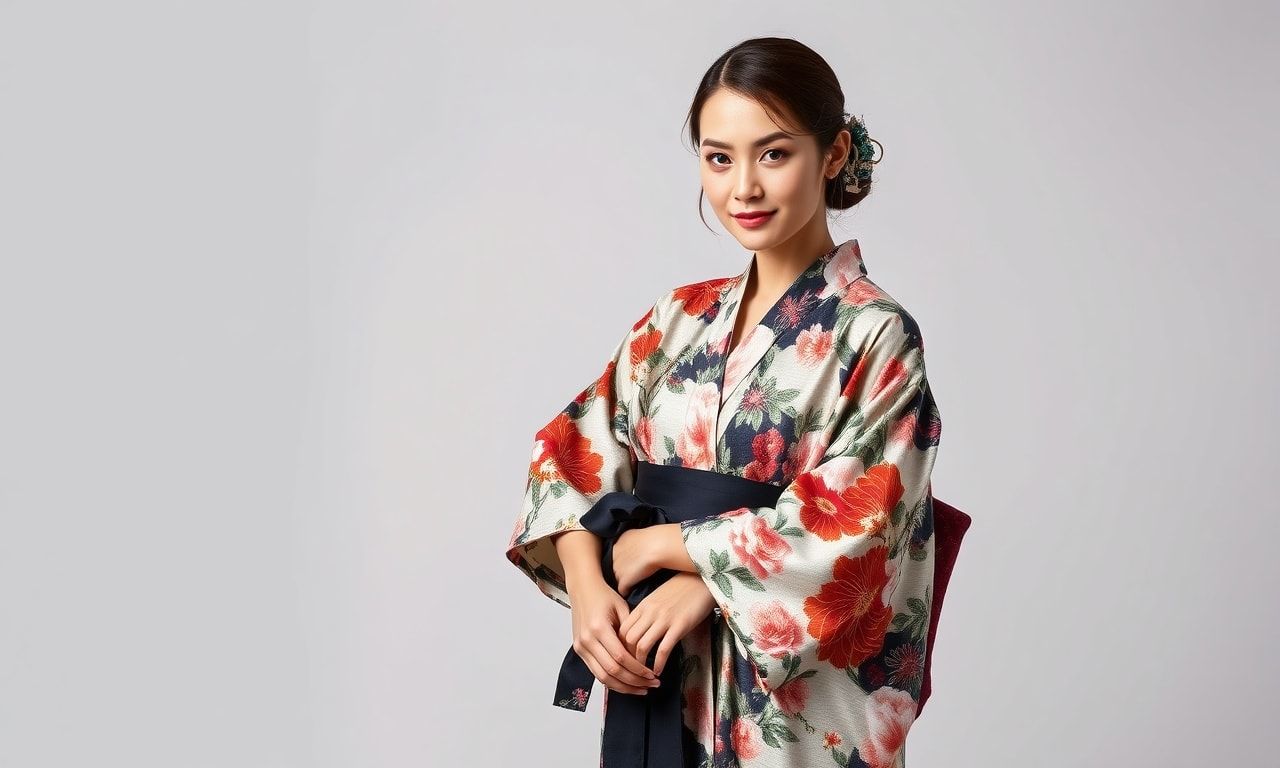
The Art of Kimono: More Than Just a Garment
The kimono, a traditional Japanese garment, is more than just a piece of clothing; it is a work of art that embodies the essence of Japanese culture and aesthetics. The word ‘kimono’ translates to ‘thing to wear,’ but its significance goes far beyond its literal meaning. Each kimono is a canvas that tells a story through its intricate designs, vibrant colors, and meticulous craftsmanship. Understanding the art of kimono involves delving into its history, the symbolism behind its patterns, and the cultural nuances that make it a timeless fashion statement.
The History and Evolution of Kimono
The kimono has a rich history that dates back to the Heian period (794-1185). Initially, it was worn by both men and women, but over time, it evolved into a garment predominantly associated with women. The kimono’s design has undergone significant changes, reflecting the socio-political and cultural shifts in Japan. For instance, the Edo period (1603-1868) saw the rise of the ‘furisode,’ a kimono with long sleeves worn by young, unmarried women. The Meiji Restoration (1868-1912) introduced Western influences, leading to the creation of the ‘meiji kimono,’ which combined traditional elements with modern aesthetics.
Today, the kimono is not just a piece of traditional attire but a symbol of Japanese heritage and identity. It has transcended borders, influencing fashion trends worldwide. The kimono’s versatility and adaptability have made it a favorite among fashion enthusiasts and designers alike. From high-end fashion runways to everyday street style, the kimono continues to inspire and captivate.
The Symbolism and Patterns of Kimono
Every kimono is a tapestry of symbols and patterns, each with its own meaning and significance. The designs often depict nature, such as flowers, birds, and landscapes, which are believed to bring good fortune and prosperity. For example, the cherry blossom (sakura) symbolizes the fleeting nature of life, while the crane represents longevity and good luck. The colors used in kimono also carry symbolic meanings; red signifies celebration and joy, while black is associated with formality and elegance.
Understanding the symbolism behind kimono patterns and colors can enhance one’s appreciation of this traditional garment. It is not just about wearing a beautiful piece of clothing; it is about connecting with the cultural and historical context that it represents. Whether you are a fashion enthusiast or a cultural connoisseur, exploring the symbolism of kimono can provide a deeper understanding of Japanese art and aesthetics.
Kimono in Modern Fashion
The kimono’s influence on modern fashion is undeniable. Designers worldwide have drawn inspiration from its elegant silhouettes, intricate patterns, and vibrant colors. The kimono’s versatility allows it to be incorporated into various fashion styles, from casual to formal. For instance, a traditional kimono can be paired with modern accessories to create a unique and stylish look. Similarly, kimono-inspired designs can be seen in contemporary clothing, such as dresses, blouses, and jackets.
In recent years, the kimono has also gained popularity as a sustainable fashion choice. The traditional craftsmanship and high-quality materials used in kimono production make it a durable and eco-friendly option. As the fashion industry shifts towards sustainability, the kimono’s timeless appeal and eco-friendly attributes make it a desirable choice for conscious consumers. Whether you are looking to make a fashion statement or reduce your environmental impact, the kimono offers a stylish and sustainable solution.
Styling Tips for Wearing a Kimono
Wearing a kimono can be a daunting task, especially for those unfamiliar with its intricate wrapping and tying techniques. However, with a few styling tips, you can effortlessly incorporate a kimono into your wardrobe. Here are some tips to help you style a kimono like a pro:
- Choose the Right Fabric: Kimonos come in various fabrics, each suited for different occasions. For a casual look, opt for a lightweight cotton kimono. For formal events, choose a silk kimono with intricate designs.
- Accessories Matter: Accessories can elevate your kimono look. Pair your kimono with traditional Japanese accessories, such as a ‘obi’ (sash) and ‘geta’ (sandals), for an authentic touch. Modern accessories, like statement jewelry and stylish handbags, can also complement your kimono outfit.
- Layering: Layering a kimono over a modern outfit can create a unique and stylish look. For example, wear a kimono over a simple t-shirt and jeans for a casual yet chic ensemble. You can also layer a kimono over a dress for a more formal occasion.
- Color Coordination: When styling a kimono, pay attention to color coordination. Choose colors that complement each other and create a harmonious look. Neutral colors, like black, white, and beige, can serve as a great base for your kimono outfit.
- Confidence is Key: Wearing a kimono is about embracing its cultural significance and expressing your personal style. Whether you are attending a formal event or a casual gathering, wear your kimono with confidence and pride.
The Cultural Impact of Kimono
The kimono’s cultural impact extends beyond fashion. It is a symbol of Japanese identity and heritage, representing the country’s rich history and traditions. The kimono has also played a significant role in shaping Japanese art, literature, and theater. For instance, the ‘kabuki’ theater, a traditional Japanese performance art, often features actors wearing elaborate kimonos that reflect the characters’ personalities and social status.
The kimono’s cultural significance is not limited to Japan. It has influenced fashion trends and cultural practices worldwide. For example, the kimono’s elegant silhouettes and intricate patterns can be seen in Western fashion, from haute couture to street style. The kimono’s global appeal is a testament to its timeless beauty and cultural relevance.
In recent years, there has been a growing interest in preserving and promoting traditional Japanese crafts, including kimono-making. Organizations and initiatives, such as the ‘Kimono de Art’ project, aim to raise awareness about the cultural significance of kimono and support the artisans who keep this traditional craft alive. By appreciating and supporting these efforts, we can help preserve the kimono’s cultural heritage for future generations.
As we continue to explore the world of fashion, it is essential to recognize the cultural and historical context that shapes our style choices. The kimono, with its rich history and timeless elegance, serves as a reminder of the beauty and diversity of global fashion. Whether you are a fashion enthusiast or a cultural connoisseur, the kimono offers a unique and enriching experience that transcends borders and generations.
In the ever-evolving world of fashion, staying informed about current trends and cultural influences is crucial. For instance, understanding the impact of crime news analysis today on societal attitudes towards fashion can provide valuable insights into the intersection of culture, crime, and style. By staying informed and culturally aware, we can make more conscious and meaningful fashion choices.