The Global Influence on Fashion
The fashion industry is a dynamic and ever-evolving landscape, heavily influenced by global trends and cultural exchanges. At Kimono Fest, we celebrate the rich heritage of Japanese fashion while embracing the global influences that shape contemporary style. Understanding these trends helps us stay ahead of the curve and appreciate the diverse elements that contribute to the world of fashion.
The Rise of Sustainable Fashion
Sustainability is no longer a buzzword but a necessity in the fashion industry. Consumers are increasingly conscious of their environmental impact, driving brands to adopt eco-friendly practices. From organic fabrics to upcycled materials, sustainable fashion is reshaping the industry. At Kimono Fest, we advocate for sustainable practices, ensuring that our love for fashion does not come at the cost of the planet.
Key Sustainable Practices in Fashion
Sustainable fashion encompasses a variety of practices, including:
- Using organic and natural fabrics
- Implementing ethical labor practices
- Reducing waste through upcycling and recycling
- Promoting slow fashion over fast fashion
- Supporting fair trade and ethical sourcing
The Impact of Technology on Fashion
Technology has revolutionized the fashion industry, from design to production and marketing. Innovations such as 3D printing, virtual fashion shows, and AI-driven design tools are changing the way we create and consume fashion. These advancements allow for greater creativity and efficiency, enabling designers to push the boundaries of traditional fashion.
At Kimono Fest, we embrace technological advancements to enhance our offerings and provide a seamless shopping experience. Our online platform leverages the latest technology to bring the beauty of kimonos and other traditional Japanese garments to a global audience.
Technological Innovations in Fashion
Some of the most impactful technological innovations in fashion include:
- 3D printing for customizable and sustainable fashion
- Virtual reality (VR) and augmented reality (AR) for immersive shopping experiences
- AI-driven design tools for personalized fashion recommendations
- Blockchain technology for transparent and ethical supply chains
- Smart fabrics that integrate technology into wearable fashion
The Role of Cultural Exchange in Fashion
Fashion is a universal language that transcends cultural boundaries. The exchange of ideas and styles between different cultures has led to a rich tapestry of fashion trends. At Kimono Fest, we celebrate the beauty of Japanese culture and its influence on global fashion. Understanding the cultural context of fashion helps us appreciate its depth and significance.
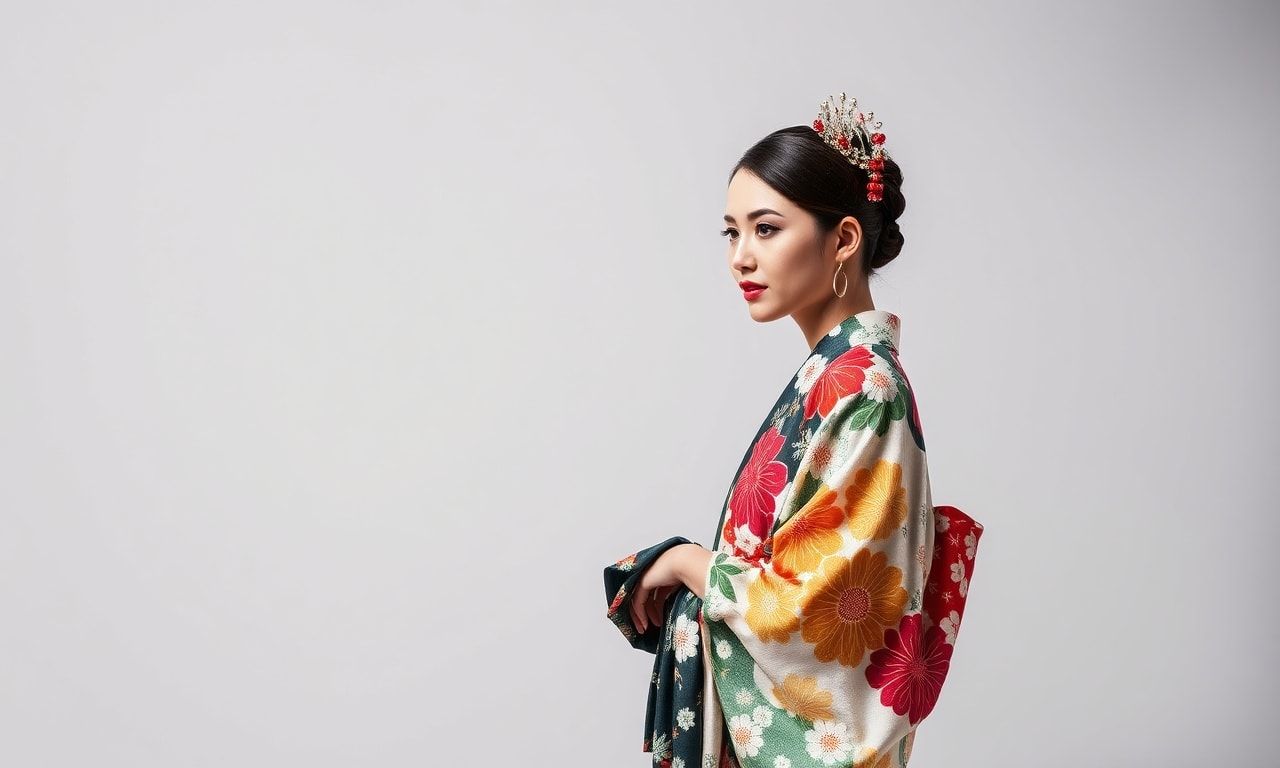
For instance, the kimono, a traditional Japanese garment, has inspired countless fashion trends worldwide. Its elegant design and intricate details have been adapted into modern fashion, showcasing the timeless appeal of cultural heritage. Similarly, other cultural elements, such as traditional textiles and patterns, continue to influence contemporary fashion.
Cultural Influences in Modern Fashion
Cultural exchange has led to the integration of various elements into modern fashion, including:
- Traditional textiles and patterns from different cultures
- Incorporation of cultural symbols and motifs into contemporary designs
- Adaptation of traditional garments into modern silhouettes
- Collaborations between designers from different cultural backgrounds
- Fusion of traditional craftsmanship with modern technology
Navigating the Global Fashion Landscape
Understanding the global fashion landscape requires a nuanced approach. Trends emerge and evolve based on a variety of factors, including economic conditions, social movements, and technological advancements. At Kimono Fest, we stay informed about these trends to provide our customers with the latest and most relevant fashion insights.
For example, the economic trends in Frankfurt, as highlighted by the Frankfurt Internationale Arbeitsmarkt Trends, can influence consumer behavior and fashion preferences. By staying attuned to these trends, we can better anticipate the needs and desires of our customers, ensuring that our offerings remain relevant and appealing.
Factors Influencing Global Fashion Trends
Several factors contribute to the evolution of global fashion trends, including:
- Economic conditions and consumer spending
- Social and cultural movements
- Technological advancements and innovations
- Environmental and sustainability concerns
- Globalization and cultural exchange
Conclusion
The fashion industry is a vibrant and dynamic field, shaped by a multitude of influences. At Kimono Fest, we celebrate the rich heritage of Japanese fashion while embracing the global trends that define contemporary style. By understanding the intersection of fashion and global trends, we can appreciate the depth and diversity of this ever-evolving industry. Whether it’s sustainable practices, technological innovations, or cultural exchanges, the world of fashion continues to inspire and captivate us.
If you’re a fan of streetwear and urban style, you’ll love discovering how sports and city exploration inspire Dublin’s fashion scene in our latest feature, sports meets urban fashion.
As we embrace the future of fashion and style, it’s essential to understand how technology is shaping education, the very foundation of our creative industries; dive into integrating tech in learning for a fresh perspective.
To help you harmonize your wardrobe and well-being, we suggest exploring practical lifestyle elevation tips that blend style and substance seamlessly.