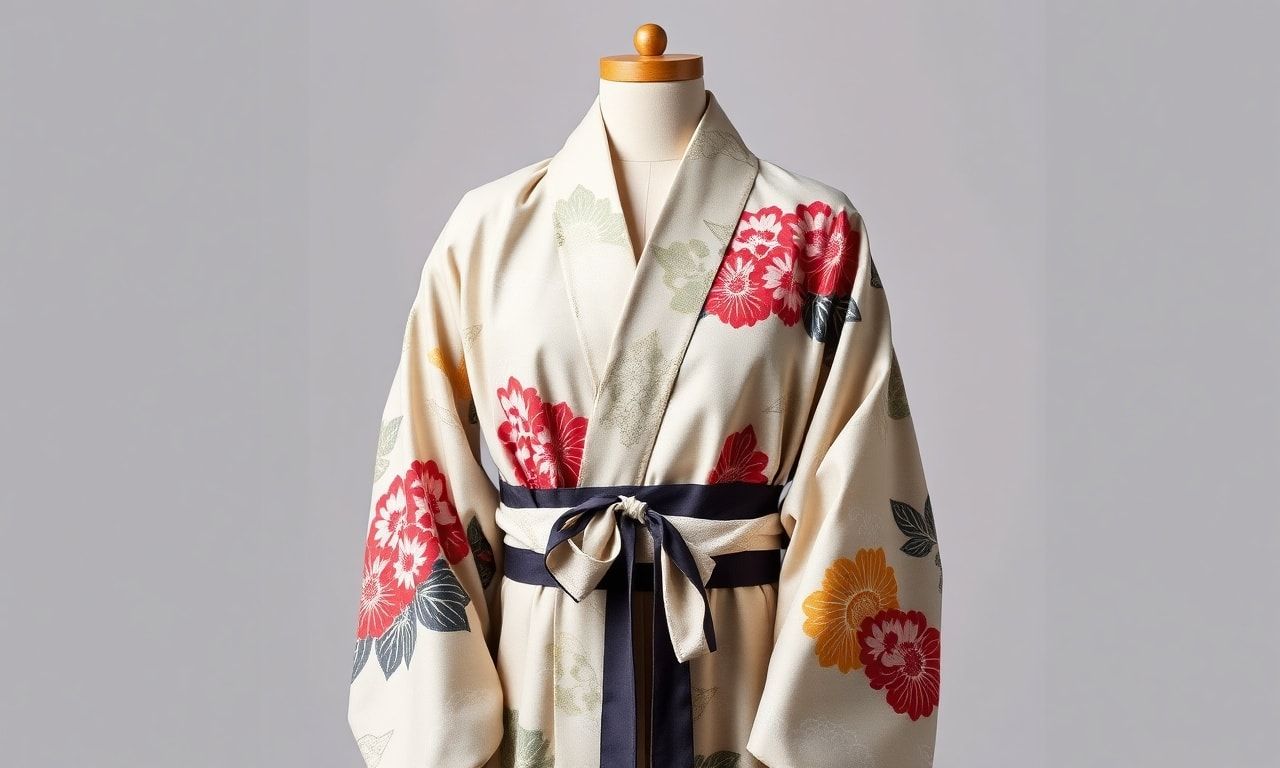
The Kimono: A Cultural Icon
The kimono, a traditional Japanese garment, has transcended its cultural roots to become a global fashion icon. Its elegant draping and intricate designs have captivated fashion enthusiasts worldwide. The kimono’s timeless appeal lies in its versatility and the rich history it carries. Whether worn as a formal attire or a casual outfit, the kimono continues to be a symbol of grace and sophistication.
The Evolution of Kimono Fashion
The kimono has evolved significantly over the centuries, reflecting the changing tastes and social norms of Japan. Originally, kimonos were simple, straight-lined robes worn by both men and women. Over time, they became more elaborate, with intricate patterns and vibrant colors. The Edo period (1603-1868) saw the rise of the kimono as a fashion statement, with different styles and designs emerging to suit various occasions and seasons.
Today, the kimono is not just a piece of clothing but a work of art. Designers around the world have embraced the kimono, incorporating its elements into modern fashion. The kimono’s influence can be seen in everything from high-end couture to everyday streetwear. Its adaptability makes it a favorite among fashion designers and enthusiasts alike.
Modern Adaptations
Modern adaptations of the kimono include the use of contemporary fabrics and patterns. Designers often experiment with different materials, such as silk, cotton, and even synthetic fabrics, to create unique and innovative kimono styles. The traditional obi belt has also been reimagined, with designers incorporating modern elements like buckles, chains, and even LED lights.
In addition to clothing, the kimono’s influence extends to accessories and home decor. Kimono-inspired patterns can be found on scarves, handbags, and even wallpaper. The kimono’s aesthetic has become a staple in interior design, adding a touch of elegance and cultural richness to any space.
Styling Tips for the Modern Kimono
Incorporating a kimono into your wardrobe can be a fun and creative process. Here are some styling tips to help you make the most of this versatile garment:
- Layering: Kimonos can be layered over dresses, t-shirts, or even jeans for a casual yet chic look. The key is to balance the layers to avoid looking bulky.
- Accessories: Pair your kimono with statement jewelry, such as a bold necklace or a pair of earrings, to add a touch of glamour. A wide-brimmed hat or a pair of sunglasses can also complement the kimono’s elegance.
- Footwear: Choose footwear that complements the kimono’s style. For a formal look, opt for high heels or elegant sandals. For a casual outfit, sneakers or flats can work well.
- Color Coordination: When styling a kimono, consider the colors and patterns of the garment. A vibrant, patterned kimono can be paired with neutral-colored clothing to let the kimono stand out. Conversely, a solid-colored kimono can be paired with patterned clothing for a balanced look.
Occasion-Specific Styling
Kimonos can be styled for various occasions, from casual outings to formal events. For a casual day out, pair a lightweight kimono with a simple t-shirt and jeans. For a formal event, opt for a more elaborate kimono with intricate patterns and vibrant colors. The key is to choose a kimono that suits the occasion and complements your personal style.
For those looking to incorporate the kimono into their daily routine, consider pairing it with comfortable and practical clothing. A kimono can be worn over a simple t-shirt and jeans for a casual yet stylish look. It can also be paired with a dress or skirt for a more feminine touch. The possibilities are endless, and the kimono’s versatility makes it a valuable addition to any wardrobe.
Cultural Significance and Etiquette
The kimono holds deep cultural significance in Japan and is often worn during important ceremonies and festivals. Understanding the cultural context and etiquette associated with the kimono can enhance your appreciation of this garment.
When wearing a kimono, it is important to respect its cultural significance. Avoid wearing a kimono inappropriately or disrespectfully. For example, wearing a kimono to a nightclub or a casual gathering may be seen as disrespectful. Instead, opt for a kimono that is appropriate for the occasion and the setting.
Additionally, when wearing a kimono, it is important to follow proper etiquette. For example, when sitting, it is customary to tuck the kimono under your legs to avoid wrinkles. When standing, it is important to keep the kimono’s sleeves and hem in place to avoid tripping or snagging.
Care and Maintenance
Proper care and maintenance are essential to keep your kimono looking its best. Here are some tips to help you care for your kimono:
- Cleaning: Always follow the care instructions on the kimono’s label. Most kimonos should be hand-washed or dry-cleaned to avoid damage. Avoid using harsh detergents or bleach, as these can damage the fabric and colors.
- Storage: Store your kimono in a cool, dry place away from direct sunlight. Use a padded hanger or a kimono storage box to prevent wrinkles and creases. Avoid storing your kimono in plastic bags, as this can trap moisture and cause mildew.
- Repairs: If your kimono becomes damaged, it is important to have it repaired by a professional. Attempting to repair the kimono yourself can cause further damage and may compromise its structural integrity.
Inspiration and Resources
For those looking to incorporate the kimono into their wardrobe, there are numerous resources available. Websites like günlük yaşamı daha verimli hale getirmek için ipuçları güncellemesi offer tips and inspiration for styling and caring for your kimono. Additionally, fashion blogs and social media platforms like Instagram and Pinterest are great sources of inspiration and ideas.
Attending cultural events and festivals can also provide inspiration and insight into the kimono’s cultural significance. Many cities around the world host Japanese cultural events, such as cherry blossom festivals and tea ceremonies, where you can learn more about the kimono and its history.
The kimono is a timeless fashion statement that continues to captivate fashion enthusiasts worldwide. Its rich history, cultural significance, and versatility make it a valuable addition to any wardrobe. Whether worn as a formal attire or a casual outfit, the kimono’s elegance and grace are unmatched. By incorporating the kimono into your wardrobe, you can add a touch of cultural richness and sophistication to your style.
Discover how your wardrobe can inspire your living space with our latest feature, mixing fashion and décor, a vibrant exploration of style synergy.