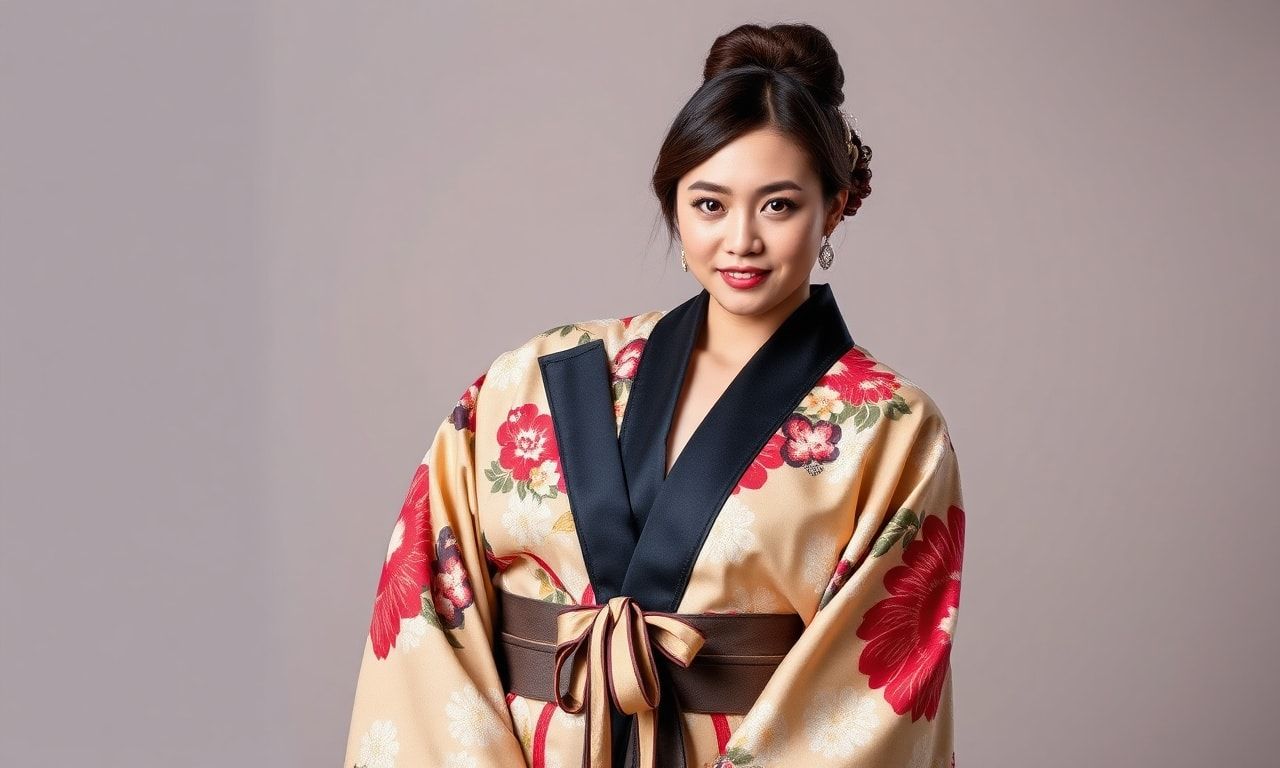
The Timeless Elegance of Kimono
The kimono, a traditional Japanese garment, is renowned for its elegance and intricate designs. It is more than just a piece of clothing; it is a cultural icon that has transcended time and continues to influence modern fashion. The beauty of the kimono lies in its simplicity and the artistry of its patterns, which often tell stories or represent natural elements. Whether you are a seasoned kimono wearer or a newcomer to this exquisite fashion statement, understanding the art of accessorizing can elevate your kimono experience to new heights.
The Essentials of Kimono Accessories
Accessorizing a kimono is an art form that requires attention to detail. The right accessories can complement the kimono’s design and enhance its overall aesthetic. Here are some essential accessories that every kimono enthusiast should consider:
Obi: The Belt of Beauty
The obi is a wide, decorative belt that is tied around the waist over the kimono. It serves both a functional and aesthetic purpose, cinching the kimono at the waist and adding a touch of elegance. There are various styles of obi, including the Nagoya obi, which is easier to tie, and the Fukuzaori obi, which is more formal. Choosing the right obi can make a significant difference in the overall look of your kimono ensemble.
Obiage and Obijime: The Finishing Touches
Obiage and obijime are additional accessories that add a final touch to the obi. The obiage is a decorative sash that is tied around the obi, while the obijime is a cord that secures the obi in place. These accessories come in a variety of colors and patterns, allowing you to customize your look and add a personal touch to your kimono outfit.
Zori and Geta: Traditional Footwear
Completing your kimono ensemble with the right footwear is crucial. Zori and geta are traditional Japanese sandals that complement the kimono beautifully. Zori are flat sandals made of rice straw, while geta are elevated sandals with a wooden base. Both types of footwear are designed to be comfortable and stylish, making them the perfect choice for any kimono wearer.
Modern Twists on Traditional Accessories
While traditional kimono accessories are timeless, modern interpretations can add a fresh twist to your ensemble. Contemporary designers are reimagining classic accessories with innovative materials and designs, making them more accessible and versatile. For example, modern obi belts come in a variety of fabrics and patterns, allowing you to mix and match with different kimono styles. Additionally, accessories like hairpins and bags can be incorporated to add a modern touch to your traditional outfit.
Hair Accessories: The Perfect Complement
Hair accessories play a significant role in completing your kimono look. Traditional hairpins, known as kanzashi, come in various shapes and sizes, from simple flowers to intricate designs. These accessories not only enhance the overall aesthetic but also hold cultural significance. Modern hair accessories, such as decorative combs and headbands, can also be used to add a contemporary touch to your kimono ensemble.
Bags and Pouches: Functional and Stylish
Carrying a bag or pouch that complements your kimono can add a practical yet stylish element to your outfit. Traditional Japanese purses, known as kinchaku, are small and decorative, often made of silk or brocade. Modern bags, such as crossbody purses or clutch bags, can also be incorporated to add a contemporary twist. Choosing the right bag can enhance your overall look while providing functionality.
Cultural Significance and Symbolism
The kimono and its accessories hold deep cultural significance and symbolism. Each element of the kimono, from the obi to the kanzashi, tells a story and represents different aspects of Japanese culture. Understanding the cultural context behind these accessories can enrich your appreciation of the kimono and its traditions. For instance, the color and pattern of the obi can convey different meanings, such as celebration, mourning, or seasonal changes. Similarly, the kanzashi can symbolize various elements of nature, such as flowers or birds.
Investing in quality kimono accessories is not just about enhancing your fashion statement; it is about preserving and celebrating a rich cultural heritage. For those interested in learning more about the cultural significance of kimono accessories, exploring resources like panduan investasi emas untuk pemula can provide valuable insights into the art of accessorizing and its deeper meanings.
Tips for Choosing the Right Accessories
Selecting the right accessories for your kimono can be a daunting task, especially for beginners. Here are some tips to help you make the right choices:
- Consider the Occasion: Different kimono styles and accessories are suitable for various occasions. For formal events, opt for more elaborate and traditional accessories, while casual outings can be complemented with simpler, modern pieces.
- Color Coordination: Ensure that your accessories complement the colors and patterns of your kimono. Harmonious color combinations can create a cohesive and elegant look.
- Quality Matters: Invest in high-quality accessories that will last. Traditional kimono accessories are often handmade and crafted with precision, ensuring durability and authenticity.
- Personal Style: Don’t be afraid to express your personal style through your accessories. Mixing traditional and modern elements can create a unique and personalized look.
Conclusion
The art of accessorizing a kimono is a beautiful blend of tradition and modernity. By understanding the cultural significance and symbolism behind each accessory, you can enhance your kimono experience and create stunning ensembles that reflect your personal style. Whether you are a seasoned kimono wearer or a newcomer, exploring the world of kimono accessories can be a rewarding and enriching journey. Embrace the elegance of the kimono and let your accessories tell your story.
Eager to refine your style and stay ahead of the curve? Discover essential tips and trends in fashion’s personal style guide to elevate your wardrobe.