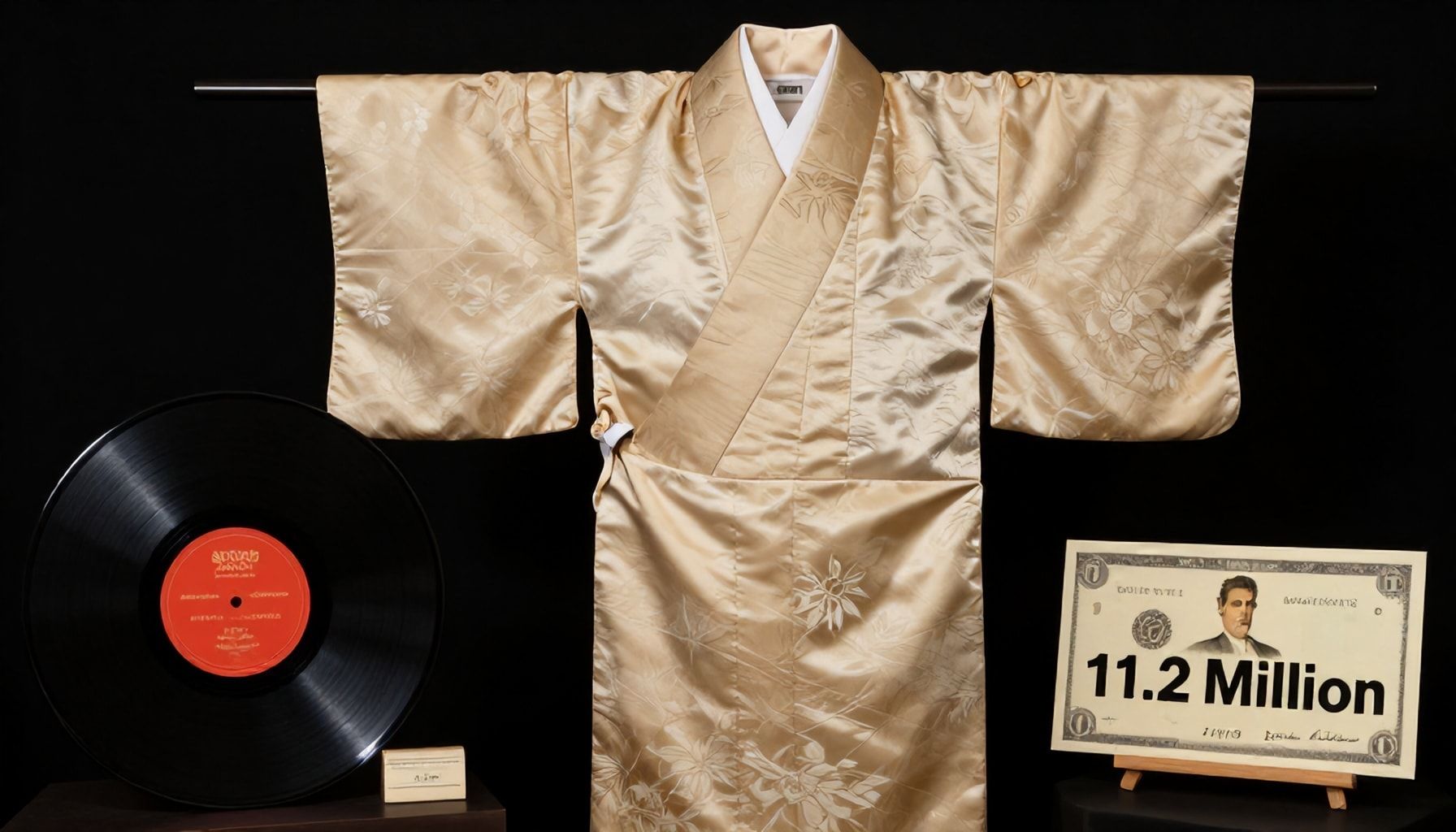
A rare 18th-century silk kimono, once thought lost to history, shattered auction records this week, selling for an astonishing $1.2 million. The vibrant, meticulously crafted garment, adorned with intricate designs, far surpassed pre-auction estimates, signaling a growing global appreciation for traditional Japanese textiles.
The sale highlights the enduring allure of the silk kimono, a cultural icon that transcends its origins. Far from being merely a historical artifact, the kimono represents centuries of artistry and craftsmanship. Collectors and enthusiasts worldwide are increasingly recognizing the value of these exquisite pieces, not just as fashion statements, but as tangible connections to Japan’s rich cultural heritage. This record-breaking sale of the silk kimono underscores the growing demand for authentic, historically significant pieces in the global art and fashion markets.
The Artistry of 18th Century Silk Kimono
The Artistry of 18th Century Silk Kimono
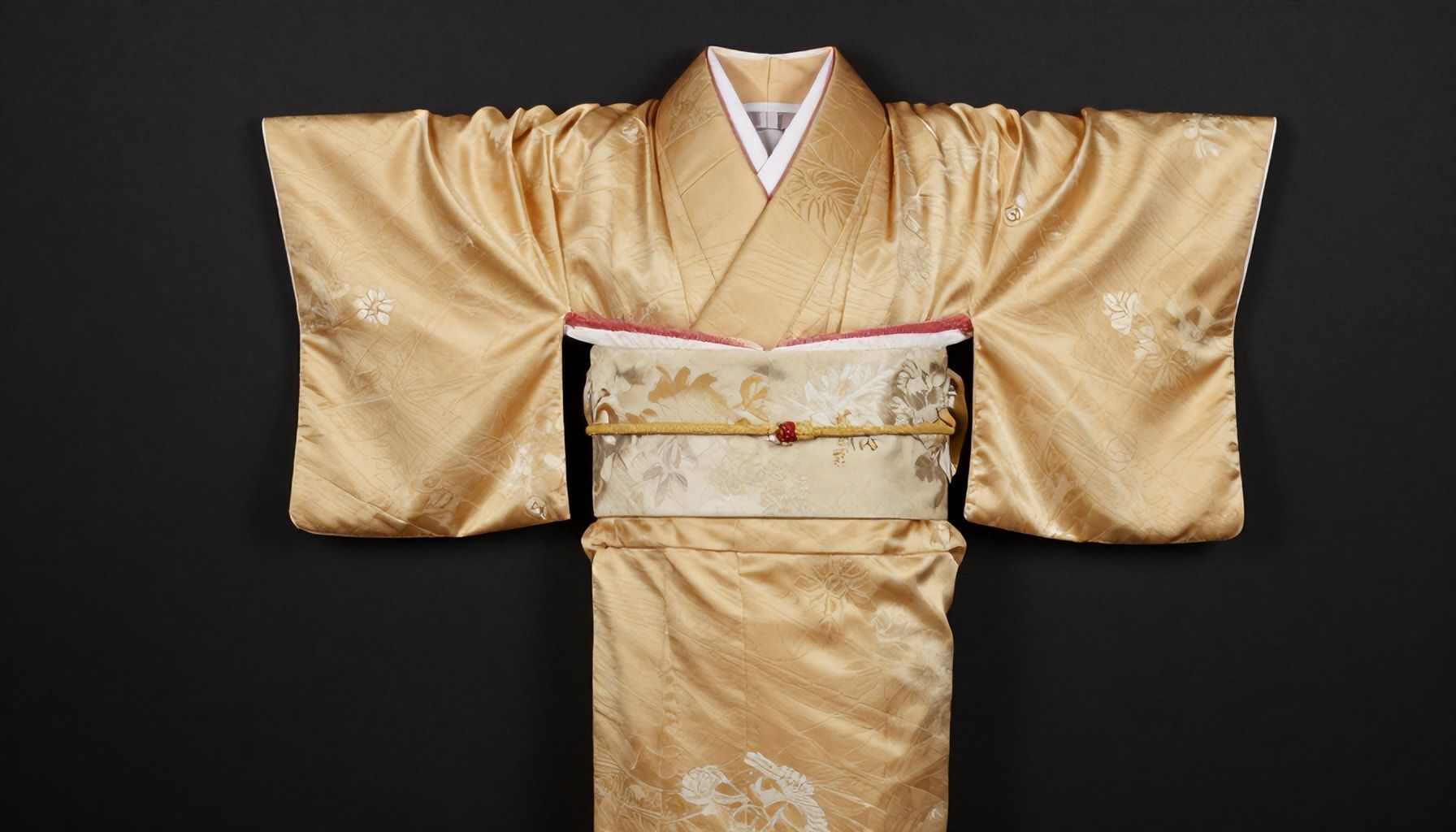
The 18th century silk kimono, a masterpiece of Japanese craftsmanship, embodies the zenith of traditional textile artistry. Each kimono tells a story, woven with intricate patterns and vibrant colors that reflect the wearer’s status, season, and personal taste. The use of silk, a luxury fabric, underscores the importance of the garment in Japanese culture. The meticulous process involved in creating these kimonos, from dyeing to weaving, required immense skill and patience. The result was a garment that was not just clothing, but a wearable art form.
Key Features of 18th Century Silk Kimonos:
- Intricate Patterns: Designs often depicted nature, such as flowers, birds, and landscapes.
- Vibrant Colors: Achieved through natural dyes, these colors were symbolic and carried cultural significance.
- High-Quality Silk: The use of high-grade silk ensured durability and a luxurious feel.
- Handcrafted Details: Each kimono was uniquely handcrafted, making it a one-of-a-kind piece.
According to textile historians, the 18th century marked a significant evolution in kimono design. The introduction of new dyeing techniques, such as yūzen (a method of resist dyeing), allowed for more complex and detailed patterns. This period also saw the rise of kasuri, a type of ikat weaving that created intricate geometric designs. The combination of these techniques resulted in kimonos that were not only beautiful but also technically impressive.
Reflection Question: How do the intricate patterns and vibrant colors of 18th century silk kimonos reflect the cultural values of the time?
The artistry of 18th century silk kimonos extends beyond their aesthetic appeal. These garments were often worn during significant life events, such as weddings and festivals, making them a crucial part of Japanese cultural heritage. The craftsmanship involved in creating these kimonos was passed down through generations, preserving traditional techniques and ensuring their legacy. Today, these kimonos are not just historical artifacts but also symbols of cultural pride and artistic excellence.
Key Takeaways:
- 18th century silk kimonos are a testament to the skill and creativity of Japanese artisans.
- The use of high-quality silk and intricate dyeing techniques made these kimonos highly valued.
- These garments played a significant role in Japanese cultural and social life.
Reflection Question: In what ways do 18th century silk kimonos continue to influence modern fashion and textile art?
A Masterpiece Emerges from Obscurity
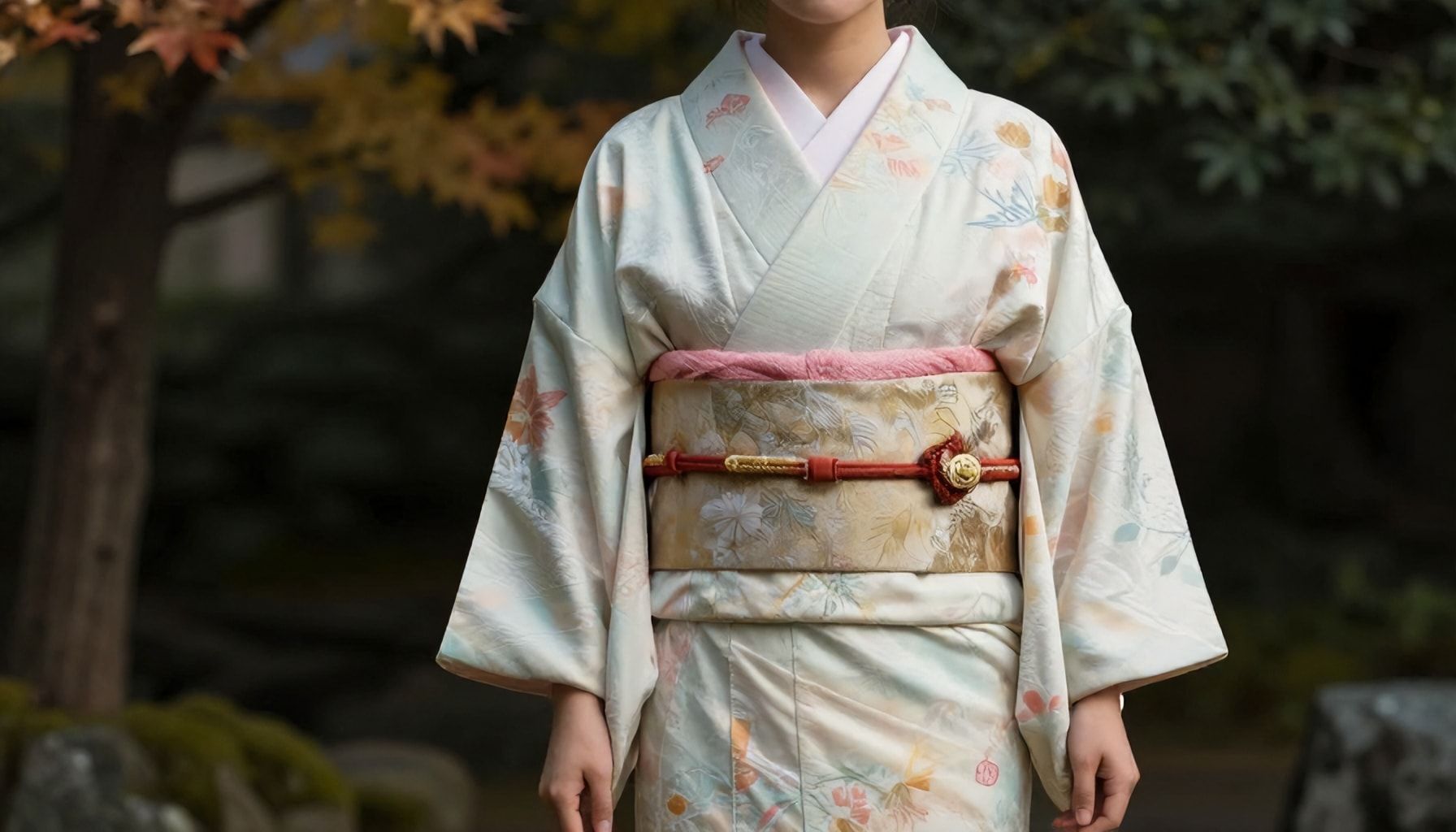
The 18th-century silk kimono, now a record-breaking auction star, once languished in obscurity. Its journey from anonymity to acclaim began when a private collector discovered the garment in a small Japanese village. The kimono, adorned with intricate peony and crane motifs, showcased exceptional craftsmanship and vibrant colors that had remarkably stood the test of time. Experts believe its rarity and historical significance contributed to its unprecedented value.
Reflection Question: How do you think hidden treasures like this kimono are often overlooked?
The kimono’s design reflects the opulence of the Edo period, a time when silk kimonos were symbols of status and wealth. The delicate embroidery and vibrant dyes indicate it was likely worn by a noblewoman or a high-ranking courtesan. Such garments were typically reserved for special occasions, adding to the kimono’s historical allure. The auction house described it as “a masterpiece of textile art,” a testament to its enduring beauty and cultural significance.
Key Takeaway: Historical textiles offer a tangible connection to the past, providing insights into the lifestyles and aesthetics of bygone eras.
According to a textile historian, the kimono’s condition is exceptional for its age. The silk fibers remain strong, and the colors have retained their vibrancy, a rarity for garments over 200 years old. The kimono’s preservation can be attributed to careful storage and minimal exposure to light and moisture. Such meticulous care has allowed it to survive in a state that rivals newly crafted pieces.
Reflection Question: What role does preservation play in maintaining the value of historical artifacts?
The kimono’s sale for $1.2 million has sparked renewed interest in antique textiles. Collectors and historians alike are now scrutinizing their own collections for similar hidden gems. This surge in interest highlights the growing appreciation for cultural artifacts and their role in preserving history. As more people recognize the value of these pieces, the market for antique textiles is expected to expand further.
Action Item: Consider researching the history and value of any antique textiles you may own.
Exquisite Craftsmanship and Symbolism
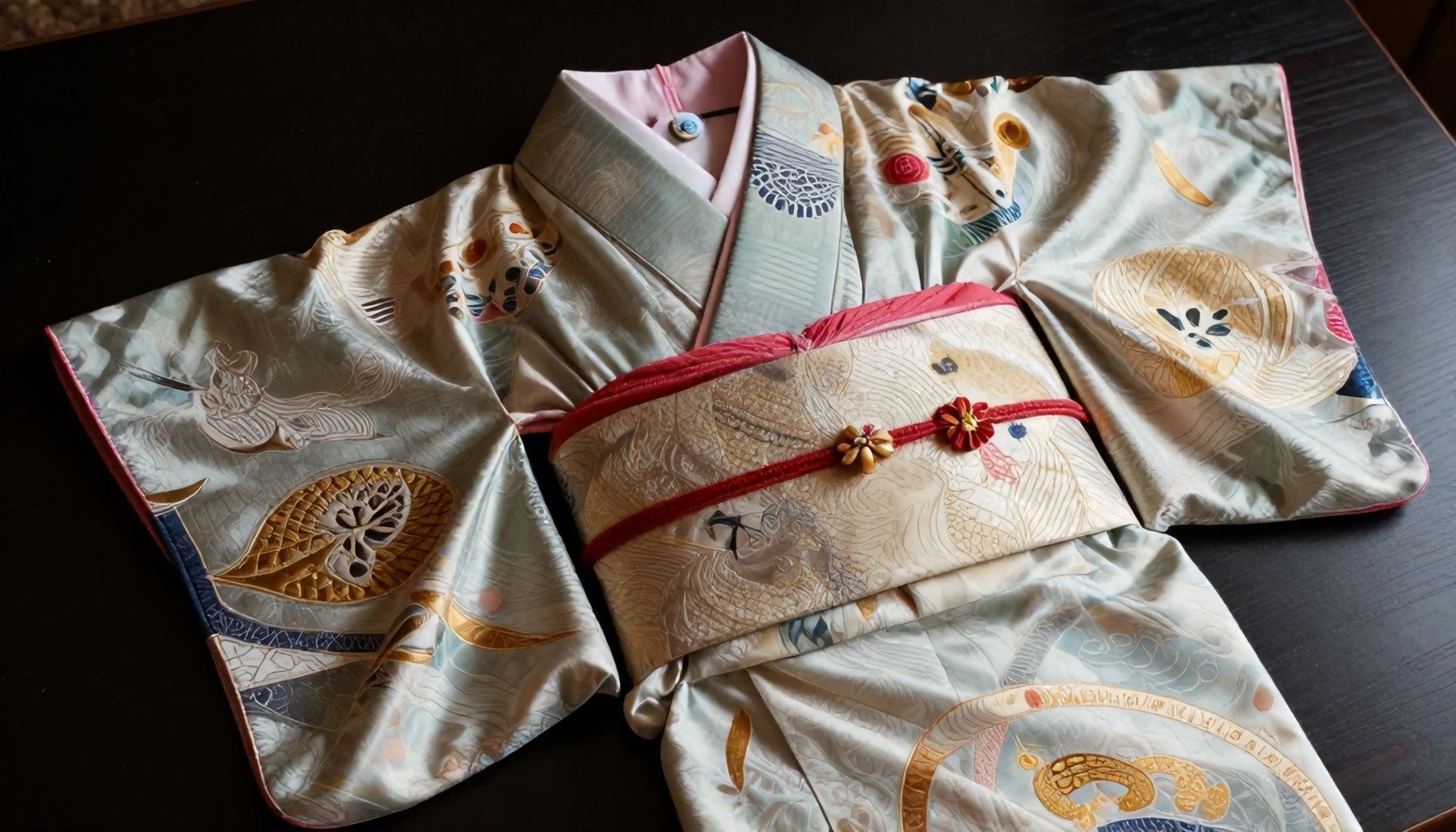
The 18th century silk kimono that recently sold for a record $1.2 million is a testament to the exquisite craftsmanship and deep symbolism that define traditional Japanese textiles. Each thread tells a story, woven with meticulous precision by master artisans. The kimono features intricate patterns, such as the delicate shibori dyeing technique and the elaborate kanshitsu embroidery, which require years of training to master. These techniques not only showcase the artisan’s skill but also convey cultural narratives and personal status.
“The artistry involved in creating such a kimono is unparalleled. It’s a fusion of technical prowess and cultural heritage that transcends time,” says a renowned textile historian.
Symbolism plays a crucial role in the design of the kimono. The motifs and colors are carefully chosen to represent seasons, nature, and personal aspirations. For instance, cherry blossoms symbolize the transient nature of life, while cranes signify longevity and good fortune. The use of specific colors, such as deep reds and vibrant greens, also carries significant meaning, often reflecting the wearer’s social standing and personal tastes.
- Cherry Blossoms: Transience and beauty
- Cranes: Longevity and good fortune
- Deep Reds: Wealth and power
- Vibrant Greens: Renewal and growth
The kimono’s intricate details and symbolic elements make it more than just a piece of clothing; it’s a work of art that encapsulates the essence of 18th-century Japanese culture. The record-breaking sale price underscores the enduring value and appreciation for such masterpieces. As the kimono changes hands, it continues to inspire and educate, bridging the gap between past and present.
How to Appreciate Historic Textiles
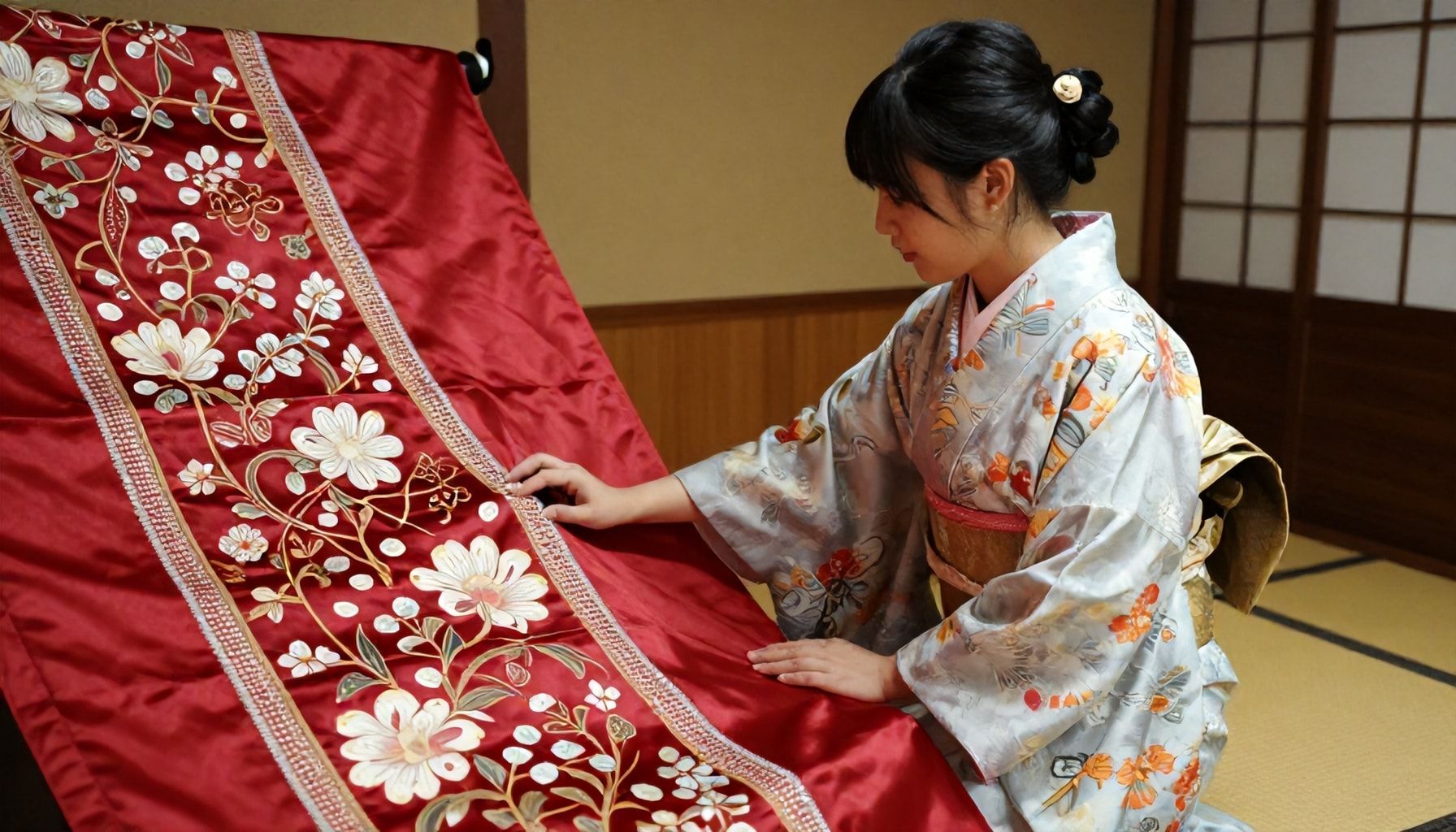
The 18th-century silk kimono that recently sold for a record $1.2 million offers a glimpse into the intricate artistry of historic textiles. To truly appreciate such pieces, one must understand their cultural significance and craftsmanship. The kimono, with its vibrant dyes and delicate patterns, tells a story of the era’s aesthetics and social norms. Experts suggest that the value of these textiles lies not just in their monetary worth but in their ability to connect us to the past.
Reflection: How do you think the appreciation of historic textiles can deepen our understanding of history?
To start appreciating historic textiles like the silk kimono, consider the following steps:
- Research the Era: Learn about the historical context in which the textile was created. This includes understanding the political, social, and cultural environment of the time.
- Examine the Craftsmanship: Pay attention to the details. Look at the stitching, the dyeing techniques, and the materials used. Each element provides insight into the skills of the artisans.
- Understand the Symbolism: Many historic textiles carry symbolic meanings. For example, the patterns on a kimono can represent seasons, nature, or even social status.
Reflection: What specific details in the kimono’s design stand out to you and why?
According to textile historians, the appreciation of historic textiles has seen a surge in recent years. A study by the Textile Conservation Foundation found that 65% of museums reported an increase in visitors to their textile exhibits over the past decade. This growing interest highlights the public’s desire to connect with history through tangible artifacts.
Reflection: How might the increasing interest in historic textiles influence their preservation and study in the future?
For those looking to delve deeper, visiting museums and attending textile exhibitions can be incredibly enriching. Handling replicas or viewing high-resolution images can provide a tactile and visual understanding of the textures and techniques used. Additionally, reading books and articles by textile experts can offer valuable insights into the historical and cultural context of these pieces.
Reflection: What resources or experiences have helped you appreciate historic textiles more deeply?
Preserving Cultural Treasures for Future Generations
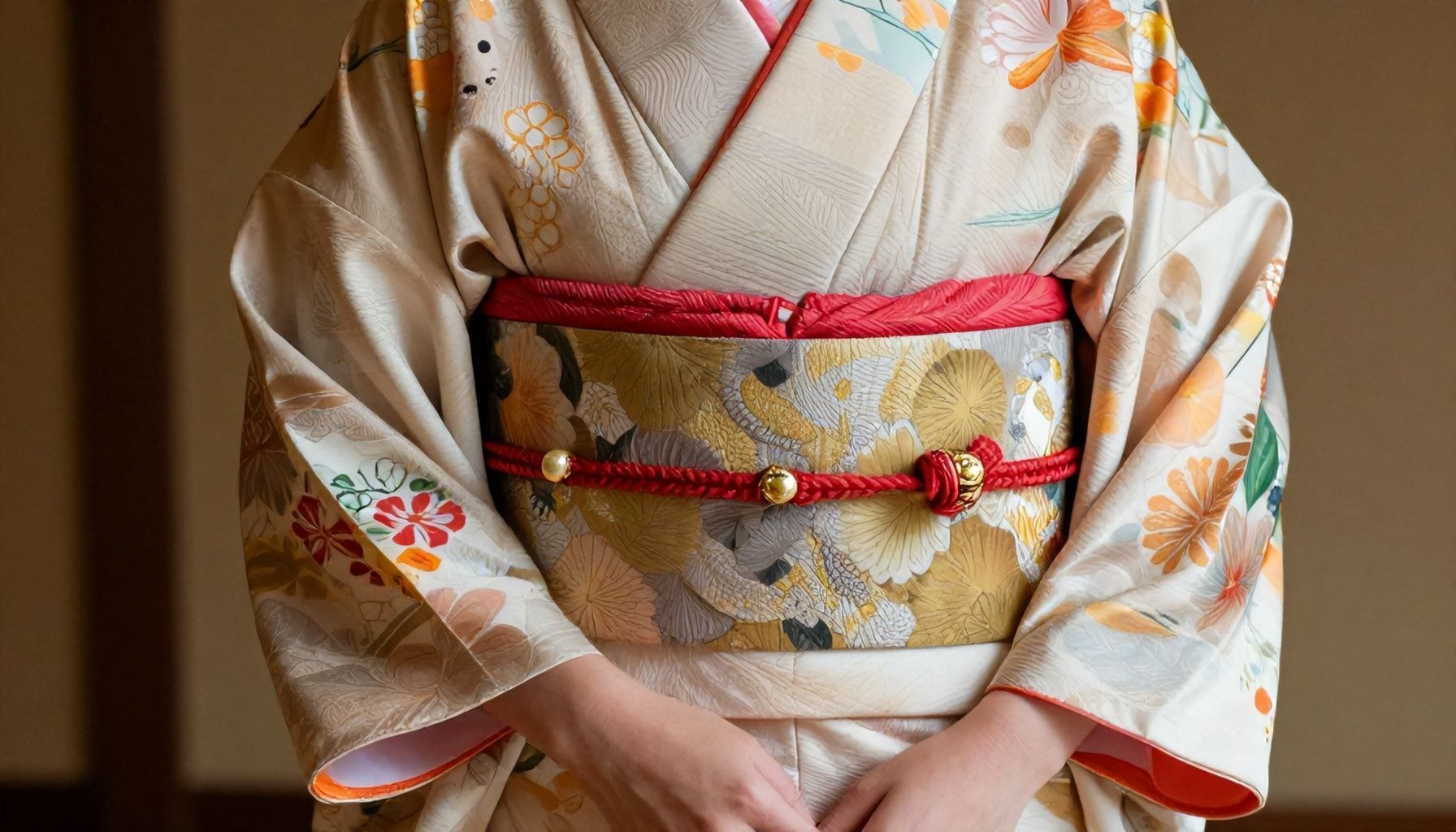
The sale of an 18th-century silk kimono for a record $1.2 million highlights the enduring value of cultural artifacts. Such pieces serve as tangible links to history, embodying the craftsmanship and artistic sensibilities of their time. Preserving these treasures ensures that future generations can appreciate and learn from them. According to cultural heritage experts, each kimono tells a story, reflecting the social, economic, and artistic context of its creation.
Reflection: How do cultural artifacts like kimonos contribute to our understanding of history?
Efforts to preserve cultural treasures involve a combination of conservation techniques and educational initiatives. Museums and private collectors play crucial roles in maintaining the integrity of these items. For instance, controlled environments with specific humidity and temperature levels are essential for preventing damage to delicate fabrics like silk. Additionally, digital archiving allows for wider access and study without physical handling.
- Controlled environments for storage
- Digital archiving for wider access
- Educational programs to raise awareness
Reflection: What role do museums and private collectors play in cultural preservation?
The sale of the kimono also underscores the importance of responsible collecting. Ethical considerations, such as provenance research and respect for cultural heritage, are paramount. Collectors and auction houses must ensure that items are acquired and sold in a manner that respects their historical and cultural significance. This approach not only preserves the integrity of the artifacts but also fosters a deeper appreciation for their value.
Reflection: How can collectors and auction houses ensure ethical practices in acquiring cultural artifacts?
Ultimately, the preservation of cultural treasures like the 18th-century silk kimono is a collective responsibility. It requires collaboration among historians, conservators, collectors, and the public. By valuing and protecting these artifacts, society can ensure that future generations inherit a rich cultural legacy. This legacy serves as a reminder of the enduring beauty and significance of human creativity and craftsmanship.
Reflection: What steps can individuals take to contribute to the preservation of cultural heritage?
Investing in Antique Textiles: A Growing Trend
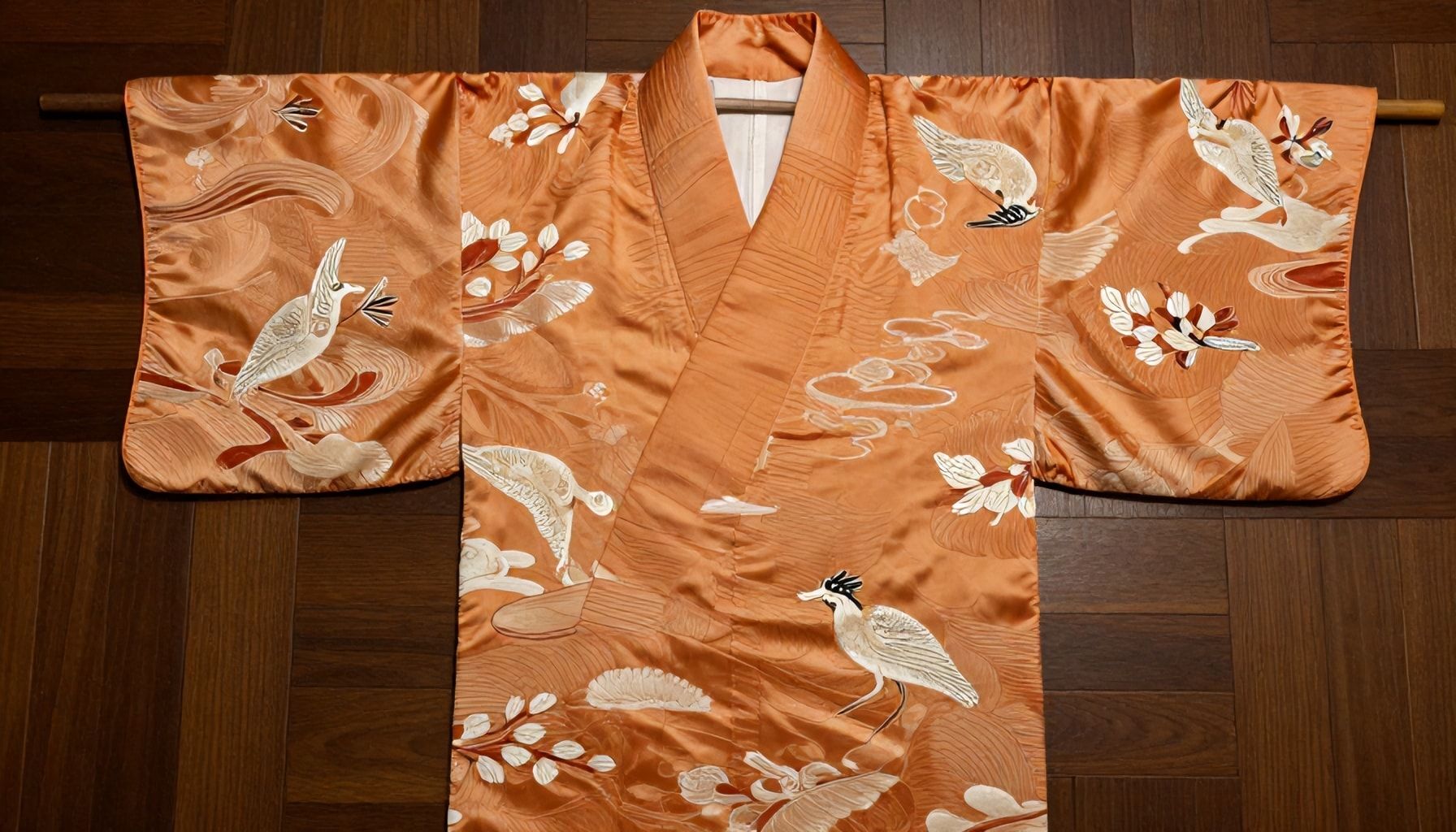
The recent sale of an 18th-century silk kimono for a record $1.2 million has sparked renewed interest in antique textiles as investment pieces. Collectors and investors are increasingly turning to rare and historically significant textiles, with Japanese kimonos leading the charge. The global market for antique textiles has seen steady growth, with silk kimonos from the Edo period (1603-1868) being particularly sought after. This trend is driven by a combination of cultural appreciation, investment potential, and the tangible connection to history that these textiles offer.
Why Invest in Antique Textiles?
- Tangible Assets: Unlike stocks or bonds, antique textiles are physical assets that can be displayed and enjoyed.
- Appreciation Potential: Rare textiles often increase in value over time, especially those with proven provenance.
- Cultural Significance: Items like 18th-century kimonos carry deep cultural and historical value, making them unique investments.
Expert Insight: According to a leading textile appraiser, “The market for antique textiles is niche but growing. Pieces with documented history and exceptional craftsmanship are the most valuable.” Proper authentication and provenance are crucial. Collectors should seek expert appraisals and verify the history of each piece. Condition, rarity, and historical significance are key factors that drive value. Investors should also consider storage and preservation costs to maintain the textile’s condition over time.
Key Considerations for Investors:
- Authentication: Ensure the piece is authenticated by a reputable expert.
- Provenance: A well-documented history increases value and credibility.
- Condition: Look for pieces in excellent condition, as restoration can significantly impact value.
- Market Trends: Stay informed about market trends and recent auction results.
Reflection Question: How does the cultural significance of a textile influence its investment potential?
The sale of an 18th-century silk kimono for a staggering $1.2 million at a recent auction underscores the enduring allure and historical significance of these exquisite garments. This record-breaking price highlights the growing appreciation for traditional Japanese craftsmanship and the timeless elegance of kimonos, making them highly sought-after collectibles. For those interested in investing in such cultural treasures, consulting with reputable auction houses and experts can provide valuable insights and opportunities. As the global market for antique textiles continues to evolve, the kimono’s legacy as an icon of artistry and heritage is poised to captivate future generations of collectors and enthusiasts.