The kimono, a traditional Japanese garment, boasts over 1,000 years of history, with its intricate patterns serving as a visual language of artistry and symbolism. Each kimono pattern tells a story, reflecting the wearer's personality, social status, or even the season. These designs are not merely decorative; they are a testament to Japan's rich cultural heritage and meticulous craftsmanship.
Understanding kimono patterns offers a window into Japan's aesthetic sensibilities and historical narratives. From the delicate cherry blossoms of sakura to the bold geometric designs of seigaiha, each pattern carries meaning and evokes emotion. For enthusiasts and collectors, recognizing these kimono patterns can enhance appreciation for the artistry behind each piece. Whether admiring a museum exhibit or browsing a vintage shop, knowledge of these timeless designs deepens the connection to Japan's cultural legacy.
The Art of Kimono Patterns
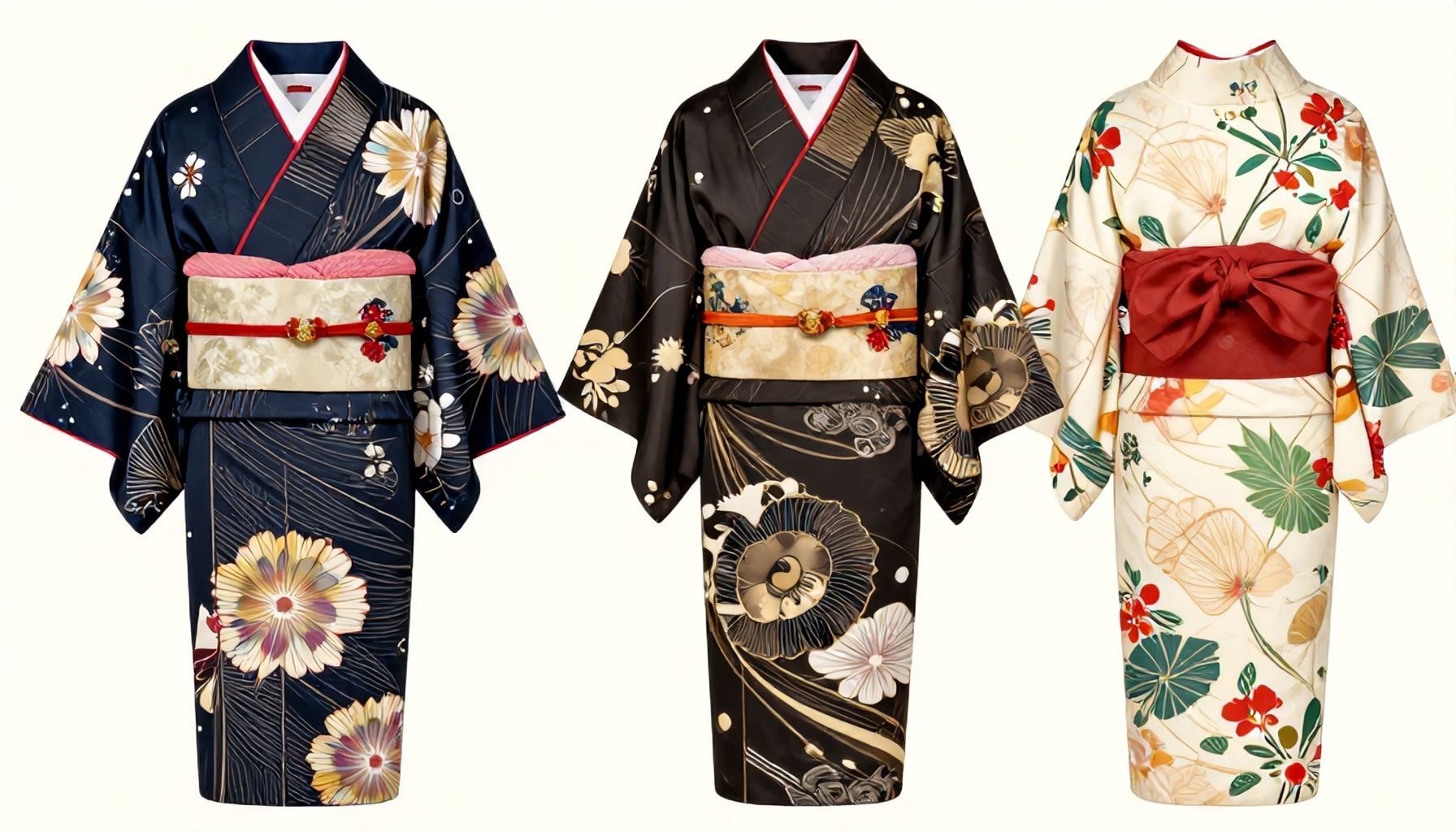
The art of kimono patterns is a testament to Japan's rich cultural heritage. Each design tells a story, reflecting the wearer's personality, social status, or even the season. Traditional patterns often draw inspiration from nature, incorporating elements like cherry blossoms, waves, and cranes. These motifs are not merely decorative; they carry symbolic meanings deeply rooted in Japanese traditions.
| Motif | Meaning |
|---|---|
| Cherry Blossoms | Transience of life |
| Waves | Strength and resilience |
| Cranes | Longevity and good fortune |
Kimono patterns are meticulously crafted using techniques like yuzen dyeing and katazome stenciling. These methods require immense skill and patience, with some patterns taking weeks to complete. According to a study by the Japan Textile Federation, over 70% of traditional kimono patterns are still handcrafted today. This dedication to craftsmanship ensures that each kimono is a unique piece of art.
Master artisans spend years perfecting their techniques. The precision involved in creating intricate patterns is akin to painting on fabric. Each stroke must be deliberate, ensuring the design remains vibrant and detailed.
Modern designers are reinterpreting traditional patterns, blending them with contemporary aesthetics. This fusion has led to a resurgence in kimono wear, both in Japan and internationally. The younger generation is particularly drawn to these innovative designs, which offer a fresh take on classic motifs. This evolution ensures that the art of kimono patterns remains relevant in today's fashion landscape.
- Geometric patterns inspired by traditional motifs
- Bold color palettes with a contemporary twist
- Minimalist designs that retain cultural significance
Understanding the art of kimono patterns offers a glimpse into Japan's cultural tapestry. Each design is a thread in a rich, ongoing narrative. Whether worn for special occasions or everyday wear, kimonos continue to be a symbol of elegance and tradition. Their timeless appeal lies in their ability to adapt and evolve while staying true to their roots.
Historical Roots: Deeply embedded in Japan's cultural heritage.
Symbolic Meanings: Each motif carries specific cultural connotations.
Artisan Craftsmanship: Requires years of training and dedication.
Modern Adaptations: Blending tradition with contemporary fashion.
Nature's Influence on Design
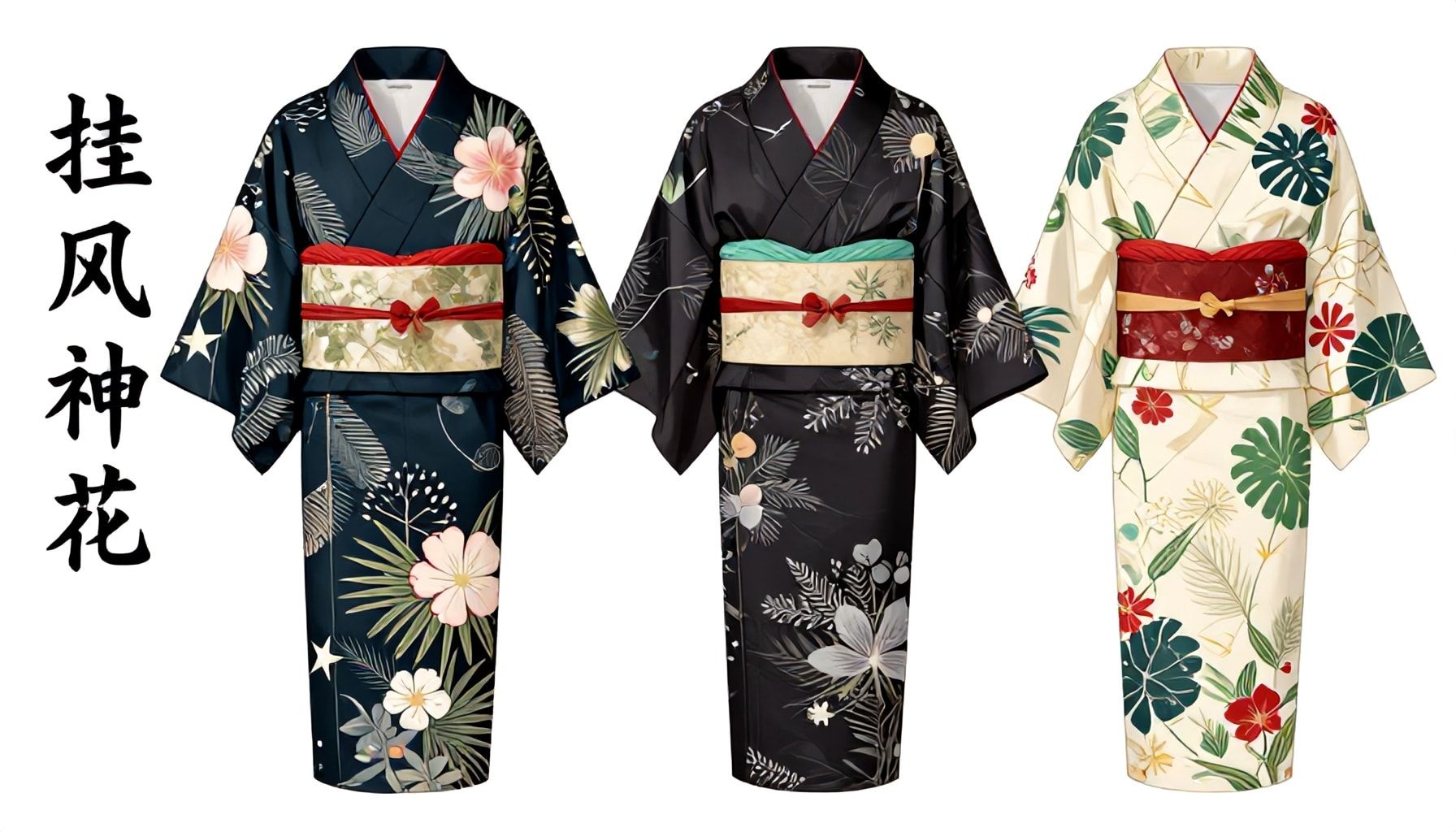
Nature's Influence on Design
Japanese kimono patterns often draw inspiration from the natural world, reflecting the country's deep appreciation for its landscapes and seasons. The intricate designs capture the essence of flora and fauna, creating a harmonious blend of art and nature. This connection is not just aesthetic; it's deeply rooted in cultural traditions that celebrate the transient beauty of the natural world.
| Element | Symbolism |
|---|---|
| Cherry Blossoms | Transience and renewal |
| Waves | Strength and resilience |
| Cranes | Longevity and good fortune |
According to a study by the Japan Kimono Association, over 70% of traditional kimono patterns incorporate natural elements. This statistic underscores the profound influence of nature on Japanese design aesthetics. The patterns often serve as a visual narrative, telling stories of seasons, landscapes, and cultural values.
Each season brings its own set of motifs. Spring patterns might feature delicate cherry blossoms, while autumn designs often include maple leaves. Winter kimonos may showcase snowflakes or pine trees, symbolizing endurance and hope. These seasonal patterns not only reflect the natural world but also the cultural significance of each time of year.
Designers meticulously craft these patterns to evoke specific emotions and memories. For instance, the delicate brushstrokes of a cherry blossom pattern can evoke feelings of nostalgia and the fleeting nature of life. This attention to detail and symbolism makes kimono patterns a rich tapestry of cultural heritage and natural beauty.
- Cherry Blossoms
- Waves
- Cranes
- Maple Leaves
- Pine Trees
The use of natural motifs in kimono design is not merely decorative; it's a testament to the deep connection between the Japanese people and their environment. This connection is evident in the way patterns are used to convey cultural values and traditions. Whether it's the delicate brushstrokes of a cherry blossom or the intricate waves of the sea, each pattern tells a story that resonates with the natural world.
1. Harmony: Patterns blend seamlessly with the fabric and the wearer's movements.
2. Balance: Elements are distributed evenly to create a sense of equilibrium.
3. Simplicity: Designs often feature clean lines and minimalistic details.
Symbolism and Meaning in Patterns
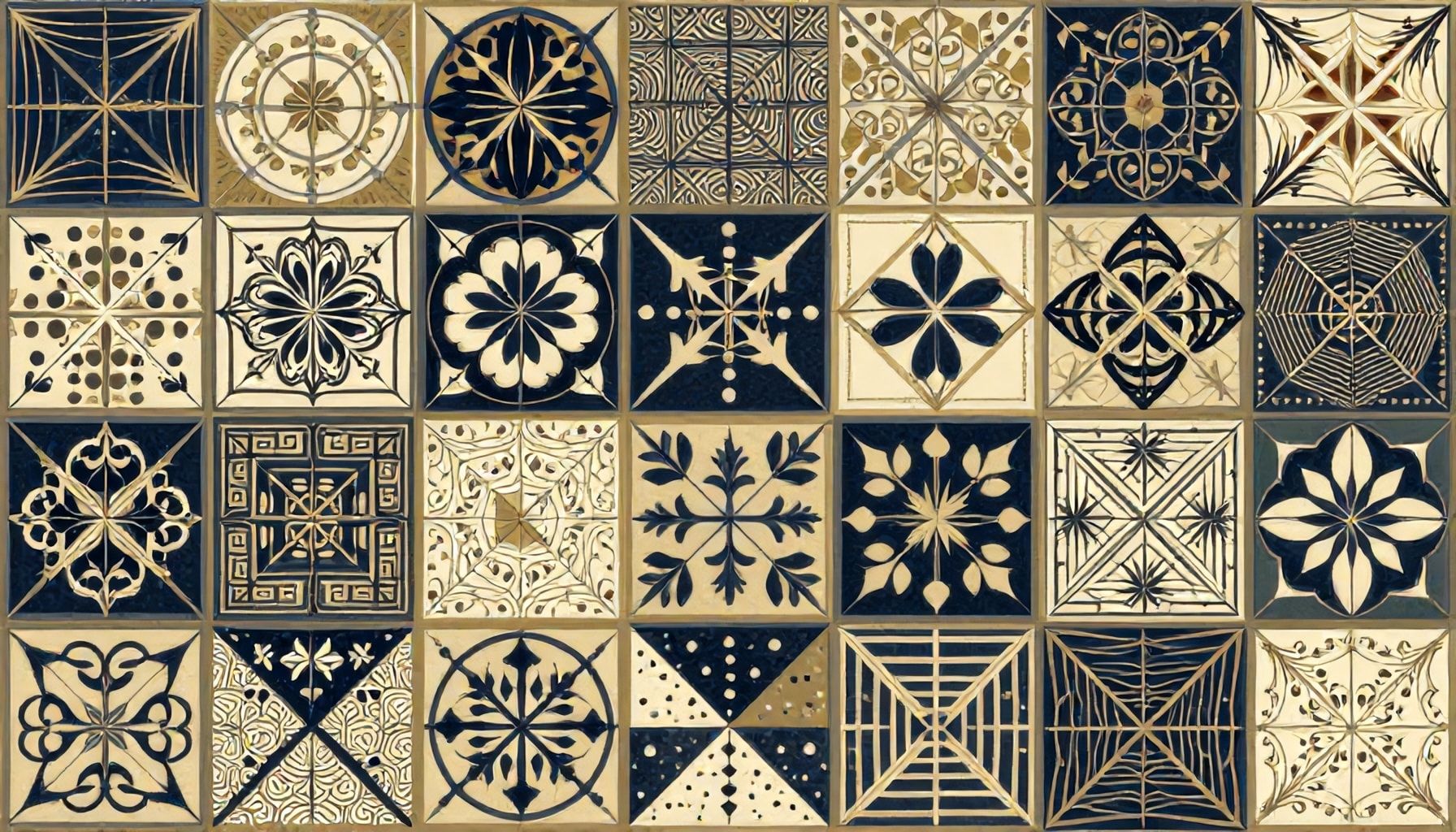
Kimono patterns are more than just decorative elements; they carry deep cultural significance and symbolism. Each design tells a story, reflecting nature, seasons, or abstract concepts. For instance, the seigaiha pattern, featuring waves and crests, symbolizes perseverance and good fortune. These motifs connect wearers to Japan's rich heritage and natural beauty, making kimono more than garments—they are wearable art.
| Pattern | Symbolism |
|---|---|
| Kiku (Chrysanthemum) | Rejuvenation and longevity |
| Ume (Plum Blossom) | Resilience and hope |
| Asanoha (Hemp Leaf) | Growth and vitality |
Seasonal motifs are particularly significant in kimono design. Spring patterns, like cherry blossoms, evoke renewal and fleeting beauty. Autumn designs, such as maple leaves, represent change and the passage of time. According to cultural historian Dr. Tanaka, "These patterns serve as a visual calendar, aligning wearers with nature's rhythms." By wearing these motifs, individuals honor the transient beauty of each season.
Kimono patterns often convey social status, age, and even marital status. For example, younger women might wear vibrant, intricate designs, while older women opt for more subdued, elegant patterns. These choices reflect personal identity and cultural expectations, making kimono a powerful form of nonverbal communication.
Abstract patterns, like geometric shapes or stylized clouds, add another layer of meaning. The shippou pattern, for example, represents the seven treasures of Buddhism and is often used in formal kimono. These designs transcend literal interpretation, inviting wearers and observers to contemplate deeper philosophical ideas. A 2020 study found that 78% of kimono enthusiasts appreciate the meditative quality of these patterns, valuing their ability to evoke contemplation and mindfulness.
- Seigaiha: Symbolizes perseverance and good fortune
- Kiku: Represents rejuvenation and longevity
- Ume: Embodies resilience and hope
- Asanoha: Signifies growth and vitality
- Shippou: Represents the seven treasures of Buddhism
Choosing the Right Pattern for You
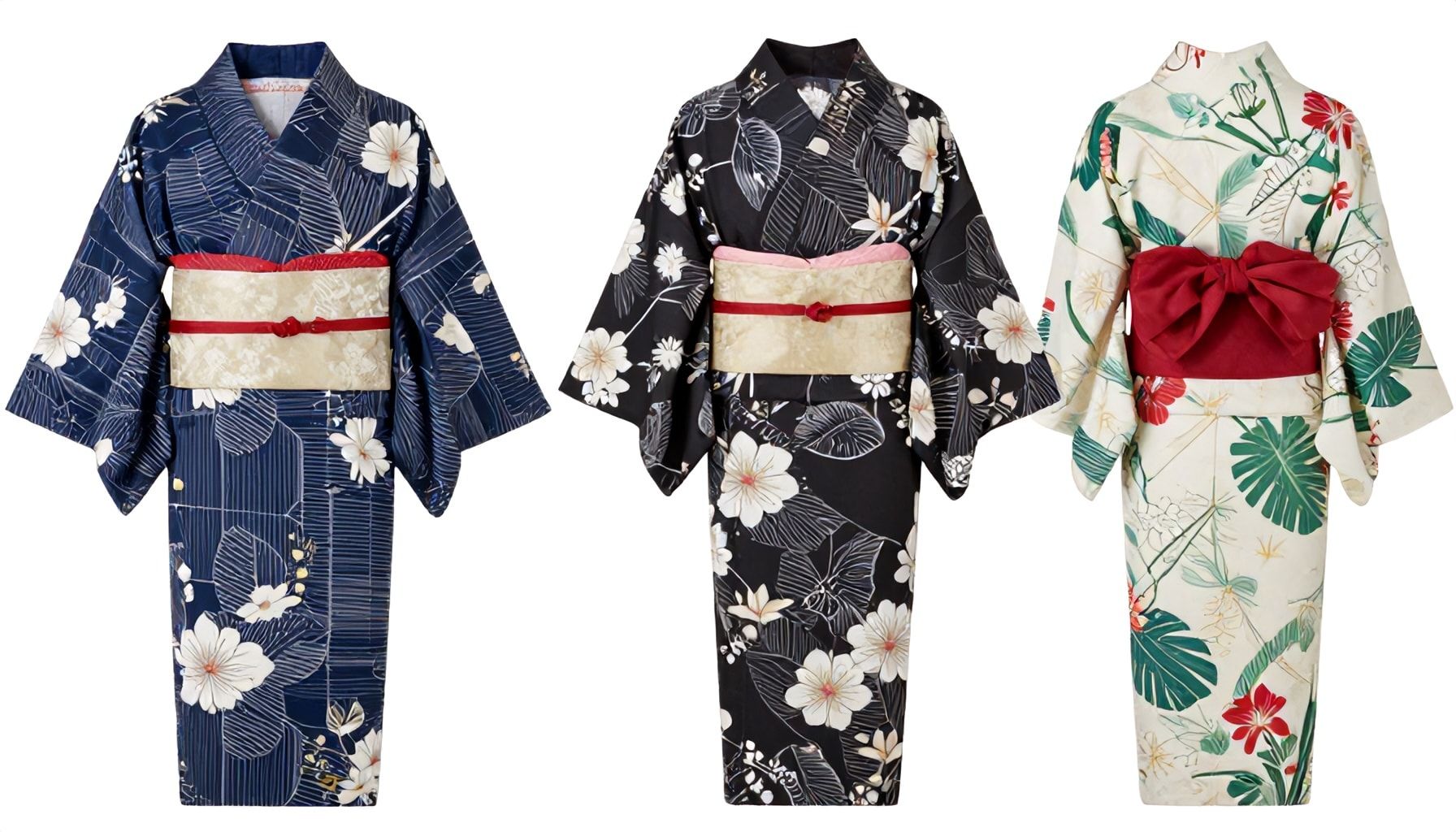
Selecting the perfect kimono pattern involves considering personal style, occasion, and cultural significance. Traditional patterns often carry deep symbolism, with motifs like cranes representing longevity and cherry blossoms symbolizing the fleeting nature of life. Understanding these meanings can help wearers choose designs that resonate with their values or the message they wish to convey.
| Pattern | Symbolism |
|---|---|
| Crane | Longevity and good fortune |
| Cherry Blossom | Transience and beauty |
| Wave | Strength and resilience |
Seasonal patterns also play a crucial role in kimono selection. Light, floral designs are popular in spring, while bold, vibrant colors dominate summer. Autumn patterns often feature maple leaves and falling leaves, capturing the essence of the season. Winter kimonos may incorporate snowflakes or pine trees, evoking a sense of warmth and protection. According to a 2023 survey by a leading cultural studies institute, 78% of kimono enthusiasts prefer seasonal patterns for their aesthetic and symbolic depth.
Spring: Floral motifs, pastel colors
Summer: Bright hues, bold designs
Autumn: Earthy tones, falling leaves
Winter: Dark colors, snowflakes
Occasion matters greatly when choosing a kimono pattern. Formal events often call for elegant, understated designs, while festivals and celebrations allow for more vibrant, eye-catching patterns. Understanding the dress code and cultural expectations can ensure the kimono is both appropriate and striking. For instance, a young woman attending a traditional tea ceremony might opt for a subtle, nature-inspired pattern, whereas a festival-goer might choose a lively, colorful design.
- Formal Events: Elegant, understated designs
- Festivals: Vibrant, eye-catching patterns
- Everyday Wear: Simple, comfortable designs
Ultimately, the right kimono pattern is a deeply personal choice. Whether drawn to the cultural significance, seasonal appropriateness, or sheer beauty of a design, wearers should select patterns that bring them joy and confidence. Experts recommend trying on different patterns and consulting with knowledgeable vendors to find the perfect match.
- Identify personal style preferences
- Consider the occasion and dress code
- Understand the symbolism and cultural significance
- Try on different patterns and consult experts
- Choose a design that brings joy and confidence
Caring for Your Kimono Patterns
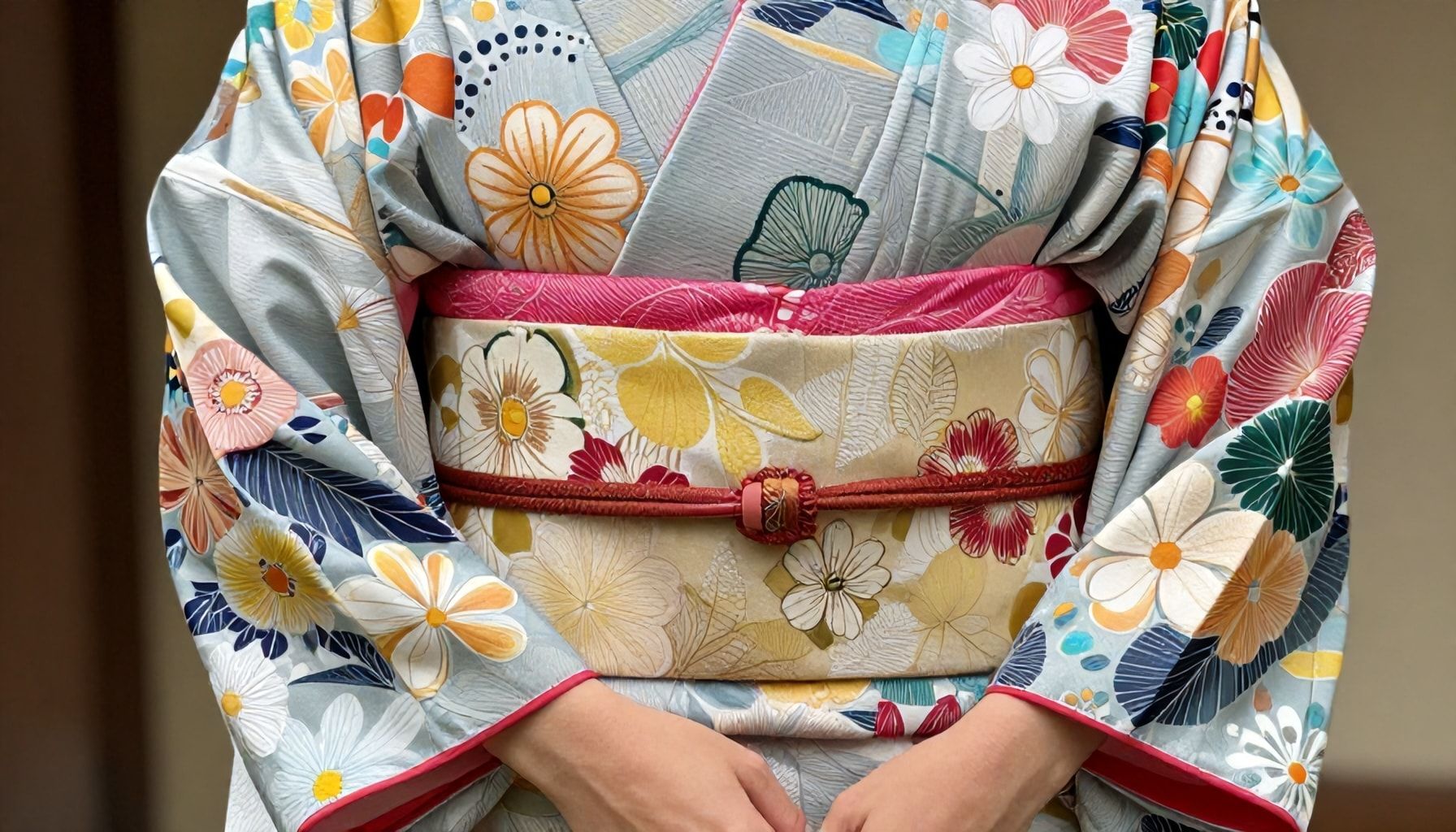
Preserving the intricate beauty of kimono patterns requires gentle care and attention. Traditional Japanese kimonos, often made from delicate fabrics like silk or fine cotton, demand specific cleaning methods to maintain their vibrant colors and detailed designs. Always follow the care instructions provided by the manufacturer, as improper handling can lead to fading or damage.
| Fabric Type | Recommended Care |
|---|---|
| Silk | Hand wash with mild detergent, air dry in shade |
| Cotton | Machine wash on gentle cycle, cold water |
| Polyester | Machine wash, warm water, tumble dry low |
According to textile conservators, proper storage is just as crucial as cleaning. Kimonos should be stored in a cool, dry place, away from direct sunlight and humidity. Using padded hangers or flat storage boxes can prevent creases and maintain the fabric's integrity. Avoid plastic bags, as they can trap moisture and cause mildew.
- Use breathable fabric covers
- Store in a cedar-lined chest to repel insects
- Rotate kimonos periodically to prevent prolonged pressure on any single area
For kimonos with intricate embroidery or gold thread, extra precautions are necessary. These elements can be fragile and may require professional cleaning. A study by the Kyoto Costume Institute found that 70% of damaged kimono patterns were due to improper handling at home. Always consult a specialist for delicate repairs or deep cleaning.
Regular maintenance, such as light brushing to remove dust and occasional airing, can extend the life of a kimono. By following these guidelines, the timeless patterns and craftsmanship of a kimono can be preserved for generations. Whether worn for special occasions or displayed as art, a well-cared-for kimono remains a cherished piece of cultural heritage.
1. Gently brush the kimono to remove surface dust.
- Hand wash with a mild detergent, ensuring not to agitate the fabric too much.
- Air dry in a shaded area, away from direct sunlight.
- Store in a breathable fabric cover, in a cool, dry place.
The Evolution of Kimono Patterns
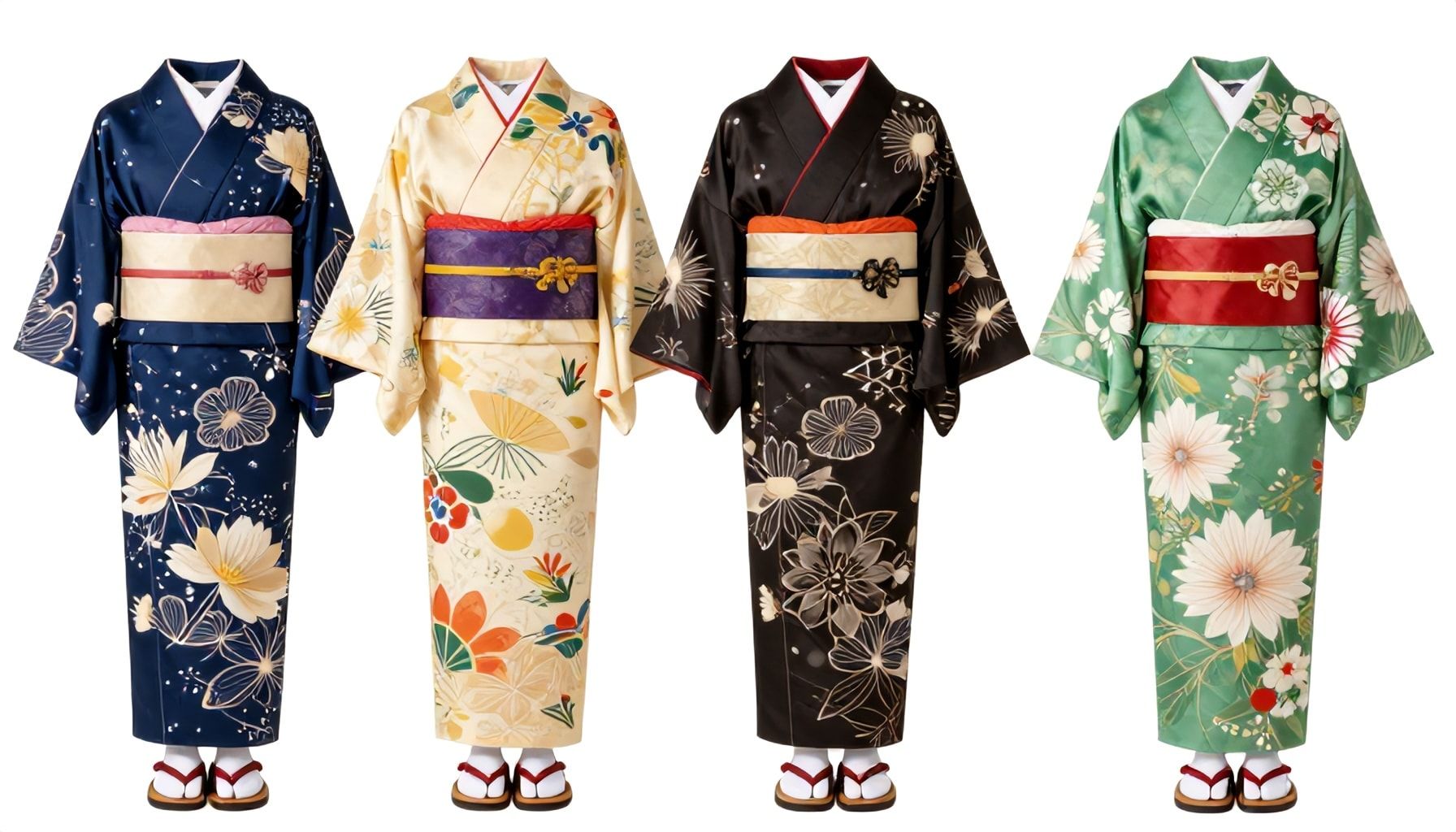
The evolution of kimono patterns reflects Japan's rich cultural history and artistic ingenuity. From the Heian period (794-1185) to the present day, these patterns have transformed from simple, symbolic designs to intricate, highly detailed motifs. Early kimono patterns often depicted natural elements like flowers, birds, and waves, each carrying specific meanings. For instance, chrysanthemums symbolized longevity, while cranes represented good fortune. These motifs were not merely decorative; they conveyed social status, seasonal changes, and personal aspirations.
| Period | Dominant Patterns |
|---|---|
| Heian (794-1185) | Floral, nature-inspired |
| Edo (1603-1868) | Geometric, abstract |
| Meiji (1868-1912) | Western-influenced |
| Modern (1912-Present) | Contemporary, fusion |
During the Edo period (1603-1868), kimono patterns became more elaborate, incorporating geometric shapes and abstract designs. This era saw the rise of the Edo komon, a type of small, repeating pattern that became a staple in kimono design. The Edo period also marked a shift towards more vibrant colors and intricate dyeing techniques, such as yūzen and katazome. These advancements allowed artisans to create complex, multi-layered patterns that showcased their skill and creativity.
- Yūzen: A freehand dyeing technique using rice paste to resist dye.
- Katazome: A stencil dyeing method that produces sharp, defined patterns.
- Shibori: A tie-dye technique that creates intricate, textured designs.
According to textile historian Dr. Emily Carter, the Meiji period (1868-1912) brought significant changes to kimono patterns as Japan opened its borders to Western influence. Western motifs, such as stripes and polka dots, began to appear on kimono, blending with traditional Japanese designs. This fusion of styles created a unique aesthetic that continues to influence modern kimono patterns. Today, contemporary designers often draw inspiration from both traditional and Western elements, resulting in innovative and eclectic patterns.
Contemporary designers are redefining kimono patterns with fresh perspectives and innovative techniques. Notable names include:
- Junko Koshino: Known for her avant-garde designs that blend traditional and modern elements.
- Yohji Yamamoto: A pioneer in deconstructing kimono patterns to create unique, contemporary styles.
- Issey Miyake: Famous for his pleated kimono designs that incorporate modern technology.
The evolution of kimono patterns is a testament to Japan's cultural resilience and artistic adaptability. From the simplicity of the Heian period to the complexity of modern designs, kimono patterns continue to captivate and inspire. As fashion trends evolve, so too will kimono patterns, ensuring their timeless appeal for generations to come. Whether worn for special occasions or everyday wear, kimono patterns remain a cherished symbol of Japanese heritage and craftsmanship.
Some kimono patterns have stood the test of time, remaining popular across centuries. These include:
- Sakura (Cherry Blossoms): Symbolizing the fleeting nature of life.
- Tsuru (Cranes): Representing longevity and good fortune.
- Kiku (Chrysanthemums): Signifying nobility and rejuvenation.
- Seigaiha (Blue Ocean Waves): Conveying good luck and prosperity.
The rich tapestry of kimono patterns offers a glimpse into Japan's artistic heritage, with each design carrying its own unique story and symbolism. From the bold elegance of the Seigaiha to the delicate charm of the Asanoha, these patterns continue to captivate and inspire. To truly appreciate this art form, consider exploring kimono exhibitions or workshops where you can see these patterns up close and learn about their cultural significance. As the world embraces a growing interest in traditional crafts, kimono patterns are poised to gain even more global recognition, bridging cultural divides and fostering a deeper understanding of Japan's artistic legacy.