Japan’s traditional garments, the yukata and kimono, often spark confusion among those unfamiliar with their distinct characteristics. Both garments share a rich cultural heritage, yet their designs, occasions, and histories set them apart in meaningful ways.
Understanding the yukata vs kimono distinction matters for anyone planning a trip to Japan or appreciating its culture. The yukata, a casual summer kimono, features lighter fabric and simpler designs, making it ideal for festivals and casual wear. In contrast, the kimono, with its intricate patterns and formal elegance, serves as a symbol of tradition and ceremony. Recognizing these differences enhances appreciation for Japan’s sartorial artistry and cultural nuances.
Origins and cultural significance

Origins and Cultural Significance
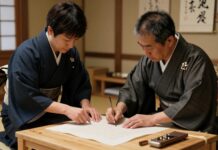
The yukata and kimono, both iconic Japanese garments, trace their roots back to ancient times. The kimono, meaning “thing to wear,” emerged during the Heian period (794-1185). It evolved from the Chinese hanfu, adapting to Japan’s climate and aesthetics. Initially worn by the aristocracy, the kimono became accessible to all social classes by the Edo period (1603-1868). Today, it symbolizes tradition and elegance, often worn during formal ceremonies like weddings and tea ceremonies.
Reflection: How has the kimono’s evolution mirrored Japan’s social changes?
The yukata, on the other hand, has humbler origins. It began as a simple cotton undergarment worn during the Heian period. By the Edo period, it transformed into a casual summer garment. The yukata’s practicality and comfort made it popular among all classes. Unlike the kimono, the yukata is typically worn during informal events like summer festivals and fireworks displays. Its lightweight fabric and vibrant patterns reflect the relaxed atmosphere of these occasions.
Reflection: How does the yukata’s design reflect its cultural role?
Both garments hold deep cultural significance. The kimono, with its intricate designs and formal occasions, represents Japan’s rich history and artistry. According to a 2020 survey by the Japan Kimono Association, 65% of respondents view the kimono as a vital part of Japanese heritage. The yukata, with its casual elegance, embodies the spirit of summer festivals and community gatherings. Its popularity continues to grow, with many young people embracing it as a fashionable yet traditional choice.
Reflection: How do these garments contribute to Japan’s cultural identity?
Understanding the origins and cultural significance of the yukata and kimono provides insight into their roles in modern society. The kimono remains a symbol of formality and tradition, while the yukata offers a blend of comfort and festivity. Both garments continue to evolve, reflecting Japan’s dynamic cultural landscape.
Reflection: How might these garments continue to evolve in the future?
Material and craftsmanship
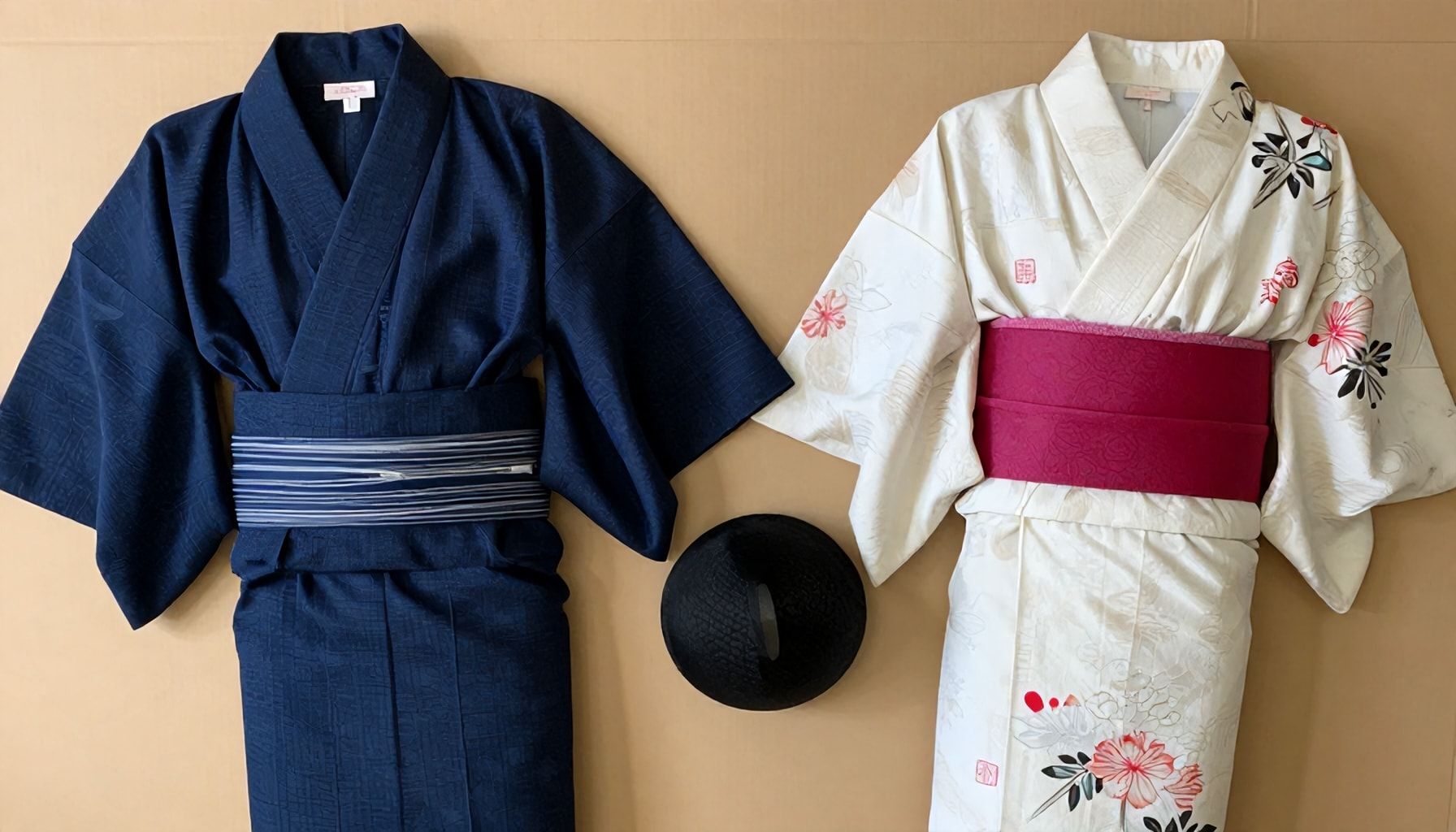
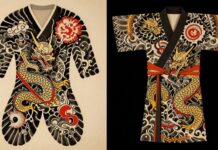
The material and craftsmanship of yukata and kimono reveal distinct cultural and practical differences. Yukata, typically made from cotton, is designed for comfort and breathability, making it ideal for summer festivals and casual wear. In contrast, kimono often feature silk, brocade, or high-quality cotton, reflecting their formal and ceremonial significance. This distinction extends beyond fabric choice to the intricate details of construction. Yukata usually have simpler designs with minimal embellishments, while kimono showcase elaborate patterns, embroidery, and dyeing techniques that can take months to complete.
How does the choice of fabric influence the occasions for which yukata and kimono are worn?
Traditional kimono construction involves meticulous handcrafting, with each piece tailored to the wearer’s body measurements. A single kimono can require up to 12 meters of fabric and involve multiple layers, including the nagajuban (under-kimono) and obi (sash). Yukata, on the other hand, are simpler in design and often pre-made in standard sizes. According to a study by the Japan Kimono Association, the average kimono takes approximately 30 hours to craft, highlighting the artistry and skill involved. This level of craftsmanship is a testament to the cultural heritage and respect for tradition in Japanese fashion.
What role does the craftsmanship of kimono play in preserving Japanese cultural heritage?
For those new to wearing kimono, understanding the layers and accessories is essential. A basic kimono ensemble includes:
- Nagajuban (under-kimono)
- Kimono (main garment)
- Obi (sash)
- Obiage (decorative obi cord)
- Obi-jime (decorative obi band)
Yukata, being more casual, often require fewer accessories, making them easier to wear for beginners. This simplicity is one reason why yukata have gained popularity among younger generations and tourists looking for an accessible way to experience traditional Japanese attire.
How does the simplicity of yukata make them more accessible for casual wear compared to kimono?
When choosing between yukata and kimono, consider the occasion and personal comfort. Yukata are perfect for summer festivals, casual outings, and relaxed gatherings. Kimono, with their formal elegance, are suited for weddings, tea ceremonies, and other significant cultural events. Understanding the material and craftsmanship of each can help in making an informed decision that aligns with both personal style and the event’s requirements.
How do the occasions for wearing yukata and kimono influence your choice between the two?
Occasions for wearing each garment
Occasions for wearing each garment
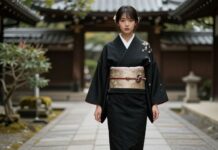
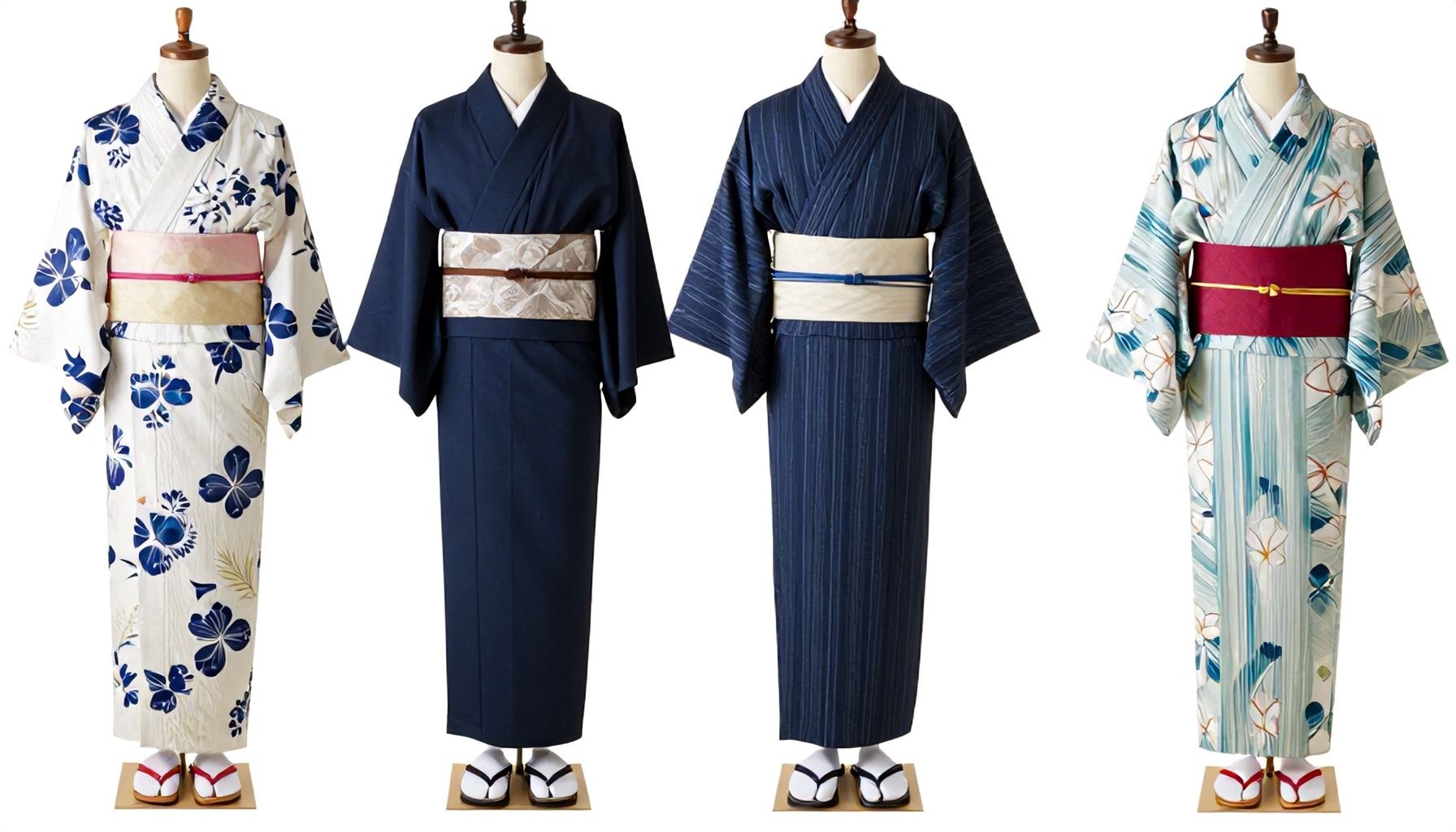
Yukata and kimono serve distinct purposes in Japanese culture, each tied to specific occasions. The yukata, a casual summer kimono, is typically worn during festivals, fireworks displays, and onsen (hot spring) visits. Its lightweight cotton fabric makes it ideal for warm weather. In contrast, kimono are worn for more formal events, such as weddings, tea ceremonies, and coming-of-age celebrations. The formality of the kimono varies, with different styles and fabrics indicating the level of formality.
Reflection: Consider the last time you dressed for a specific occasion. How did your clothing choice reflect the event’s formality?
Yukata are often seen at summer festivals, known as matsuri, where their vibrant colors and patterns add to the festive atmosphere. A study by the Japan Festival Association found that over 70% of festival-goers wear yukata during the summer season. This casual garment is also popular for casual outings, such as visiting temples or strolling through parks. Kimono, on the other hand, are reserved for more formal and cultural events. For instance, a young woman might wear a furisode, a long-sleeved kimono, during her coming-of-age ceremony at age 20.
Reflection: Think about the cultural significance of clothing in your own culture. How do certain garments reflect important traditions or events?
- Yukata: Summer festivals, fireworks displays, onsen visits, casual outings
- Kimono: Weddings, tea ceremonies, coming-of-age celebrations, formal gatherings
When choosing between a yukata and a kimono, consider the event’s formality and the season. Yukata are perfect for casual, summer events, while kimono are suited for formal occasions. For example, a couple might wear yukata to a summer festival but choose kimono for their wedding ceremony. Understanding these distinctions ensures that you dress appropriately for each occasion.
Reflection: How do you decide what to wear for different events? Do you consider the formality and cultural significance of your clothing choices?
Styling and accessories
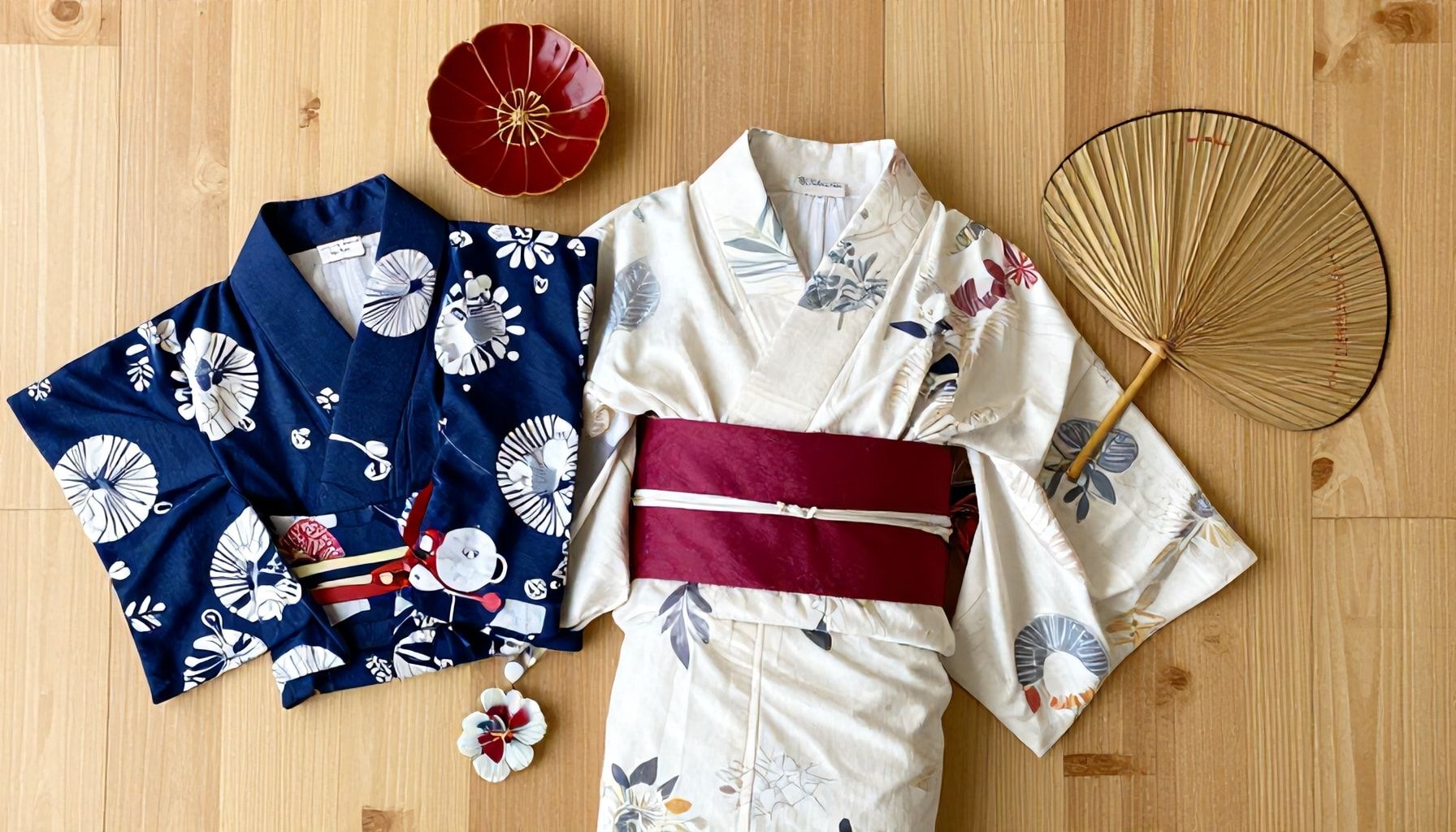
When it comes to styling and accessories, yukata and kimono offer distinct choices. Yukata, often worn during summer festivals, pairs well with simple accessories like wooden sandals (geta) and a casual obi (sash). The obi for a yukata is typically simpler, often tied in a bow or butterfly knot. In contrast, kimono, worn for formal occasions, demands more elaborate accessories. A formal kimono might include a silk obi, tabi (split-toe socks), and zori (traditional sandals). The obi for a kimono is wider and more ornate, often tied in intricate knots like the taiko or butterfly styles.
According to a cultural historian, “The accessories for a kimono are not just decorative; they signify the wearer’s status and the occasion.” For example, a bridal kimono might feature a kanzashi (hair ornament) made of gold and silver, while a yukata might use a simple hairpin or a casual hairband. The choice of accessories can transform the overall look from casual to formal.
Here’s a quick comparison:
| Accessory | Yukata | Kimono |
|---|---|---|
| Obi | Simple, casual knots | Wide, ornate knots |
| Footwear | Geta (wooden sandals) | Zori (traditional sandals) |
| Socks | None or simple socks | Tabi (split-toe socks) |
| Hair Accessories | Simple hairpins or bands | Kanzashi (ornate hair ornaments) |
Reflection Question: How might the choice of accessories influence the overall aesthetic of a yukata or kimono?
Caring for your yukata or kimono
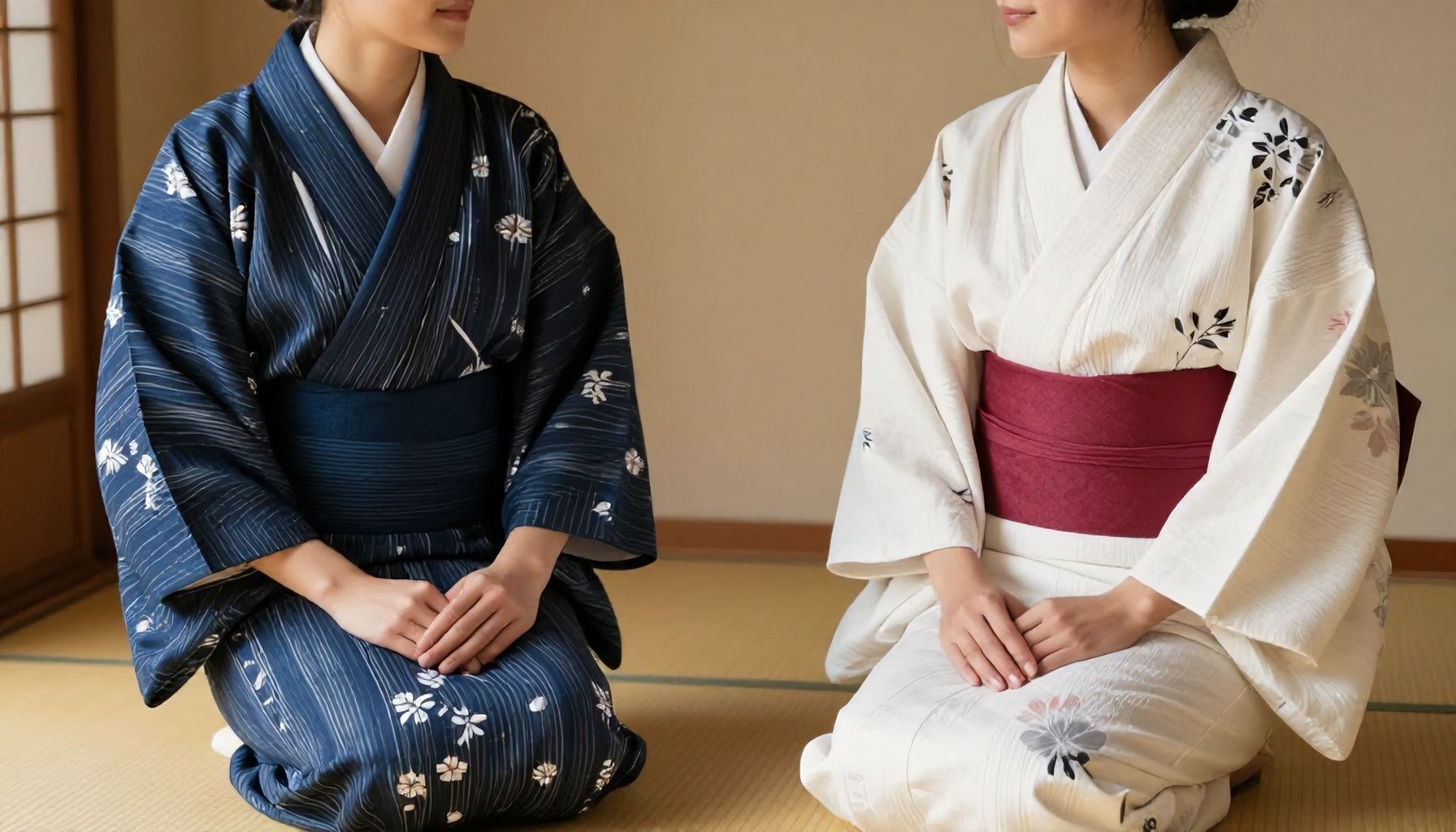
Caring for your yukata or kimono requires attention to detail to preserve their beauty and longevity. Both garments are typically made from delicate fabrics, so proper handling is essential. For yukata, a lightweight cotton fabric, gentle machine washing in cold water is usually sufficient. However, for kimono, especially those made from silk or other fine materials, hand washing or professional dry cleaning is often recommended. Always check the care label for specific instructions.
Reflection question: How often do you clean your yukata or kimono, and what methods do you currently use?
Storing your yukata or kimono correctly is crucial to prevent damage. Both should be stored in a cool, dry place away from direct sunlight. For kimono, consider using a special garment bag or wrapping it in a furoshiki cloth to protect it from dust and moisture. Yukata can be hung on a padded hanger, but kimono should be folded and stored flat to avoid stretching the fabric.
Reflection question: Where do you currently store your yukata or kimono, and how could you improve its storage conditions?
Ironing or steaming your yukata or kimono can help maintain their crisp appearance. For yukata, a low-heat iron or steamer is usually safe. Kimono, especially silk ones, require extra care. Use a pressing cloth to protect the fabric and always iron on the reverse side. According to textile experts, high heat can damage the fibers, so always test a small, hidden area first.
Reflection question: What techniques do you use to iron or steam your yukata or kimono, and how can you ensure you’re doing it safely?
Handling stains on your yukata or kimono requires immediate action. For yukata, blot the stain gently with a damp cloth and mild soap. For kimono, especially silk, consult a professional cleaner to avoid further damage. Never rub the stain vigorously, as this can spread it and damage the fabric.
Reflection question: Have you ever dealt with a stain on your yukata or kimono, and what steps did you take to address it?
Modern trends and innovations
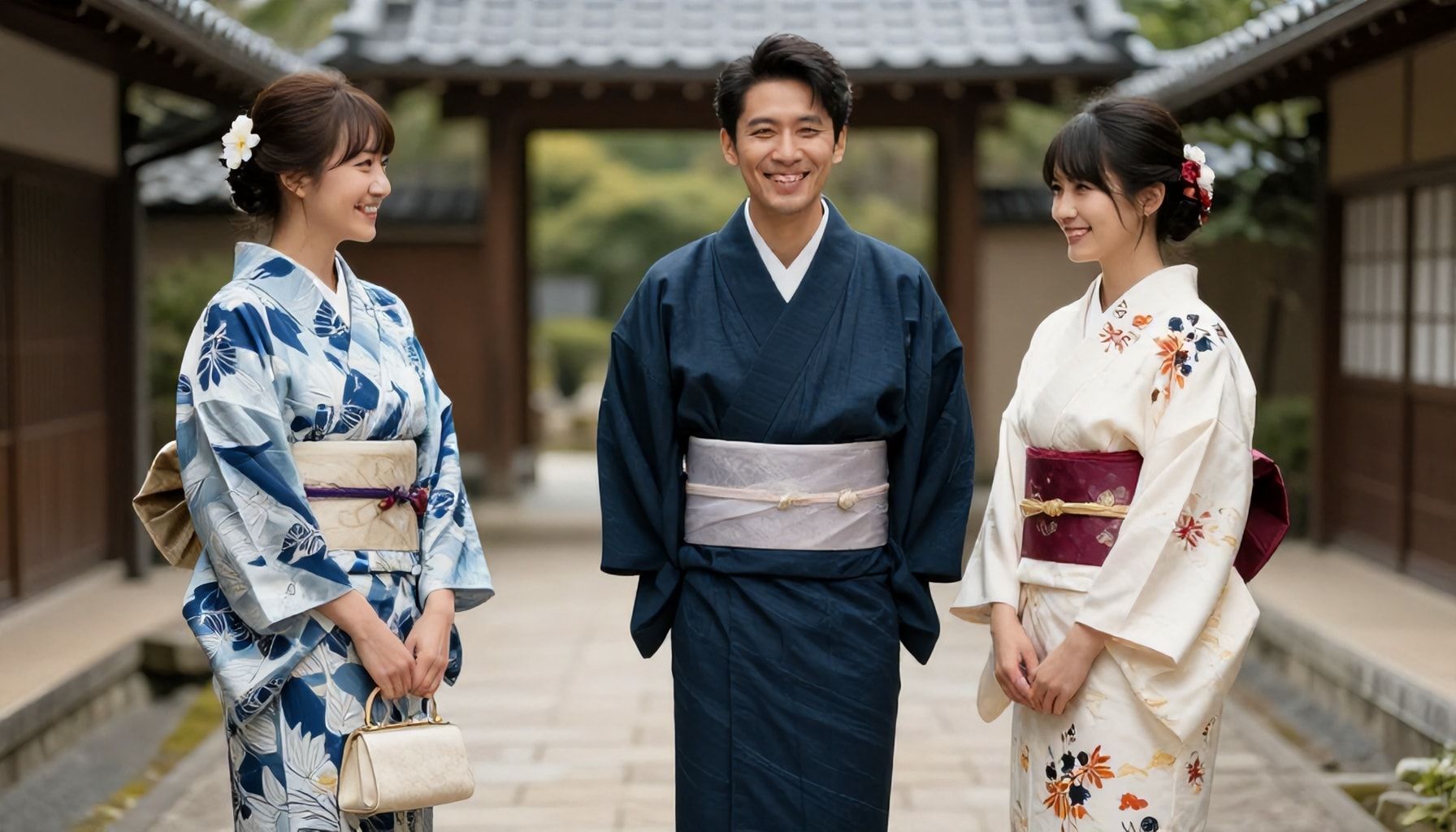
Modern Trends and Innovations
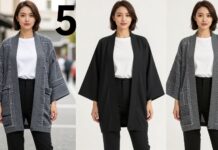
Traditional Japanese attire, particularly the yukata and kimono, has seen a resurgence in contemporary fashion. Designers are reinterpreting these garments, blending heritage with modern aesthetics. According to a 2023 report by the Japan Fashion Association, there’s been a 25% increase in demand for modernized kimono and yukata styles among younger generations.
Reflection: How do you think traditional clothing can be adapted to suit modern lifestyles?
Innovations in fabric technology have also played a significant role. Lightweight, breathable materials are now used to create yukatas and kimonos that are more comfortable and practical for everyday wear. This shift has made these garments more accessible to a global audience, not just those in Japan.
Another trend is the customization of yukatas and kimonos. Many brands now offer personalized designs, allowing customers to choose colors, patterns, and even add their own artwork. This trend has been particularly popular among millennials and Gen Z, who value individuality and self-expression.
- Lightweight, breathable fabrics
- Customizable designs
- Modern color palettes and patterns
- Versatile styling options
Reflection: What aspects of traditional clothing do you think are most important to preserve in modern designs?
Sustainability is another key trend. Many designers are now using eco-friendly dyes and sustainable materials to create yukatas and kimonos. This not only appeals to environmentally conscious consumers but also helps to preserve traditional dyeing techniques that have been used for centuries.
Understanding the differences between yukata and kimono empowers you to choose the right garment for any occasion. While kimono are formal, intricately designed pieces for special events, yukata offer a casual, breathable option perfect for summer festivals and relaxed settings. The materials, formality, and cultural significance set these two traditional Japanese garments apart, each with its own unique appeal. When deciding between the two, consider the event’s dress code and the season. For summer festivals or casual outings, a yukata provides comfort and style. As interest in traditional Japanese fashion grows globally, both yukata and kimono continue to evolve while maintaining their cultural roots, promising exciting innovations in design and accessibility.