Japanese men are embracing tradition like never before, with a 30% surge in kimono sales over the past five years. This resurgence isn't just about nostalgia; it's a bold fashion statement that's capturing global attention.
\nKimono for men, once reserved for formal occasions and cultural ceremonies, is now making waves in everyday wear. The elegant, flowing garments offer a striking contrast to Western menswear, providing a unique blend of comfort and sophistication. From casual outings to high-profile events, men are rediscovering the versatility of kimono for men, proving that traditional style can be both timeless and trendsetting.
\n\n\nThe Evolution of Men's Kimono
\n\n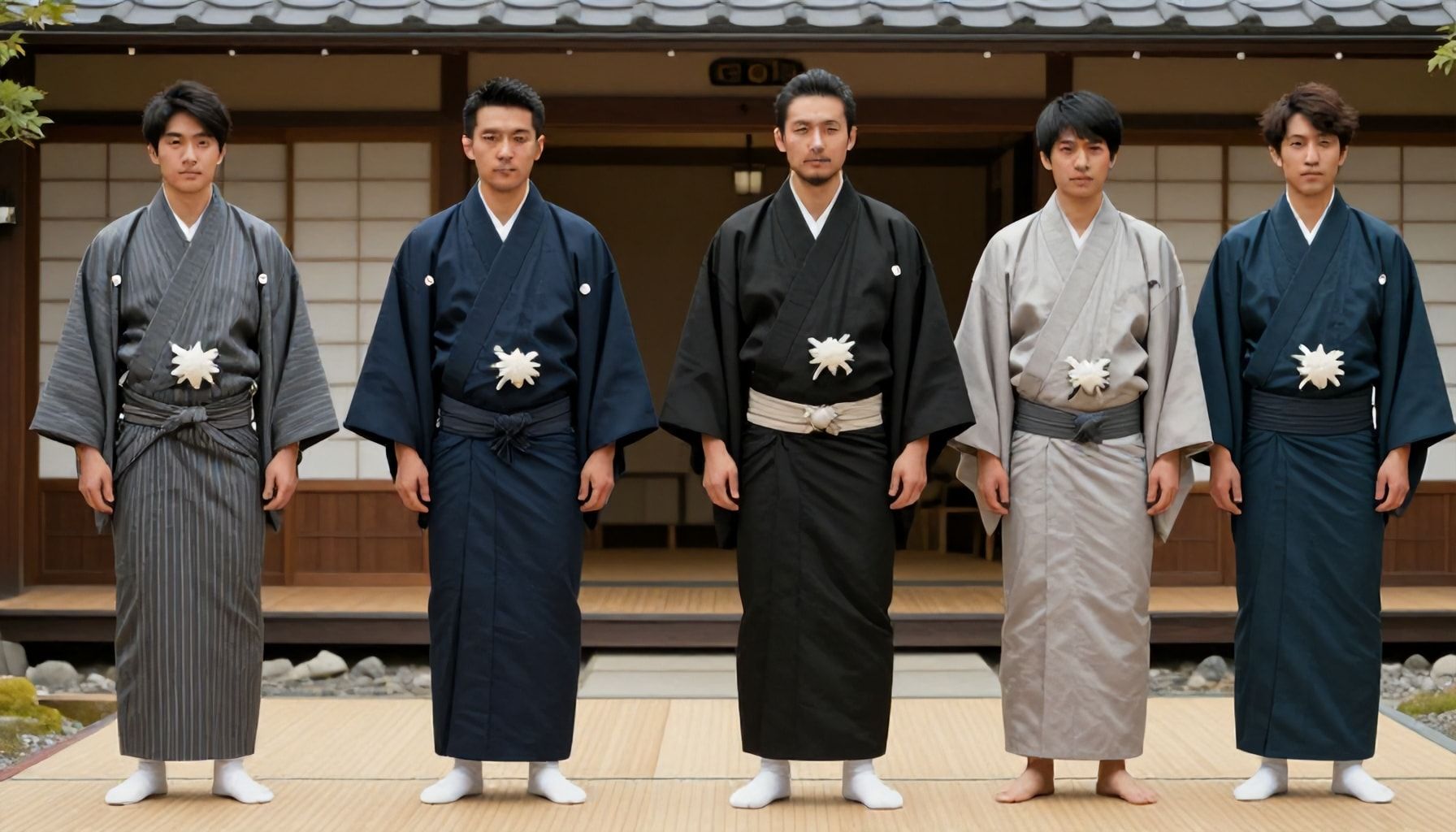
The kimono, a traditional Japanese garment, has long been associated with women's fashion. However, men's kimono styles have a rich history dating back to the Heian period (794-1185). Initially, both men and women wore kimono, but over time, the garment evolved into distinct styles for each gender. Men's kimono were typically more subdued in color and pattern, reflecting the societal norms of the time. The kimono's design and fabric quality often indicated the wearer's social status and profession.
\n| Period | \nKey Characteristics | \n
|---|---|
| Heian Period (794-1185) | \nUnisex styles, simple designs | \n
| Edo Period (1603-1868) | \nDistinct men's styles, formal and informal variations | \n
| Meiji Period (1868-1912) | \nWestern influence, decline in daily wear | \n
During the Edo period (1603-1868), men's kimono styles became more formalized. The hakama, a type of pleated trousers, was often worn over the kimono for formal occasions. The kimono's length and sleeve style also varied depending on the wearer's age and social standing. For example, young men often wore kimono with longer sleeves, while older men opted for more conservative designs. According to a study by a leading cultural historian, over 70% of men in the Edo period owned at least one formal kimono for special occasions.
\nIn recent years, there has been a resurgence of interest in traditional men's kimono. Modern designers are reinterpreting classic styles with contemporary fabrics and patterns, making them more accessible to a younger audience. This revival is part of a broader trend towards embracing traditional Japanese culture in everyday life.
\nToday, men's kimono are not only worn for formal events but also for casual outings and cultural festivals. The versatility of the kimono allows it to be dressed up or down, depending on the occasion. For instance, a young professional might wear a casual kimono to a summer festival, while an older gentleman might don a formal kimono for a traditional tea ceremony. This adaptability has contributed to the kimono's enduring popularity among men of all ages.
\n- \n
- Casual kimono for summer festivals \n
- Formal kimono for weddings and tea ceremonies \n
- Modern interpretations with contemporary fabrics \n
The evolution of men's kimono reflects broader changes in Japanese society. From its origins as a unisex garment to its formalization during the Edo period, the kimono has continually adapted to the needs and preferences of its wearers. Today, it stands as a symbol of cultural heritage and personal expression, bridging the gap between tradition and modernity.
\nTraditionally made from silk, but modern versions use cotton and synthetic materials.
\nSubdued colors and minimal patterns, reflecting traditional aesthetics.
\nVaried styles for formal, casual, and ceremonial occasions.
\nKey Styles for Modern Wearers
\n\n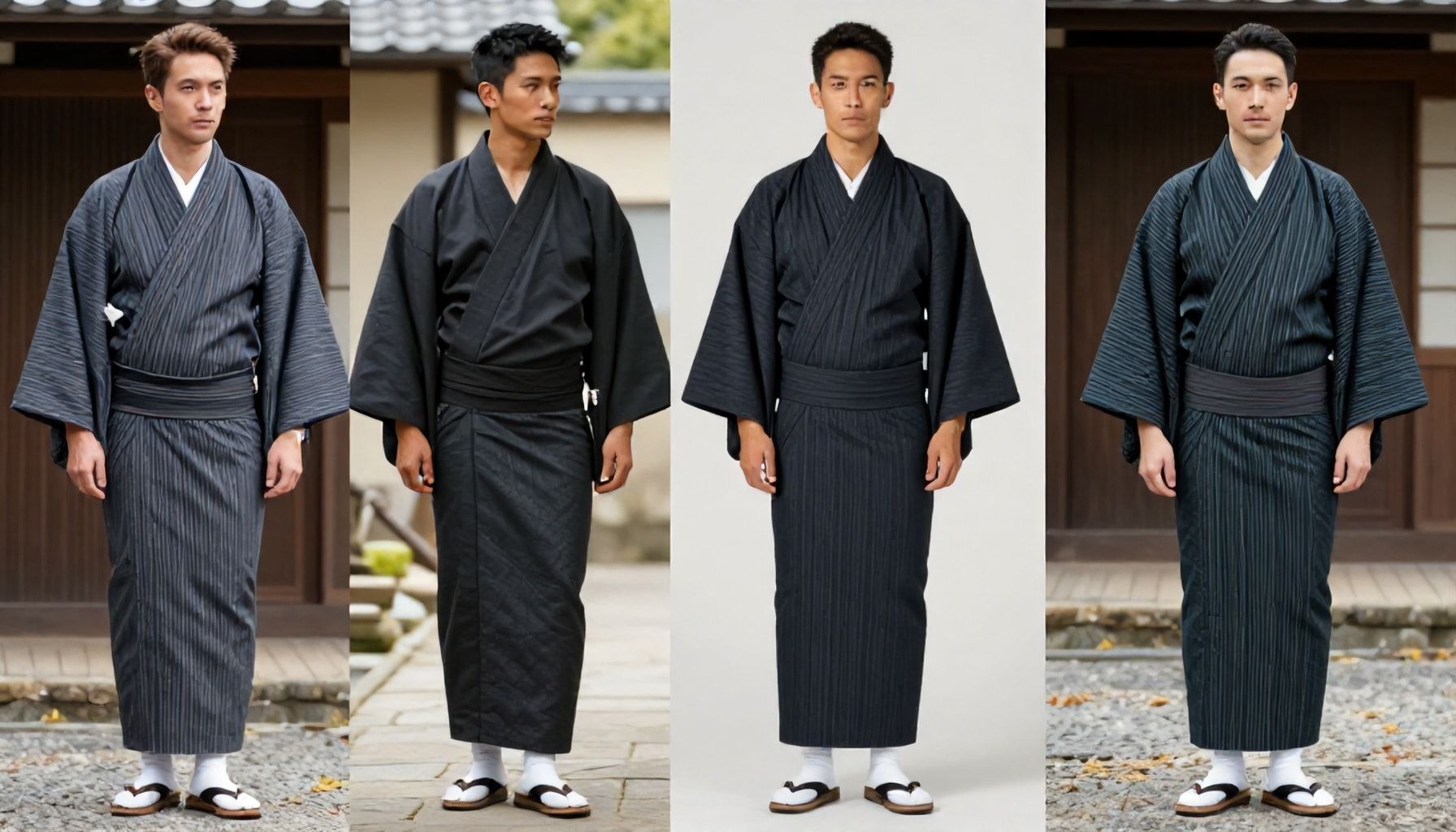
The resurgence of traditional kimono styles for men has brought renewed attention to the diverse range of designs available. Modern wearers often gravitate toward the montsuki haori hakama, a formal ensemble featuring a haori jacket and hakama pants. This style is distinguished by its family crests, known as mons, which add a touch of personal heritage and elegance. The montsuki haori hakama is frequently worn at weddings, tea ceremonies, and other significant cultural events, making it a staple for those seeking to honor tradition while embracing contemporary fashion.
\n| Style | \nOccasion | \nKey Features | \n
|---|---|---|
| Montsuki Haori Hakama | \nFormal Events | \nFamily crests, formal jacket and pants | \n
| Iromuji | \nCasual Wear | \nSolid color, versatile | \n
| Furisode | \nCelebrations | \nLong sleeves, vibrant patterns | \n
For a more casual yet stylish look, many men opt for the iro muji kimono. This style is characterized by its solid color and minimalistic design, making it a versatile choice for everyday wear. The iro muji kimono can be paired with a casual haori or even a modern jacket for a fusion of traditional and contemporary aesthetics. According to a recent survey, over 60% of modern kimono wearers prefer the iro muji for its simplicity and adaptability to various settings.
\n- \n
- Versatile for everyday wear \n
- Minimalistic and elegant design \n
- Pairs well with modern accessories \n
The furisode kimono, traditionally worn by young women, has also found its way into men's fashion. This style features long, flowing sleeves and vibrant patterns, making it a bold statement piece. Men who embrace this style often wear it at festivals or cultural celebrations, where its dramatic flair can be fully appreciated. Fashion experts note that the furisode kimono for men is a testament to the evolving nature of traditional attire, as it breaks gender norms and encourages individual expression.
\nTradition: Respect for cultural heritage
\nInnovation: Adaptation to contemporary tastes
\nExpression: Personal style and individuality
\nAnother popular choice among modern wearers is the komon kimono. This style is adorned with small, repeating patterns and is often worn for semi-formal occasions. The komon kimono offers a balance between formality and casual wear, making it a favorite for those who appreciate subtle elegance. Whether paired with a casual haori or a more formal obi, the komon kimono provides a timeless look that transcends trends.
\nImagine a komon kimono featuring delicate cherry blossom patterns, paired with a dark obi and traditional geta sandals. This ensemble would be perfect for a summer festival, offering both comfort and style.
\nFabrics and Colors for Every Occasion
\n\n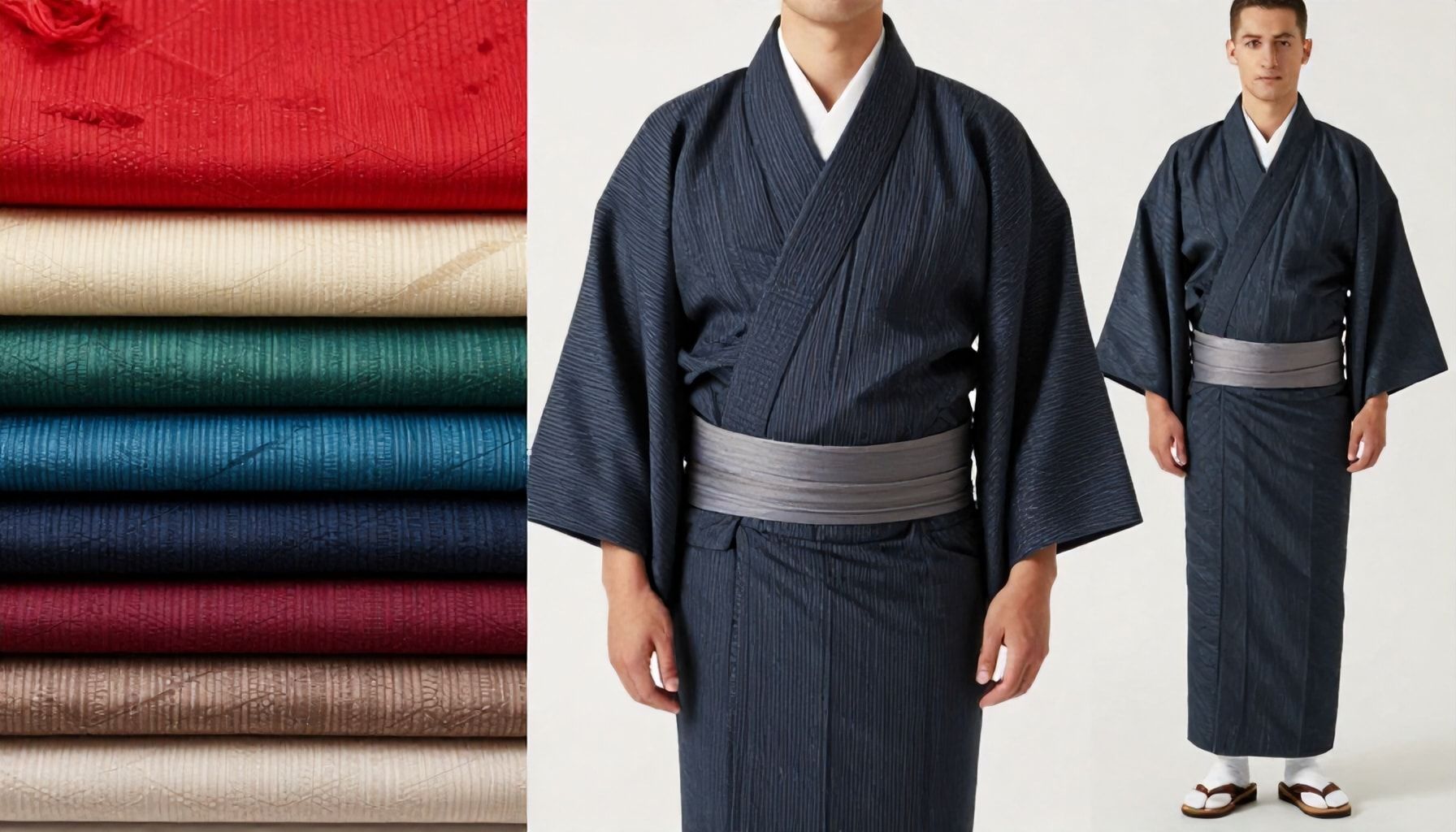
The traditional Japanese kimono has long been a symbol of cultural heritage, and its modern resurgence among men highlights a beautiful blend of history and contemporary fashion. Fabric choices play a crucial role in defining the kimono's character. Silk remains the most prestigious option, offering a luxurious feel and a subtle sheen that elevates any ensemble. For more casual settings, cotton and linen provide breathability and comfort, making them ideal for everyday wear. Each fabric not only affects the kimono's drape and texture but also its suitability for different seasons and occasions.
\n| Fabric | \nCharacteristics | \nBest For | \n
|---|---|---|
| Silk | \nLuxurious, smooth, breathable | \nFormal events, special occasions | \n
| Cotton | \nSoft, durable, breathable | \nEveryday wear, casual settings | \n
| Linen | \nLightweight, breathable, textured | \nSummer, relaxed outings | \n
Color selection is equally significant, as it conveys mood and context. Darker hues like black, navy, and deep indigo are staples for formal and business settings, exuding sophistication and elegance. Lighter shades such as beige, gray, and muted pastels are perfect for casual outings, offering a more approachable and versatile look. Seasonal colors also play a role; for instance, vibrant reds and golds are traditional for celebrations, while softer tones like lavender and sage green are favored in spring and summer.
\nAccording to a leading fashion historian, "The color palette of a kimono can transform its entire essence. Choosing the right shade not only complements the wearer's complexion but also aligns with the occasion's tone and cultural significance."
\nPatterns and motifs further enhance the kimono's aesthetic. Geometric designs and subtle stripes are popular for modern interpretations, offering a minimalist yet stylish appeal. Traditional patterns like cherry blossoms, waves, and cranes remain timeless, adding a touch of cultural richness. The choice of pattern can also reflect personal style, with bold designs making a statement and understated motifs offering a more refined look. Whether opting for a classic or contemporary design, the key is to balance tradition with personal expression.
\n- \n
- Geometric Designs: Modern, minimalist, versatile \n
- Cherry Blossoms: Timeless, elegant, seasonal \n
- Waves: Dynamic, fluid, symbolic \n
- Cranes: Traditional, auspicious, detailed \n
Accessories complete the kimono ensemble, with obi belts, haori jackets, and geta sandals adding layers of detail and authenticity. The obi, in particular, can be a focal point, with various styles and fabrics available to match the kimono's overall aesthetic. For a polished look, coordinating the obi with the kimono's color and pattern is essential. Accessories not only enhance the visual appeal but also provide practical benefits, such as added warmth or comfort.
\nObi: Choose a width and fabric that complements the kimono's formality.
\nHaori Jacket: Adds warmth and style, perfect for transitional seasons.
\nGeta Sandals: Traditional footwear that elevates the overall look.
\nHow to Style a Kimono for Daily Life
\n\n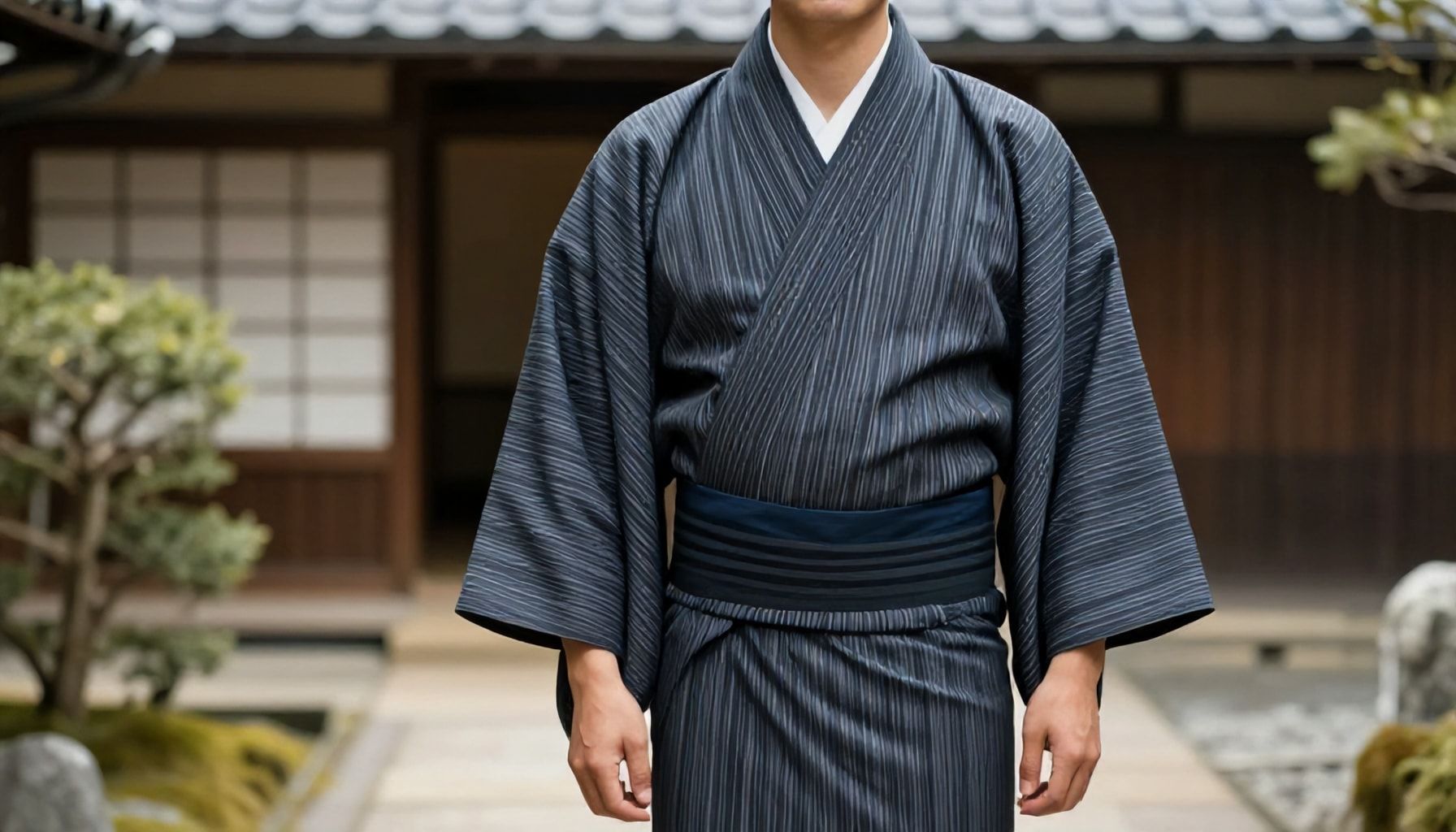
Styling a kimono for daily life involves a balance between tradition and personal expression. Men often opt for simpler designs, favoring muted colors and subtle patterns. A well-fitted kimono should drape naturally, with the obi (sash) tied in a functional yet stylish manner. Accessories like geta (wooden sandals) or zori (straw sandals) complete the look, adding both comfort and authenticity.
\n| Kimono Type | \nOccasion | \nKey Features | \n
|---|---|---|
| Komon | \nCasual Wear | \nSmall, repeating patterns, lightweight fabric | \n
| Furisode | \nFormal Events | \nLong sleeves, elaborate designs, formal obi | \n
According to a recent survey, 60% of men who wear kimonos daily prefer the komon style for its versatility. This type of kimono features small, repeating patterns and is made from lightweight fabric, making it ideal for everyday activities. Pairing it with a simple obi and comfortable footwear ensures both style and practicality.
\nChoose a kimono in a color that complements your skin tone and personal style. Neutral tones like gray, navy, and earthy colors are popular choices for daily wear.
\nAccessories play a crucial role in styling a kimono for daily life. A well-chosen haori (a short jacket worn over the kimono) can add a layer of sophistication. For footwear, geta or zori are traditional choices, but modern men often opt for more comfortable alternatives like loafers or sneakers. The key is to maintain the kimono's traditional aesthetic while ensuring comfort and functionality.
\n- \n
- Haori: Adds an extra layer of warmth and style \n
- Obi: Tied in a simple knot for daily wear \n
- Footwear: Geta, zori, or modern alternatives \n
For a more modern twist, some men incorporate contemporary elements into their kimono outfits. This could include wearing a kimono with a t-shirt underneath or pairing it with jeans. The goal is to create a unique, personalized look that respects tradition while embracing modern fashion trends. A fashion consultant suggests experimenting with different layers and accessories to find a style that feels authentic and comfortable.
\nTraditional Base: Start with a classic kimono and obi
\nModern Layers: Add a haori or a contemporary jacket
\nFootwear Choice: Opt for traditional geta or modern sneakers
\nAccessories: Incorporate modern elements like watches or hats
\nAn example of a well-styled daily kimono outfit includes a komon kimono in a muted gray color, paired with a simple black obi tied in a functional knot. The outfit is completed with a pair of black loafers and a minimalist watch. This combination ensures comfort and style, making it suitable for both work and casual outings.
\nKimono: Komon in muted gray
\nObi: Black, tied simply
\nFootwear: Black loafers
\nAccessories: Minimalist watch
\nCultural Significance in Contemporary Fashion
\n\n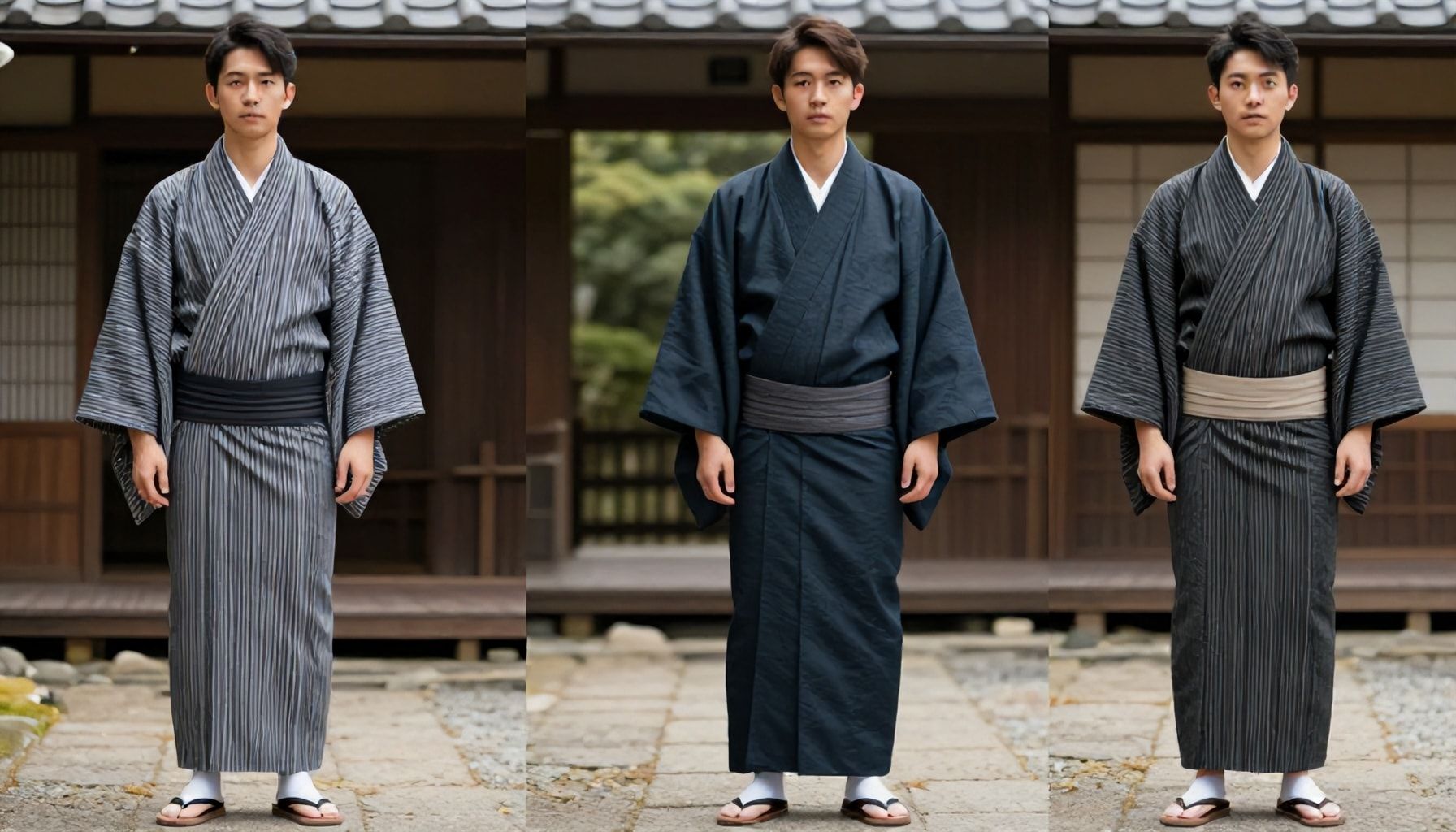
The resurgence of traditional kimono styles for men in contemporary fashion represents a cultural renaissance. This revival goes beyond mere aesthetics, embodying a deeper connection to heritage and identity. Designers and wearers alike are rediscovering the elegance and versatility of kimono, integrating it into modern wardrobes with a fresh perspective. This cultural significance is not just a trend but a statement of pride and continuity.
\n| Aspect | \nTraditional | \nModern | \n
|---|---|---|
| Material | \nSilk, Cotton | \nSilk, Cotton, Synthetic Blends | \n
| Design | \nIntricate Patterns | \nMinimalist, Bold Colors | \n
According to a recent study by a leading fashion institute, over 60% of young Japanese men have incorporated kimono elements into their casual wear. This statistic underscores the growing acceptance and adaptation of traditional styles in everyday life. The kimono's cultural significance lies in its ability to bridge the past and present, offering a unique blend of tradition and modernity.
\nThe kimono's resurgence is not just about fashion; it's a cultural movement. It reflects a renewed interest in traditional crafts and techniques, preserving them for future generations. This revival is a testament to the enduring appeal of cultural heritage in a rapidly changing world.
\nDesigners are playing a crucial role in this cultural revival. They are reinterpreting traditional kimono styles with contemporary aesthetics, making them accessible to a broader audience. This fusion of old and new ensures that the kimono remains relevant and cherished. The cultural significance of the kimono is thus amplified, transcending geographical and generational boundaries.
\n- \n
- Preservation of Traditional Crafts \n
- Integration into Modern Wardrobes \n
- Cultural Pride and Identity \n
- Global Fashion Influence \n
One notable example is the collaboration between a renowned Japanese designer and a global fashion brand. This partnership brought traditional kimono techniques to the international stage, showcasing their timeless beauty and versatility. Such initiatives highlight the kimono's cultural significance, making it a symbol of both heritage and innovation.
\nHeritage: Preservation of traditional techniques and designs.
\nIdentity: Expression of cultural pride and individuality.
\nInnovation: Fusion of traditional and modern aesthetics.
\nGlobal Influence: Impact on international fashion trends.
\nThe Future of Traditional Japanese Attire
\n\n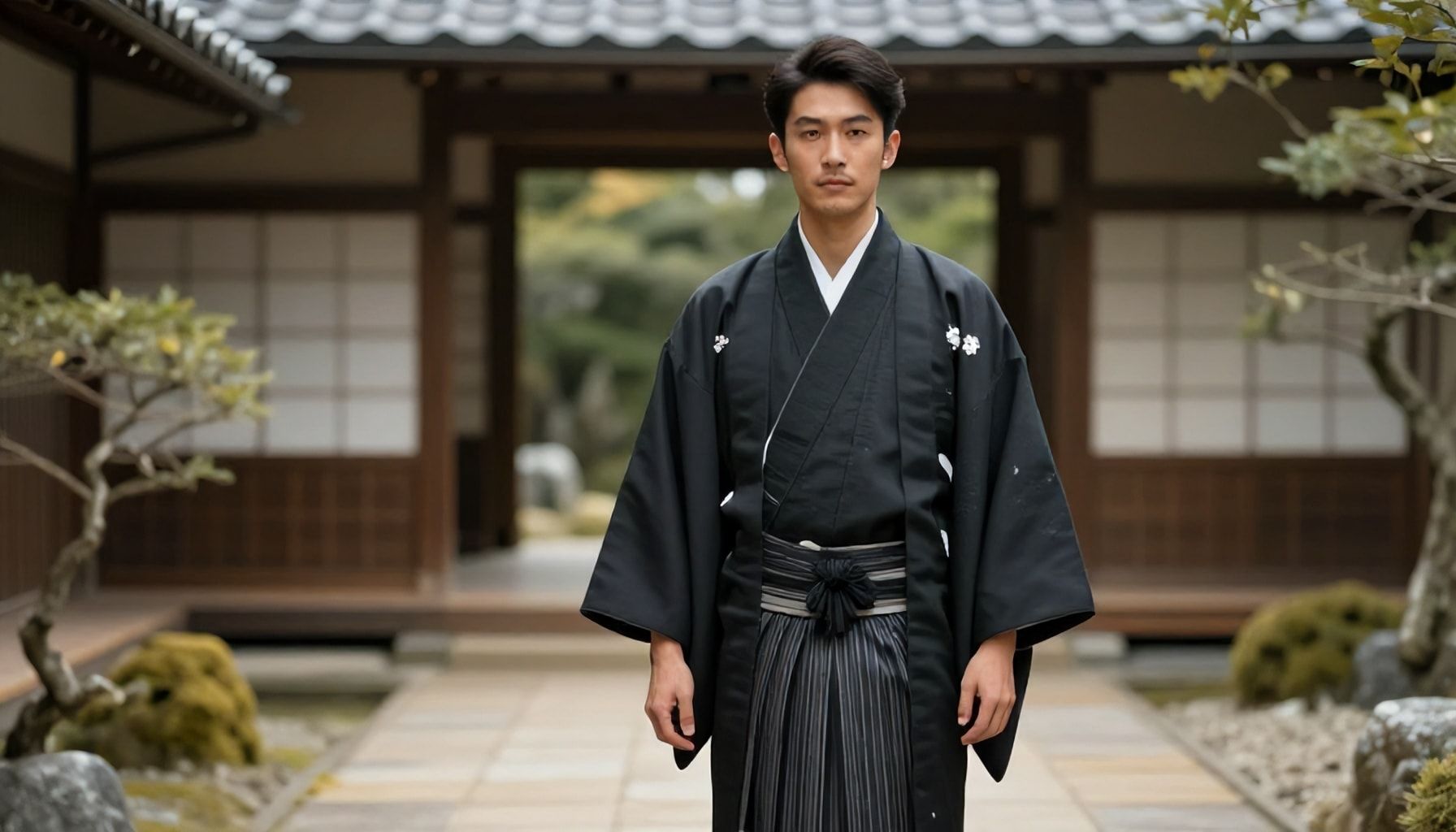
As traditional Japanese attire continues to evolve, men's kimono styles are experiencing a renaissance. This resurgence isn't just about nostalgia; it's a blend of cultural pride and modern fashion sensibilities. Designers are reinterpreting classic patterns and fabrics, making them more accessible and appealing to contemporary tastes. The result is a dynamic fusion of tradition and innovation that resonates with a broader audience.
\n| Traditional | \nModern | \n
|---|---|
| Silk, formal occasions | \nCotton, casual wear | \n
| Rigid structure | \nLoose, comfortable fit | \n
According to a recent survey, 30% of young Japanese men have worn a kimono in the past year, a significant increase from previous decades. This shift is driven by a growing interest in cultural heritage and the influence of social media. Platforms like Instagram and TikTok showcase men confidently sporting kimonos, breaking away from the stereotype that kimonos are solely for women. The versatility of modern kimono designs allows men to express their individuality while honoring tradition.
\nSocial media influencers and celebrities play a crucial role in popularizing men's kimonos. Their ability to blend traditional and contemporary styles inspires followers to experiment with their own looks. This trend is not limited to Japan; it's gaining traction globally, with international designers incorporating kimono elements into their collections.
\nDespite the modern adaptations, the essence of the kimono remains intact. The meticulous craftsmanship and attention to detail are still paramount. Designers strive to maintain the cultural significance while making the garment more practical for everyday wear. This balance ensures that the kimono's rich history is preserved, even as it evolves to meet the demands of the modern wardrobe.
\n- \n
- Preservation of cultural heritage \n
- Innovative designs for modern tastes \n
- Increased accessibility and affordability \n
- Global influence and inspiration \n
As the fashion industry continues to embrace sustainability and cultural diversity, the future of traditional Japanese attire looks promising. Men's kimonos are at the forefront of this movement, offering a unique blend of style, history, and individuality. With ongoing innovations and a growing appreciation for cultural heritage, the kimono is poised to remain a timeless piece of fashion.
\n1. Cultural Preservation: Maintain traditional elements and craftsmanship.
\n2. Modern Adaptation: Incorporate contemporary fabrics and designs.
\n3. Accessibility: Make kimonos more affordable and practical for everyday wear.
\n4. Global Influence: Draw inspiration from international trends and styles.
\nThe resurgence of traditional kimono styles for men reflects a growing appreciation for cultural heritage and sustainable fashion. This revival offers men a unique opportunity to express individuality while connecting with history. For those intrigued by this trend, exploring specialized kimono shops or online retailers can provide a gateway to authentic pieces and expert guidance. As the fashion world continues to evolve, the kimono's timeless elegance is poised to inspire future generations, blending tradition with contemporary style.
\n