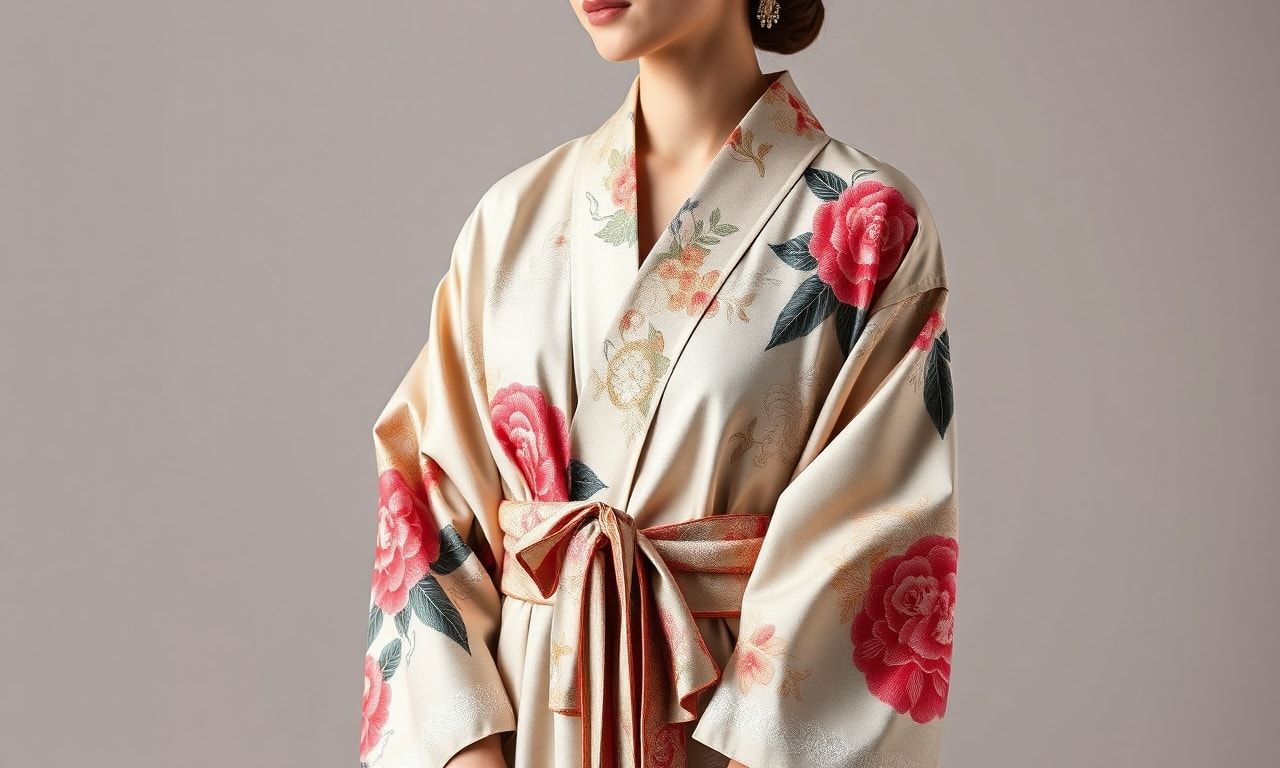
The Kimono: A Symbol of Japanese Heritage
The kimono, a traditional Japanese garment, is more than just a piece of clothing; it is a symbol of cultural heritage and elegance. The word ‘kimono’ translates to ‘thing to wear’ in English, but its significance goes far beyond its literal meaning. For centuries, the kimono has been an integral part of Japanese culture, reflecting the wearer’s social status, age, and even marital status. The intricate designs and high-quality fabrics used in kimonos make them a timeless piece of art that continues to inspire fashion enthusiasts worldwide.
The Evolution of the Kimono in Modern Fashion
While the kimono has deep-rooted traditions, its influence on modern fashion is undeniable. Designers have continually reimagined the kimono, blending traditional elements with contemporary styles. The kimono-inspired fashion trends seen on runways and in street style showcase the garment’s versatility. From bold prints and vibrant colors to minimalist designs, the kimono has evolved to fit various aesthetics and preferences. This fusion of old and new makes the kimono a unique and adaptable piece in any wardrobe.
Kimono-Inspired Fashion Trends
One of the most notable trends is the kimono robe, which has become a popular choice for both casual and formal wear. These robes are often made from lightweight fabrics like silk or cotton, making them perfect for layering over dresses or wearing as a beach cover-up. Another trend is the kimono jacket, which adds a touch of elegance to any outfit. Paired with jeans and a simple top, a kimono jacket can transform a casual look into a stylish ensemble. For those who love bold statements, the kimono dress is a fantastic option. These dresses feature intricate patterns and vibrant colors, making them perfect for special occasions or a night out.
Styling Tips for Kimono Enthusiasts
Incorporating a kimono into your wardrobe can be a fun and creative process. Here are some styling tips to help you make the most of this versatile garment:
- Layering: Kimonos are perfect for layering. Try wearing a kimono robe over a simple dress or a kimono jacket over a casual top and jeans.
- Accessories: Pair your kimono with complementary accessories like a wide-brimmed hat, statement jewelry, or a stylish belt to enhance the overall look.
- Color Coordination: Choose a kimono with colors that complement your existing wardrobe. Neutral tones like black, white, and beige are versatile, while bold colors can add a pop of excitement to your outfit.
- Occasion Appropriate: Consider the occasion when selecting a kimono. A lightweight, vibrant kimono is perfect for a summer day out, while a more formal, intricately designed kimono is ideal for special events.
The Cultural Significance of the Kimono
The kimono is deeply rooted in Japanese culture and holds significant cultural value. Traditionally, kimonos were worn for special occasions such as weddings, tea ceremonies, and festivals. The intricate designs and patterns often tell a story or represent a specific season. For example, cherry blossom patterns are popular in spring, while autumn leaves are common in fall. Understanding the cultural significance of the kimono can enhance your appreciation for this beautiful garment and the traditions it represents.
For those interested in learning more about the cultural aspects of the kimono, exploring articles recommandés liste lecture can provide valuable insights. These articles delve into the history, symbolism, and modern interpretations of the kimono, offering a deeper understanding of its cultural importance.
Caring for Your Kimono
To ensure your kimono remains in excellent condition, proper care is essential. Here are some tips for maintaining the quality and longevity of your kimono:
- Storage: Store your kimono in a cool, dry place away from direct sunlight. Use a breathable garment bag to protect it from dust and moisture.
- Cleaning: Always follow the care instructions provided by the manufacturer. Many kimonos require professional dry cleaning to preserve their delicate fabrics and intricate designs.
- Handling: Handle your kimono with care, especially when wearing or removing it. Avoid pulling or tugging on the fabric to prevent damage.
- Repairs: If your kimono becomes damaged, seek professional repair services to ensure it is restored to its original condition.
Conclusion
The kimono is a timeless piece of fashion that continues to inspire and captivate fashion enthusiasts worldwide. Its rich cultural heritage, versatility, and elegance make it a valuable addition to any wardrobe. Whether you are a seasoned kimono wearer or a newcomer to this beautiful garment, incorporating a kimono into your style can add a touch of sophistication and cultural richness to your outfits. Embrace the timeless elegance of the kimono and discover the endless possibilities it offers in the world of fashion.
As you curate your dream lifestyle, consider delving into the world of global real estate with our insightful piece on London versus Paris property trends, offering a unique perspective on these iconic fashion capitals.
As the seasons change, so do our wardrobes; discover how to master the art of seasonal styling with our latest feature, weather-appropriate fashion essentials.