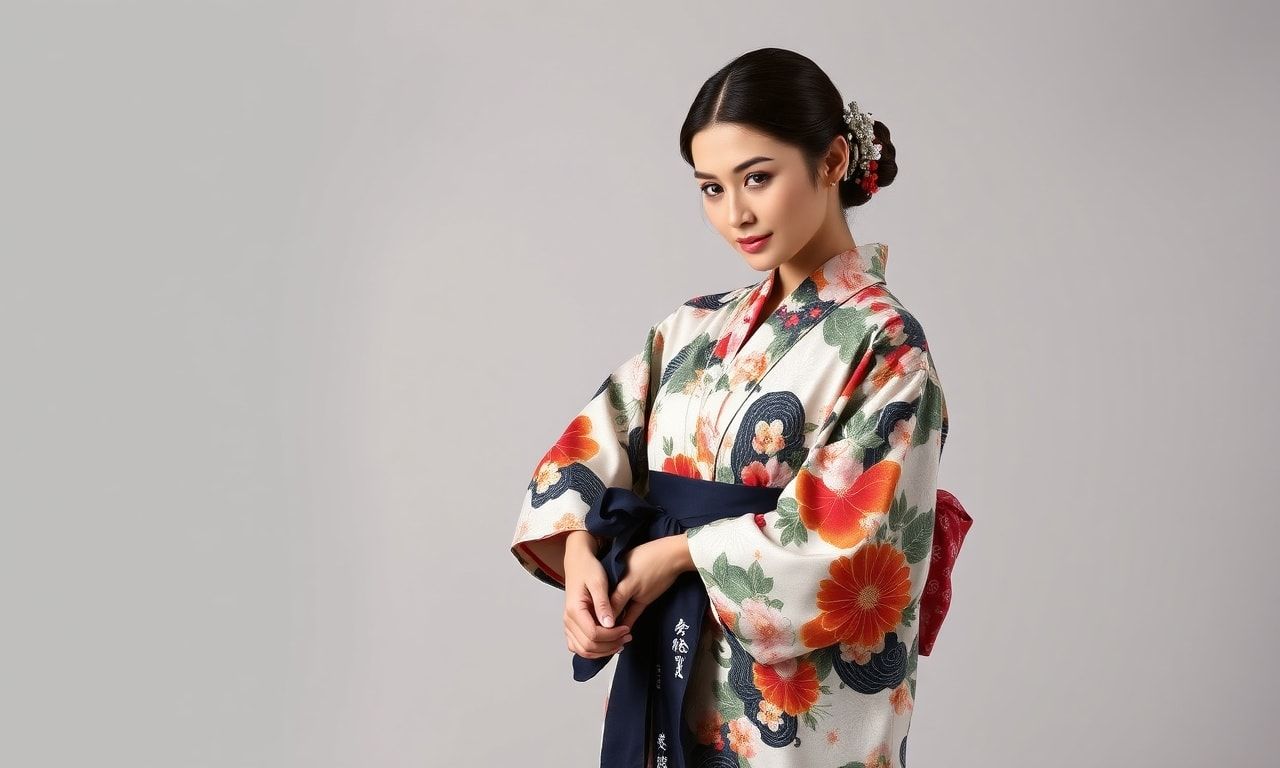
The Art of Kimono: More Than Just a Garment
The kimono, a traditional Japanese garment, is a symbol of elegance and cultural heritage that has transcended time and borders. Far more than just a piece of clothing, the kimono is a work of art that embodies the essence of Japanese aesthetics and craftsmanship. Each kimono tells a story, reflecting the wearer’s personality, social status, and the occasion it is worn for. The intricate designs, vibrant colors, and meticulous craftsmanship make the kimono a timeless fashion statement that continues to inspire contemporary styles.
The Evolution of Kimono Fashion
The history of the kimono dates back to the Heian period (794-1185), where it evolved from simple, straight-lined robes to the more elaborate and sophisticated designs we see today. Over the centuries, the kimono has undergone various transformations, influenced by social changes, political events, and cultural exchanges. The Edo period (1603-1868) marked a significant evolution in kimono fashion, with the emergence of vibrant colors, intricate patterns, and the use of luxurious fabrics. This period also saw the development of different types of kimono, such as the furisode (a long-sleeved kimono worn by young women) and the tomesode (a formal kimono for married women).
Kimono in Modern Fashion
While the kimono remains a cherished symbol of Japanese tradition, it has also found its way into modern fashion. Designers worldwide have drawn inspiration from the kimono’s elegant lines and intricate designs, incorporating elements of this traditional garment into contemporary clothing. The kimono’s influence can be seen in various fashion trends, from the use of obi belts in modern outfits to the incorporation of kimono-inspired prints and patterns in Western clothing. Additionally, the kimono has become a popular choice for special occasions, such as weddings and cultural events, where it serves as a unique and elegant alternative to traditional Western attire.
Styling Tips for Wearing a Kimono
Wearing a kimono can be a delightful experience, but it requires some knowledge of the proper techniques and accessories. Here are some helpful tips for styling a kimono:
- Choose the Right Fabric: Kimonos are made from various fabrics, including silk, cotton, and synthetic materials. Silk kimonos are ideal for formal occasions, while cotton kimonos are more suitable for casual wear.
- Understand the Occasion: Different types of kimono are worn for specific occasions. For example, a furisode is typically worn by young, unmarried women for coming-of-age ceremonies and other formal events, while a yukata is a casual summer kimono.
- Accessories Matter: The right accessories can elevate your kimono outfit. Consider adding a decorative obi belt, zori sandals, and traditional Japanese hair ornaments to complete the look.
- Seek Helpful Resources: If you’re new to wearing a kimono, it can be helpful to consult helpful resources online guide to learn more about the different types of kimono, how to wear them, and the cultural significance behind them.
The Cultural Significance of Kimono
The kimono is deeply rooted in Japanese culture and tradition. It is not just a piece of clothing but a symbol of identity, social status, and cultural heritage. The kimono is often worn during significant life events, such as weddings, tea ceremonies, and festivals, where it serves as a visual representation of the wearer’s connection to their cultural roots. Additionally, the kimono plays a crucial role in traditional Japanese arts, such as tea ceremonies, dance performances, and theater, where it is worn by performers to enhance the authenticity and aesthetic appeal of the performance.
Preserving the Art of Kimono
As the world becomes increasingly globalized, there is a growing concern about the preservation of traditional crafts and cultural practices. The art of making and wearing the kimono is no exception. Efforts are being made to preserve this cultural heritage through various initiatives, such as:
- Educational Programs: Schools and cultural institutions offer courses and workshops on kimono history, craftsmanship, and styling to educate the younger generation about this traditional art form.
- Cultural Events: Festivals and exhibitions showcase the beauty and diversity of kimono fashion, attracting both locals and tourists. These events provide a platform for kimono artisans to display their work and share their knowledge with a wider audience.
- Modern Adaptations: Designers are incorporating traditional kimono elements into contemporary fashion, creating a fusion of old and new that appeals to a broader audience. This not only helps to preserve the art of kimono but also introduces it to new generations.
The kimono is a timeless symbol of elegance and cultural heritage that continues to inspire and captivate fashion enthusiasts worldwide. Whether worn for special occasions or incorporated into modern outfits, the kimono’s beauty and significance endure. By understanding and appreciating the art of kimono, we can help preserve this cultural treasure for future generations to enjoy.
As the temperatures rise, so do the style stakes, and this summer is all about making a bold statement with your wardrobe. Discover the vibrant trends set to dominate with our guide to summer’s hottest fashion moments.
As you curate your wardrobe with the latest trends, ensure your shopping experience is both stylish and secure by exploring safety tips for fashion lovers.