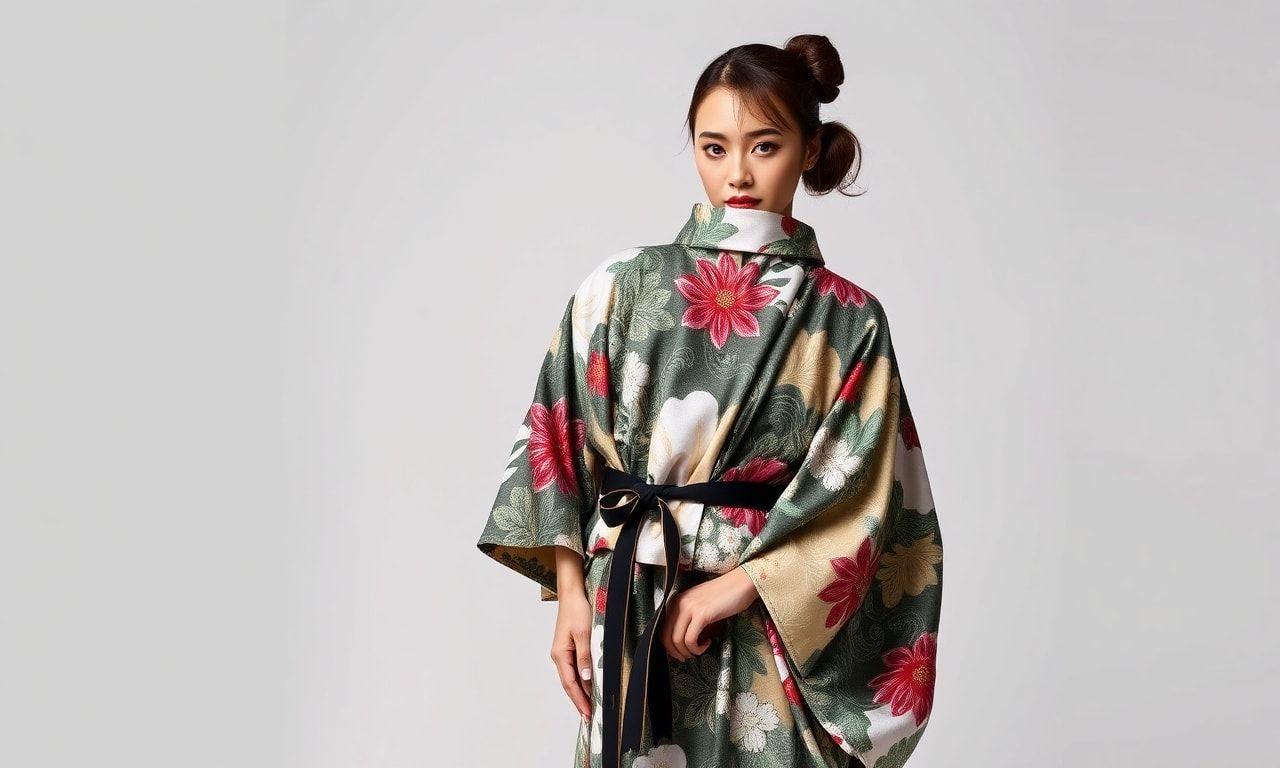
The Kimono: A Timeless Symbol of Elegance
The kimono, a traditional Japanese garment, has long been a symbol of elegance and cultural heritage. Its intricate designs and meticulous craftsmanship have captivated fashion enthusiasts worldwide. In recent years, the kimono has experienced a resurgence in popularity, not just as a cultural artifact but as a versatile piece in modern fashion. This revival is part of a broader movement towards sustainable and ethical fashion, where traditional techniques and materials are celebrated for their durability and environmental benefits.
The kimono’s design principles emphasize simplicity and functionality, making it a perfect candidate for contemporary fashion. Its T-shaped silhouette, straight lines, and absence of pockets or closures highlight the beauty of minimalism. This simplicity is not only aesthetically pleasing but also practical, as it allows for easy customization and adaptation to different body types and styles. The kimono’s versatility makes it a staple in any wardrobe, whether worn as a dress, a coat, or a stylish layering piece.
The Modern Kimono: A Fusion of Tradition and Innovation
The modern kimono is a fusion of traditional craftsmanship and contemporary design. Designers are increasingly incorporating sustainable materials and ethical practices into their creations, ensuring that the kimono remains a timeless piece while addressing modern concerns about environmental impact. The use of organic fabrics, such as hemp and bamboo, and natural dyes reduces the environmental footprint of kimono production. These materials not only benefit the planet but also offer unique textures and colors that enhance the kimono’s aesthetic appeal.
Innovative designers are also experimenting with new techniques to create kimonos that are both stylish and sustainable. For example, some designers are using upcycled fabrics and vintage textiles to create one-of-a-kind pieces that tell a story. This approach not only reduces waste but also adds a layer of depth and history to the garment. The result is a kimono that is not only beautiful but also meaningful, reflecting the wearer’s commitment to sustainable living news and ethical fashion.
Styling the Kimono: Tips for Every Occasion
The kimono’s versatility makes it a perfect piece for a variety of occasions, from casual outings to formal events. Here are some tips for styling the kimono to suit different settings:
- Casual Wear: Pair a lightweight, colorful kimono with jeans and a simple T-shirt for a relaxed yet stylish look. The kimono can be worn open or tied at the waist, depending on the desired level of coverage.
- Office Attire: Opt for a more structured kimono in neutral tones to create a professional yet fashionable ensemble. Layer it over a blouse and tailored pants for a polished look.
- Evening Wear: Choose a kimono with intricate embroidery and rich fabrics for a glamorous evening outfit. Pair it with a sleek dress or elegant separates to create a stunning, head-turning look.
Accessories play a crucial role in completing the kimono look. Traditional obi belts can be used to cinch the waist and add a touch of authenticity. Modern accessories, such as statement jewelry and stylish footwear, can also enhance the overall aesthetic. The key is to balance traditional elements with contemporary pieces to create a harmonious and fashionable ensemble.
The Cultural Significance of the Kimono
The kimono is more than just a piece of clothing; it is a cultural icon that represents the rich heritage of Japan. Wearing a kimono is a way to connect with this heritage and appreciate the artistry and craftsmanship that go into its creation. The kimono’s designs often feature motifs inspired by nature, such as flowers, birds, and landscapes, reflecting the deep connection between Japanese culture and the natural world.
In addition to its aesthetic value, the kimono holds significant cultural significance. It is often worn during traditional ceremonies and celebrations, such as weddings, tea ceremonies, and festivals. The kimono’s intricate designs and symbolic motifs convey messages of good fortune, prosperity, and happiness. By wearing a kimono, individuals can honor these traditions and celebrate the cultural heritage that it represents.
The Future of the Kimono in Fashion
The future of the kimono in fashion looks bright, as more designers and consumers embrace sustainable and ethical practices. The kimono’s timeless design and versatility make it a perfect candidate for the modern wardrobe, where functionality and style are equally important. As the fashion industry continues to evolve, the kimono will likely play a significant role in shaping the future of sustainable and ethical fashion.
In conclusion, the kimono is a timeless piece that transcends cultural and temporal boundaries. Its elegant design, rich heritage, and commitment to sustainability make it a valuable addition to any wardrobe. By embracing the kimono, individuals can celebrate the beauty of traditional craftsmanship while contributing to a more sustainable and ethical fashion industry.
Curious about what’s next in fashion? Discover the freshest styles and must-have looks with our guide to 2024’s top fashion trends, setting the stage for a bold new era in style.
As workwear evolves with remote trends, discover how these changes are reshaping New York’s fashion scene and influencing your next wardrobe update.
As we strive to dress our little ones in the latest trends, let’s not forget the importance of their well-being; discover essential nutrition tips for kids to keep them healthy and happy.