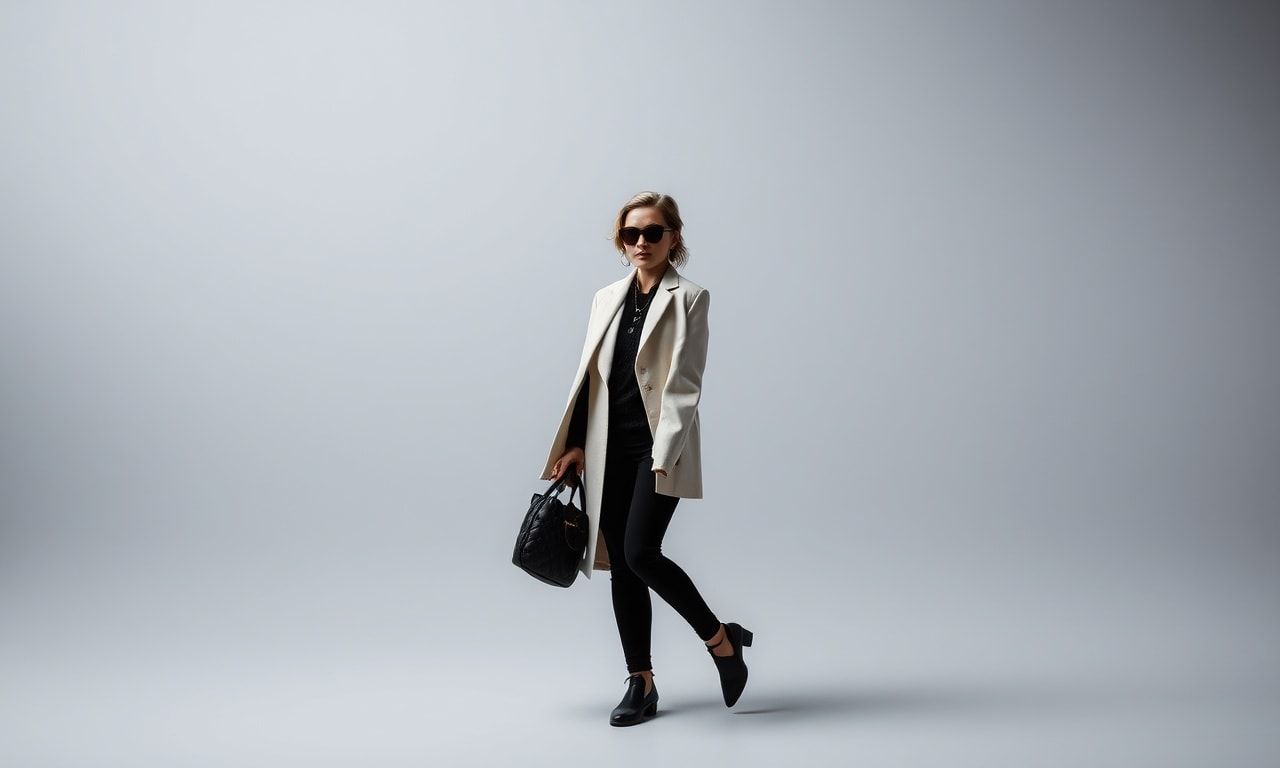
The Power of Cinema in Shaping Fashion
Fashion and film have always shared a symbiotic relationship. Cinema, as a visual medium, has the power to influence fashion trends on a global scale. Iconic movies often introduce new styles, colors, and silhouettes that captivate audiences and inspire real-life fashion choices. The glamour and elegance portrayed in films can make a significant impact on the fashion industry, often leading to the revival of classic styles or the birth of entirely new trends.
One of the most notable examples of this influence is the resurgence of vintage fashion. Films set in different eras often bring back the styles of those times, making them popular once again. For instance, the 1990s saw a revival of 1920s flapper dresses and 1950s rockabilly styles, thanks to movies like “The Great Gatsby” and “Grease.” This cyclical nature of fashion, driven by cinematic inspiration, continues to shape the way we dress today.
In addition to vintage styles, cinema also introduces futuristic and avant-garde fashion. Movies like “Blade Runner” and “The Matrix” have inspired futuristic fashion trends, characterized by metallic fabrics, asymmetrical cuts, and bold colors. These trends often find their way into high fashion and streetwear, showcasing the far-reaching influence of film on the fashion industry.
The Role of Costume Designers
Costume designers play a crucial role in bringing a film’s fashion elements to life. They work closely with directors to create costumes that not only fit the characters but also enhance the story’s visual appeal. The costumes in a film can convey a character’s personality, background, and even their emotional state, making them an integral part of the storytelling process.
Some of the most iconic fashion moments in cinema are the result of brilliant costume design. For example, the little black dress worn by Audrey Hepburn in “Breakfast at Tiffany’s” became a timeless fashion staple. Similarly, the vibrant and eclectic outfits in “The Devil Wears Prada” showcased the power of fashion in both the film and real life. These moments highlight the importance of costume design in shaping fashion trends and inspiring audiences.
Costume designers often collaborate with top fashion houses and designers to create unique and memorable looks for their films. This collaboration not only elevates the film’s aesthetic but also brings attention to the designers and their work. As a result, the fashion industry benefits from the increased visibility and exposure, further solidifying the connection between film and fashion.
The Influence of Film on Beauty Trends
In addition to clothing, film also influences beauty trends. The makeup and hairstyles seen in movies often become popular among audiences, leading to a surge in demand for specific products and services. For example, the smoky eye makeup and voluminous hair seen in “Mad Men” inspired a retro beauty trend that swept the nation. Similarly, the natural and dewy makeup looks in “La La Land” became a popular choice for many women.
Beauty trends from films often reflect the cultural and societal values of the time. For instance, the bold and dramatic makeup looks in “Moulin Rouge” and “Chicago” captured the glamour and excess of the early 2000s. On the other hand, the minimalist and natural beauty trends in “The Virgin Suicides” and “Little Women” reflected a more understated and elegant aesthetic. These trends not only influence the way we dress but also shape our perceptions of beauty and style.
To learn more about the latest trends in the film and fashion industries, you can visit 北京影视行业趋势分析. This resource provides valuable insights into the ever-evolving world of cinema and its impact on fashion.
The Impact of Social Media
In today’s digital age, social media plays a significant role in amplifying the influence of film on fashion. Platforms like Instagram, Pinterest, and TikTok allow audiences to share and discover fashion trends inspired by their favorite movies. Hashtags, challenges, and viral posts contribute to the rapid dissemination of these trends, making them accessible to a global audience.
Social media also enables fashion enthusiasts to recreate looks from their favorite films, often sharing their interpretations with the online community. This user-generated content not only showcases the versatility of film-inspired fashion but also encourages creativity and self-expression. As a result, the connection between film and fashion continues to grow stronger, driven by the power of social media.
Moreover, social media platforms provide a space for fashion brands and designers to collaborate with filmmakers and influencers. These collaborations often result in exclusive collections, limited-edition releases, and promotional campaigns that further blur the lines between film and fashion. By leveraging the influence of social media, the fashion industry can reach a wider audience and create a more immersive and engaging experience for consumers.
Conclusion
The relationship between fashion and film is a dynamic and ever-evolving one. Cinema has the power to inspire and influence fashion trends, while fashion, in turn, enhances the visual appeal of films. From iconic costumes to beauty trends, the connection between these two industries is undeniable. As we continue to explore the intersection of fashion and film, we can expect to see even more innovative and exciting collaborations that push the boundaries of style and creativity.
Whether you’re a fashion enthusiast or a film buff, understanding the influence of cinema on fashion can provide valuable insights into the world of style. By staying informed about the latest trends and collaborations, you can stay ahead of the curve and make informed fashion choices that reflect your unique personality and sense of style.
Dive into the captivating world of glamour and style with our latest feature, cinema's fashion influence revealed, where we explore how film and fashion intertwine to create iconic trends.