Let’s Talk About Kimonos, Shall We?
Look, I’ve been in this biz for 22 years. I’ve seen trends come and go, and honestly, some of them make me wanna scream. But nothing gets my goat quite like the way Western fashion has been butchering the kimono.
It started innocently enough. About three months ago, I was at a conference in Austin, and some designer was prattling on about ‘elevating’ the kimono. I nearly choked on my coffee. Elevated? More like eviscerated.
Let me set the scene. Last Tuesday, I was over coffee at the place on 5th with my friend Marcus (let’s call him that, his real name’s boring). He’s a colleague named Dave’s cousin, and he’s got this habit of sending me pictures of outfits that make me want to cry. This time, it was a ‘kimono-inspired’ number that looked like someone had draped a bedsheet over a mannequin.
I said, “Marcus, this isn’t a kimono. It’s a bad Halloween costume.” He said, “But it’s trendy!” Which… yeah. Fair enough. But trendy doesn’t mean accurate.
I’ve had it up to here with cultural appropriation disguised as fashion. So, let’s talk about kimonos. The real ones.
What Even Is a Kimono?
First off, a kimono isn’t just a robe. It’s not a dress. It’s not a ‘statement piece.’ It’s a traditional Japanese garment with a history that goes back, like, a thousand years. It’s got structure, rules, symbolism. It’s not just something you throw on to “elevate” an outfit.
I remember when I first learned about kimonos. It was 1999, and I was interning at a tiny magazine in New York. There was this woman, let’s call her Yumi, who would wear the most gorgeous kimonos to work. They were silk, heavy, beautifully patterned. She’d spend hours getting ready, and it showed.
“It’s not just clothing,” she told me. “It’s art. It’s respect. You don’t just put it on.” And she was right. But does anyone in the West get that? Nope.
The Western Butchery
Oh, where do I even start? The short kimono dresses? The “kimono-style” tops that are just regular tops with sleeves that are, like, three inches longer? The prints that have about as much to do with Japanese culture as a taco salad has to do with Mexico?
I was at a fashion show last year, and some designer was parading models in these “kimono-inspired” outfits that were basically just kimono-shaped socks. I turned to the guy next to me and said, “This is an insult.” He agreed, but then he bought one. Ugh.
And don’t even get me started on the colors. Kimonos have meaning. The colors, the patterns, the fabric—it all means something. But in the West, it’s all just “oh, it’s pretty.” No. Just no.
Do It Right or Don’t Do It At All
Look, I’m not saying Westerners should never wear kimonos. But if you’re gonna do it, do it right. Or don’t do it at all.
I get it. Fashion is about creativity. It’s about pushing boundaries. But it’s also about respect. And right now, the fashion industry is failing miserably at that.
If you’re gonna wear a kimono, learn about it first. Understand its history. Understand its significance. And for the love of all that’s holy, don’t just throw on a “kimono-style” top because it’s trendy.
And if you’re a designer, for God’s sake, do your research. Talk to people. Learn. Don’t just slap a label on something and call it a day.
I mean, honestly, it’s not that hard. But apparently, it is. Because here we are.
A Quick Guide to Not Sucking at Kimonos
Okay, so you wanna wear a kimono? Here’s what you do:
- Educate yourself. Read up on the history. Watch documentaries. Talk to people who know what they’re talking about. (And if you’re looking for interesting facts knowledge guide, there are plenty of resources out there.)
- Buy the real thing. Don’t settle for some cheap, mass-produced “kimono-style” top. Invest in a real kimono. It’ll last longer, and you’ll look better.
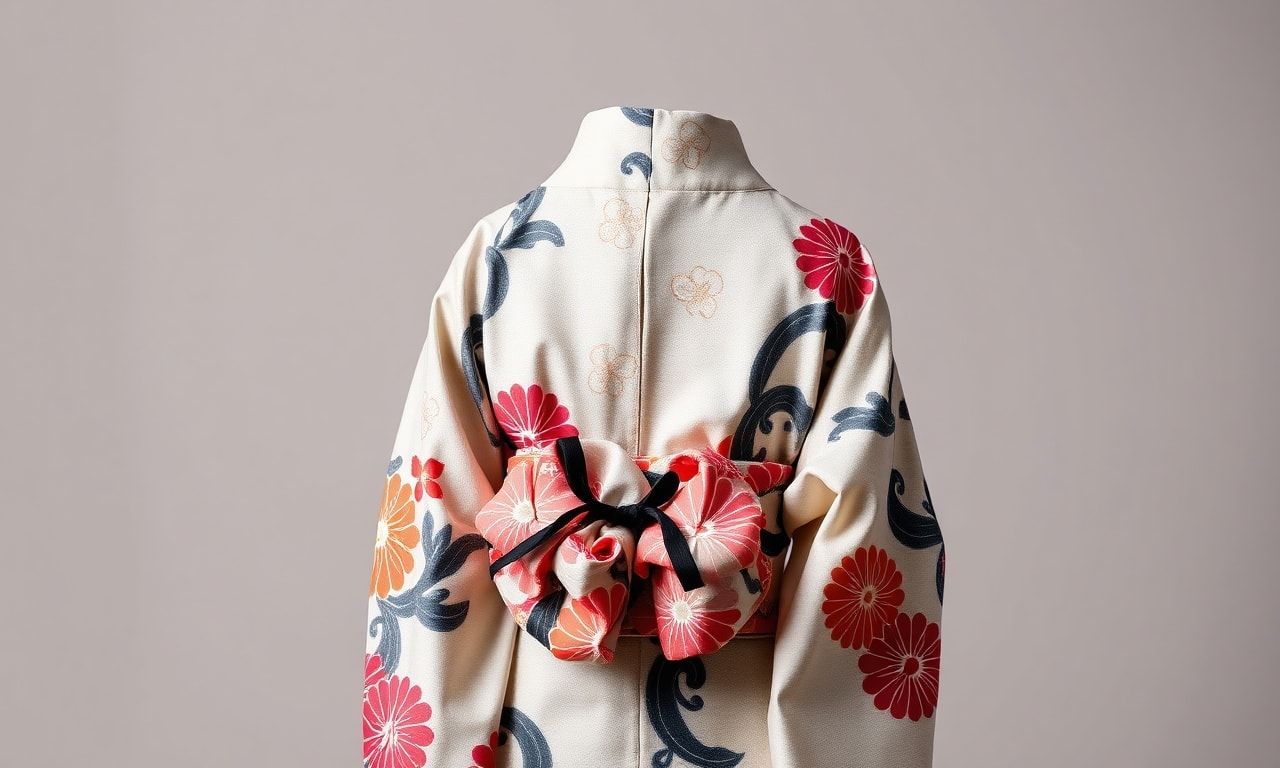
- Wear it right. Kimonos are worn with an obi—a sash that goes around the waist. There’s a right way and a wrong way to tie it. Learn the right way.
- Respect the culture. A kimono isn’t a costume. It’s not a fashion statement. It’s a piece of cultural heritage. Treat it with respect.
And if you’re not willing to put in the effort? Then just… don’t. Wear something else. There are plenty of other options out there.
Why This Matters
I know, I know. It’s just fashion. It’s just clothing. But it’s not. It’s about respect. It’s about understanding. It’s about not reducing an entire culture to a trend.
I’ve seen this happen with so many cultures. It’s not just kimonos. It’s saris, it’s dashikis, it’s anything that Western fashion decides is “in.” And it’s got to stop.
Fashion should be about celebration, not appropriation. It should be about understanding, not exploitation. And it should definitely be about looking good, but not at the expense of someone else’s culture.
So, let’s do better. Let’s educate ourselves. Let’s respect the cultures that inspire us. And let’s wear our kimonos with pride—and with knowledge.
Because honestly, the world could use a little more respect. And a little less bad fashion.
About the Author
Sarah Jenkins has been a senior editor at various fashion magazines for over two decades. She’s seen trends come and go, and she’s not afraid to call out bad fashion when she sees it. When she’s not editing, she’s probably yelling at her cat or drinking too much coffee.