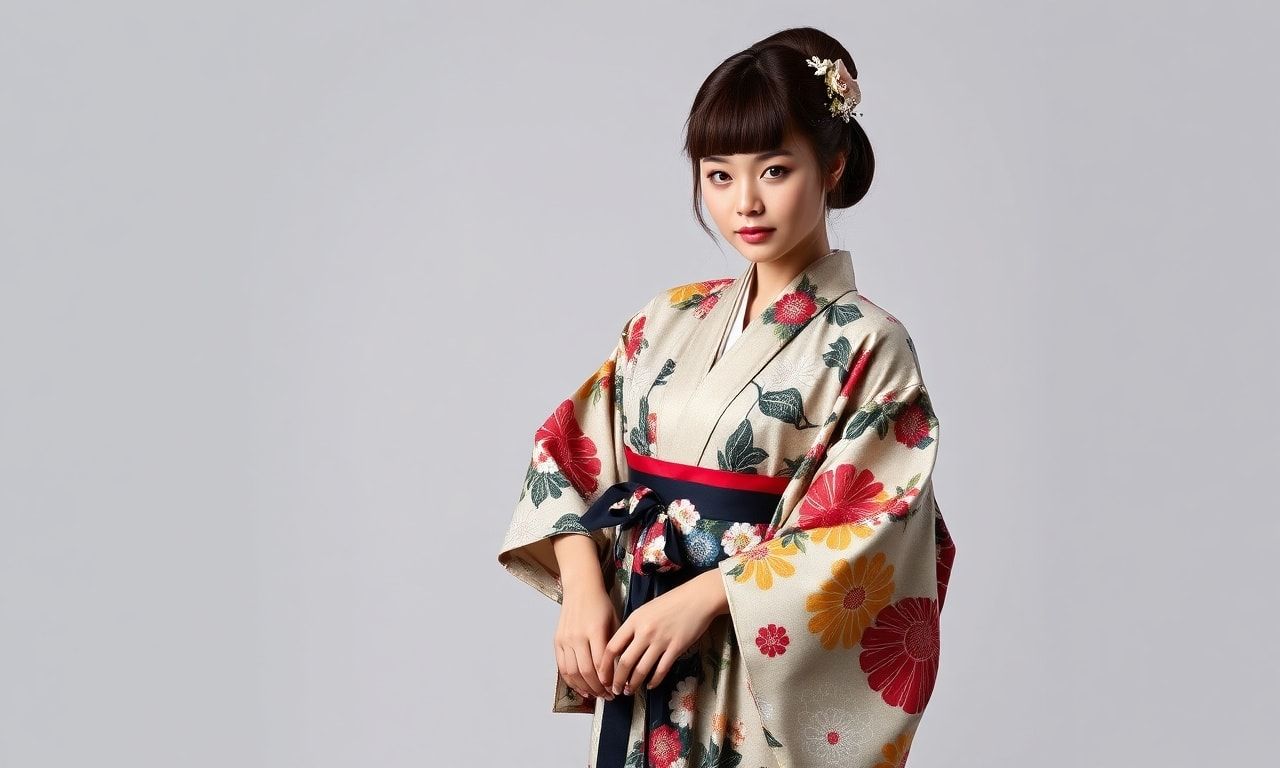
The Timeless Elegance of Kimono
The kimono, a traditional Japanese garment, has been a symbol of elegance and cultural heritage for centuries. Its intricate designs and vibrant colors have captivated fashion enthusiasts worldwide. Today, the kimono is not just a piece of clothing; it’s a statement of style that bridges the gap between tradition and contemporary fashion. Whether worn as a formal attire or a casual outfit, the kimono’s versatility makes it a timeless addition to any wardrobe.
Kimono in Modern Fashion
In recent years, the kimono has experienced a resurgence in the fashion industry. Designers are incorporating kimono elements into their collections, creating a fusion of traditional and modern styles. This blend of old and new has resulted in unique and innovative designs that appeal to a wide audience. From high-end fashion shows to everyday streetwear, the kimono’s influence is undeniable. Its presence in modern fashion is a testament to its enduring appeal and adaptability.
Kimono-Inspired Fashion Trends
The kimono’s impact on modern fashion can be seen in various trends. One notable trend is the use of kimono fabrics and patterns in contemporary clothing. Designers often use traditional kimono fabrics like silk and cotton to create modern garments, such as dresses, blouses, and jackets. Another trend is the incorporation of kimono sleeves and collars into Western-style clothing. This fusion of styles results in unique and eye-catching pieces that stand out in any wardrobe.
Additionally, the kimono’s vibrant colors and intricate patterns are often used as inspiration for prints and designs in modern fashion. From bold geometric patterns to delicate floral motifs, the kimono’s influence is evident in many contemporary designs. These trends not only highlight the kimono’s aesthetic appeal but also celebrate its cultural significance.
Styling Tips for Kimono Enthusiasts
Incorporating a kimono into your wardrobe can be a fun and creative process. Here are some styling tips to help you make the most of this versatile garment:
Layering with Kimono
One of the best ways to style a kimono is by layering it over other pieces. For a casual look, pair a lightweight kimono with a simple t-shirt and jeans. For a more formal occasion, layer a silk kimono over a dress or blouse. The key is to choose a kimono that complements the colors and styles of your underlying garments. This layering technique not only adds depth to your outfit but also allows you to experiment with different textures and patterns.
Accessories to Complement Your Kimono
Accessories play a crucial role in enhancing the overall look of your kimono outfit. Traditional Japanese accessories like obi belts, hairpins, and fans can add an authentic touch to your ensemble. For a more modern twist, pair your kimono with contemporary accessories like statement necklaces, bracelets, and earrings. The right accessories can elevate your kimono outfit and make it truly unique.
When it comes to footwear, opt for comfortable and stylish options that complement your kimono. Traditional Japanese footwear like geta or zori can add an authentic touch, while modern options like sandals or ballet flats can provide a more contemporary look. Choose footwear that matches the overall style and color scheme of your outfit.
Kimono Care and Maintenance
Proper care and maintenance are essential to keep your kimono looking its best. Here are some tips to help you preserve the quality and beauty of your kimono:
Cleaning Your Kimono
Kimonos, especially those made of delicate fabrics like silk, require special care when cleaning. Always follow the care instructions provided by the manufacturer. In general, hand washing is recommended for most kimonos. Use a mild detergent and lukewarm water to gently clean the fabric. Avoid wringing or twisting the kimono, as this can damage the delicate fibers. Instead, gently squeeze out the excess water and lay the kimono flat to dry.
Storing Your Kimono
Proper storage is crucial to maintain the quality of your kimono. Store your kimono in a cool, dry place away from direct sunlight and moisture. Use a breathable garment bag or a padded hanger to prevent wrinkles and creases. Avoid hanging your kimono for extended periods, as this can cause the fabric to stretch and lose its shape. Instead, fold your kimono carefully and store it in a drawer or a storage box.
Regularly inspect your kimono for signs of wear and tear. Address any issues promptly to prevent further damage. With proper care and maintenance, your kimono can remain a cherished piece in your wardrobe for years to come.
Kimono Fest: Celebrating the Art of Kimono
Kimono Fest is an annual event that celebrates the art and culture of the kimono. This event brings together kimono enthusiasts, designers, and cultural experts to share their knowledge and passion for this timeless garment. From fashion shows to workshops, Kimono Fest offers a variety of activities that showcase the beauty and versatility of the kimono.
One of the highlights of Kimono Fest is the fashion show, where designers showcase their latest kimono collections. This event provides a platform for both established and emerging designers to display their creativity and innovation. Attendees can also participate in workshops that teach the art of kimono dressing, fabric dyeing, and accessory making. These hands-on experiences offer a deeper understanding of the craftsmanship and techniques involved in creating a kimono.
In addition to the fashion show and workshops, Kimono Fest features cultural performances and exhibitions that highlight the rich history and cultural significance of the kimono. From traditional tea ceremonies to modern dance performances, these events offer a comprehensive look at the diverse ways the kimono has influenced art and culture. Whether you are a fashion enthusiast or a cultural connoisseur, Kimono Fest is an event not to be missed.
For those interested in expanding their knowledge beyond fashion, exploring resources like best study techniques for law school can provide valuable insights into other areas of interest. This diverse approach to learning can enrich your understanding and appreciation of various fields, including fashion.
As we step into a new year, it’s time to refresh your wardrobe with the latest styles and fashion tips; check out our guide to 2023’s hottest trends and elevate your everyday looks.
As fashion and beauty enthusiasts, we’re always inspired by nature’s trends, so we recommend exploring innovations in sustainable farming to understand the roots of our sartorial muses.
If you enjoyed this article, we recommend checking out Günlük Yaşamda Sağlık ve Wellness for further reading.