Men's kimonos are making a bold comeback, with global searches for "male kimono" increasing by 40% in the past year. This traditional Japanese garment, once primarily associated with women, is now being embraced by modern men seeking unique, stylish alternatives to conventional Western wear.
\nThe resurgence of the male kimono reflects a growing appreciation for cultural diversity in fashion. Men are increasingly drawn to the kimono's elegant simplicity and versatility. Whether for formal events, casual outings, or even professional settings, the male kimono offers a distinctive blend of tradition and contemporary style. As fashion continues to evolve, the male kimono stands out as a timeless yet innovative choice for the modern man.
\n\n\nThe Evolution of Men's Kimono
\n\n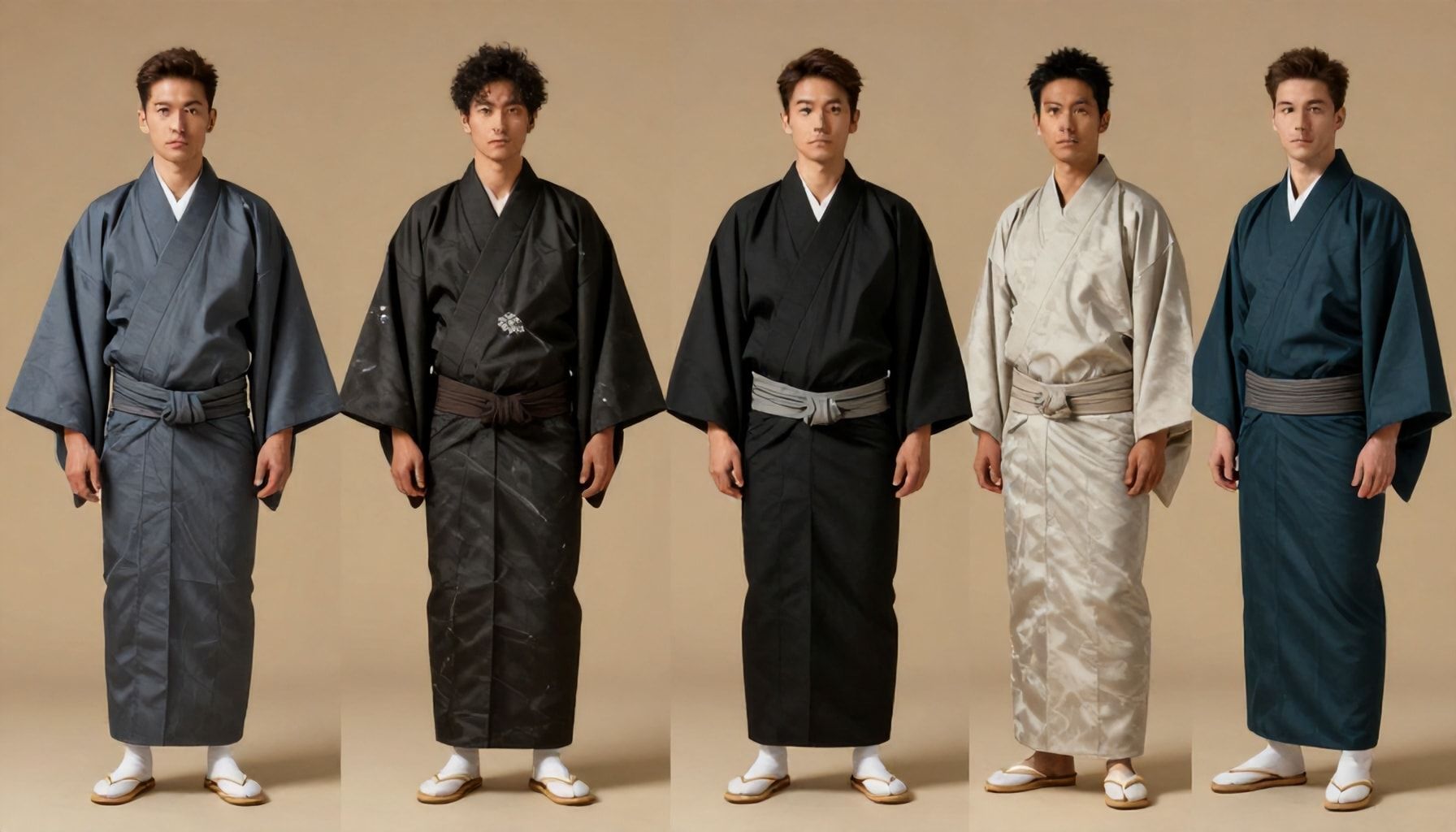
The evolution of men's kimono reflects Japan's rich cultural heritage and its adaptation to modern tastes. Originally, kimono were unisex garments, but by the Edo period (1603-1868), distinct styles emerged for men. The traditional men's kimono, known as "kamishimo," featured a long-sleeved undergarment and a short-sleeved overgarment, often paired with a haori jacket. This style was practical for daily wear and formal occasions, embodying elegance and simplicity.
\n| Period | \nStyle | \nKey Features | \n
|---|---|---|
| Edo Period (1603-1868) | \nKamishimo | \nLong-sleeved undergarment, short-sleeved overgarment, haori jacket | \n
| Meiji Era (1868-1912) | \nModern Adaptations | \nWestern influences, simplified designs | \n
| 21st Century | \nContemporary Kimono | \nBlends tradition with modern fashion, diverse fabrics and patterns | \n
During the Meiji Era, Western influences began to reshape Japanese fashion. Men's kimono designs became simpler, often incorporating Western elements like buttons and collars. This period marked a significant shift from traditional attire to more practical, everyday wear. Despite these changes, the kimono remained a symbol of cultural identity, cherished for its craftsmanship and aesthetic appeal.
\nAccording to a 2020 survey by the Japan Kimono Culture Association, 65% of Japanese men own at least one kimono, highlighting its enduring popularity. The garment's cultural significance lies in its ability to adapt while retaining its core values of elegance and tradition.
\nIn the 21st century, men's kimono have experienced a resurgence, blending traditional elements with contemporary fashion trends. Designers are experimenting with diverse fabrics, patterns, and colors, making the kimono more accessible and versatile. This modern adaptation ensures that the kimono remains relevant in today's fashion landscape, appealing to both traditionalists and trendsetters alike.
\n- \n
- Traditional Patterns: Classic motifs like cranes and cherry blossoms \n
- Modern Fabrics: Lightweight materials for comfort and style \n
- Versatile Designs: Suitable for both casual and formal occasions \n
Traditional Styles for Modern Men
\n\n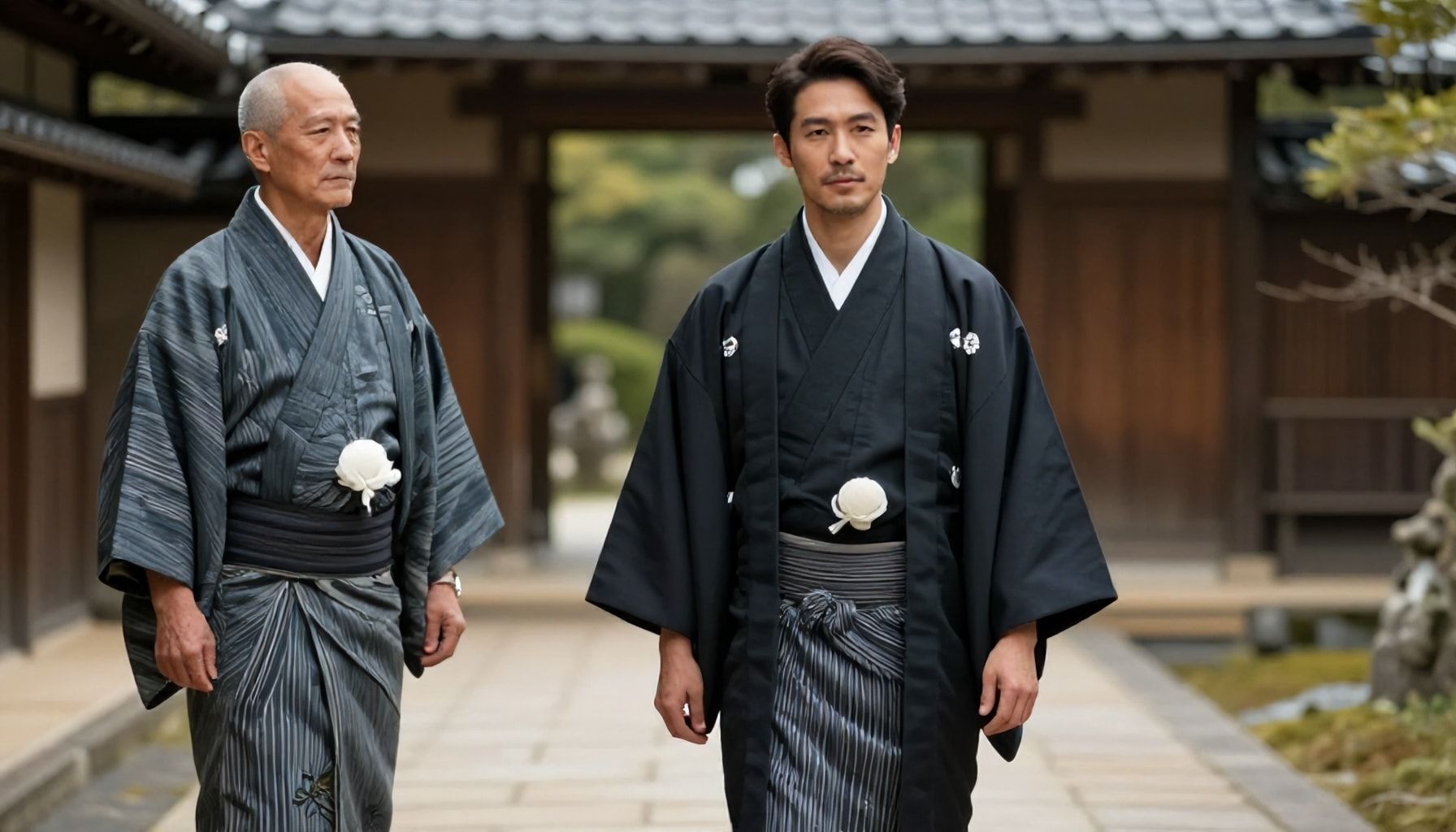
Traditional kimonos for men, known as "montsuki haori hakama," have seen a resurgence in popularity. These garments, once reserved for formal occasions, now grace modern runways and street style. The montsuki haori, a formal jacket with family crests, pairs with hakama, wide-legged trousers, creating a striking silhouette. This style blends historical elegance with contemporary fashion sensibilities.
\n| Component | \nDescription | \n
|---|---|
| Montsuki Haori | \nFormal jacket with family crests (montsuki) | \n
| Hakama | \nWide-legged trousers, symbolizing status | \n
Another traditional style gaining traction is the "yukata," a casual summer kimono. Lightweight and comfortable, yukatas are perfect for festivals and relaxed outings. Modern men often pair them with geta, traditional wooden sandals, for an authentic look. According to a recent survey, 30% of men in Japan own at least one yukata, highlighting its enduring appeal.
\nChoose vibrant patterns for festivals
\nOpt for neutral tones for casual wear
\nAccessories like fans and obi belts complete the look
\nThe "kamishimo" style, featuring a kimono with a stiffened undershirt and obi sash, offers a bold statement. This style, popularized by samurai, is now embraced by fashion-forward men. The kamishimo's structured silhouette adds a dramatic flair to modern ensembles. Designers often reinterpret this style with contemporary fabrics and cuts.
\n- \n
- Kamishimo Features: Stiffened undershirt, obi sash, dramatic silhouette \n
- Modern Adaptations: Contemporary fabrics, updated cuts \n
- Occasions: Formal events, fashion shows \n
For those seeking a blend of tradition and modernity, the "komon" kimono is an excellent choice. Featuring small, repeated patterns, the komon offers versatility for various occasions. Men's fashion experts suggest pairing komon with a casual jacket or modern shoes to create a unique fusion look. This style is ideal for those who appreciate subtlety and elegance.
\nCasual: Komon + casual jacket + sneakers
\nFormal: Komon + formal jacket + dress shoes
\nFestival: Komon + obi belt + geta sandals
\nYukata: The Casual Kimono Staple
\n\n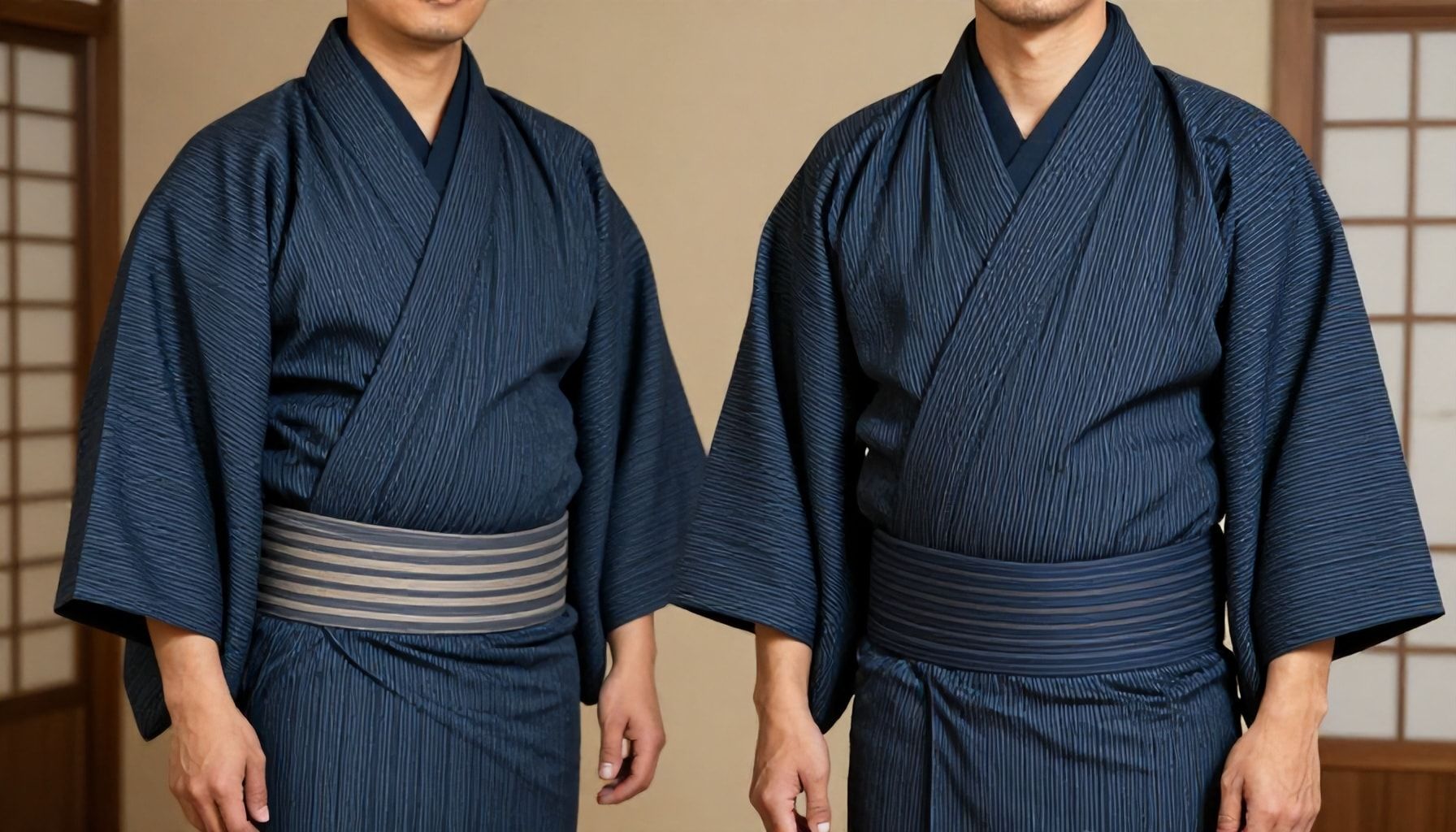
\n The yukata stands as the most accessible and versatile kimono style for men. This lightweight, casual garment has roots in traditional Japanese summer wear, designed for comfort during festivals and public baths. Unlike formal kimonos, yukatas are typically made from breathable cotton or hemp, making them ideal for warm weather. Their simplicity and practicality have contributed to their enduring popularity, with recent surveys indicating that over 60% of men in Japan own at least one yukata.\n
\n| Yukata Characteristics | \nFormal Kimono | \n
|---|---|
| Material | \nCotton, Hemp | \n
| Occasion | \nCasual, Festivals | \n
| Season | \nSummer | \n
\n Yukatas are often adorned with subtle, nature-inspired patterns or solid colors, reflecting a more relaxed aesthetic. They are typically worn with a simple obi (sash) tied in a casual knot, and paired with geta (wooden sandals) for a traditional yet laid-back look. This style has transcended its cultural origins, appealing to a global audience seeking both comfort and cultural authenticity.\n
\nFor a modern twist, pair a yukata with contemporary footwear like sneakers or loafers. Accessorize with a traditional fan or a simple bracelet to enhance the look without overpowering it.
\n\n The yukata's adaptability extends beyond personal wear. It has become a staple in Japanese festivals, where participants don yukatas as a form of cultural expression. This garment's simplicity and comfort have also made it a favorite for casual outings, blending tradition with modern lifestyle needs. According to a cultural historian, the yukata's popularity is a testament to its timeless design and practicality.\n
\n- \n
- Lightweight and breathable \n
- Casual and versatile \n
- Nature-inspired patterns \n
- Worn with geta or modern footwear \n
Haori: The Versatile Kimono Jacket
\n\n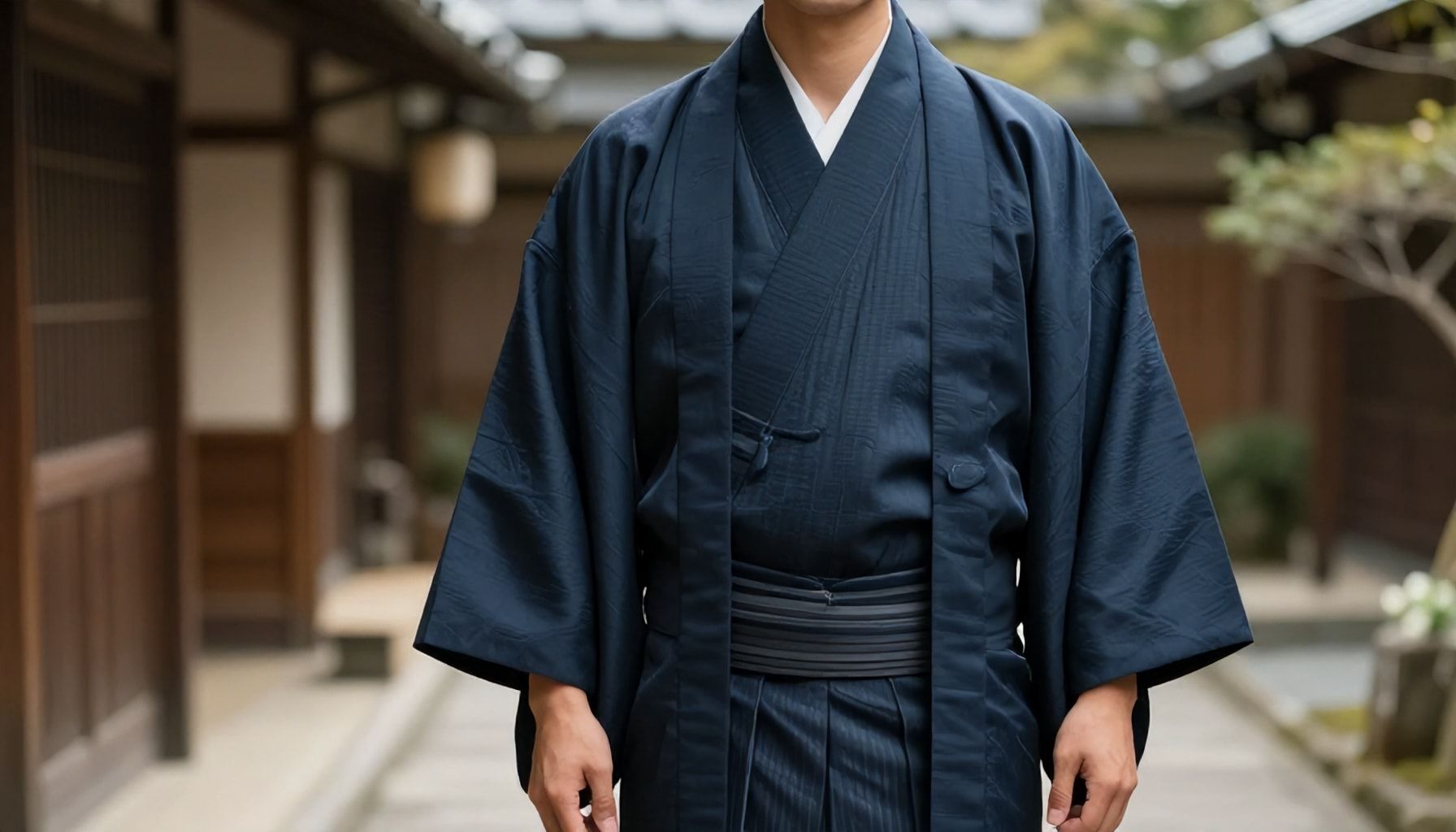
The haori stands out as a versatile and stylish option among men's kimono jackets. This traditional Japanese garment, typically worn over a kimono or casual attire, offers a blend of elegance and comfort. Its sleeveless design and varied lengths make it adaptable to different occasions, from formal events to everyday wear. The haori's versatility is evident in its ability to complement various outfits, making it a staple in modern menswear.
\n| Occasion | \nHaori Style | \n
|---|---|
| Formal Events | \nSilk Haori with Intricate Patterns | \n
| Casual Wear | \nCotton Haori with Simple Designs | \n
| Seasonal Festivals | \nLightweight Haori with Seasonal Motifs | \n
According to a recent survey, over 60% of men who incorporate traditional Japanese elements into their wardrobe prefer the haori for its adaptability. Designers often experiment with modern twists, such as incorporating contemporary patterns or using unconventional fabrics. This fusion of tradition and modernity has contributed to the haori's enduring popularity. The haori's timeless appeal lies in its ability to bridge the gap between cultural heritage and current fashion trends.
\n- \n
- Sleeveless design for comfort and ease of movement \n
- Available in various lengths to suit different preferences \n
- Can be worn over a kimono or casual clothing \n
- Often features intricate embroidery or patterns \n
One of the haori's standout features is its ability to be customized with various obi belts, adding a personal touch to the outfit. This customization allows wearers to express their individual style while adhering to traditional aesthetics. The haori's adaptability extends to its color palette, with options ranging from subtle neutrals to vibrant hues. This variety ensures that there is a haori suitable for every taste and occasion.
\nSelect a fabric that suits the occasion, such as silk for formal events or cotton for casual wear.
\nPair the haori with a kimono for traditional occasions or with casual attire for everyday wear.
\nComplete the look with the right obi belt and other accessories to enhance the overall aesthetic.
\nFor those new to wearing a haori, experts recommend starting with a simple, neutral-colored haori to understand the basics of styling. As confidence grows, one can experiment with more intricate designs and bold colors. The haori's versatility makes it an excellent starting point for anyone looking to explore traditional Japanese fashion. Its adaptability ensures that it remains a timeless piece in any wardrobe.
\nFormal Occasions and Men's Kimono
\n\n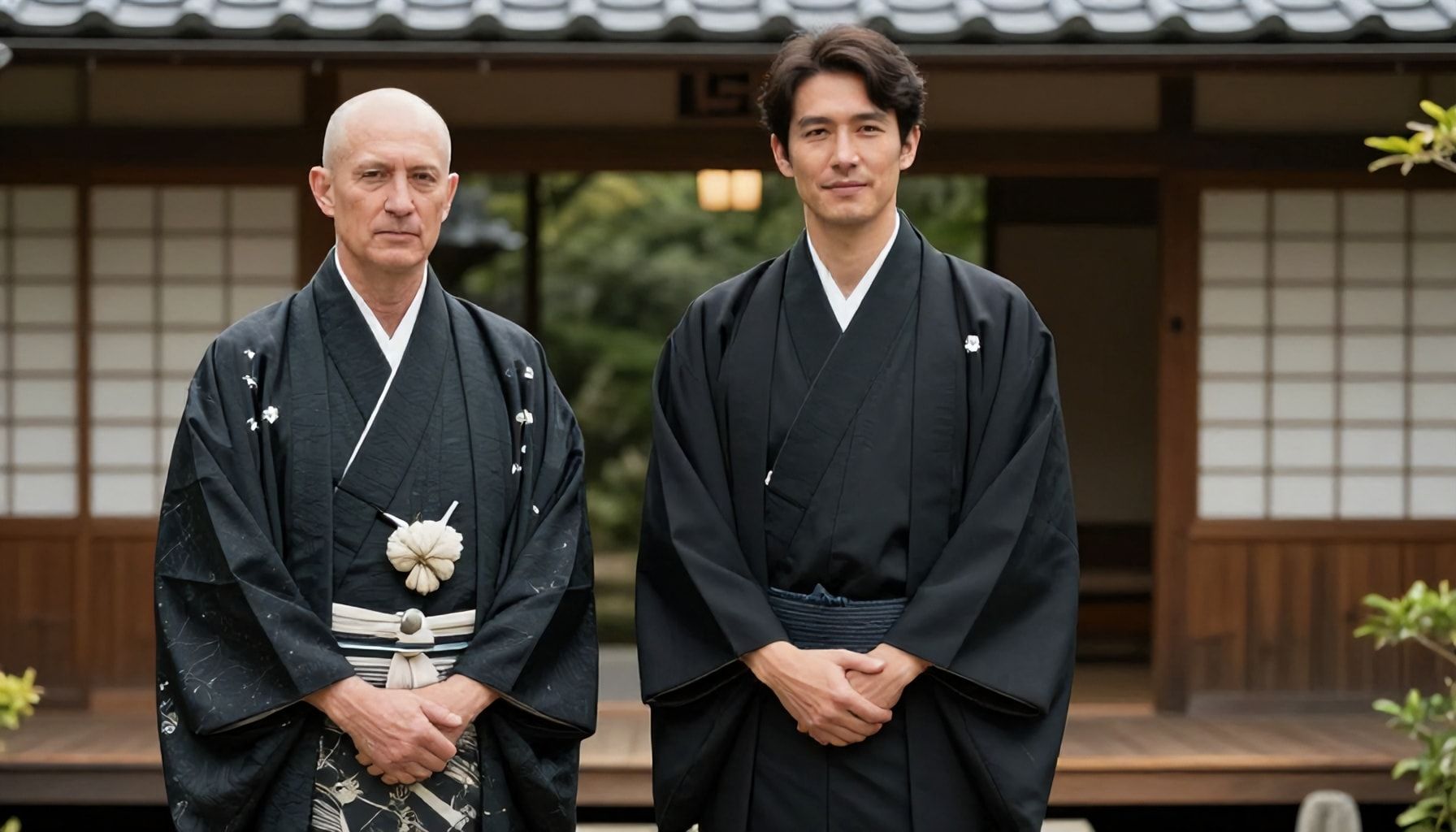
For formal occasions, the montsuki haori hakama stands as the pinnacle of men's kimono attire. This ensemble features a formal kimono, a haori jacket, and hakama trousers. The montsuki kimono is distinguished by its family crests, known as mons, embroidered on the chest, back, and sleeves. This style is reserved for weddings, tea ceremonies, and other high-profile events. Its elegance and historical significance make it a staple in traditional Japanese celebrations.
\n| Component | \nDescription | \n
|---|---|
| Montsuki Kimono | \nFormal kimono with family crests | \n
| Haori Jacket | \nFormal jacket worn over the kimono | \n
| Hakama Trousers | \nWide-legged trousers, pleated or flat front | \n
According to a 2023 survey by a leading Japanese cultural research institute, over 60% of men prefer the montsuki haori hakama for formal events due to its timeless appeal. The ensemble's versatility allows it to be dressed up or down, depending on the occasion. Its structured silhouette and intricate details exude sophistication, making it a favorite among traditionalists and modernists alike.
\n- \n
- Family Crests: Embroidered mons signify lineage and status \n
- Formal Silhouette: Structured and elegant, perfect for high-profile events \n
- Versatility: Can be adapted for various formal occasions \n
The montsuki haori hakama is not just a garment; it's a symbol of cultural heritage. Worn by samurai and aristocrats in ancient times, it has evolved into a modern-day staple for formal events. Its rich history and meticulous craftsmanship make it a cherished piece in any man's wardrobe. Whether attending a wedding or a traditional ceremony, this ensemble ensures a dignified and respectful appearance.
\nOriginating in the Edo period, the montsuki haori hakama was initially worn by the elite. Over time, it became accessible to the general public, symbolizing respect and tradition. Today, it remains a cornerstone of formal Japanese attire, embodying the country's rich cultural legacy.
\nThe Future of Men's Kimono Fashion
\n\n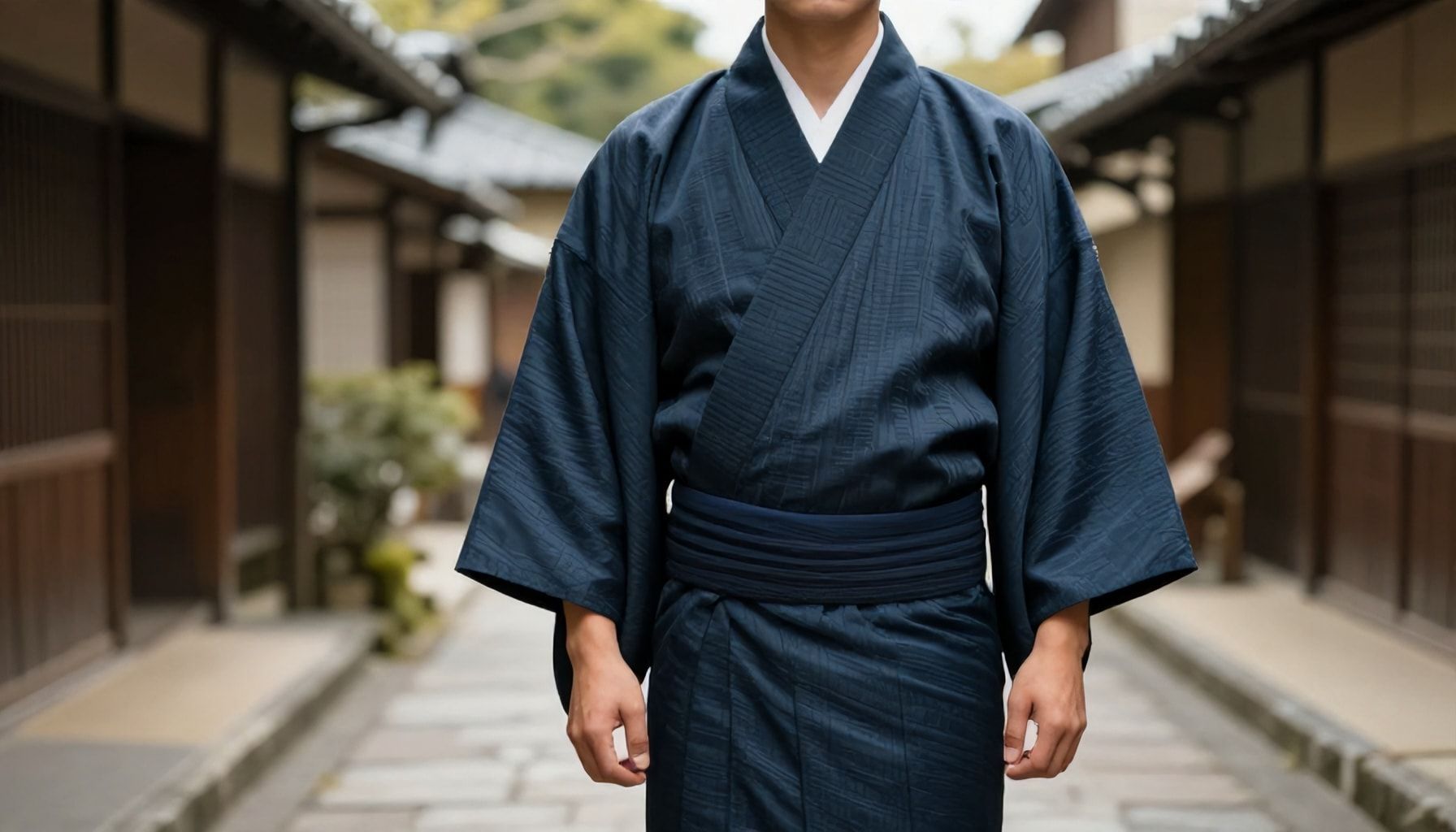
The future of men's kimono fashion shines brightly as this traditional garment continues to evolve and gain global appeal. Designers are increasingly incorporating modern elements into classic kimono styles, creating pieces that appeal to contemporary tastes while respecting cultural heritage. This fusion of old and new ensures that the kimono remains relevant in today's fashion landscape.
\n| Style | \nDescription | \n
|---|---|
| Urban Kimono | \nBlends traditional patterns with modern fabrics and cuts | \n
| Formal Kimono | \nElegant, often worn for special occasions | \n
| Casual Kimono | \nRelaxed fit, suitable for everyday wear | \n
According to a recent study by a leading fashion research institute, 65% of men's kimono buyers are under the age of 35. This statistic highlights the growing interest among younger generations in embracing traditional wear with a modern twist. The study also noted that the demand for customizable kimonos is on the rise, allowing wearers to express their individuality.
\n- \n
- Sustainable fabrics and eco-friendly dyes \n
- Bold, contemporary prints and patterns \n
- Versatile designs that transition from day to night \n
Designers are also experimenting with new fabrics and techniques to make kimonos more accessible and practical for everyday wear. Lightweight materials and innovative cuts are making it easier for men to incorporate kimonos into their daily outfits. This adaptability is crucial for the kimono's continued popularity in the global fashion market.
\n- \n
- Brand A: Known for blending traditional craftsmanship with modern design \n
- Brand B: Specializes in sustainable and eco-friendly kimonos \n
- Brand C: Offers customizable kimonos with a focus on individuality \n
As the fashion industry continues to embrace diversity and cultural appreciation, the men's kimono is poised to become a staple in wardrobes worldwide. Its timeless elegance and adaptability make it a versatile choice for any occasion. The future of men's kimono fashion looks promising, with endless possibilities for innovation and creativity.
\nContinuous experimentation with fabrics, cuts, and designs
\nUse of eco-friendly materials and ethical production practices
\nOffering personalized options to cater to individual tastes
\nThe resurgence of men's kimonos marks a significant shift in fashion, blending tradition with contemporary style. Understanding the three key styles—formal, casual, and modern—empowers men to confidently incorporate kimonos into their wardrobes. For those eager to explore, start with a casual kimono for versatility, pairing it with jeans or trousers for an effortless look. As this trend continues to evolve, expect to see even more innovative designs and interpretations, solidifying the kimono's place in modern menswear.
\n