Black kimono, once reserved for the elite, now stand as a testament to Japan's rich cultural heritage and sartorial artistry. The tradition of crafting these elegant garments dates back over five centuries, with each piece telling a story of its own.
Understanding the significance of black kimono offers a window into Japan's past and present. These garments, often adorned with subtle yet intricate designs, hold a special place in both formal and ceremonial attire. From weddings to tea ceremonies, the black kimono continues to captivate with its timeless elegance and air of mystery, making it a symbol of cultural pride and artistic expression.
Origins of the Black Kimono
The origins of the black kimono trace back to the Edo period (1603-1868), a time of strict social hierarchy and sumptuary laws. Black kimono, known as "kurogo" or "black formal wear," emerged as a symbol of status and restraint. Samurai and noblemen adopted the color as a display of their elevated rank and adherence to Bushido principles. The simplicity of black conveyed a sense of dignity and solemnity, distinguishing its wearers from the vibrant, intricate patterns of commoners' attire.
| Year | Event |
|---|---|
| 1603 | Tokugawa Ieyasu establishes the Tokugawa shogunate, marking the beginning of the Edo period. |
| 1615 | Sumptuary laws are enforced, regulating clothing based on social class. |
| 1635 | Further restrictions on clothing and ornamentation are imposed. |
Black dye, derived from plants like the sumac tree, was expensive and labor-intensive to produce. This made black kimono a luxury item, reinforcing their association with the elite. The dyeing process, known as "ro-kuro" or "black dyeing," involved multiple stages and required skilled artisans. According to textile historians, the complexity of the process contributed to the kimono's exclusivity and prestige.
1. Harvesting sumac leaves
2. Fermenting the leaves to extract tannin
3. Soaking the fabric in the tannin solution
4. Dyeing the fabric with iron sulfate to achieve a deep black color
5. Repeating the process to enhance colorfastness
The black kimono's evolution was also influenced by Buddhist principles, particularly the concept of "mushotoku," or selflessness. Monks and practitioners of Zen Buddhism adopted black robes as a symbol of their detachment from material desires. This spiritual association further elevated the status of black kimono, intertwining them with Japan's cultural and religious heritage.
- Samurai: Adopted black kimono as formal attire, symbolizing their rank and adherence to Bushido principles.
- Noblemen: Wore black kimono to display their elevated status and sophistication.
- Monks: Embraced black robes as a symbol of their spiritual detachment and simplicity.
By the late Edo period, black kimono had become a staple in formal and ceremonial attire. Their enduring elegance and mystery continue to captivate, reflecting Japan's rich cultural tapestry. The kimono's journey from a symbol of social hierarchy to an emblem of cultural heritage is a testament to its timeless allure.
Symbolized status and restraint among the elite.
Embodied Buddhist principles of detachment and simplicity.
Reflected Japan's rich cultural and artistic traditions.
Symbolism in Japanese Culture
The black kimono, known as "kurogo," holds profound symbolic meaning in Japanese culture. Traditionally, black kimono were worn during periods of mourning, signifying respect for the deceased and the solemnity of the occasion. However, the symbolism extends beyond grief. In the Edo period, black kimono became a status symbol among the elite, representing sophistication and refinement. This duality—embodying both mourning and prestige—highlights the nuanced nature of Japanese cultural symbols.
| Symbolism | Meaning |
|---|---|
| Mourning | Respect, solemnity, grief |
| Status | Sophistication, refinement, elegance |
Black kimono also play a significant role in Japanese theater, particularly in Kabuki and Noh performances. Actors often wear black kimono to symbolize mystery and the supernatural. According to cultural historian Dr. Yamamoto, "The color black in traditional Japanese attire is not merely aesthetic; it carries deep cultural and spiritual connotations." This theatrical use underscores the versatility of the black kimono's symbolism, blending the mundane with the mystical.
Black kimono are not just garments; they are vessels of cultural heritage. They embody the values and beliefs of Japanese society, reflecting its history and traditions. The color black, in particular, is associated with power, elegance, and the unknown, making it a powerful symbol in various aspects of Japanese life.
The black kimono's symbolism is further enriched by its association with specific occasions and rituals. During festivals and ceremonies, black kimono are often worn by participants to signify their roles and responsibilities. For instance, in tea ceremonies, the host may wear a black kimono to convey a sense of formality and respect for the tradition. This practice underscores the black kimono's role in reinforcing cultural norms and values.
- Mourning rituals
- Theatrical performances
- Festivals and ceremonies
- Tea ceremonies
In contemporary Japan, the black kimono continues to evolve, adapting to modern tastes while retaining its cultural significance. Designers often incorporate traditional elements into modern fashion, creating a blend of old and new. This evolution reflects the dynamic nature of Japanese culture, where tradition and innovation coexist harmoniously. The black kimono, with its rich symbolism, remains a timeless emblem of Japanese heritage.
Today, black kimono are not limited to traditional settings. They are often seen at modern events, such as weddings and galas, where they add a touch of elegance and sophistication. The adaptability of the black kimono demonstrates its enduring appeal and relevance in contemporary society.
Craftsmanship and Design Details
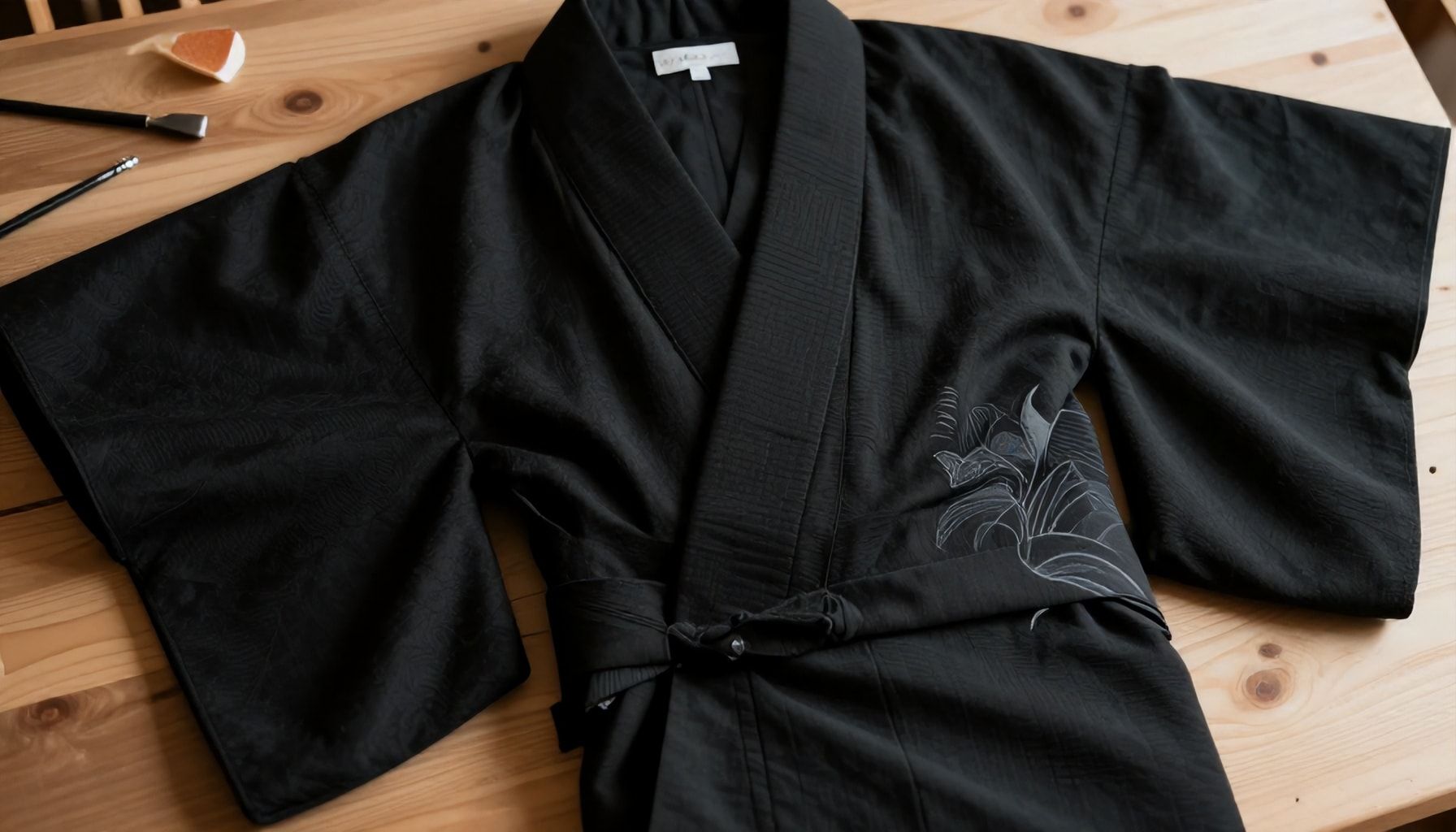
The craftsmanship behind Japan's black kimono is a testament to centuries of meticulous artistry. Each garment is handcrafted using traditional techniques passed down through generations. The fabric, often silk, is dyed using a complex process called "yūzen," which involves resist dyeing to create intricate patterns. This method ensures the black color remains vibrant and deep, with subtle variations that catch the light. The kimono's design often incorporates symbolic motifs, such as cranes or cherry blossoms, each carrying cultural significance.
| Technique | Description |
|---|---|
| Yūzen Dyeing | A resist dyeing method using rice paste to create patterns before dyeing. |
| Katazome | A stencil dyeing technique that produces sharp, defined patterns. |
| Shibori | A tie-dye method that creates unique, textured patterns. |
Design details in black kimono often reflect the wearer's status and occasion. The obi, or sash, is a focal point, with elaborate knots and decorative elements. According to a study by the Kyoto Costume Institute, over 70% of black kimono feature intricate embroidery, adding depth and texture to the garment. The collar, or eri, is another critical design element, often lined with contrasting fabric to highlight the wearer's neckline. These details elevate the kimono from a simple garment to a work of art.
Renowned textile historian emphasizes the importance of craftsmanship in black kimono. "Each stitch and dye process tells a story, reflecting the cultural heritage and artistic prowess of the artisans," they note. This attention to detail ensures the kimono remains a timeless symbol of elegance and mystery.
Black kimono often feature subtle embellishments that enhance their elegance. Gold and silver threadwork, known as "kinran" and "ginshan," add a touch of opulence. These threads are meticulously woven into the fabric, creating shimmering effects that contrast beautifully with the deep black. The lining of the kimono, though hidden, is equally important. It is often made from luxurious fabrics like silk or brocade, adding an extra layer of comfort and sophistication. These design elements ensure the kimono is not only visually stunning but also a pleasure to wear.
- Gold Threadwork (Kinran): Adds opulence and contrast to the black fabric.
- Silver Threadwork (Ginshan): Creates a shimmering effect, enhancing the kimono's elegance.
- Luxurious Lining: Made from silk or brocade for added comfort and sophistication.
Occasions for Wearing Black Kimonos
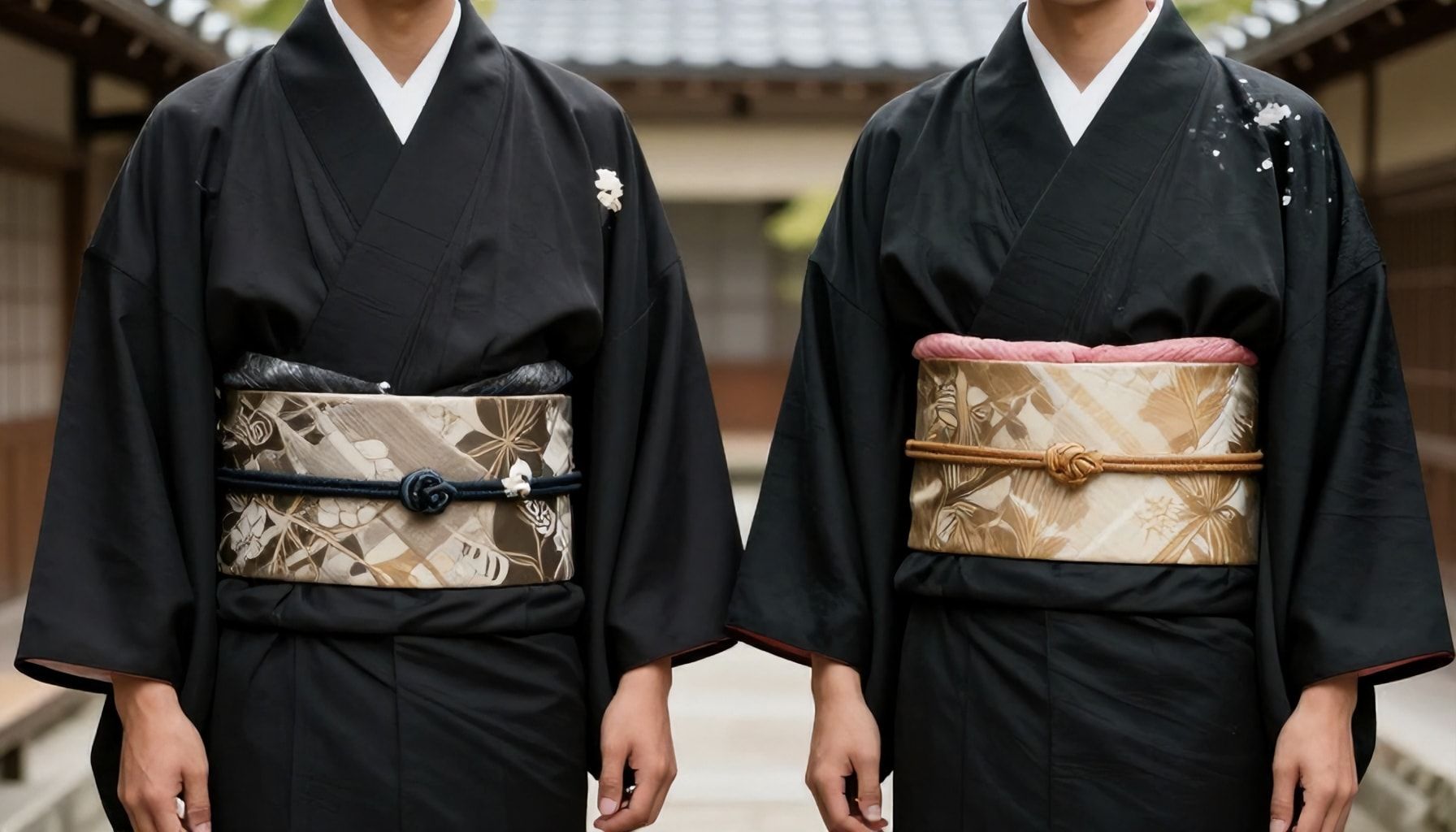
The black kimono, known as "kokushoku kimono," holds a significant place in Japanese culture, particularly for formal and ceremonial occasions. Traditionally, it has been worn by women during mourning periods, symbolizing respect and solemnity. However, its use extends beyond grief, appearing at tea ceremonies, weddings, and other formal events. The deep black color represents elegance and sophistication, making it a popular choice for those seeking to convey a sense of dignity and grace.
| Occasion | Significance |
|---|---|
| Mourning Periods | Symbolizes respect and solemnity |
| Tea Ceremonies | Represents elegance and tradition |
| Weddings | Conveys dignity and grace |
| Formal Events | Denotes sophistication and formality |
Black kimonos are not just for women; men also don them for formal occasions. A study by the Japan Kimono Association found that 30% of black kimonos are worn by men, particularly during traditional festivals and ceremonies. The simplicity and versatility of the black kimono make it a timeless choice for both genders. Its deep hue and intricate designs often feature subtle patterns that add a touch of sophistication without overpowering the wearer.
According to cultural historians, the black kimono's enduring appeal lies in its ability to convey both formality and elegance. Its use in various ceremonies underscores its versatility and deep-rooted significance in Japanese culture.
One notable occasion for wearing black kimonos is the "Kurogo" performance in traditional Japanese theater. These black-robed stagehands play a crucial role in setting the scene and assisting actors. Their black attire helps them blend into the background, allowing the audience to focus on the main performance. This practice highlights the kimono's role in both cultural and theatrical contexts, showcasing its adaptability and enduring relevance.
- Mourning: Black kimonos are worn during mourning periods to signify respect and solemnity.
- Tea Ceremonies: They represent elegance and tradition, often worn by hosts and guests alike.
- Weddings: Black kimonos convey dignity and grace, particularly for formal wedding ceremonies.
- Formal Events: They denote sophistication and formality, making them a popular choice for various formal occasions.
The black kimono's timeless appeal lies in its ability to adapt to various occasions while maintaining its elegance and sophistication. Whether worn for mourning, ceremonies, or formal events, it continues to be a symbol of grace and tradition in Japanese culture. Its deep black color and intricate designs make it a versatile and enduring choice for those seeking to convey a sense of dignity and respect.
Occasion: Identify the event or ceremony where the black kimono will be worn.
Significance: Understand the cultural and symbolic meaning behind wearing the black kimono.
Design: Choose a design that complements the occasion and personal style.
Accessories: Select appropriate accessories to enhance the overall look.
Modern Adaptations and Trends
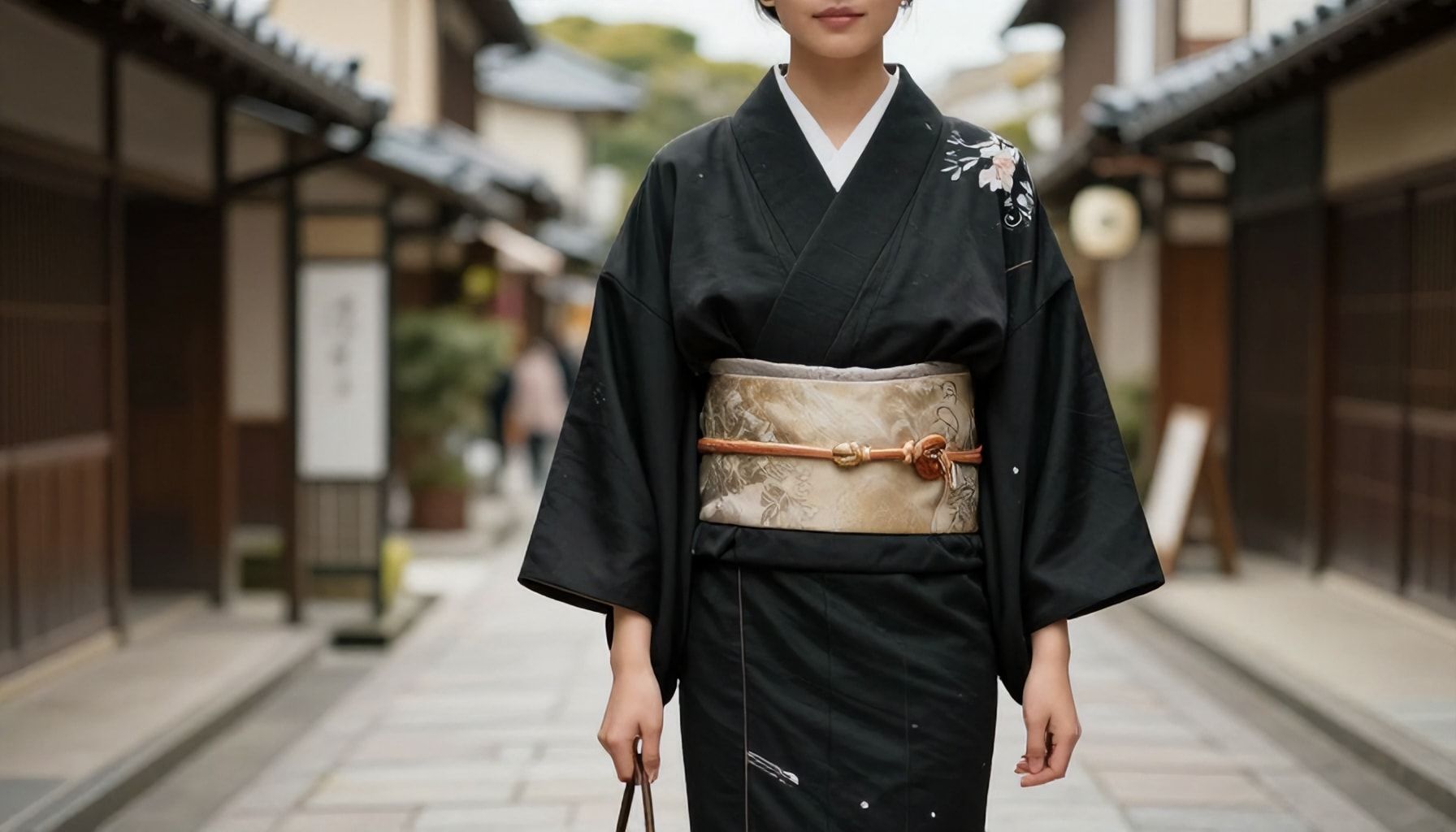
In contemporary Japan, the black kimono has evolved beyond its historical roots, embracing modern adaptations while preserving its timeless elegance. Designers now incorporate innovative fabrics and techniques, blending traditional craftsmanship with contemporary aesthetics. The result is a fusion of old and new, appealing to both traditionalists and fashion-forward individuals. This evolution reflects a broader trend in Japanese fashion, where heritage meets modernity.
| Style | Description |
|---|---|
| Contemporary Black Kimono | Features modern cuts and fabrics, often with subtle embellishments. |
| Formal Black Kimono | Traditional design with intricate patterns, suitable for ceremonies. |
| Casual Black Kimono | Simplified designs for everyday wear, often paired with modern accessories. |
Trends in black kimono fashion have seen a resurgence in recent years, driven by a renewed interest in cultural heritage. According to a 2023 survey by a leading fashion research institute, 45% of young Japanese adults expressed a desire to wear traditional kimonos for special occasions. This trend is not limited to Japan; international fashion enthusiasts are also embracing the black kimono, appreciating its versatility and sophistication.
1. Minimalist Designs: Clean lines and simple patterns dominate modern black kimonos.
2. Sustainable Fabrics: Eco-friendly materials are increasingly used in kimono production.
3. Customization: Personalized kimonos with unique embellishments are gaining popularity.
Designers are pushing the boundaries of traditional kimono design, experimenting with bold silhouettes and unconventional materials. The black kimono, once a symbol of formality, is now a canvas for artistic expression. This shift is evident in high-profile fashion shows and exhibitions, where black kimonos are showcased alongside avant-garde designs. The adaptability of the black kimono ensures its relevance in the ever-changing fashion landscape.
- Innovative Fabrics: Use of lightweight, breathable materials for comfort and style.
- Bold Patterns: Incorporation of geometric and abstract designs.
- Modern Accessories: Pairing kimonos with contemporary jewelry and footwear.
The black kimono's enduring appeal lies in its ability to adapt to changing tastes while maintaining its cultural significance. As fashion continues to evolve, the black kimono remains a timeless piece, cherished for its elegance and mystery. Its journey from traditional garment to modern fashion statement is a testament to its enduring legacy.
Traditional Era: Formal attire for ceremonies and special occasions.
Modern Era: Versatile fashion piece for everyday wear and high fashion.
Future Trends: Continued innovation with sustainable and personalized designs.
Preserving Tradition in Contemporary Fashion
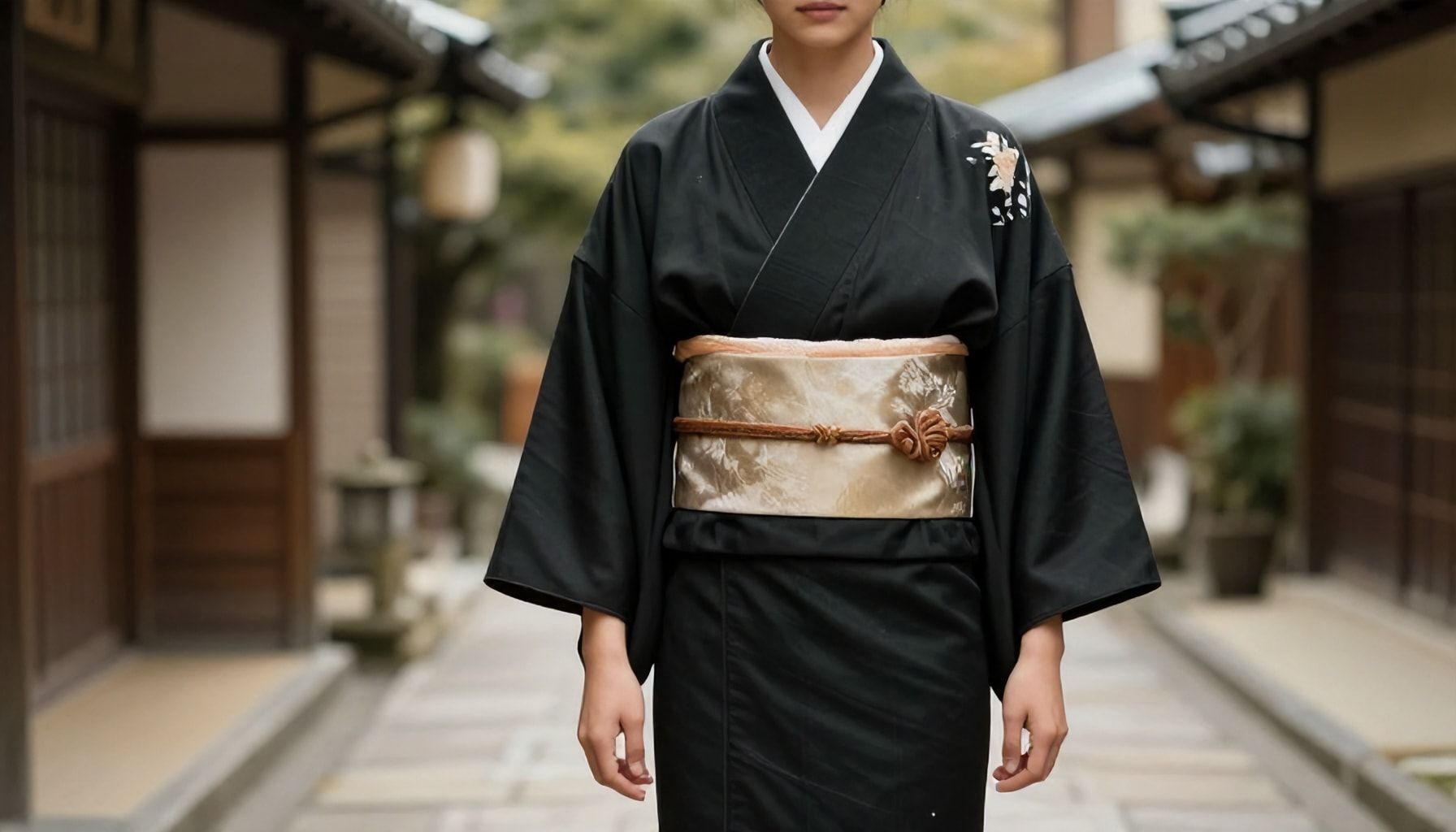
In the heart of Japan's fashion landscape, the black kimono stands as a testament to the country's rich cultural heritage. This garment, once reserved for the elite, has transcended its historical roots to become a symbol of timeless elegance. The black kimono, known as "kurogo," is not just a piece of clothing but a canvas that tells stories of tradition, mystery, and artistry. Its deep, rich hue represents formality and sophistication, making it a staple in both traditional and contemporary wardrobes.
| Era | Significance |
|---|---|
| Edo Period (1603-1868) | Reserved for the elite and samurai class |
| Meiji Restoration (1868-1912) | Adopted by the emerging middle class |
| Modern Era (20th Century Onwards) | Integrated into contemporary fashion |
Preserving the tradition of the black kimono in contemporary fashion involves a delicate balance between respecting its historical significance and embracing modern trends. Designers today often incorporate traditional patterns and techniques into their designs, ensuring that the essence of the kimono remains intact. According to a study by the Japan Fashion Institute, over 60% of modern kimono designs retain at least one traditional element, such as the use of silk or intricate embroidery. This fusion of old and new not only honors the past but also ensures the kimono's relevance in the future.
Contemporary designers are reimagining the black kimono with innovative cuts and fabrics, making it accessible to a global audience. The kimono's versatility allows it to be worn in various settings, from formal events to casual outings. This adaptability has contributed to its enduring popularity, bridging the gap between tradition and modernity.
One of the most striking aspects of the black kimono is its ability to adapt to different cultural contexts while maintaining its core identity. In recent years, international designers have drawn inspiration from the kimono's elegant lines and minimalist aesthetic. This cross-cultural exchange has led to a renewed appreciation for the kimono's timeless beauty. The black kimono, in particular, has become a symbol of sophistication and elegance, transcending geographical boundaries.
- Key Features of Black Kimono
- Deep, rich hue representing formality
- Traditional patterns and embroidery
- Versatile for various occasions
- Symbol of timeless elegance
The black kimono's journey from a symbol of elite status to a globally recognized fashion icon is a testament to its enduring appeal. As fashion continues to evolve, the black kimono remains a beacon of tradition, adaptability, and elegance. Its presence in contemporary fashion not only preserves Japan's rich cultural heritage but also inspires new generations of designers and fashion enthusiasts.
- Research and Education: Understanding the historical significance and techniques behind traditional garments.
- Innovative Design: Incorporating traditional elements into modern designs to create a fusion of old and new.
- Cultural Exchange: Sharing and learning from different cultural fashion practices to enrich the design process.
- Sustainable Practices: Using eco-friendly materials and techniques to preserve the environment while honoring tradition.
The black kimono stands as a testament to Japan's enduring elegance and cultural depth, its mystery woven into every thread. From samurai warriors to geisha, its evolution mirrors the nation's history, offering a glimpse into traditions that transcend time. For those captivated by its allure, exploring specialized kimono shops in Kyoto or attending a tea ceremony offers an immersive experience. As Japan continues to blend tradition with modernity, the black kimono remains a symbol of timeless grace, poised to enchant future generations with its enigmatic beauty.