Demand for traditional Japanese kimono has plummeted to its lowest point in two decades, threatening the survival of an ancient craft. Artisans across Japan now face a stark reality as orders dwindle, forcing many to reconsider their future in the industry.
This decline hits at the heart of Japanese culture, where the kimono represents more than just clothing. It embodies tradition, artistry, and national identity. For centuries, the Japanese kimono has been a symbol of elegance and craftsmanship, with each piece requiring hundreds of hours to create. Yet, as modern fashion trends shift and younger generations embrace Western styles, the future of this iconic garment hangs in the balance. The struggle of kimono artisans serves as a poignant reminder of the challenges faced by traditional crafts in a rapidly changing world.
A Century of Craftsmanship at Risk
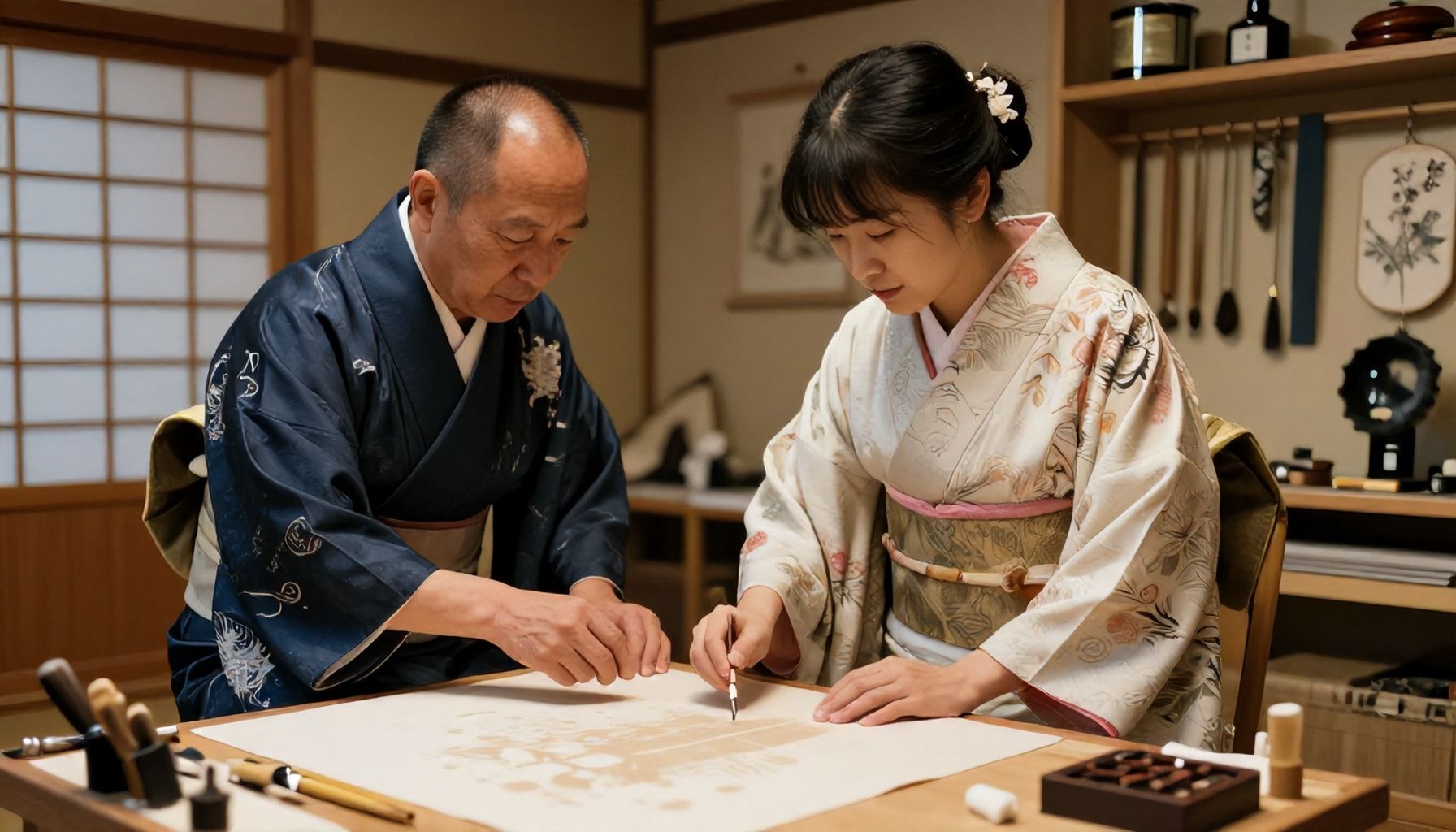
Japan's kimono artisans face an existential crisis. Once the heartbeat of traditional craftsmanship, the industry now grapples with a 40% decline in demand over two decades. The art of kimono-making, a meticulous process involving up to 30 stages, risks fading into obscurity. Younger generations show little interest in preserving these techniques, prioritizing convenience over tradition.
- Kimono production stages: Design, fabric selection, dyeing, weaving, cutting, sewing, finishing
- Time required: 6 months to 2 years per kimono
- Skills involved: Dyeing, weaving, embroidery, pattern cutting
Master artisans, or kōgeisha, possess decades of experience. Their expertise is irreplaceable, yet their workshops stand empty. A 2023 survey by the Japan Kimono Association revealed that 60% of artisans plan to retire within the next decade. Without apprentices to pass on their knowledge, these skills may vanish forever.
| Kimono Type | Production Time | Skill Level Required |
|---|---|---|
| Yukata | 1-3 months | Beginner |
| Furisode | 12-18 months | Master |
| Tomesode | 6-12 months | Intermediate |
Government initiatives and cultural preservation efforts aim to revitalize the industry. However, the path to sustainability remains uncertain. The loss of kimono artisans would not only diminish Japan's cultural heritage but also erase a century of craftsmanship.
The Decline in Kimono Demand
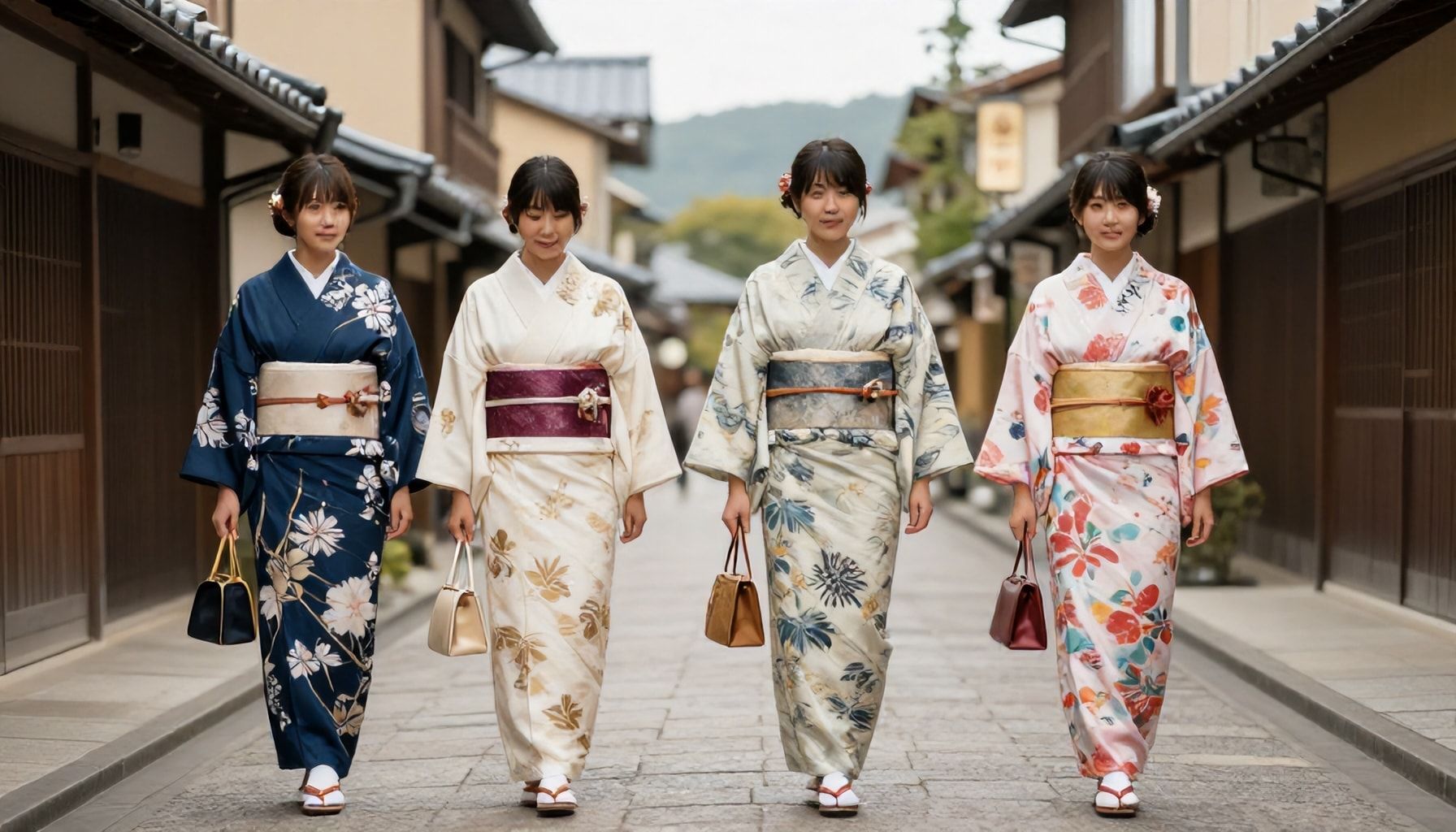
The demand for traditional Japanese kimonos has plummeted to its lowest point in two decades. A recent industry report reveals that sales have dropped by nearly 30% since 2000, with only about 200,000 kimonos sold annually in Japan. This decline has left many artisans struggling to sustain their businesses and preserve this cultural heritage.
- Factors contributing to the decline include the rising popularity of Western-style clothing and the high cost of kimonos.
- The average price of a kimono ranges from $500 to several thousand dollars, making it an unaffordable luxury for many.
- The time-consuming process of creating a kimono, which can take up to a year, also contributes to the high cost.
Experts attribute the decline to a shift in cultural preferences and the lack of younger generations embracing traditional attire. "The younger generation finds kimonos impractical for daily wear," says a cultural historian specializing in Japanese textiles. "They prefer the convenience and comfort of Western clothing." This shift has led to a significant reduction in the number of apprentices learning the craft, further threatening the survival of kimono artisans.
| Year | Kimono Sales (in thousands) |
|---|---|
| 2000 | 300 |
| 2010 | 250 |
| 2020 | 200 |
To combat this decline, some artisans are innovating by creating modern, affordable kimono designs that appeal to younger consumers. Others are turning to online platforms to reach a global audience. However, the future remains uncertain for many traditional kimono artisans, who continue to face significant challenges in preserving their craft.
“The art of kimono-making is not just about clothing; it’s about preserving a cultural legacy that has been passed down through generations.”
Challenges Faced by Modern Artisans
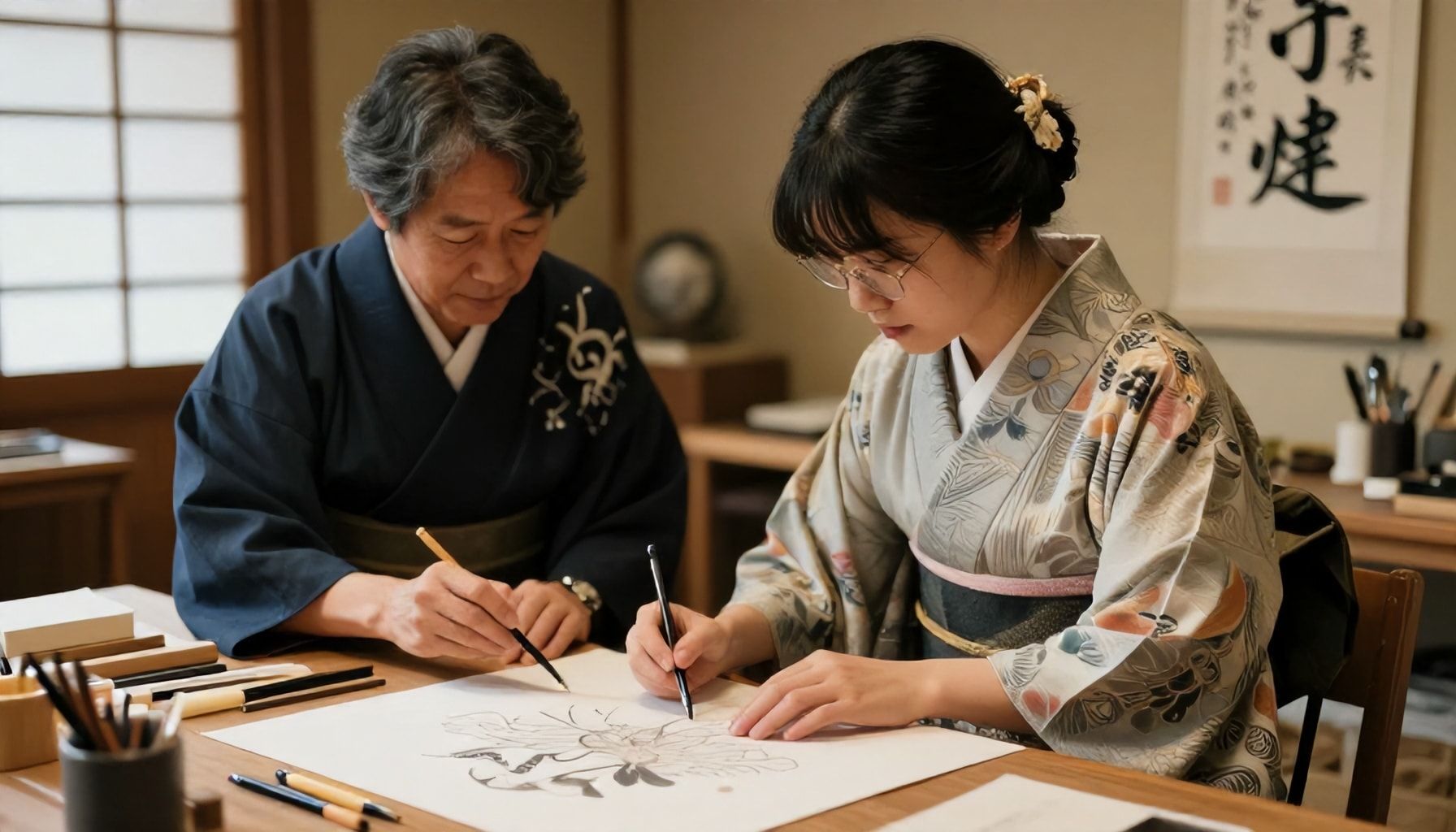
Modern kimono artisans face a perfect storm of challenges. Traditional craftsmanship demands immense skill and time, with a single kimono requiring up to 10,000 stitches. Yet, younger generations show little interest in learning these techniques, creating a severe skills gap. The Japan Kimono Association reports that the number of kimono craftsmen has dropped by 40% in the past decade. This decline threatens the survival of techniques that have been perfected over centuries.
- High production costs
- Lack of young apprentices
- Changing fashion trends
- Competition from fast fashion
Economic pressures further complicate the situation. The cost of high-quality silk and other materials has risen sharply, making kimono production increasingly expensive. Meanwhile, the average price of a handmade kimono exceeds $1,000, a steep investment for most consumers. Experts warn that without government support or innovative marketing strategies, many small workshops may close within the next five years.
Cultural shifts play a significant role in the declining demand. Western-style clothing has become the norm, even during formal occasions. Traditional events like tea ceremonies and weddings, once reliable sources of kimono sales, now see fewer participants. Artisans must adapt by offering modern designs or ready-to-wear options, but these changes risk diluting the craft's authenticity.
| Traditional Kimono | Modern Adaptations |
|---|---|
| Handmade, custom-fit | Mass-produced, standardized sizes |
| High-cost materials | Affordable synthetic fabrics |
| Time-consuming craftsmanship | Quick production methods |
Efforts to Preserve Traditional Techniques
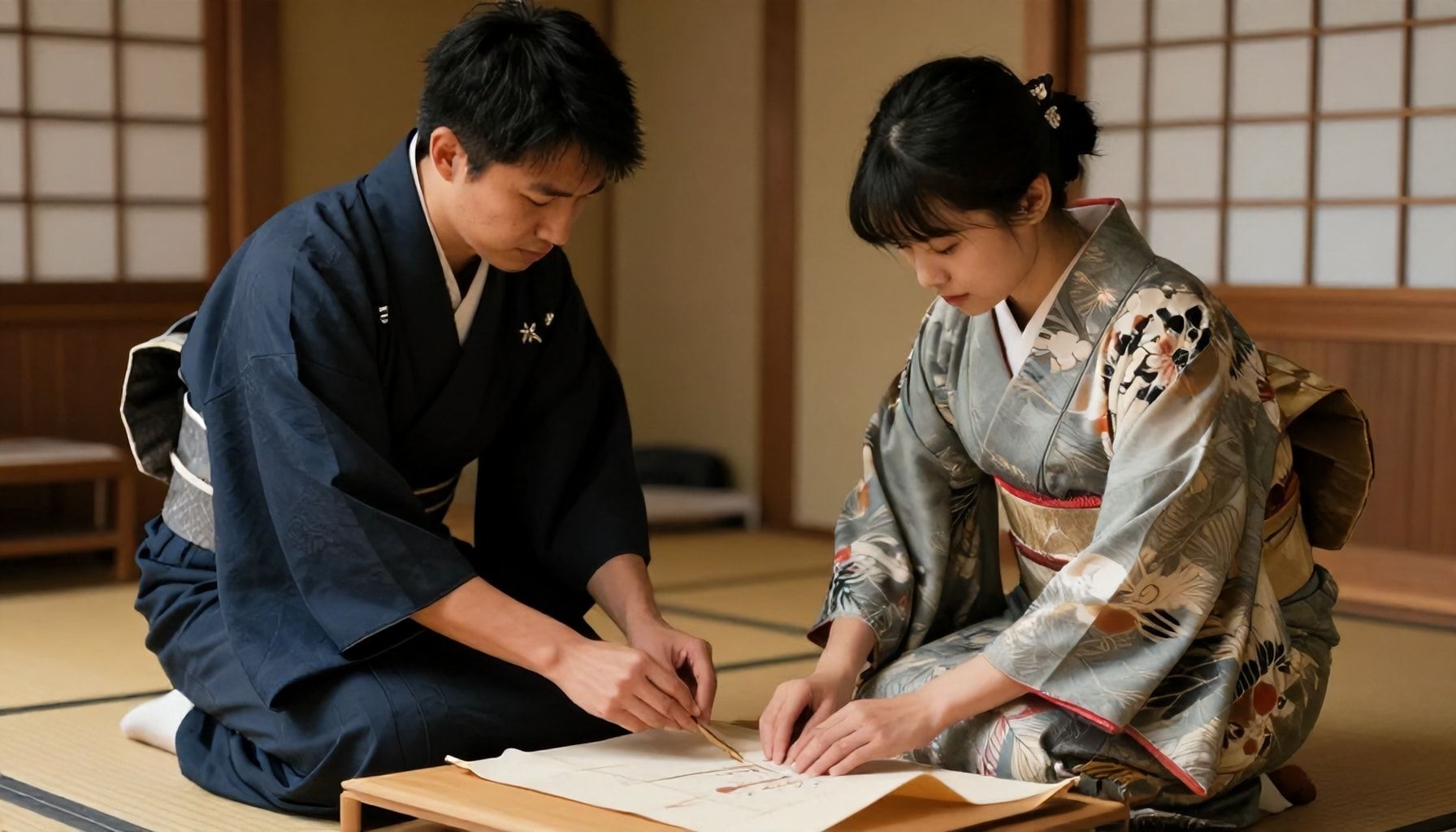
Across Japan, a quiet revolution is taking place as artisans strive to preserve the intricate techniques behind kimono craftsmanship. The country's cultural heritage is at stake, with younger generations showing less interest in traditional attire. Yet, dedicated artisans refuse to let these skills fade into obscurity. They are employing innovative methods to keep the art of kimono-making alive.
- Yuzen Dyeing: A method of dyeing fabric using resist paste and brushwork.
- Katazome: A stencil-dyeing technique that creates intricate patterns.
- Tsumugi: A type of silk weaving that produces a soft, textured fabric.
One such effort is the establishment of apprenticeship programs. These programs aim to pass down traditional techniques to the next generation. According to a recent survey, only 30% of kimono artisans are under the age of 40. This stark statistic underscores the urgency of these preservation efforts. Without intervention, the knowledge of these techniques could be lost within a few decades.
| Technique | Description | Preservation Efforts |
|---|---|---|
| Yuzen Dyeing | Hand-painted dyeing method using resist paste. | Workshops and online tutorials. |
| Katazome | Stencil-dyeing technique for intricate patterns. | Apprenticeship programs in traditional dyeing houses. |
Cultural institutions are also playing a crucial role. Museums and cultural centers host exhibitions and demonstrations to showcase the beauty and complexity of kimono craftsmanship. These events not only educate the public but also inspire a newfound appreciation for traditional techniques. By bridging the gap between past and present, these institutions help ensure that the art of kimono-making continues to thrive.
- Purchase Handmade Kimono: Buying directly from artisans supports their livelihood and encourages the continuation of traditional techniques.
- Attend Workshops: Participating in kimono-making workshops provides hands-on experience and fosters a deeper understanding of the craft.
- Visit Cultural Exhibitions: Supporting exhibitions and events helps sustain the cultural institutions that preserve kimono heritage.
Kimono in Contemporary Fashion
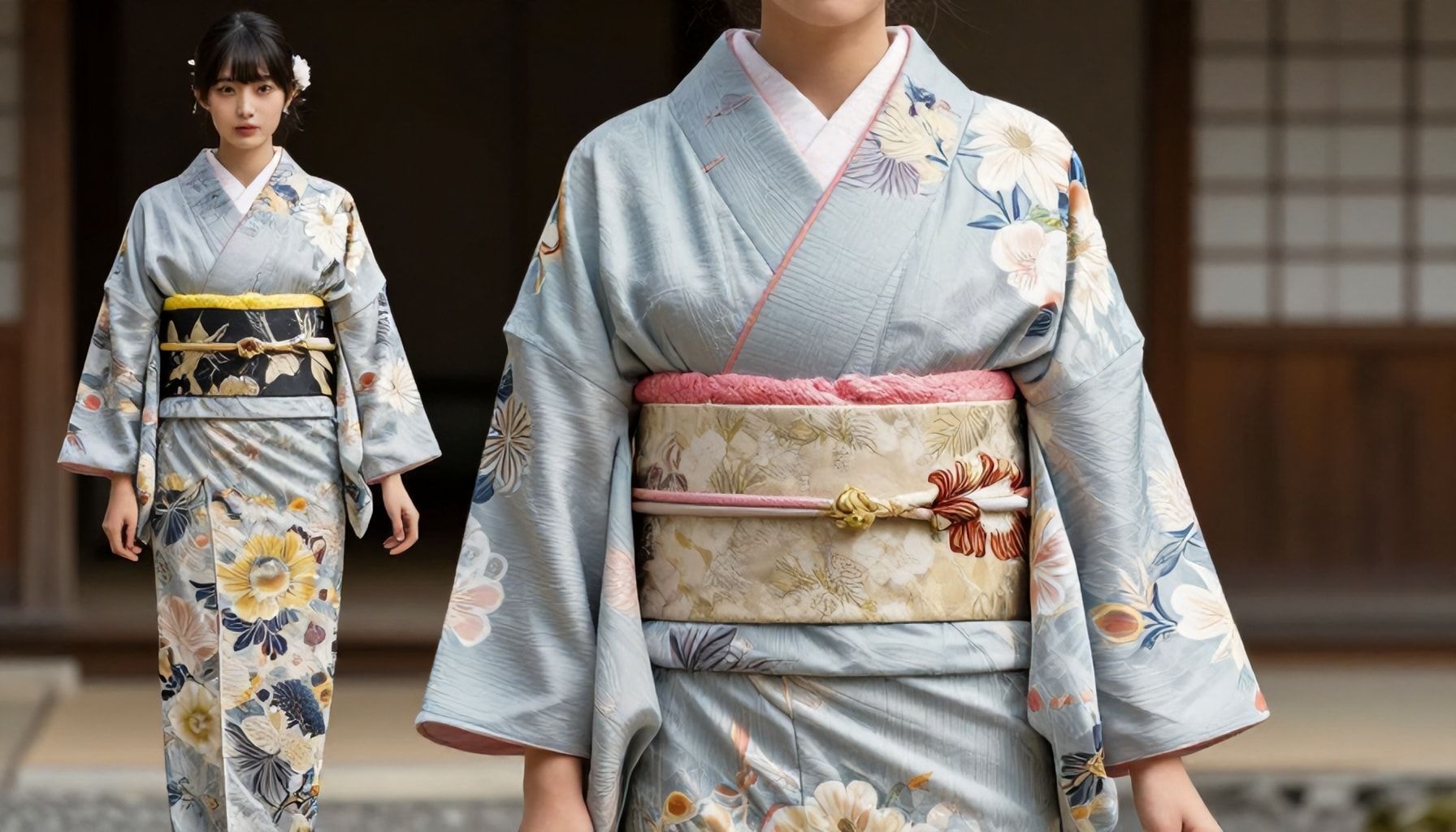
Contemporary fashion designers are breathing new life into the traditional kimono, blending heritage with modern aesthetics. Brands like Issey Miyake and Yohji Yamamoto have long championed this fusion, creating pieces that resonate with global audiences. Their work demonstrates how the kimono's elegant draping and intricate patterns can inspire innovative silhouettes and textures in modern clothing.
"The kimono is not just a garment; it's a canvas for artistic expression that transcends time."
- Renowned Fashion Historian
Designers are experimenting with kimono-inspired elements, such as obi belts and furisode sleeves, incorporating them into Western-style garments. This cross-cultural exchange results in unique pieces that appeal to a wide range of tastes. For instance, a kimono-inspired blazer or a dress with a subtle obi sash adds a touch of elegance and cultural depth to contemporary wardrobes.
- Kimono-inspired elements in modern fashion:
- Obi belts
- Furisode sleeves
- Kimono fabrics and patterns
- Traditional dyes and techniques
Despite the decline in traditional kimono production, the demand for kimono-inspired fashion remains strong. According to industry reports, the global market for traditional and fusion kimono apparel is valued at over $500 million annually. This trend highlights the enduring appeal of the kimono and its adaptability in the ever-evolving fashion landscape.
| Traditional Kimono | Modern Kimono-Inspired Fashion |
|---|---|
| Handcrafted, intricate designs | Mass-produced, simplified designs |
| Natural fabrics like silk and cotton | Synthetic blends for durability |
| Worn for formal occasions | Worn for casual and formal wear |
A Future for Japan's Textile Heritage
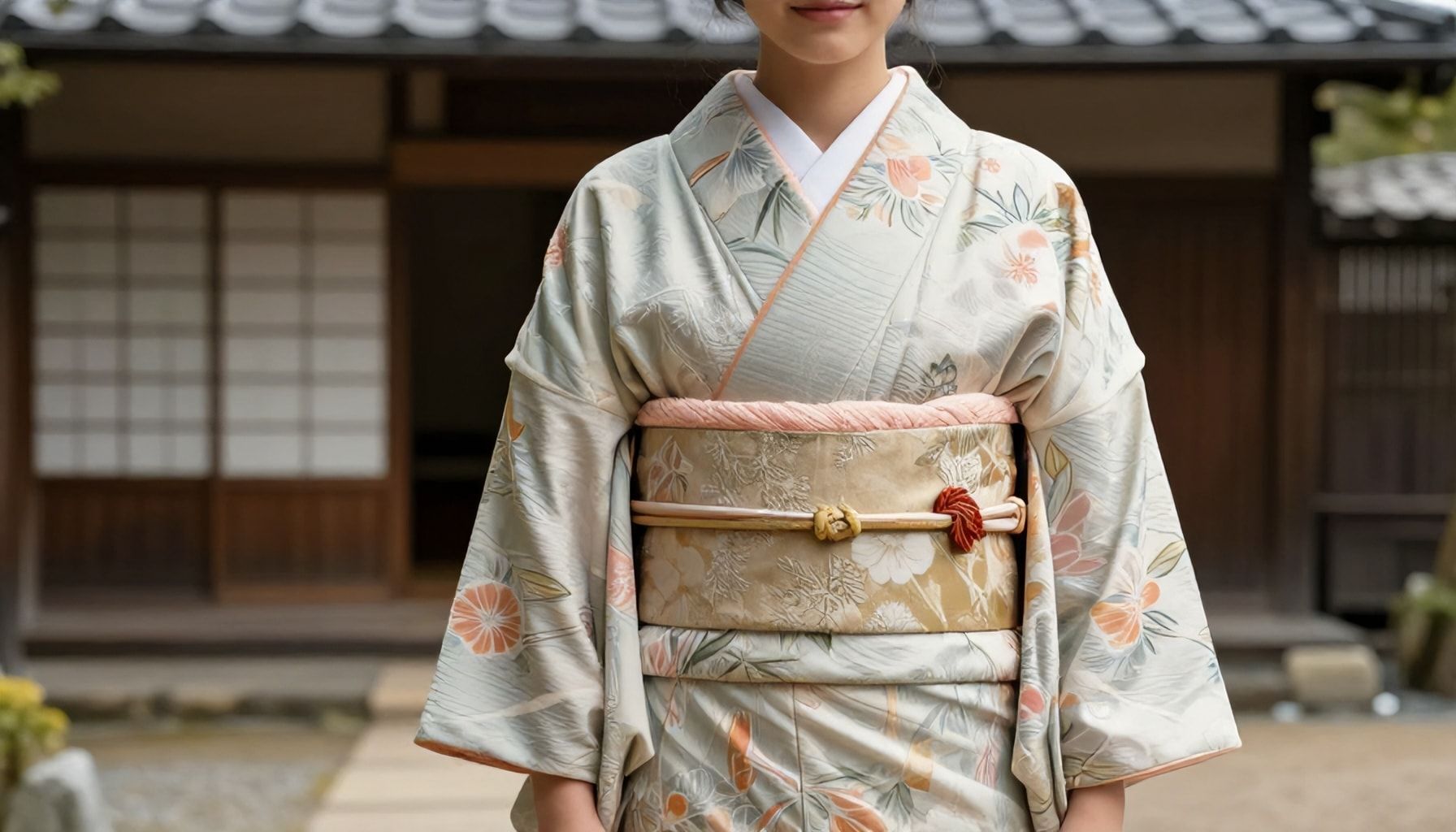
Japan's textile heritage faces an uncertain future as kimono production hits a 20-year low. The once-thriving industry, synonymous with cultural identity, now grapples with dwindling demand and a shrinking workforce. Artisans, many of whom have spent decades perfecting their craft, find themselves at a crossroads. The challenge lies not just in preserving tradition but in adapting to contemporary tastes and global markets.
- Decline in domestic demand
- Shrinking workforce
- Changing fashion trends
- Global market opportunities
Efforts to revitalize the kimono industry are underway. Collaborations with fashion designers and cultural institutions aim to blend tradition with modernity. Workshops and educational programs introduce younger generations to kimono craftsmanship, hoping to inspire a new wave of artisans. According to a recent study, over 60% of kimono artisans are aged 50 or above, highlighting the urgent need for youth engagement.
| Age Group | Percentage |
|---|---|
| Under 30 | 5% |
| 30-50 | 30% |
| 50+ | 65% |
Innovation plays a crucial role in sustaining the kimono heritage. Digital platforms showcase kimono artistry to a global audience, while eco-friendly practices attract environmentally conscious consumers. The key lies in balancing preservation with progress, ensuring that Japan's textile legacy endures for future generations.
For those interested in experiencing the artistry firsthand, cultural centers and online platforms offer immersive workshops. These sessions provide hands-on learning, from dyeing techniques to garment construction. Engaging with the craft not only supports artisans but also fosters a deeper appreciation for Japan's rich textile heritage.
The decline in demand for traditional Japanese kimonos marks a critical juncture for artisans who have preserved this cultural heritage for generations. As younger generations turn to Western fashion, the survival of this art form hinges on innovative adaptations and broader cultural appreciation. To support these artisans, consumers and cultural institutions should actively seek out and invest in high-quality, handcrafted kimonos, ensuring their legacy endures. Looking ahead, the fusion of traditional techniques with modern design could breathe new life into the kimono industry, preserving its artistry for future generations.