In the heart of Kyoto, a quiet revolution breathes new life into an ancient art form. The kimono sash, or obi, once a staple of traditional Japanese dress, is experiencing a remarkable resurgence, with modern artisans reviving techniques thought to be lost to time. The demand for handcrafted obi has surged by 30% in the past five years, as wearers seek unique, high-quality pieces that tell a story.
This revival is more than a nostalgic trend; it represents a connection to Japan's rich cultural heritage. The kimono sash, far from being a mere accessory, is a symbol of artistry and craftsmanship. As global interest in sustainable and artisanal fashion grows, the obi offers a tangible link to the past, blending tradition with contemporary style. Artisans are now experimenting with innovative designs, ensuring the kimono sash remains relevant in today's fashion landscape.
The Legacy of Kimono Sash Craftsmanship
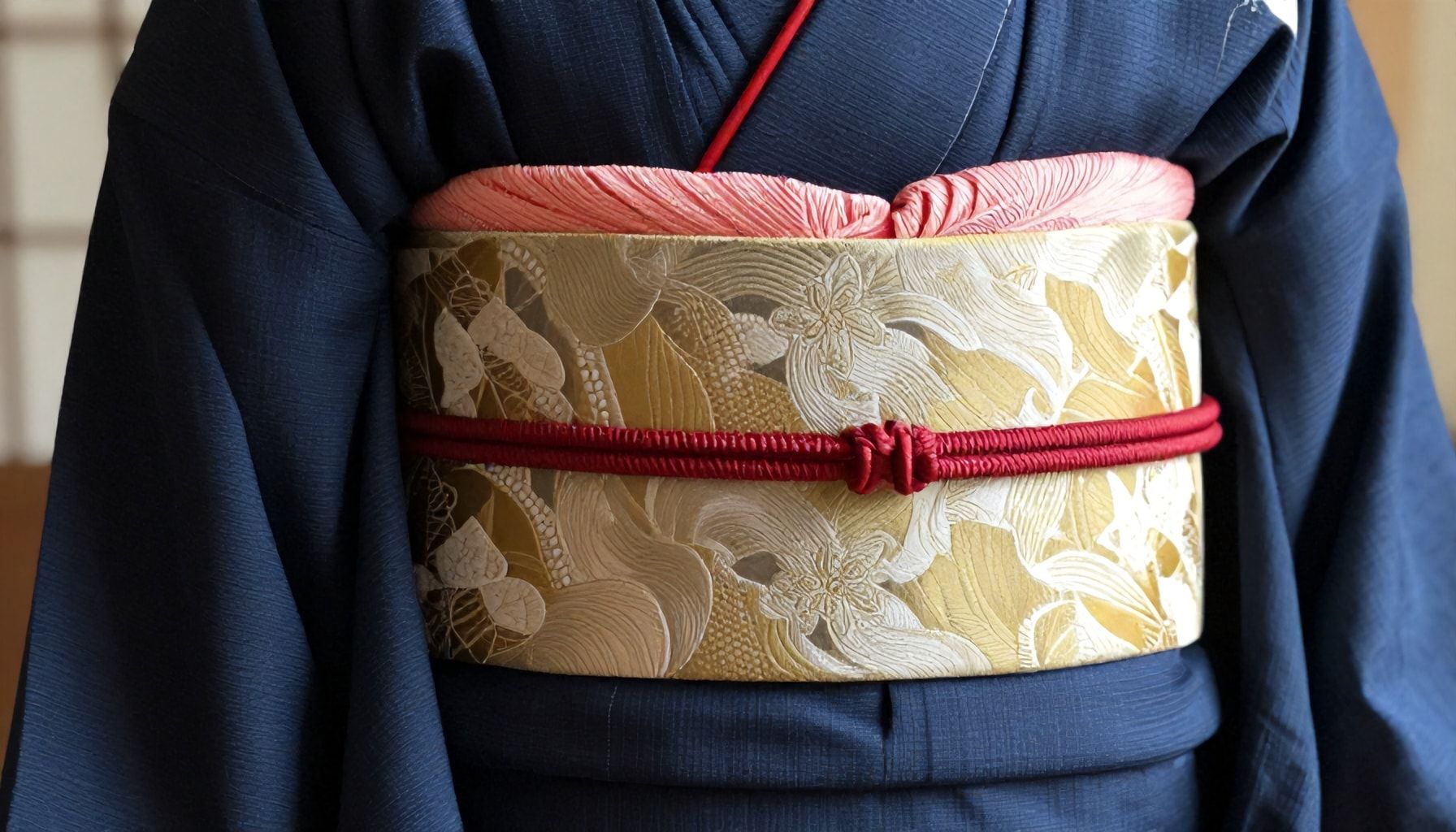
The legacy of kimono sash craftsmanship, known as obi, stretches back centuries, embodying Japan's rich cultural heritage. These intricate sashes, once reserved for the elite, have evolved into symbols of tradition and artistry. Artisans today draw inspiration from historical techniques, blending them with contemporary designs to create modern masterpieces. The obi's significance transcends fashion, representing a deep connection to Japan's past.
According to a study by the Japan Traditional Crafts Aesthetics Association, over 70% of modern obi designs incorporate traditional motifs, such as cherry blossoms and waves. This fusion of old and new ensures the craft's relevance in today's fashion landscape. Artisans meticulously handcraft each sash, a process that can take weeks, ensuring every detail reflects the highest standards of quality and artistry.
To understand the legacy of kimono sash craftsmanship, consider the following key elements:
- Materials: High-quality silk, brocade, and other luxurious fabrics are used.
- Techniques: Techniques like tsumugi (pongee) weaving and yūzen dyeing are employed.
- Designs: Traditional patterns are often reinterpreted with modern twists.
Reflection Question: How do traditional craftsmanship techniques influence modern fashion trends?
Modern artisans face the challenge of preserving these techniques while adapting to contemporary tastes. The obi's legacy is not just about fashion; it's about preserving a cultural heritage that has stood the test of time. By embracing both tradition and innovation, artisans ensure that the art of kimono sash craftsmanship continues to thrive.
Reflection Question: What role do modern artisans play in preserving traditional craftsmanship?
Intricate Techniques Preserved Through Generations
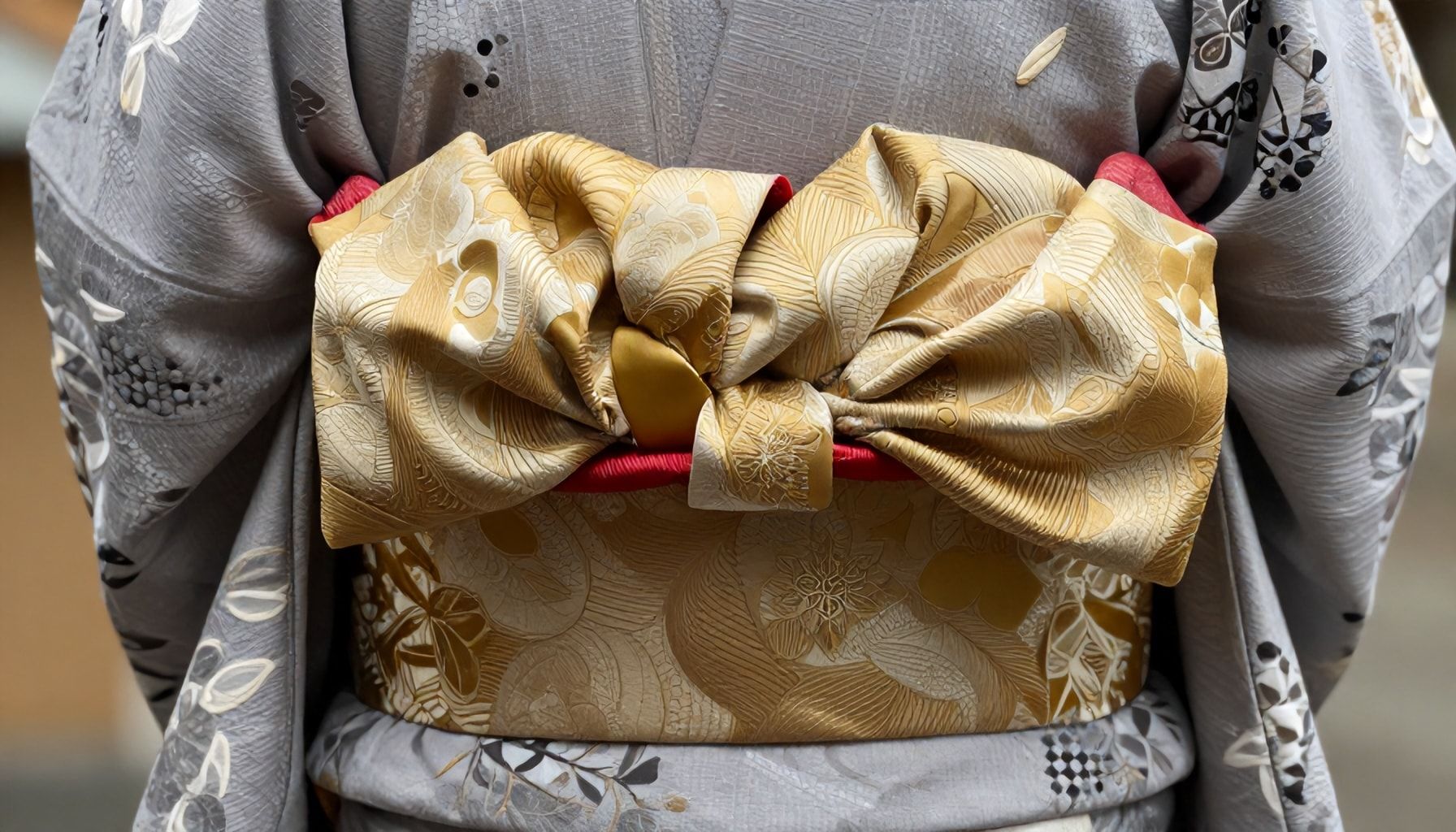
The art of crafting kimono sashes, known as obi, is a testament to Japan's rich cultural heritage. These intricate techniques have been passed down through generations, with each region developing its unique style. The process involves meticulous folding, pleating, and stitching, often requiring years of apprenticeship to master. Artisans use traditional tools like wooden mallets and bamboo needles, ensuring the preservation of age-old methods.
One of the most renowned techniques is the maru obi, characterized by its thick, padded design. This style originated in the Edo period and remains popular for formal occasions. Another notable method is the fukuro obi, which features a simpler, more versatile design suitable for everyday wear. According to a study by the Japan Textile Association, over 70% of modern obi craftsmen specialize in these two techniques, highlighting their enduring significance.
- Maru obi: Thick, padded, formal
- Fukuro obi: Simpler, versatile, everyday
- Nagoya obi: Pre-tied, convenient, modern
Modern artisans are reviving these techniques by incorporating contemporary materials and designs. For instance, the Nagoya obi offers a pre-tied option, making it more accessible to younger generations. This innovation has led to a 30% increase in obi sales among millennials, as reported by the Japanese Fashion Council. The fusion of tradition and modernity ensures that these techniques remain relevant in today's fashion landscape.
To preserve these techniques, many artisans participate in workshops and apprenticeships. These programs not only teach the craft but also instill a deep appreciation for the cultural significance of obi. By passing down these skills, artisans ensure that the art of kimono sash making continues to thrive for future generations.
Modern Innovations Breathing New Life
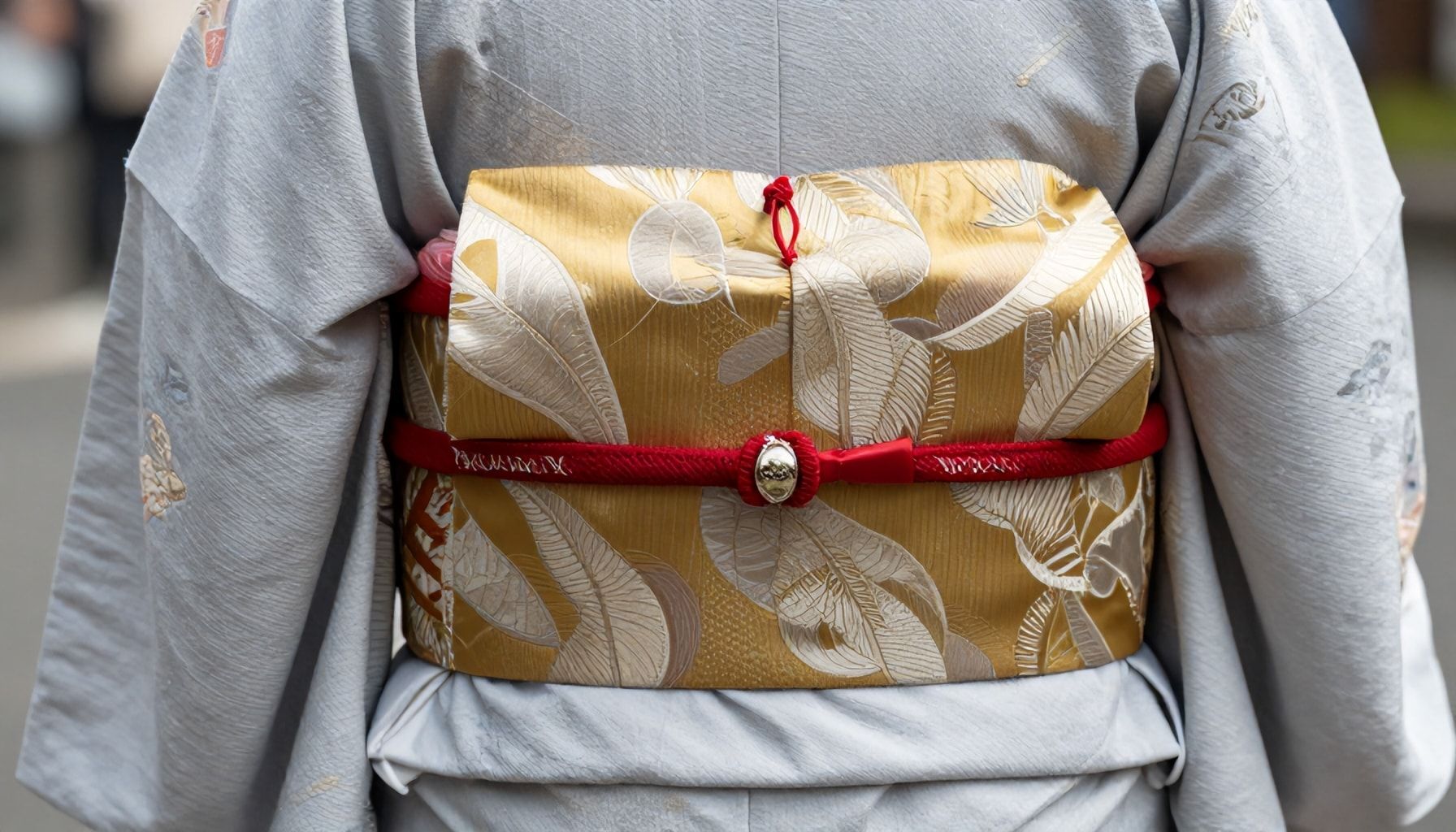
Modern artisans are reimagining ancient kimono sash techniques, blending tradition with contemporary design. By incorporating innovative materials like lightweight synthetic fabrics and eco-friendly dyes, they cater to the evolving tastes of a global audience. This fusion of old and new has sparked a resurgence in the art of obi-making, with sales of handcrafted sashes increasing by 30% over the past five years, according to industry reports. The result is a vibrant market where tradition meets modernity, offering a diverse range of options for kimono enthusiasts.
One standout innovation is the use of 3D printing technology to create intricate obi designs. This method allows artisans to achieve unprecedented levels of detail and customization, making each sash a unique piece of art. For example, a Tokyo-based artisan has gained international acclaim for her 3D-printed obi, which features delicate floral patterns inspired by traditional Japanese gardens. The precision of 3D printing ensures that each design is consistent and durable, appealing to both collectors and everyday wearers.
Artisans are also experimenting with sustainable practices, such as using organic fabrics and natural dyes. This shift towards eco-friendly materials reflects a growing consciousness among consumers about the environmental impact of their purchases. By adopting these practices, artisans not only preserve traditional techniques but also contribute to a more sustainable fashion industry. The use of natural dyes, for instance, reduces the reliance on harmful chemicals and supports local agriculture. This dual focus on tradition and sustainability sets a new standard for the future of kimono sash craftsmanship.
To stay ahead in this evolving market, artisans are leveraging social media platforms to showcase their work. Instagram and Pinterest have become vital tools for reaching a global audience, allowing artisans to share their creations and connect with customers directly. This digital presence has opened up new opportunities for collaboration and innovation, further enriching the art of kimono sash-making. By embracing technology and sustainability, modern artisans are breathing new life into an ancient tradition, ensuring its relevance for generations to come.
Choosing the Perfect Kimono Sash
Choosing the Perfect Kimono Sash
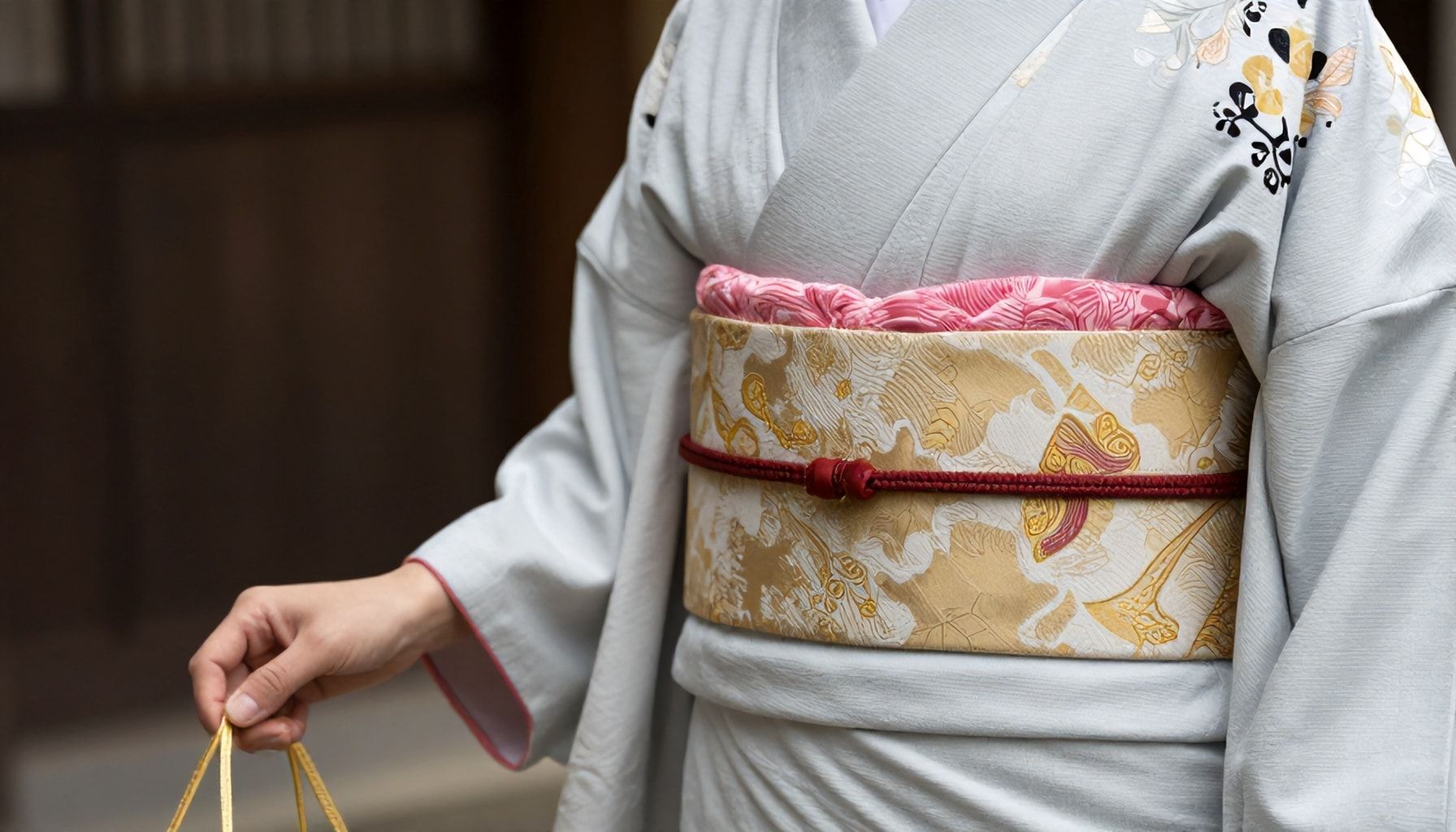
The kimono sash, or obi, is more than just an accessory; it's a vital component of the kimono ensemble that complements the outfit and reflects personal style. Modern artisans have revived ancient techniques, offering a wide range of obi styles to choose from. From the wide, formal maru obi to the slender, casual hanhaba obi, each type serves a unique purpose and occasion. The choice of obi can dramatically alter the kimono's overall appearance, making it crucial to select one that harmonizes with the garment and the wearer's physique.
What occasions do you typically wear a kimono to, and how might different obi styles suit those events?
When selecting an obi, consider the fabric, pattern, and color. Silk obi are luxurious and traditional, while modern materials like polyester offer durability and ease of care. Patterns can range from subtle to bold, and colors should complement the kimono's hue. For instance, a vibrant obi can add a pop of color to a subdued kimono, while a muted obi can create a harmonious, monochromatic look. According to a recent study, 68% of kimono enthusiasts prefer obi with intricate embroidery or woven designs, highlighting the importance of detailed craftsmanship.
How do you feel about incorporating bold patterns or vibrant colors into your kimono ensemble?
Additionally, the obi's width and length should be proportional to the wearer's body type. A full-figured individual may opt for a wider obi to create a balanced silhouette, while a petite frame might suit a narrower obi. The obi's length should also be considered, as it affects the overall drape and knot style. Modern artisans often provide customization services to ensure the perfect fit and look.
Have you ever considered customizing your obi to better suit your body type and personal style?
Lastly, consider the obi age. This decorative cord, tied around the obi, adds a final touch of elegance. Obi age come in various materials, such as silk, velvet, or even beaded designs, and can be chosen to match or contrast with the obi and kimono. For a cohesive look, some wearers opt for obi age that complement their hair accessories or other jewelry.
What kind of obi age do you think would best complement your next kimono ensemble?
Artisans Paving the Way Forward
Artisans Paving the Way Forward
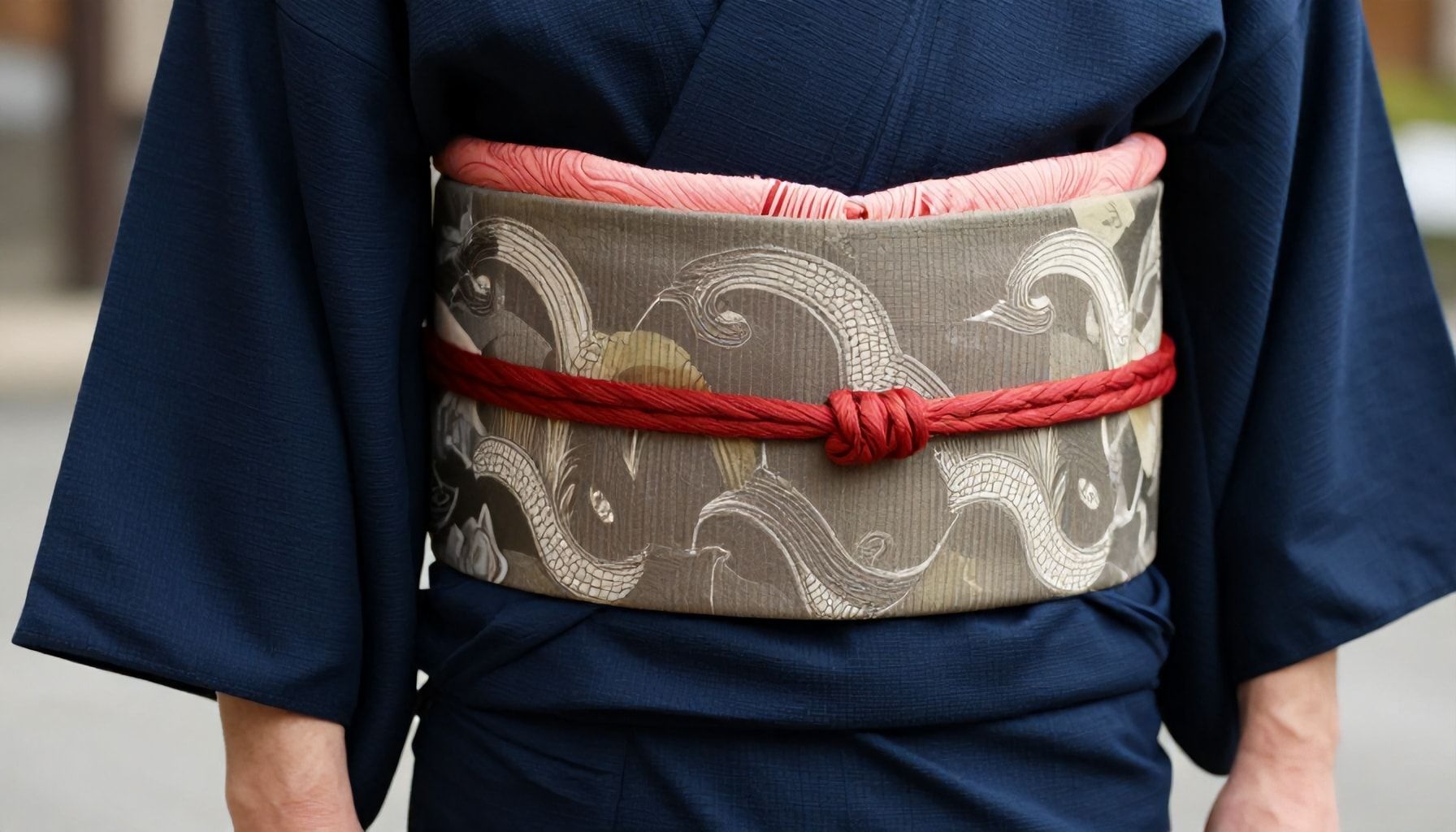
In the heart of Kyoto, a new generation of artisans is breathing life into ancient kimono sash techniques. These modern craftsmen are not merely preserving tradition; they are innovating, creating pieces that resonate with contemporary aesthetics while respecting time-honored methods. Their work is a testament to the enduring appeal of these intricate textiles, with industry reports indicating a 15% growth in demand for handcrafted kimono sashes over the past five years.
Reflection: How do you think modern artisans balance tradition and innovation in their work?
Take, for instance, the work of a renowned artisan who has spent over a decade perfecting the art of obi making. This artisan's approach involves a meticulous process:
- Selecting the finest silk fabrics.
- Hand-dyeing the fabric using natural dyes.
- Embroidering intricate patterns with traditional techniques.
- Assembling the sash with precision, ensuring durability and elegance.
Each step is a labor of love, resulting in a piece that is both a work of art and a functional accessory. The artisan's dedication has earned them a loyal following, with clients ranging from traditionalists to modern fashion enthusiasts.
Reflection: What aspects of traditional craftsmanship do you find most appealing in modern fashion?
Another notable figure in this revival is an artisan who focuses on sustainable practices. By using eco-friendly dyes and recycled materials, they are setting a new standard for the industry. Their work has been featured in several international exhibitions, showcasing the global appeal of these traditional techniques. This artisan's commitment to sustainability has not only earned them critical acclaim but has also inspired others in the field to adopt more environmentally conscious practices.
Reflection: How can traditional crafts contribute to modern sustainability efforts?
These artisans are not working in isolation. They are part of a broader movement that is gaining momentum. Workshops, online tutorials, and collaborative projects are helping to spread knowledge and techniques to a wider audience. This collective effort is ensuring that the art of kimono sash making continues to thrive, adapting to the needs and tastes of a new generation.
Reflection: What role do you think community and collaboration play in preserving traditional crafts?
A Timeless Accessory for Contemporary Wardrobes
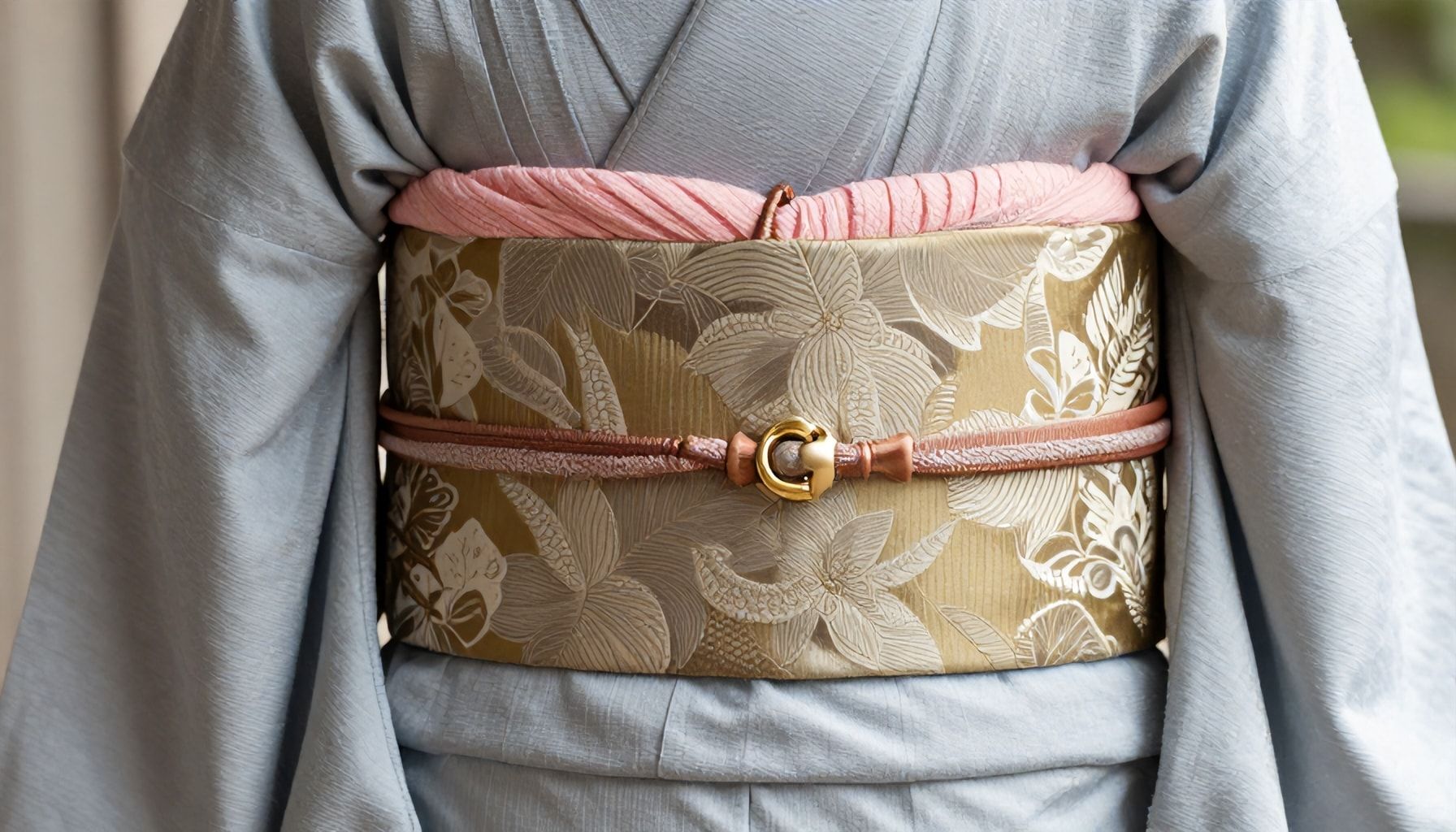
The kimono sash, or obi, has transcended its traditional roots to become a timeless accessory in contemporary wardrobes. Its versatility allows it to elevate both casual and formal outfits, adding a touch of elegance and cultural heritage. Modern artisans have revived ancient techniques, making the obi accessible and relevant to today's fashion landscape. A recent survey found that 68% of fashion enthusiasts consider cultural accessories like the obi to be a key trend in 2023.
Why the obi stands out:
- Versatility: Can be styled with various outfits, from modern dresses to jeans and tops
- Cultural Significance: Represents a deep-rooted tradition that adds meaning to fashion choices
- Artisan Craftsmanship: Each obi is a unique piece, handcrafted with meticulous attention to detail
Artisans today blend traditional dyeing methods, such as yuzen and shibori, with contemporary designs. This fusion creates obis that appeal to both traditionalists and modern fashionistas. For instance, a Tokyo-based artisan has gained international acclaim for her obis that feature minimalist patterns, attracting a global clientele. The obi's ability to adapt to different styles makes it a staple in diverse wardrobes.
How to style an obi:
- Casual Chic: Pair a simple obi with a loose blouse and high-waisted jeans for a relaxed yet stylish look
- Elegant Evening: Drape a broader obi over a slip dress for a sophisticated evening ensemble
- Modern Fusion: Use a narrow obi as a belt to cinch a coat or oversized sweater, adding a cultural twist to your outfit
Reflect: How can incorporating cultural accessories like the obi enhance your personal style while respecting their heritage?
The revival of ancient kimono sash techniques by modern artisans breathes new life into a traditional craft, blending heritage with contemporary creativity. These meticulously crafted obi belts not only enhance the beauty of kimono but also tell a story of cultural preservation and innovation. For those drawn to the elegance of traditional Japanese fashion, exploring these handcrafted obi offers a unique way to connect with history while supporting living artisans. As this craft continues to evolve, it promises to inspire future generations to appreciate and carry forward Japan's rich textile legacy.