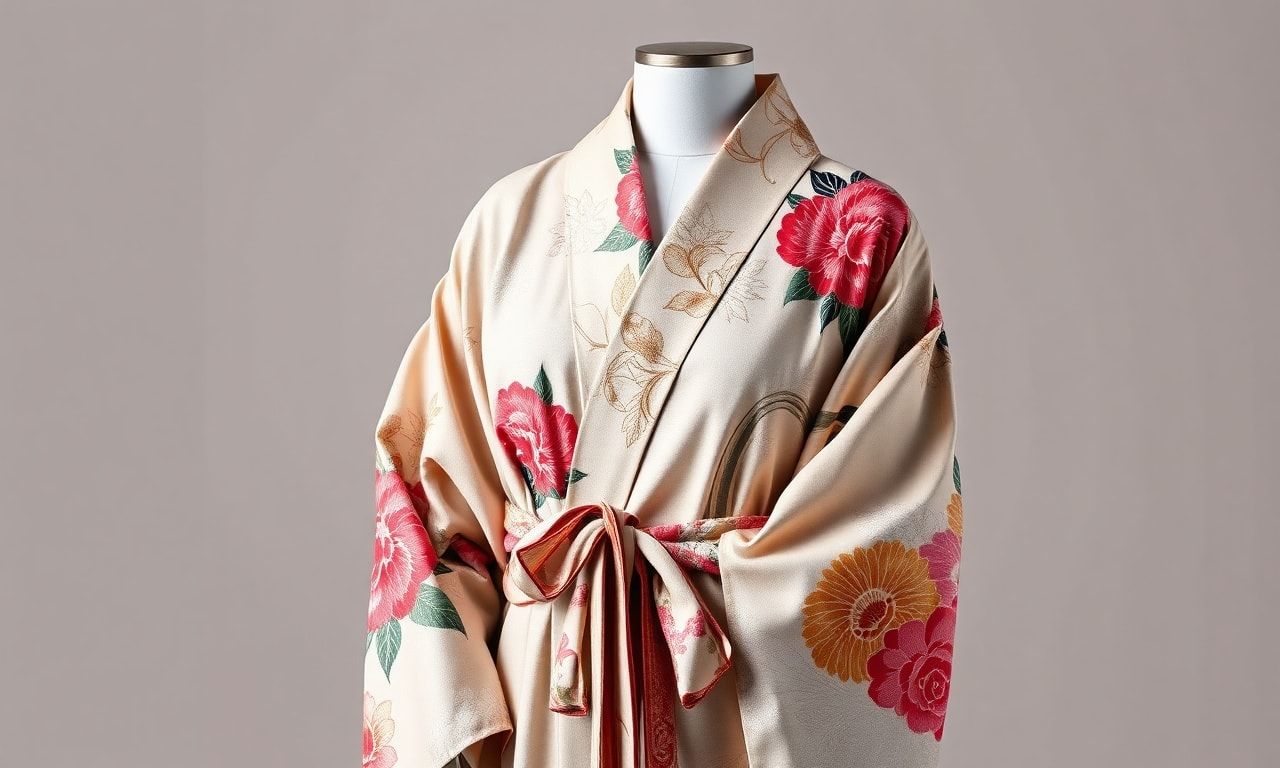
The Kimono: A Symbol of Cultural Heritage
The kimono, a traditional Japanese garment, has been a symbol of cultural heritage and elegance for centuries. Its intricate designs, vibrant colors, and meticulous craftsmanship make it a timeless piece of fashion that continues to inspire modern trends. The kimono’s significance extends beyond its aesthetic appeal; it embodies the rich history and artistic traditions of Japan. Whether worn for formal occasions or incorporated into contemporary fashion, the kimono remains a powerful statement of cultural pride and artistic expression.
Historical Significance and Evolution
The kimono’s history dates back to the Heian period (794-1185), where it evolved from simple, straight-cut robes to the elaborate, multi-layered garments we recognize today. Over the centuries, the kimono has undergone various transformations, reflecting the social and cultural changes in Japan. The Edo period (1603-1868) saw the rise of the obi, a wide sash used to secure the kimono, which added a new dimension to its design. The Meiji period (1868-1912) brought Western influences, leading to the creation of the modern kimono, which combines traditional elements with contemporary styles.
The Art of Kimono Making
The creation of a kimono is a labor-intensive process that involves multiple stages, from designing the pattern to dyeing and sewing the fabric. Traditional techniques such as yūzen, a method of dyeing fabric with resist paste, and katazome, a stencil dyeing technique, are still used today to produce intricate and vibrant designs. The choice of fabric, whether silk, cotton, or synthetic materials, also plays a crucial role in determining the kimono’s quality and durability. Each kimono is a unique work of art, reflecting the skill and creativity of the artisans who craft it.
Modern Adaptations and Fashion Trends
In recent years, the kimono has experienced a resurgence in popularity, both in Japan and internationally. Designers have reimagined the traditional kimono, incorporating modern elements and innovative materials to create contemporary styles. The kimono’s versatility allows it to be worn in various settings, from casual outings to high-fashion events. Its influence can be seen in Western fashion, where elements such as obi belts, wide sleeves, and intricate patterns have been incorporated into modern designs. This fusion of traditional and contemporary styles has made the kimono a staple in the wardrobes of fashion enthusiasts worldwide.
Kimono Fest: Celebrating the Art of Kimono
Kimono Fest is an annual event that celebrates the art and culture of the kimono. Held in various cities around the world, this festival brings together kimono enthusiasts, designers, and artisans to showcase their work and share their knowledge. Visitors can explore a wide range of kimono styles, from traditional to modern, and learn about the techniques and materials used in their creation. Workshops and demonstrations provide hands-on experiences, allowing participants to try on kimono and learn the art of dressing and accessorizing. For those interested in expanding their fashion knowledge, the empfohlene Artikel Leseliste on MunchenAktuell offers a curated selection of articles on fashion trends and cultural heritage.
Styling Tips for Incorporating Kimono into Modern Fashion
Incorporating a kimono into your wardrobe can add a touch of elegance and cultural richness to your outfits. Here are some styling tips to help you make the most of this versatile garment:
- Layering: Pair a lightweight kimono with a simple dress or top and pants for a casual yet chic look. The kimono can be worn open or tied at the waist, depending on the desired effect.
- Accessories: Complete your kimono ensemble with traditional accessories such as a obi belt, geta sandals, and a hair ornament. These details enhance the kimono’s aesthetic and add a touch of authenticity.
- Color Coordination: Choose a kimono with colors and patterns that complement your existing wardrobe. Neutral tones and subtle patterns are versatile and can be easily mixed and matched with other pieces.
- Occasion Appropriate: Select a kimono that suits the occasion. For formal events, opt for a kimono made of luxurious fabrics such as silk, while casual outings can be complemented by a cotton or linen kimono.
Preserving the Legacy of the Kimono
As the kimono continues to evolve and adapt to modern fashion trends, it is essential to preserve its cultural significance and heritage. Supporting artisans and designers who specialize in traditional kimono-making helps to sustain this ancient craft. Participating in events like Kimono Fest and engaging with the global kimono community fosters a deeper appreciation for the art and culture behind this timeless garment. By embracing the kimono’s rich history and incorporating it into contemporary fashion, we can ensure that its legacy endures for future generations to enjoy.
As the seasons change, so do our wardrobes; discover the freshest spring style trends of 2024 to keep your look vibrant and on-point.
Elevate your wardrobe with our latest guide on modern streetwear styling tips, featuring the iconic New Balance brand.
Discover the dynamic world where style meets life with our latest feature, fashion and lifestyle trends, a must-read for anyone eager to elevate their personal aesthetic.