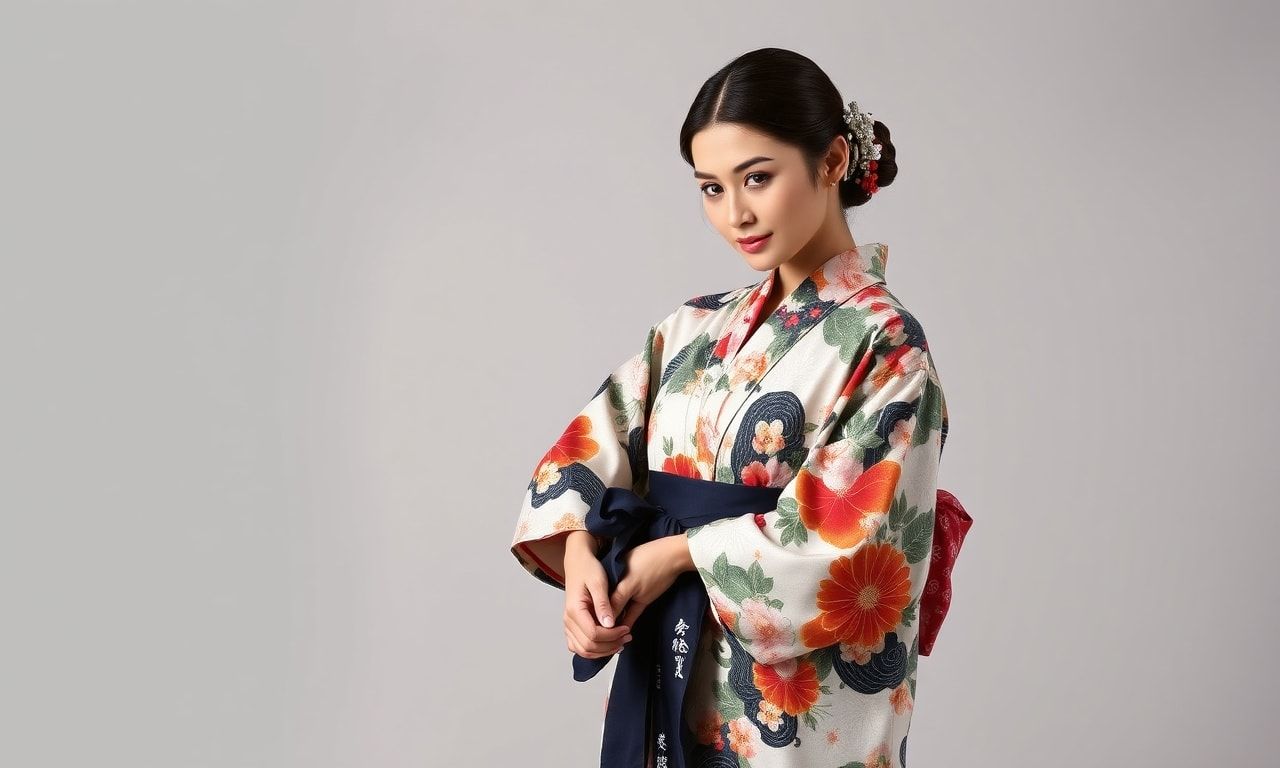
The Art of Kimono Dressing
The kimono, a traditional Japanese garment, is more than just a piece of clothing; it is a canvas for artistic expression and cultural heritage. The art of kimono dressing, known as ‘kitsuke,’ is a meticulous process that involves layering, draping, and securing the garment with obi sashes. Each step is a testament to the wearer’s understanding of the kimono’s history and the intricate techniques involved in its creation.
Kimonos are typically made from silk, although other materials like cotton and synthetic fabrics are also used. The choice of fabric can significantly influence the kimono’s drape, comfort, and suitability for different occasions. For instance, silk kimonos are often reserved for formal events due to their luxurious feel and elegant appearance, while cotton kimonos are more versatile and can be worn for both casual and semi-formal occasions.
The Significance of Colors and Patterns
The colors and patterns on a kimono are not merely decorative; they carry deep cultural and symbolic meanings. Traditional kimonos often feature intricate designs inspired by nature, such as cherry blossoms, waves, and birds. These motifs are not only aesthetically pleasing but also convey messages of beauty, strength, and resilience.
For example, the color red is often associated with celebration and joy, making it a popular choice for festivals and weddings. On the other hand, black kimonos are typically worn for formal occasions and mourning. The patterns on a kimono can also indicate the wearer’s age, marital status, and social standing. Understanding these nuances is essential for appreciating the rich cultural tapestry that kimonos represent.
Kimono in Modern Fashion
While kimonos have deep roots in Japanese tradition, they have also found a place in contemporary fashion. Designers worldwide have embraced the kimono’s unique silhouette and incorporated it into modern clothing lines. The fusion of traditional and modern elements has resulted in innovative designs that appeal to a global audience.
One notable trend is the kimono-inspired jacket, which combines the elegance of the traditional kimono with the practicality of modern outerwear. These jackets often feature kimono-like sleeves and obi-inspired belts, creating a harmonious blend of East and West. Another popular trend is the use of kimono fabrics in Western-style dresses and blouses, adding a touch of Japanese aesthetics to everyday wear.
For those interested in incorporating kimonos into their wardrobe, it’s essential to understand the different types of kimonos and their appropriate uses. The ‘furisode,’ for example, is a long-sleeved kimono worn by young, unmarried women, while the ‘tomesode’ is a shorter-sleeved kimono typically worn by married women. Understanding these distinctions can help you choose the right kimono for any occasion.
Accessories and Styling Tips
Accessories play a crucial role in completing the kimono look. Traditional accessories include the ‘obi,’ a wide sash tied around the waist, and the ‘obiage,’ a decorative ribbon tied around the obi. Other accessories, such as hairpins, fans, and bags, can add a personal touch to your kimono ensemble.
When styling a kimono, consider the occasion and the overall aesthetic you wish to achieve. For a formal event, opt for a silk kimono with intricate patterns and pair it with traditional accessories. For a more casual look, a cotton kimono with simple patterns can be paired with modern accessories like sneakers or a denim jacket. The key is to balance tradition and modernity to create a unique and stylish look.
The Cultural Impact of Kimono
The kimono’s influence extends beyond fashion; it has also left a significant mark on various aspects of Japanese culture. Kimonos are often featured in traditional Japanese arts, such as tea ceremonies, dance performances, and theater. The way a kimono is worn and accessorized can convey different emotions and stories, making it an integral part of these cultural practices.
In addition to its cultural significance, the kimono has also inspired various forms of art and literature. Artists and writers have long been fascinated by the kimono’s beauty and the stories it tells. From ukiyo-e woodblock prints to contemporary novels, the kimono continues to be a source of inspiration for artists around the world.
For those interested in learning more about the cultural significance of kimonos, exploring traditional Japanese arts and literature can provide valuable insights. Whether you’re a fashion enthusiast or a cultural connoisseur, the kimono offers a rich and rewarding journey into the heart of Japanese heritage.
Driving Tips and Safety Guide for Beginners
While the kimono is a beautiful and culturally significant garment, it’s essential to consider practical aspects of daily life, such as driving. For beginners, understanding driving tips and safety guidelines is crucial. If you’re new to driving, you might find it helpful to consult a comprehensive driving tips safety guide beginners to ensure you’re well-prepared for the road. Safety should always be a priority, whether you’re navigating city streets or embarking on a long journey.
Conclusion
The kimono is a timeless symbol of Japanese culture and elegance. Its intricate designs, rich history, and cultural significance make it a cherished garment that continues to inspire fashion enthusiasts worldwide. Whether you’re wearing a traditional kimono for a special occasion or incorporating kimono-inspired elements into your modern wardrobe, the kimono offers a unique and stylish way to connect with Japanese heritage.
As you explore the world of kimonos, remember to appreciate the artistry and craftsmanship that go into each garment. By understanding the cultural context and styling tips, you can create a look that is both fashionable and respectful of tradition. And when it comes to practical aspects like driving, always prioritize safety and seek reliable resources to guide you on your journey.
As the fashion world leans into sustainability, discover the latest trends in natural and eco-friendly style that are shaping the industry.
Unravel the enchanting secrets of the fashion world with our latest feature, discovering fashion’s hidden mysteries, and stay ahead of the curve in style trends and beauty tips.