The Timeless Appeal of Kimono
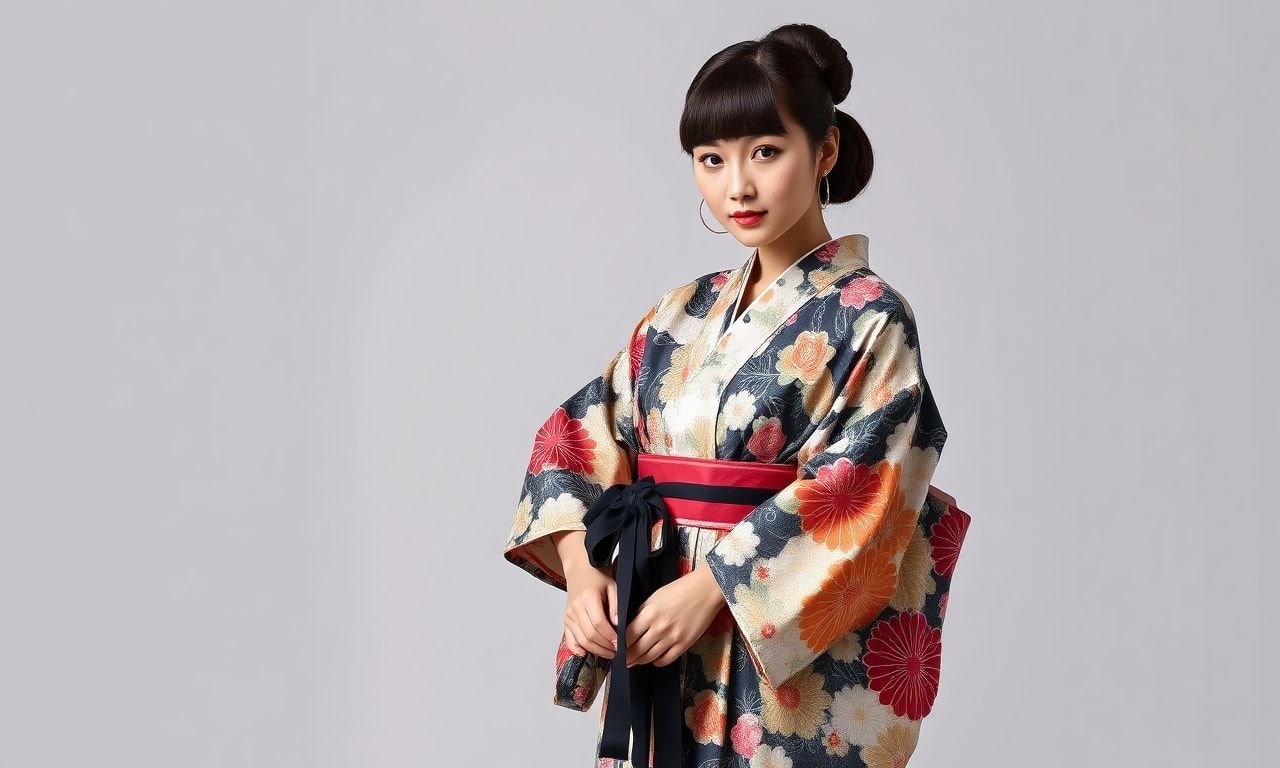
The kimono, a traditional Japanese garment, has captivated the world with its elegance and simplicity. Originating in the Heian period (794-1185), the kimono has evolved over centuries, reflecting the cultural and social changes of Japan. Today, it stands as a symbol of Japanese heritage, admired for its intricate designs and craftsmanship. The kimono’s timeless appeal lies in its ability to blend tradition with modernity, making it a versatile piece in the world of fashion.
Modern Interpretations of Kimono Style
In recent years, the kimono has experienced a resurgence in the global fashion scene. Designers worldwide are reinterpreting the kimono, incorporating its elements into contemporary clothing. This fusion of traditional and modern styles has given birth to a new wave of kimono-inspired fashion. From high-end couture to streetwear, the kimono’s influence is undeniable. Its flowing silhouette and vibrant patterns add a touch of sophistication to any outfit, making it a favorite among fashion enthusiasts.
The Kimono in Western Fashion
The kimono’s impact on Western fashion is evident in various forms. Designers like Dior and Gucci have featured kimono-inspired collections, showcasing the garment’s versatility. The kimono’s influence can also be seen in accessories, such as obi belts and geta sandals, which have become popular fashion statements. Additionally, the kimono’s color palette and motifs have inspired prints and patterns in Western clothing. This cross-cultural exchange has enriched the fashion industry, fostering a deeper appreciation for Japanese aesthetics.
Kimono Fest: Celebrating the Art of Kimono
Kimono Fest is an annual event that celebrates the art of kimono dressing and its cultural significance. Held in various cities around the world, Kimono Fest brings together enthusiasts, designers, and cultural experts to share their knowledge and passion for the kimono. The event features workshops on kimono dressing, lectures on its history, and exhibitions showcasing exquisite kimono collections. Kimono Fest provides a platform for cultural exchange, promoting a deeper understanding of Japanese traditions and their relevance in today’s fashion landscape.
Styling Tips for Incorporating Kimono into Your Wardrobe
Incorporating a kimono into your wardrobe can add a touch of elegance and uniqueness to your outfits. Here are some styling tips to help you make the most of this versatile garment:
- Layering: Use the kimono as a lightweight jacket or cardigan. Pair it with a simple dress or jeans and a top for a casual yet chic look.
- Accessories: Complete your kimono look with traditional accessories like an obi belt, geta sandals, or a decorative hairpin. These elements will enhance the kimono’s aesthetic and add a cultural touch to your outfit.
- Color Coordination: Choose a kimono with colors and patterns that complement your existing wardrobe. Neutral tones and subtle prints are versatile and can be easily mixed and matched.
- Occasion Appropriate: Select a kimono that suits the occasion. A formal kimono with intricate embroidery is perfect for special events, while a casual kimono can be worn for everyday outings.
- Confidence: Wear your kimono with confidence. The key to pulling off any fashion statement is to embrace it wholeheartedly. The kimono’s unique design and cultural significance make it a conversation starter, so own your look and enjoy the compliments.
Kimono Care and Maintenance
Proper care and maintenance are essential to preserve the beauty and longevity of your kimono. Here are some tips to keep your kimono in excellent condition:
- Storage: Store your kimono in a cool, dry place away from direct sunlight. Use a breathable garment bag to protect it from dust and moisture.
- Cleaning: Hand wash your kimono with mild soap and lukewarm water. Avoid machine washing, as it can damage the delicate fabric and embroidery.
- Ironing: Iron your kimono on a low heat setting to avoid scorching the fabric. Use a pressing cloth to protect the delicate patterns and embellishments.
- Repairs: If your kimono requires repairs, consult a professional with experience in handling traditional Japanese garments. They can ensure that the repairs are done correctly and maintain the kimono’s authenticity.
The Global Influence of Kimono Fashion
The kimono’s influence extends beyond the fashion industry, impacting various aspects of popular culture. From music videos to film costumes, the kimono has become a symbol of elegance and cultural richness. Its presence in global media has sparked interest in Japanese fashion and traditions, fostering a deeper appreciation for its artistry. The kimono’s global appeal is a testament to its timeless beauty and adaptability, making it a beloved garment across different cultures and generations.
In the world of sports, the kimono’s influence can be seen in the way teams and athletes embrace cultural elements in their uniforms and branding. For instance, the team rankings world update often highlights how different teams incorporate traditional designs into their sportswear, creating a unique blend of performance and cultural expression.
The Future of Kimono Fashion
The future of kimono fashion looks promising, with a growing interest in sustainable and ethical fashion practices. Designers are increasingly using eco-friendly materials and traditional techniques to create modern kimono-inspired pieces. This shift towards sustainability aligns with the kimono’s inherent values of craftsmanship and respect for nature. As the fashion industry continues to evolve, the kimono’s timeless appeal and cultural significance will undoubtedly remain a source of inspiration for designers and fashion enthusiasts alike.
Discover how tech is transforming athletic wear and gear in our latest feature, innovations shaping sports today, and stay ahead of the curve in active fashion.
Dive into the vibrant world where style meets music and movies in our latest feature, fashion’s pop culture moment, and discover how these trends are shaping your wardrobe.