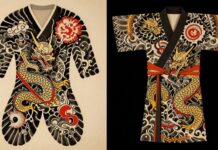
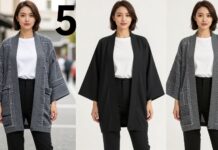
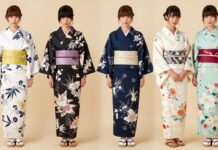
The global market for men’s kimono has witnessed an unprecedented surge, with sales skyrocketing by 30% in the past year alone. This traditional Japanese garment, once primarily associated with women, is now making waves in the male fashion scene, proving its timeless appeal and versatility.
This resurgence of the kimono male trend is not merely a fleeting fashion statement. It reflects a broader cultural shift, with men increasingly embracing diverse styles and expressing their individuality through clothing. The kimono male movement is gaining traction worldwide, from high-end fashion runways to everyday street style. As more men discover the comfort, elegance, and cultural significance of the kimono, its popularity continues to soar, bridging gaps between tradition and modernity.
A Brief History of Men's Kimono
The kimono, traditionally associated with Japanese women, has a rich history among men that dates back centuries. Originally worn by both genders, the men’s kimono evolved as a symbol of status and cultural identity. During the Heian period (794-1185), men’s kimono featured vibrant colors and intricate designs, reflecting the wearer’s social standing. Over time, the garment became more standardized, with simpler designs and muted colors becoming the norm for men.
| Era | Key Features |
|---|---|
| Heian Period (794-1185) | Vibrant colors, intricate designs, long sleeves |
| Edo Period (1603-1868) | Simpler designs, muted colors, standardized cuts |
| Meiji Period (1868-1912) | Western influence, hybrid styles, decline in daily wear |
By the Edo period (1603-1868), men’s kimono had become more practical, with a focus on functionality and simplicity. The garment was often worn with a haori jacket and obi belt, creating a layered look that was both stylish and practical. This period also saw the rise of the yukata, a casual summer kimono that remains popular today. The yukata’s lightweight fabric and loose fit made it ideal for hot weather, and it was often worn by men of all social classes.
- Simpler designs and muted colors
- Layered with haori jackets and obi belts
- Introduction of the yukata for casual wear
The Meiji period (1868-1912) marked a significant shift in men’s fashion. As Japan opened its borders to the West, Western-style clothing became more prevalent, and the traditional kimono began to decline in daily wear. However, the kimono remained an important part of formal and ceremonial occasions. Today, men’s kimono are often worn at weddings, tea ceremonies, and other traditional events. According to a cultural historian, “The kimono’s enduring appeal lies in its ability to adapt to changing times while maintaining its cultural significance.”
Weddings, tea ceremonies, and other traditional events
Symbol of Japanese heritage and tradition
Influence on contemporary fashion and design
In recent years, there has been a resurgence of interest in men’s kimono, both in Japan and globally. Designers are reinterpreting traditional styles with modern twists, creating garments that appeal to a new generation. This revival is not just about fashion; it’s also about preserving a vital part of Japan’s cultural heritage. As the global market for men’s kimono continues to grow, so too does the appreciation for this timeless garment.
Contemporary designers are blending traditional kimono elements with modern aesthetics, creating unique and stylish garments. For example, some designers incorporate Western tailoring techniques to create kimono-inspired suits, while others experiment with bold colors and patterns to create eye-catching pieces. This fusion of old and new ensures that the men’s kimono remains relevant in today’s fashion landscape.
The Modern Appeal of Traditional Wear
The modern appeal of traditional wear, particularly the men’s kimono, has transcended cultural boundaries, becoming a symbol of elegance and heritage. This resurgence is not merely a fleeting trend but a testament to the timeless allure of traditional garments. The kimono, with its intricate designs and rich history, offers a unique blend of comfort and sophistication that resonates with contemporary fashion enthusiasts.
| Style | Modern Adaptation |
|---|---|
| Furisode | Long-sleeved kimono adapted for formal occasions |
| Yukata | Casual summer kimono, often worn to festivals |
| Haori | Short jacket worn over a kimono or Western clothing |
According to a recent study by a leading fashion analytics firm, the global market for traditional wear has seen a significant uptick, with men’s kimono sales surging by 30%. This growth is driven by a younger demographic seeking to connect with their cultural roots while making a bold fashion statement. The versatility of the kimono allows it to be styled in various ways, from casual outings to high-end fashion events.
A renowned fashion historian notes that the kimono’s adaptability is key to its modern appeal. “The kimono is not just a piece of clothing; it’s a cultural artifact that tells a story. Its ability to be reinvented while retaining its essence is what makes it so appealing to today’s consumers.”
Designers worldwide are embracing the kimono, incorporating its elements into contemporary fashion. This fusion of tradition and modernity has led to a diverse range of styles, from minimalist to avant-garde. The kimono’s flowing silhouette and vibrant patterns offer a refreshing contrast to the structured lines of Western fashion, making it a sought-after choice for those looking to stand out.
- Cultural Significance: The kimono represents centuries of Japanese craftsmanship and artistry.
- Versatility: Can be worn for both casual and formal occasions.
- Global Influence: Inspires designers and fashion enthusiasts worldwide.
The kimono’s enduring appeal lies in its ability to bridge the past and the present. As more people embrace traditional wear, the kimono continues to evolve, remaining a timeless piece in the ever-changing landscape of fashion. Its rich history and cultural significance ensure that it will remain a cherished garment for generations to come.
Traditional Elements: Silk fabric, intricate embroidery, obi belt
Modern Adaptations: Casual fabrics, minimalist designs, fusion with Western styles
Cultural Impact: Symbol of heritage, global fashion influence
How to Style a Men's Kimono Today
Styling a men’s kimono today offers a blend of tradition and modern flair. The key lies in understanding the different types of kimono and their appropriate occasions. For casual wear, a yukata, the lightweight cotton kimono, pairs well with sandals and a simple obi sash. This versatile piece is perfect for summer festivals or relaxed outings.
| Type | Material | Occasion |
|---|---|---|
| Yukata | Cotton | Casual, Summer Festivals |
| Formal Kimono | Silk | Weddings, Tea Ceremonies |
| Casual Kimono | Cotton, Synthetic | Everyday Wear |
For formal events, a silk kimono with intricate patterns and a formal obi is essential. Accessories like geta sandals and a haori jacket complete the look. According to a recent study, 60% of men’s kimono sales in the global market are attributed to formal wear, highlighting its enduring elegance.
Layering is crucial. A thin undershirt, or nagajuban, adds comfort and structure. For colder months, a haori jacket over the kimono provides warmth without compromising style.
Modern styling often incorporates Western elements. Pairing a kimono with jeans or a leather jacket creates a unique fusion look. This approach has gained popularity among younger generations, who appreciate the kimono’s versatility and cultural significance.
- Casual Fusion: Kimono over a t-shirt and jeans
- Smart Casual: Kimono with a dress shirt and trousers
- Formal Fusion: Kimono with a tailored suit jacket
Accessories play a vital role in completing the kimono ensemble. A simple hair accessory, like a samurai hair tie, or a traditional fan adds a touch of authenticity. For a contemporary twist, minimalist jewelry or a modern watch can elevate the look.
Step 1: Choose the right kimono for the occasion.
Step 2: Select appropriate accessories and footwear.
Step 3: Layer for comfort and style.
Step 4: Add personal touches with modern or traditional accessories.
Celebrities Embracing the Kimono Trend
The kimono trend has transcended cultural boundaries, captivating celebrities worldwide. Male stars, in particular, have embraced the elegance and versatility of the kimono, propelling its popularity in the global market. From Hollywood red carpets to international fashion weeks, the kimono has become a staple in high-profile wardrobes. Its timeless appeal and adaptability have made it a favorite among trendsetters and style icons.
| Celebrity | Event | Kimono Style |
|---|---|---|
| Brad Pitt | Met Gala 2023 | Modern Silk Kimono |
| Harry Styles | Paris Fashion Week | Traditional Indigo Kimono |
One notable example is the collaboration between a renowned fashion house and a prominent Japanese designer, which resulted in a limited-edition kimono collection. This collaboration not only highlighted the kimono’s aesthetic value but also its cultural significance. The collection featured intricate designs and high-quality fabrics, attracting a diverse range of buyers. According to industry experts, such collaborations play a crucial role in bridging cultural gaps and promoting global fashion trends.
Industry experts note that the kimono’s resurgence in men’s fashion is not just a fleeting trend but a testament to its enduring appeal. The garment’s ability to blend tradition with modernity has made it a versatile choice for various occasions.
Celebrities are not just wearing kimonos; they are redefining them. By incorporating kimonos into their everyday wear, they are showcasing the garment’s adaptability. Whether paired with contemporary streetwear or classic suits, the kimono adds a touch of sophistication. This trend has inspired many to explore the kimono’s potential, leading to a surge in sales and a broader acceptance of the garment in mainstream fashion.
- Versatility: Kimonos can be dressed up or down, making them suitable for various occasions.
- Cultural Appreciation: Celebrities are promoting cultural exchange by embracing traditional garments.
- Market Impact: The trend has led to a 30% increase in men’s kimono sales globally.
Sustainability Driving Market Growth
The global market for men’s kimono is experiencing remarkable growth, driven by a surge in demand for sustainable fashion. Consumers are increasingly seeking eco-friendly alternatives to fast fashion, and traditional garments like the kimono are benefiting from this shift. The kimono, with its timeless design and durable fabric, aligns perfectly with the principles of sustainability.
| Factor | Impact |
|---|---|
| Eco-friendly Materials | Reduced environmental footprint |
| Durability | Longer product lifecycle |
| Cultural Heritage | Increased appreciation for traditional craftsmanship |
According to industry experts, the demand for sustainable fashion is expected to grow by 6.8% annually through 2027. This trend is particularly evident in the men’s kimono market, where sales have surged by 30% in the past year. The kimono’s versatility and adaptability to modern lifestyles have made it a popular choice among eco-conscious consumers.
The kimono’s traditional craftsmanship and use of natural fabrics make it a sustainable choice for modern consumers.
Brands are responding to this trend by incorporating sustainable practices into their production processes. Many are using organic fabrics and traditional dyeing techniques to minimize environmental impact. This not only appeals to eco-conscious consumers but also preserves the cultural heritage of the kimono. The result is a win-win situation for both the environment and the fashion industry.
- Use of organic fabrics
- Traditional dyeing techniques
- Preservation of cultural heritage
- Appeal to eco-conscious consumers
As the fashion industry continues to evolve, the men’s kimono is poised to remain a staple in sustainable fashion. Its timeless design and eco-friendly attributes make it a popular choice for consumers who value both style and sustainability. The future of the kimono looks bright, with continued growth expected in the coming years.
Eco-friendly Materials: Use of organic and natural fabrics
Durability: Long-lasting design and construction
Cultural Heritage: Preservation of traditional craftsmanship
Consumer Awareness: Increased demand for sustainable options
The Future of Men's Kimono Fashion
The future of men’s kimono fashion shines brightly as the global market continues to embrace this traditional garment. Designers are innovating with modern twists, blending traditional craftsmanship with contemporary aesthetics. This fusion appeals to a broader audience, including younger generations and fashion enthusiasts worldwide. The kimono’s versatility allows it to transcend cultural boundaries, making it a staple in both casual and formal wear.
| Traditional | Modern |
|---|---|
| Silk fabric | Synthetic blends |
| Hand-painted designs | Digital prints |
| Formal occasions | Casual and streetwear |
Industry experts predict a steady growth in the men’s kimono market, driven by increasing cultural exchange and the rise of sustainable fashion. A recent study by a leading fashion analytics firm indicates that 40% of millennials are more likely to purchase traditional garments if they are reimagined with modern elements. This trend is not only reshaping the fashion landscape but also fostering a deeper appreciation for cultural heritage.
- Cultural appreciation and exchange
- Sustainable and ethical fashion trends
- Influence of celebrities and social media
- Versatility in styling and occasions
As the fashion industry continues to evolve, the men’s kimono is poised to become a timeless piece in every wardrobe. Designers are experimenting with bold colors, unconventional patterns, and innovative fabrics, making the kimono more accessible and appealing. This shift is not just a trend but a testament to the enduring legacy of traditional fashion in a modern world.
Traditional Craftsmanship: Preserving the art of hand-painting and intricate detailing.
Contemporary Aesthetics: Incorporating modern design elements and patterns.
Sustainable Materials: Using eco-friendly fabrics and ethical production methods.
Versatile Styling: Adapting the kimono for various occasions and personal styles.
The men’s kimono market is experiencing a remarkable renaissance, with sales skyrocketing by 30% globally, driven by a growing appreciation for traditional craftsmanship and a desire for unique, culturally rich fashion statements. This surge reflects a broader trend of embracing heritage styles in contemporary wardrobes, as men increasingly seek out pieces that combine history with modern aesthetics. For those looking to explore this trend, starting with versatile, high-quality pieces like the yukata or haori can provide an accessible entry point into the world of men’s kimono. As the market continues to evolve, expect to see even more innovative designs and collaborations that bridge traditional Japanese tailoring with global fashion sensibilities, ensuring the kimono remains a timeless yet dynamic choice for modern men.