6 min read · Updated: 2026-10-14
Readers often assume fashion focus means only runways and red carpets, but steady gigs behind the scenes matter. This explainer shows how local job listings in the USA can impact your style career—from boutique styling to production roles. You’ll learn where to look, what to expect, and how to apply with confidence.
When done well, local listings translate into real-world opportunities that shape wardrobes and workplaces alike. The guide walks you through practical steps to find roles that suit your fashion strengths, without overwhelming jargon or false urgency.
Finally, we cover what to avoid and how small, reliable listings can fuel consistent work and creative growth, even if you’re building a freelance or part-time plan.
- Local listings in the USA connect fashion work nearby to your skills, shaping opportunities from styling to production.
- Focus on detailed listings, not just a name or brand; proximity and role clarity guide timing and preparation.
- Customize resumes and portfolios to your local scene and meet punctuality, reliability, and collaboration expectations.
- Treat listings as a steady pipeline and build a small network that supports ongoing work and growth.
Basics of local listings
Why listings matter for designers
Local job listings in the USA often reflect seasonal needs from ready-to-wear or couture houses to boutique shops and studios. They reveal nearby opportunities that fit a designer’s skill set, from pattern making to showroom support. This shows readers where to look first and how proximity affects application timing.
- Identify nearby studios or boutiques with active postings
- Note recurring roles like assistant stylist or shop associate
- Tailor your portfolio to regional fashion needs
- Track posting cadence to time applications well
What to look for in a listing
Key details to note
Read listings for required skills, hours, and whether the role is paid or volunteer. This helps you judge if the position fits your schedule and career goals. Start with clear confirmations of duties and reporting lines to avoid vague responsibilities. Crypto News Mag
- Required skills and tools
- Hours and location
- Compensation or credit
- Cultural fit cues
Where to search locally
Best places to start
Begin with neighborhood fashion districts, university fashion programs, and local trade guilds. These hubs often post roles that aren’t widely advertised. You’ll find a mix of entry-level and mid-career opportunities that suit different budgets and schedules. community events in the USA
- A boutique asks for a part-time stylist with basic merchandising skills.
- A nearby studio posts for a junior pattern maker during a seasonal push.
- A gallery-hosted fashion event lists support staff roles for setup and guest services.
- Neighborhood studios
- University career boards
- Guild or association postings
- Pop-up and market postings
| Option | Pros | Cons |
|---|---|---|
| Look for part-time styling | Steady hours, local network | May have lower pay or limited scope |
| Search production studios | Diverse skills, scale-friendly | Less visible to the public |
| Volunteer at events | Great for portfolio | Less immediate financial return |
Applying with fashion clarity
Crafting a focused application
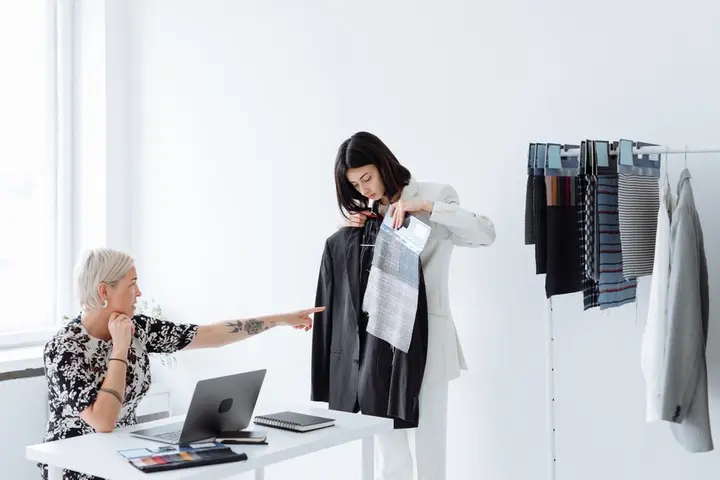
Tailor your resume to highlight relevant fashion tasks, such as merchandising, styling, or fabric knowledge. Use concise bullets and quantify impact where possible, like inventory turns or lookbook production support. A clean, pattern-focused portfolio reinforces your fit for local gigs. add your business listing in the USA
- Match your skills to the listing’s duties
- Highlight local-market relevance
- Keep communications concise and precise
- Tailor skills to the listing
- Attach a local-market portfolio
- Reference local events or clients
- Show reliability and collaboration
Bring a compact lookbook or a few swatches to show your style in action.
Building a local fashion network
Networking with boutique teams
Building a local network starts with small, targeted introductions. Attend pop-ups, sketch nights, and store events to meet buyers and stylists in person. Follow up with a concise note that references a recent listing or project you admired. place an obituary in the USA
In-person connections create lasting impressions beyond online portfolios. Bring a compact lookbook or a few swatches to show your style in action. Offer to share a ride to a showroom or help with a look for a shoot to demonstrate reliability.
Cultivating local ties takes time, but consistent presence matters more than one standout meeting. Track who you meet, when you followed up, and what you offered next. A simple calendar reminder can keep momentum alive.
- Attend at least two local events per month
- Bring a portable portfolio to events
- Follow up within 48 hours of meeting
- Offer a small collaboration to seed a project
- Share local sources for fabrics or trims
Balancing gigs with style commitments
Scheduling musts for freelancers
Freelance fashion work requires clear time blocks. Map a weekly calendar that reserves shoot days, fittings, and markup time for tailoring. Keep a buffer for last-minute listings that fit your aesthetic and brand voice.
- Block time specifically for listings and responses
- Prepare a capsule wardrobe for common shoot themes
Communicate availability early and briefly with editors or store managers. Use a shared calendar link and confirm each appointment with a brief text that reiterates your wardrobe needs and a contingency plan for weather or delays.
A steady rhythm reduces stress and protects personal style. When you commit to a project, plan outfits that align with your current mood and the season, so you don’t clash with deadlines.
- Create a weekly block for shoots and fittings
- Share a calendar link with collaborators
- Prepare two backup outfits per event
- Set reminders for early follow-ups
- Keep a small, neutral travel kit for quick changes
Using listings to plan wardrobe needs
Reading listings for wardrobe clues
Local listings often hint at the vibe a client wants, from mood boards to sample garments. Read the description for color palettes, fabrics, and seasonality to tailor your portfolio before applying.
Note recurring keywords or brands that appear in listings and align them with your own looks. This helps you present a coherent style story in interviews or submissions.
Treat listings as a shopping list for your closet: invest in a few flexible pieces that can be styled up or down to fit multiple gigs.
- Identify color families and fabrics via listings
- Create a small capsule based on common themes
- Keep a portable fabric swatch set
- Develop a one-page styling plan for recurring gigs
- Curate a lean editorial look for quick shoots
Legal and contract basics for freelancers

Understanding contracts and payments
Freelance fashion work often involves short contracts and milestone payments. Read the terms carefully, noting delivery timelines and rights to imagery. If something seems unclear, ask for a brief clarification before signing.
Keep all communications in writing, and save finalized terms in a dedicated folder. A simple agreement can prevent future disputes over usage rights or payment timing.
Expect to negotiate a reasonable rate and a clear schedule upfront. Document changes via written amendments so both sides have a record.
- Ask for a written contract before starting work
- Clarify image usage rights and payment terms
- Keep all emails and terms in one folder
- Request amendments in writing if terms change
- Track deadlines with calendar reminders
Frequently asked questions
Are local listings a good source for internships or early-stage gigs?
Yes. Listings often reveal the kinds of projects studios and boutiques plan for the season. Treat them as a chance to demonstrate reliability, build a small portfolio, and establish a local footprint. Approach with a lightweight, professional pitch and a couple of sample looks.
How can I stand out without a large network?
Prepare a focused, personal portfolio that reflects the listings you target. Attend one event per month and follow up with a short note that mentions a specific listing. Consistency beats sporadic efforts when you’re building a local presence.
What if a listing asks for something I don’t own?
Offer a near-match alternative or propose renting a piece for the shoot. You can also reference a collaboration idea that uses your existing wardrobe, showing flexibility and creativity.
How should I track payments and deadlines?
Use a simple system: a digital calendar for deadlines and a labeled folder for contracts and invoices. Send reminders one day before a due date and confirm receipt once payment is made.
Conclusion
Takeaways from engaging with local fashion listings include building community, refining your styling voice, and learning how to manage time and wardrobe efficiently. These habits translate into stronger confidence on shoots and cleaner collaborations.
Next steps: curate a portable wardrobe kit, set a two-week response plan for listings, and keep a concise, professional note ready for inquiries. This practical setup helps you turn listings into regular work without losing your personal style.