16 min read · Updated: 2026-11-28
To wear a yukata, choose a length that reaches your ankles, put it over a light underlayer, and wrap the left front panel over the right. Keep the collar close to the neck, smooth the fabric at the waist, then secure it with an obi tied firmly but comfortably. Check that the hem hangs evenly before heading out.
A yukata is an unlined cotton garment, so fit and layering affect both comfort and how neatly it drapes. A little preparation—pressing out creases, checking the front panels and choosing a suitable underlayer—makes dressing easier.
This guide covers what distinguishes a yukata, how to select its size and fabric, what to wear underneath, and how to put it on correctly. The table compares practical underlayer choices, while the later topics will cover the obi and finishing touches.
- Choose a yukata that reaches the ankles and allows easy movement.
- Wear a light, smooth underlayer and prepare the garment before dressing.
- Wrap the right panel first, then cross the left panel over it.
- Level the hem and smooth the fabric before securing it with an obi.
What Makes a Yukata Different
A Lighter Summer Robe
A yukata is a casual, unlined robe traditionally associated with warm weather. Its cotton fabric is lighter and easier to care for than the layered garments worn for more formal occasions, making it a practical choice for summer outings, festivals or relaxing at home. The open weave and uncomplicated construction also make it comfortable in heat.
- A yukata is a lightweight, unlined garment suited to warm weather.
- Wear it with an obi rather than treating it as a loose house robe.
- Choose a pattern and fit that let the fabric hang smoothly.
Unlike a robe designed only for lounging, a yukata is worn out in public in appropriate settings and is finished with an obi. Its simple shape leaves the fabric and pattern visible, so a clean fit matters even when the outfit is informal. Think of it as a complete garment, not a dressing gown.
Yukata styles range from subdued stripes and checks to bold traditional motifs. Darker, quieter patterns can feel understated, while lighter grounds or striking prints make a more expressive choice. Whatever the design, the garment should hang smoothly rather than pull across the shoulders or bunch heavily at the waist.
Casual Does Not Mean Careless
A yukata is less formal than many kimono, but the way it is worn still follows clear conventions. Most important, the left front panel must cross over the right; reversing the overlap is reserved for dressing the deceased. Check the overlap each time you put the garment on, especially when dressing quickly.
The collar should sit comfortably near the base of the neck, with enough room to move without falling open. Keep both front edges level and let the sleeves hang naturally. These small adjustments help the garment look intentional and prevent the fabric from twisting as you walk or sit.
The occasion can guide how polished the overall look should be. At a casual summer event, a simple cotton yukata and understated obi are generally suitable; for a more formal setting, check the host's dress expectations. Avoid adding unrelated layers or accessories that compete with the garment's shape and pattern.
Choose a Comfortable Fit and Fabric
Check Length and Shoulder Fit
Choose a yukata long enough to reach around the ankles when you stand, but not so long that the hem drags on the ground. Sizing charts vary by maker, so compare your height and body measurements with the garment's listed dimensions instead of relying on a familiar letter size. A belt can adjust some excess length, not a poor overall fit.
At the shoulders, the garment should lie without pulling when you bring your arms forward. The sleeves may be roomy, but the body should not feel so wide that the front panels are difficult to control. If you are between sizes, check the listed garment length and width, then consider whether you prefer a closer or looser drape.
Allow enough ease for an underlayer and ordinary movement, especially when sitting or walking. A yukata that looks neat while standing still can feel restrictive if its chest or sleeves are too tight. When trying one on, raise your arms gently and take a few steps to spot pulling, twisting or a hem that catches underfoot.
- Compare your height with the maker's garment-length guide.
- Check the chest and sleeve width for comfortable movement.
- Walk and sit briefly to test the hem and shoulder ease.
Pick Fabric for the Occasion
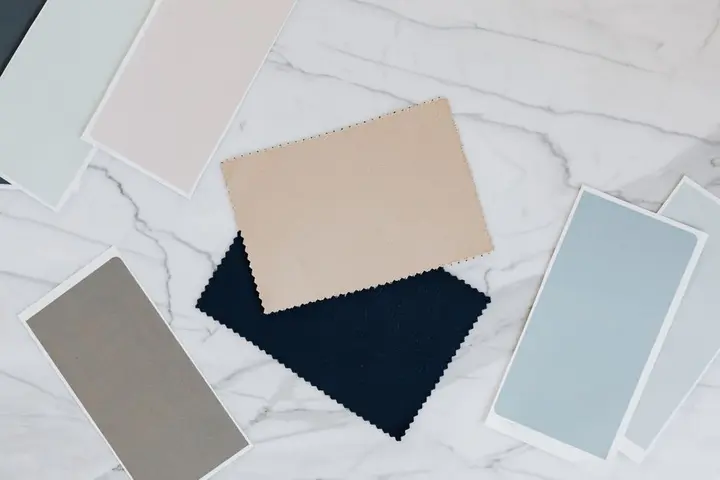
Cotton is a common yukata fabric because it feels breathable and has enough body to hold a tidy shape. Some garments use blends or textured weaves, which may feel smoother, dry differently or need different care. Read the care label before buying, particularly if you expect to wear the garment often or wash it at home.
For a hot outdoor event, a lighter fabric and a less crowded pattern can feel airy and look relaxed. A denser weave may drape more firmly and provide a more substantial feel, but can be warmer. Consider the climate, how long you will wear it and whether you will be walking or sitting for much of the day.
Color and pattern also affect how versatile the yukata feels. A restrained print can pair easily with a plain obi, while a vivid motif may look best with a quieter belt. If shopping online, inspect close-up fabric images and the written care details; a product photo alone cannot tell you how the material feels.
Prepare the Yukata and Undergarments
Choose a Light Underlayer
Wear a light, breathable underlayer to absorb perspiration and reduce friction beneath the yukata. A simple undershirt and comfortable briefs work for many men; choose pieces that lie flat so their edges do not show through the outer fabric. In hot weather, avoid thick or bulky layers that trap heat and disturb the robe's drape.
A V-neck or deeper neckline can stay hidden beneath the yukata's open collar, while a crew neck may show when the front shifts. Pick a close-fitting top that does not bunch around the waist. The aim is a smooth base, not extra shaping that makes the garment feel tight or adds visible bulk.
Undergarments are a matter of comfort and coverage, not a complicated uniform. If you prefer more coverage, choose a light layer that remains comfortable when walking and sitting. Before dressing, check that the fabric is dry and smooth; damp or twisted layers can make the yukata cling or pull out of place.
- Choose a breathable top that stays below the collar.
- Wear smooth, comfortable briefs without bulky seams.
- Avoid thick layers that add heat or bunch at the waist.
| Option | Best for | What to check |
|---|---|---|
| Light undershirt | Comfort and perspiration absorption | Neckline stays beneath the collar |
| Smooth briefs | Comfort under the robe | Seams do not add bulky lines |
| Thin base layer | Extra coverage | Fabric remains breathable |
Air, Smooth and Arrange
Before putting on a yukata, check for creases, stains and loose threads, then air it if it has been stored folded. Follow its care label if it needs pressing; use a suitable setting and avoid lingering heat on delicate blends or printed areas. A smooth garment is easier to wrap evenly and less likely to form bulky folds.
Lay the yukata flat with the front panels open and the sleeves spread naturally. Confirm that the left panel is on your left and the right panel on your right before lifting it, so the correct overlap is easy to maintain. Keep your obi and underlayer close at hand rather than leaving the robe unsecured while you search.
If the fabric is slippery or the robe keeps shifting, dress in front of a mirror and make adjustments before tying the obi. Smooth the back and side seams with your hands, then check that the hem is level. A few deliberate checks now prevent hurried tugging after the waist has already been secured.
Hold the robe open and slide your arms into the sleeves, letting the back panel settle flat against your body.
Put on the Yukata, Right Side First
Set the Correct Overlap
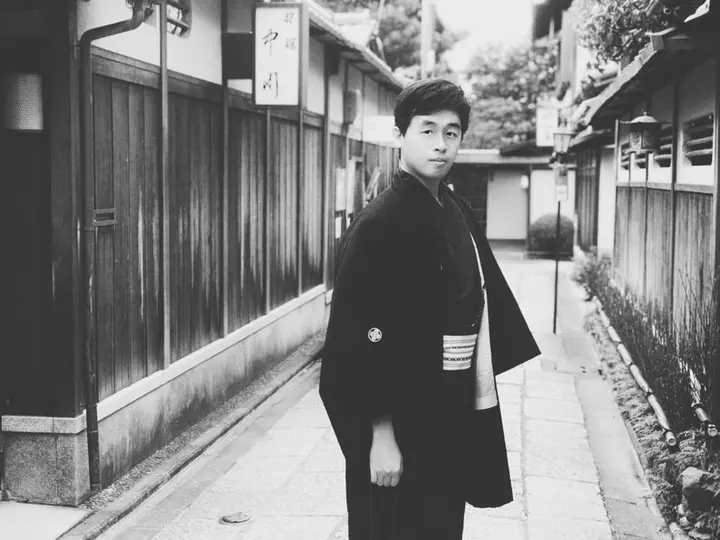
Hold the robe open and slide your arms into the sleeves, letting the back panel settle flat against your body. Bring the right front panel across your body first, then lay the left panel over it. The finished overlap is left over right, with the collar edges meeting neatly rather than crossing too low or pulling apart.
Keep the collar close to the neck without choking or pressing against the throat. Smooth the front panels from chest to hip, removing trapped folds as you go. If one side hangs lower, lift or lower the hem gently before wrapping the waist; pulling the collar alone can distort the whole front.
Check the overlap from the front and make sure the left panel remains on top as you move. The right side should not peek across the upper chest in a way that reverses the wrap. Once the panels sit evenly, hold them in place with one hand while you prepare to secure the waist.
Smooth the Waist and Hem
Before adding the obi, gather excess fabric neatly at the waist rather than letting it pool at the ankles. Adjust the hem so it hangs evenly and clears the ground, then smooth the front and back panels with your palms. The goal is a clean line with enough room to walk, not a rigidly tight fit.
Check the side seams and back for twists, since a robe can look straight from the front while bunching behind you. Make small adjustments on both sides and keep the front overlap closed. If the fabric is uneven, loosen your hold and reposition it before tying the belt; the obi should secure the shape, not hide a poor arrangement.
Take a few steps and sit briefly to see whether the hem stays clear and the panels remain in place. If the garment rides up or pulls across the knees, release and reset the waist folds. Once the robe moves comfortably, hold the adjusted fabric steady and proceed to the obi method that suits the occasion.
- Level the hem and keep it clear of the ground.
- Smooth the back and side seams before securing the waist.
- Walk and sit to check that the panels stay in place.
Tie the Obi Securely
Find the Obi Position
Tie the obi around your waist, not your hips, and keep its top edge level as you wrap. For a traditional men’s yukata, the obi is usually worn low on the waist, beneath the navel. Check the garment’s instructions if its fabric or style calls for a particular tying method.
- Mistake: tying the obi high on the chest; instead, position it around the waist.
- Mistake: pulling the wrap so tight that the robe bunches; instead, secure it firmly but comfortably.
- Mistake: letting the obi twist; instead, smooth each pass before tying.
Start with the obi centered at your front, then wrap it around your waist until the ends meet again. Keep each pass smooth and snug without pulling hard enough to bunch the yukata. If the obi twists behind you, loosen it and straighten the wrap before making a knot.
A mirror helps you check that the obi sits evenly all the way around. Make small adjustments to the yukata’s front panels before tightening, since pulling the robe into place afterward can create folds. If you run a yukata shop and want nearby customers to find it, Local Seo Services can support accurate local listings and location information.
Make a Stable Knot
Fold or knot the obi according to its type, then secure it so it stays in place as you walk. A simple, compact knot is practical for wearing a yukata at home or at a casual summer gathering. Avoid bulky arrangements that press awkwardly against your back or shift beneath a jacket.
Keep the finished knot centered at the front or slightly to one side, unless the garment’s guidance specifies another position. Smooth the obi flat beneath the knot and tuck loose ends neatly. The result should feel secure without restricting a full breath or comfortable movement.
Test the knot by sitting, standing, and taking a few steps before leaving home. If it slips, undo it and retie with even tension rather than tightening just one section. A well-secured obi should hold the panels in place while still allowing you to adjust your posture naturally.
Choose Footwear and Finishing Details
Match Shoes to the Setting
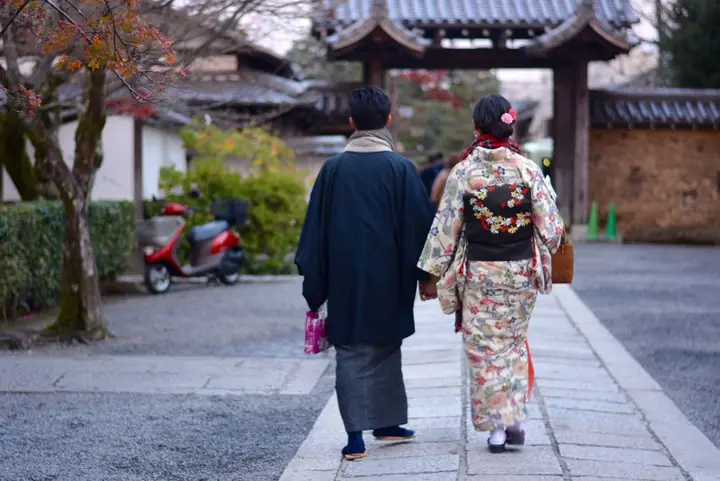
Choose footwear that suits both the yukata and where you plan to wear it. Geta or other traditional sandals make a natural pairing for a summer festival, while simple, clean sandals can work for a relaxed setting. Consider how far you will walk and whether the ground is smooth, crowded, or uneven.
Wear the sandals briefly at home before a long outing, especially if the straps are unfamiliar. Check that your foot sits securely and that the footwear does not rub when you take several steps. If you sell yukatas and publish fit advice, Seo Services may help customers find that practical guidance online.
Keep footwear understated so it complements rather than competes with the robe’s pattern. A quiet color can balance a bold yukata, while a simple patterned garment leaves room for a little more texture. Avoid pairing formal-looking traditional clothing with worn, visibly dirty shoes, which can make the overall outfit feel unfinished.
Finish With Simple Accessories
Keep accessories restrained and useful, allowing the yukata’s color and pattern to remain the focus. A small fabric pouch can hold essentials without creating bulky pockets, and a simple watch may suit a casual outfit. For a more traditional appearance, leave out accessories that feel visually loud or clash with the robe.
Check your collar, sleeves, and hem once the obi and footwear are in place. The collar should lie flat, the sleeves should hang freely, and the hem should not drag on the ground. These small checks help the outfit look deliberate without requiring extra layers or elaborate styling.
Consider the weather and location before adding a light outer layer. A haori can provide a different look in cooler conditions, but it should sit comfortably over the robe without distorting the collar or obi. For warm weather, skip unnecessary layers and keep the outfit breathable.
Avoid Common Wearing Mistakes
Check the Front Overlap
Keep the left front panel on the outside of the right panel when wearing a yukata. This is the standard overlap for dressing, and reversing it is a serious mistake to avoid. Before tying the obi, look down at the front and confirm the panels meet neatly without gaps.
- ☐ Confirm the left panel crosses over the right.
- ☐ Check that the collar lies flat and feels comfortable.
- ☐ Smooth the robe before tightening the obi.
- ☐ Walk and sit briefly to test the fit.
Make sure the overlap stays closed as you move rather than relying on the obi to hide loose fabric. If the robe opens at the chest or waist, adjust the panels first and retie the obi only after the fabric lies flat. For a Leicester clothing business, Leicester Seo Services may help make accurate shop details and local pages easier to discover.
Avoid pulling the robe’s front edges so tightly that the neckline becomes strained. The collar should form a comfortable, even opening, with enough room for natural movement. A quick mirror check from the front and side can reveal crossed panels, a twisted collar, or fabric caught under the obi.
Prevent Slips and Bulky Folds
Do not use a loose obi to compensate for panels that are uneven or twisted. First smooth the yukata at the waist, then retie the obi with steady tension so it holds the layers in place. If the fabric gathers into a thick ridge, loosen the wrap and redistribute the material evenly.
Avoid wearing layers that are too bulky beneath a lightweight yukata. A simple, breathable underlayer can help with comfort and coverage, while thick clothing may distort the robe’s shape and make the obi harder to tie. Check the outfit in a mirror after dressing to spot bunching at the shoulders, waist, and sleeves.
A long hem can catch underfoot, particularly on stairs or crowded paths. Adjust the robe so it clears the ground while standing, and check it again after tying the obi because the garment may settle. If the fabric shifts during a walk, pause in a safe place and smooth it rather than tugging at one panel.
Keep Your Yukata Ready to Wear
Air and Store It Carefully
Air out your yukata after wearing it, then follow its care label before washing or pressing. Some fabrics need gentler handling than others, so do not assume every robe can go in a hot wash or dryer. Treating the care instructions as the starting point helps preserve the fabric and its color.
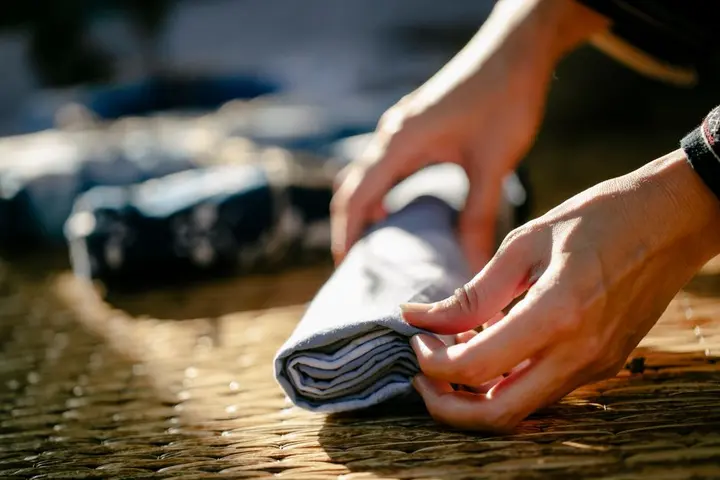
Before putting the robe away, check for dampness, stains, or marks from the obi. Let any moisture dry fully, and address marks according to the garment’s care directions. Folding and storing a yukata while it is damp can leave it musty and make creases harder to remove.
Fold the robe along its natural seams and store it in a clean, dry place. Keep the obi separate if its material or construction benefits from a different storage method. Avoid pressing heavy items on top of delicate fabric, since long-lasting creases can make the yukata less comfortable and presentable next time.
Inspect Before Dressing Again
Before the next wear, inspect the yukata for loose seams, missing ties, or small snags. Finding a problem early gives you time to mend it or choose another garment, rather than discovering it while getting dressed. Look especially at areas that experience movement, such as the sleeve seams and side openings.
Check that the obi still lies flat and that its ends have not become frayed. A twisted or damaged obi can be difficult to tie neatly, so smooth it out and assess its condition before dressing. Keep the garment and accessories together if you wear them as a set, making preparation easier.
Avoid the common mistake of storing a yukata before it is fully dry or clean. Lingering moisture and dirt can affect the fabric while it sits, and a rushed wash may damage a garment with special care needs. When unsure, follow the label or seek advice from a professional cleaner familiar with the fabric.
Frequently asked questions
Can I wear a yukata without an obi?
An obi is normally used to secure the yukata and keep its front panels in place, so wearing the robe without one is not the usual approach. If you are relaxing at home, follow the garment’s design and instructions, but check that the robe stays closed when you move. For an outing, a properly tied obi gives a more secure and finished fit.
How tight should a men’s yukata obi feel?
The obi should hold the yukata securely without making it hard to breathe, sit, or bend. It should not slide down when you walk, but excessive tension can bunch the robe and feel uncomfortable. After tying it, take a few steps and sit briefly; if it shifts or presses, retie it with more even tension rather than pulling one part tighter.
What should I wear under a yukata?
Choose a light, breathable underlayer that feels comfortable beneath the robe and does not add bulk. The right choice depends on the fabric, weather, and how much coverage you prefer. Avoid thick clothing that distorts the yukata’s shape or makes the obi awkward to tie, and check that the underlayer remains hidden when you move.
Can a yukata be worn outside a festival?
Yes. A yukata can suit relaxed summer occasions, a stay at home, or a casual gathering, provided the setting fits its informal character. Keep the styling simple, choose comfortable footwear for the route, and check local expectations if you are attending an event with a dress code. The fabric, pattern, and accessories can all make the outfit feel more or less casual.
A Comfortable Yukata Starts With the Details
A good men’s yukata outfit depends on a comfortable fit, a neat left-over-right overlap, and an obi that stays secure without squeezing. Choose footwear for the distance and setting, then check the collar, hem, and sleeves before heading out. Small adjustments made in front of a mirror are easier than trying to fix twisted fabric once you are already moving.
For your next wear, lay out the yukata, obi, and footwear together and check the care label before dressing. Put on the robe, smooth its panels, tie the obi, then walk and sit briefly to test the result. If anything shifts or feels restrictive, adjust it before leaving; that simple routine helps the outfit look polished and feel easy to wear.