16 min read · Updated: 2026-11-28
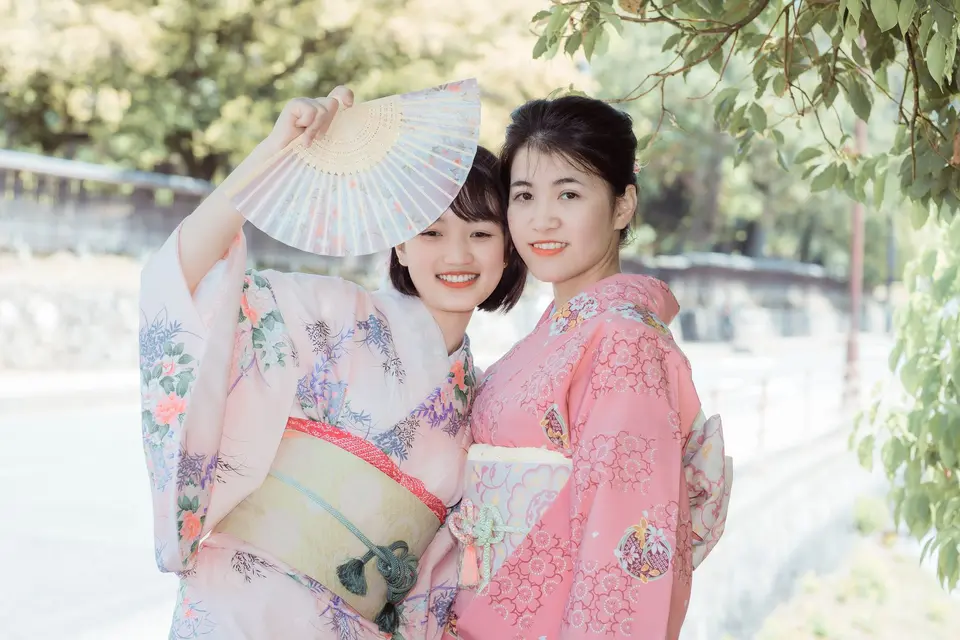
Wear a kimono jacket as a light top layer over simple, well-fitting clothes. Try it with a plain T-shirt and jeans for everyday ease, or layer it over a dress for a softer silhouette. Keep the rest of the outfit relatively quiet when the jacket has a bold print, and choose its length and fabric to suit the occasion.
A kimono-style jacket can add movement, colour, or a relaxed shape without requiring a completely new wardrobe. The key is to treat it as the outfit’s outer layer, then balance its open front, sleeves, and pattern with pieces you already wear.
Start with the fit and fabric, then experiment with denim, dresses, or tailored trousers. A few simple choices help the jacket feel intentional rather than like an extra layer added at the last minute.
- Wear a kimono jacket over a simple base so its shape or print can stand out.
- Balance generous sleeves and volume with a neater layer, or define the waist with a tuck or belt.
- Pair it with jeans, dresses, or tailored trousers, and let the occasion guide your footwear and accessories.
- Choose a fabric and length that work with your routine, climate, and existing wardrobe.
What Makes a Kimono Jacket Different
Shape and Construction
A kimono jacket is an open-front layer with a relaxed shape, often defined by wide sleeves and a straight or softly draped body. Unlike a fitted blazer, it usually has no structured lapels or sharply shaped waist. That looser construction gives it an easy feel, so the clothes beneath it help define the outfit.
Check how the sleeves sit when your arms are relaxed and when you reach forward. Wide sleeves can look graceful, but they may bunch under a close-fitting coat or catch on a desk. If you plan to layer it, try it over the actual top you expect to wear, rather than judging the fit on its own.
A belt can change the jacket’s outline, but it is optional rather than essential. Leaving the front open shows the outfit underneath and keeps the silhouette relaxed; tying or belting it draws attention to the waist. Fashion writers introducing readers to a new collection may use press release distribution uk alongside clear styling information.
- Open front: easy, relaxed layering
- Wide sleeves: roomier shape and movement
- Straight hem: a clean vertical line
Read the Overall Silhouette
Look at the jacket’s full outline before deciding what to wear beneath it. A roomy, long style creates more visual volume than a short, straight one, so a neat base layer can keep the outfit from feeling oversized all over. The goal is contrast, not a rigid rule that every loose layer needs tight clothes.
The shoulder line and sleeve shape affect how formal or casual a jacket feels. A soft, unstructured cut tends to pair naturally with everyday basics, while a crisp finish can sit comfortably beside smarter trousers. Check the hem against your usual outfits, too: it may fall at the hip, thigh, or lower down.
A kimono-style cut is not automatically suited to every setting or layer. If the jacket feels bulky under outerwear, try it as the top layer instead, or choose a less voluminous design. Consider how often you will wear it with your existing clothes, since a versatile shape is easier to style repeatedly.
Start With a Simple Base Outfit
Build Around Quiet Basics
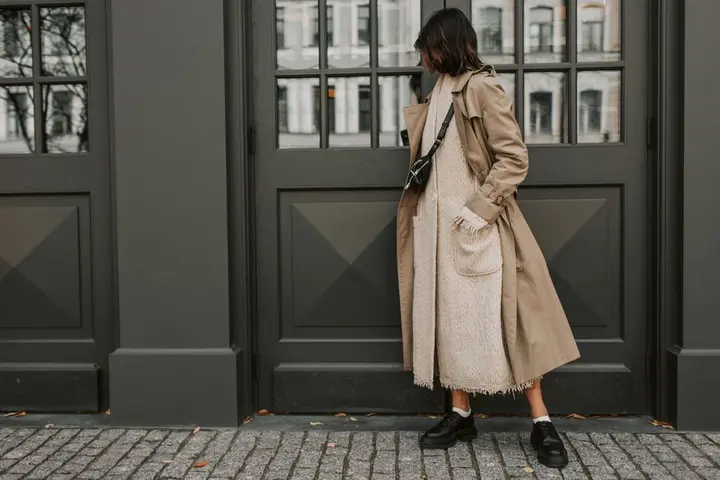
Begin with a simple base, such as a plain T-shirt, a fitted tank, or a fine-knit top with straight-leg trousers. These familiar pieces give a patterned jacket room to stand out without competing for attention. If you are developing a practical outfit guide, MediaKit.uk can be one option to explore for publishing and outreach.
Choose colours already present in the jacket to make the outfit feel connected. A dark top beneath a jacket with a dark border, for instance, can echo the print without matching every detail. When the jacket is a solid colour, a neutral base provides an easy starting point for trying brighter accessories.
Pay attention to where the base layer ends. A top that sits neatly at the waist or hip avoids adding a second competing hem beneath the jacket. If you prefer a longer top, let it show deliberately and check the combined lengths in a mirror, both with the jacket open and closed.
Keep Layers Light
Use a light base layer when the jacket has generous sleeves or a loose cut. A bulky sweatshirt can bunch at the arms and make the whole outfit feel heavier than intended. In cooler weather, a fine-knit top or slim long-sleeved shirt adds warmth while leaving room for the jacket to move.
Think about the fabric of each layer as well as its thickness. A smooth shirt usually slides more easily beneath a jacket than a textured knit, which can catch inside wide sleeves. If you need a warmer layer, test the full combination at home and move your arms before wearing it out.
A scarf or necklace can add detail near the neckline, but avoid crowding an already busy collar area. If the jacket has a strong print or decorative edging, let that feature lead. When the garment is plain, a small accessory can bring colour or texture without making the layers feel fussy.
- Choose a smooth, slim base layer
- Check sleeve comfort while moving
- Add only one prominent accessory
Style It With Jeans, Dresses, or Tailored Pieces
Pair It With Everyday Denim
For an easy everyday outfit, wear a kimono jacket with jeans and a simple top. Straight-leg or slim denim gives the loose upper layer a clear counterpoint, while relaxed jeans can work when the jacket is shorter or less voluminous. Designers presenting a new collection may look into buy sponsored posts to share styling ideas with relevant fashion readers.
- Pairing two oversized pieces without definition; show a waistband or choose a neater base.
- Adding several competing prints; let the jacket carry the main pattern.
- Ignoring the hem proportions; compare the jacket length with the rise and cut of the jeans.
Let the jacket’s hem guide your choice of denim. A hip-length style works with many rises, while a longer jacket can create a strong vertical line over straight or narrow jeans. If both pieces are loose, define the outfit with a tucked-in top, a visible waistband, or a clean shoe shape.
Choose footwear to set the mood rather than trying to make the jacket do everything. Trainers keep the combination casual, while ankle boots or simple flats can make it feel more finished. If the jacket has a striking print, keep the shoes and bag understated so the outfit has one clear focal point.
| Base outfit | Jacket choice | Styling cue |
|---|---|---|
| T-shirt and jeans | Short or mid-length | Keep shoes simple |
| Streamlined dress | Short or long | Vary the hem lengths |
| Blouse and tailored trousers | Neat, structured finish | Keep accessories restrained |
Layer Over Dresses or Tailoring
A kimono jacket can soften the outline of a simple dress without hiding its shape completely. Try a short jacket with a longer dress, or a longer layer over a streamlined slip or shirt dress. Keep the layers from ending at exactly the same point if that creates a blocky outline.
For a smarter outfit, wear the jacket over a plain blouse and tailored trousers. Choose a jacket with a neat finish and keep the rest of the look uncluttered, especially if the trousers already have pleats or a strong crease. The contrast between relaxed sleeves and clean tailoring can make the combination feel balanced.
A belt can help connect the layers when you want a more defined waist, but check that it does not pull the jacket awkwardly. Leave the jacket open when you want more movement or when the dress already has a clear shape. A quick mirror check from the side helps show whether the layers sit smoothly.
- Short jacket over a longer dress
- Neat jacket with tailored trousers
- Open front for a fluid silhouette
Check the care instructions before buying, especially if you want a jacket for frequent wear.
Choose a Length and Fabric for the Occasion

Match Fabric to the Setting
Choose a fabric that suits the weather and the places you plan to wear the jacket. Lightweight, breathable cloth works well as a warm-weather layer, while a denser weave can feel more substantial over a long-sleeved top. Retailers planning an international launch may consider white label press release distribution when sharing collection news.
Check the care instructions before buying, especially if you want a jacket for frequent wear. Some fabrics need gentler handling or careful storage, and textured or delicate surfaces may not be practical for a commute. A fabric that fits your routine is more likely to earn a regular place in your wardrobe.
Consider the finish as well as the weight. A fluid fabric tends to move softly and suit relaxed outfits, while a more structured material can look sharper with trousers or a simple dress. If you are unsure, compare how each option falls when worn open, since drape changes the jacket’s overall effect.
Use Length to Set Proportion
A shorter jacket usually draws attention to the waist and works naturally with high-rise trousers or skirts. A mid-length style can cover the hips and add a relaxed line over jeans or a simple dress. Longer versions make a stronger statement, so keep the outfit underneath relatively streamlined if you want an easy everyday look.
The right hem depends on the clothes you already own, not on a single ideal proportion. Try the jacket with your most-worn trousers and note whether the hem lands at a comfortable point when you sit, walk, and reach. A length that feels easy in motion is often more useful than one that looks good only standing still.
For travel or a day with changing plans, consider whether the jacket can work across more than one outfit. A versatile length should sit comfortably over a top and trousers as well as a dress. If you expect to wear it beneath a coat, test that combination too, since long or wide sleeves may not layer neatly.
- Short: brings focus to the waist
- Mid-length: an adaptable everyday layer
- Long: creates a more noticeable line
Balance Prints, Colors, and Proportions
Let One Print Lead
When your kimono jacket has a bold print, keep the rest of the outfit quiet so the pattern reads clearly. Pair florals or geometric motifs with a plain top and solid trousers, skirt, or dress. Choose one color already present in the jacket for a simple, pulled-together base.
- Choose the jacket print you want to feature.
- Pick one color from it for a plain base layer.
- Add a second print only if its scale clearly differs.
- Check the finished outfit from a few steps away.
If you want to mix prints, give them a clear difference in scale or spacing. A small stripe under a jacket with large, widely spaced flowers is easier to balance than two patterns with similar-sized motifs. Keep their colors related, or let one print use neutrals to prevent visual competition.
A stylist building a blog around wearable outfit advice may find a guest posting service useful for reaching readers on other fashion sites. For your own outfit, check the full look in a mirror from a few steps away. If the prints seem equally loud, swap one piece for a solid color.
Keep the Silhouette Clear
Balance a roomy jacket with a neater shape underneath, such as straight-leg trousers or a simple fitted dress. This contrast gives the loose outer layer space without making the whole outfit feel oversized. If you prefer wide-leg bottoms, choose a jacket that falls cleanly rather than one with extra volume.
Length changes the visual balance, too. A hip-length kimono cardigan can work well with high-waisted jeans, while a longer layer often pairs more easily with a narrow skirt or slim trousers. Try the jacket open first, then adjust the base outfit if its hem cuts across an awkward point.
A belt can define your waist, but it is not essential to every look. If the jacket already has a strong shape or falls neatly, leave it open and let the fabric move. When you do add a belt, keep it comfortable and avoid pulling delicate material into tight folds.
Avoid Common Kimono Jacket Styling Mistakes
Prevent Bulky Layers
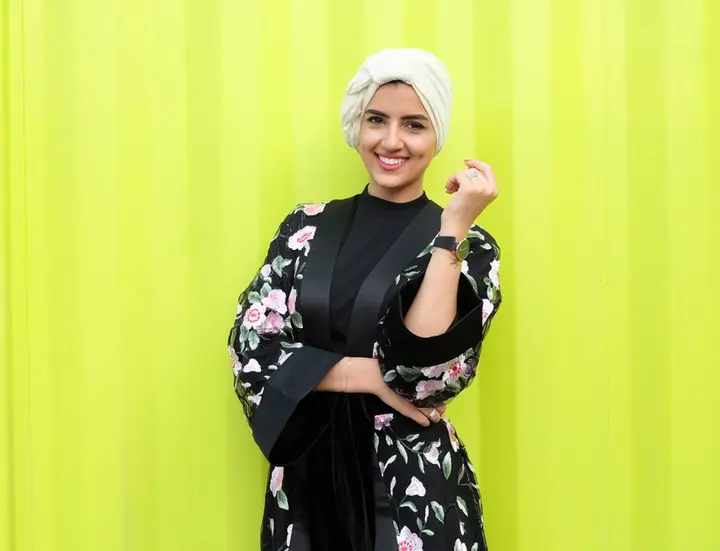
Too many loose layers can hide the jacket’s shape and make getting dressed feel less intentional. If your kimono cardigan is roomy, use a smooth, light top underneath rather than a thick sweater with a bulky collar. Keep the base layer close to the body, but choose a fit that still feels comfortable.
- ☐ Choose a smooth base under a roomy jacket.
- ☐ Check that hems do not bunch together.
- ☐ Move and sit before settling on the outfit.
- ☐ Remove a layer if it needs constant adjustment.
Pay attention to where hems meet. A long top extending well below a shorter jacket can create several competing lines, while a neatly tucked shirt keeps the outfit cleaner. Try the pieces together before leaving and adjust the tuck or switch tops if the layers bunch around your waist.
Fashion businesses looking for specialist support with their online presence may consult a marketing agency directory. For everyday styling, the more useful check is whether you can move, sit, and reach comfortably without tugging at the jacket. If a layer shifts constantly, simplify the outfit instead of adding another accessory.
Avoid Accidental Costume Styling
Wear a kimono jacket as one piece of a modern outfit rather than treating every detail as a matching set. Jeans, a plain knit, or a simple dress can make a patterned layer feel easy to wear. Combining several highly decorative pieces may make the outfit look more formal or themed than you intended.
Use accessories with a light hand when the jacket already has noticeable trim, embroidery, or a vivid pattern. A small bag and understated shoes leave room for the garment to stand out. If you want a bolder accessory, choose one focal point and keep the rest of the styling restrained.
Consider the setting before choosing footwear and jewelry. Casual sandals or clean trainers can bring a relaxed cardigan into an everyday outfit, while simple flats may suit a smarter plan. The goal is not to follow a strict rule, but to make each element feel appropriate for the same occasion.
Add Accessories and Care for the Fabric
Choose Useful Finishing Touches
Let the jacket’s fabric and print guide your accessories. A light, flowing layer usually works with a compact bag and simple jewelry, while a sturdier cardigan can handle a more structured tote. If the sleeves are wide, avoid bracelets that catch on the fabric as you move.
Shoes can shift the same jacket from relaxed to polished without changing the rest of the outfit. Try flat sandals for a casual day, low-profile trainers for walking, or simple ankle boots when the weather calls for more coverage. Match the shoe’s formality to the occasion rather than matching every color exactly.
A scarf or necklace can add interest, but check that it does not compete with a busy neckline or snag delicate weave. Fashion bloggers who share practical styling ideas can use a guest posting service to reach readers beyond their own site. For dressing, begin with one accessory and add another only if the look still feels balanced.
Protect Delicate Materials
Check the care label before washing, steaming, or ironing a kimono jacket, because fabrics respond differently to heat and water. If the instructions call for gentle handling, follow them rather than assuming the garment can go into a regular wash. When in doubt, test a hidden area or seek suitable professional care.
Store the jacket clean and dry, with enough room to avoid crushing its sleeves or embellishments. A hanger with a smooth, broad shape can help support the shoulders; folded storage may suit a soft knit better. Keep it away from direct sunlight if you want to reduce fading over time.
Treat spills promptly without rubbing hard, which can spread a mark or pull at the weave. Blot gently with a clean cloth, then follow the fabric’s care guidance. Before wearing the jacket with a light-colored top, check for loose dye or surface finish that could transfer, especially if the garment is new.
Build a Small Wardrobe Around Your Jacket
Choose Versatile Companions
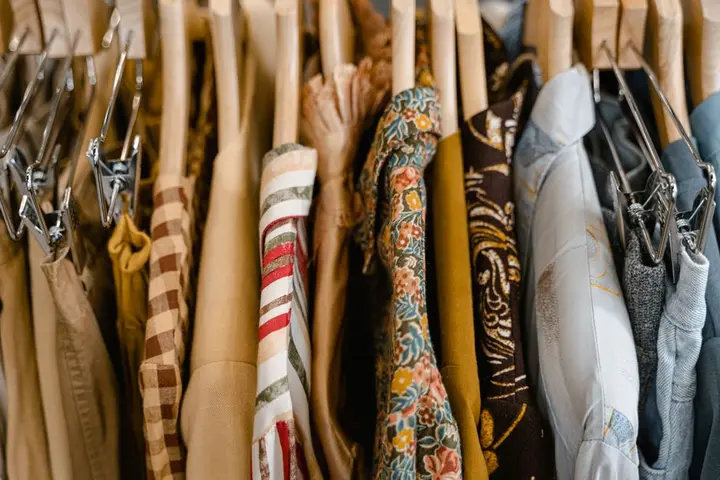
Start with a few clothes you already reach for, then see which ones work with the jacket’s color and length. A plain tee, straight-leg jeans, and a simple skirt can create different outfits without requiring a full wardrobe refresh. Choose pieces that suit your routine, rather than buying items for a single styled photograph.
Think about the jacket’s main role before adding more layers. A lightweight, open-front cardigan may be useful over everyday tops, while a more distinctive print can serve as the focal point of a simple dress. If your current clothes already provide good contrast, you may not need another patterned piece.
Fashion businesses seeking specialist help with their online presence may find a marketing agency directory useful when comparing support options. For your closet, make a short list of outfits you can wear in real situations, such as errands, a casual lunch, or a relaxed evening. Keep only combinations that feel comfortable and easy to repeat.
Make Outfits Easy to Repeat
Save time by noting two or three outfit combinations that work well, including the shoes and bag you wore with them. A quick phone photo can help you remember how the jacket’s proportions looked with each base outfit. Use the notes as a starting point, not a rule that limits fresh combinations.
Prepare for changing temperatures with layers that are easy to remove. A light shirt under the jacket can work indoors and outdoors, while a compact scarf offers warmth without adding bulk beneath the sleeves. Check that the outer layer still hangs comfortably when you wear the pieces together.
Keep the jacket accessible and store it according to its fabric, so it is ready when you want to wear it. Rotate it with other outer layers instead of saving it for a special occasion. When an outfit feels stale, change one element—such as shoes, a bag, or the base color—rather than replacing the whole look.
Frequently asked questions
Can I wear a kimono jacket to work?
Yes, if the jacket suits your workplace and you keep the rest of the outfit polished. Try a subdued print over a plain blouse with tailored trousers or a simple skirt, then choose neat shoes and minimal accessories. Check the jacket’s length and sleeve shape for comfort at your desk, and follow any dress expectations that apply in your office.
Should a kimono jacket be worn open or closed?
Many kimono jackets are designed to be worn open, which lets the fabric drape naturally and shows the outfit underneath. You can close or belt one if its construction allows and the fabric does not pull, bunch, or crease uncomfortably. Try both ways in front of a mirror, then choose the option that keeps the garment comfortable and balanced.
What top works best under a kimono cardigan?
A smooth, simple top is an easy starting point because it does not compete with the jacket’s print or add bulk. A plain tee, lightweight knit, or neat blouse can work, depending on the occasion and fabric. Check the neckline and sleeve fit: they should sit comfortably under the jacket without bunching or catching when you move.
How can I wear a kimono jacket in cooler weather?
Layer it over a long-sleeved top or fine knit, then add a coat if the temperature requires more warmth. Choose pieces that slide comfortably beneath the jacket’s sleeves, and check that the outer coat does not crush or snag the fabric. A scarf can add warmth, but keep its texture and volume manageable around the neckline.
Make the Jacket Your Own
A kimono jacket is easiest to style when you treat it as either the outfit’s focal point or a relaxed finishing layer. Let a vivid print lead, keep proportions comfortable, and choose accessories that suit the fabric and the day. Small adjustments—like changing a bulky base layer or simplifying a competing pattern—can make the whole outfit feel more considered.
Start by trying your jacket with clothes already in your wardrobe: one simple top, one familiar bottom, and shoes you can comfortably wear. Check the combination in a mirror, then move around to see whether the layers sit well. Once you find a reliable outfit, note what works and use it as a base for new combinations.