16 min read · Updated: 2026-11-29
For easy kimono cardigan outfits, pair the open layer with simple pieces that let its shape or print stand out: try a solid tee and straight-leg jeans, or wear a long cardigan over a plain dress. Keep the rest of the outfit streamlined, choose a length that works with your proportions, and adjust the fabric to the setting.
A cardigan can bring color, movement, and a relaxed feel to familiar clothes without requiring a whole new wardrobe. The key is to treat it as one clear layer, then build around its print, length, and weight.
Use the ideas below to choose a balanced outfit, compare common cardigan styles, and layer comfortably for everyday plans. Small choices—like sleeve shape and where the hem falls—can make the difference between an easy outfit and a fussy one.
- Let a printed cardigan stand out by pairing it with simple, solid basics.
- Balance a loose layer with a streamlined base and comfortable proportions.
- Choose length and fabric according to your outfit, movement, and setting.
- Check measurements, sleeve comfort, and care instructions before buying.
What Makes a Kimono Cardigan Different
An Open, Relaxed Shape
A kimono cardigan usually has an open front and a loose shape, so it works as a light outer layer rather than a fitted sweater. Many styles borrow the broad sleeves and fluid lines associated with kimono-inspired clothing, while adapting them for everyday dressing. Check how the shoulder and sleeve sit when you move your arms.
- Pairing a busy cardigan with several competing prints; balance it with solid, quiet pieces.
- Choosing only by the label; compare garment measurements with a layer you already own.
- Expecting an open cardigan to hold its shape like a jacket; use a belt or structured base when you want definition.
Unlike a structured jacket, this layer does not need to close neatly over a shirt or dress. Its drape is part of the look, so a simple base helps the garment fall cleanly instead of competing with extra collars, ruffles, or bulky sleeves. If you want more definition, add a slim belt without pulling the fabric tight.
When comparing cardigan options from international sellers, serbest piyasa döviz kurları can help you understand how a listed price translates into your own currency. Also check the garment measurements, since labels such as relaxed or oversized do not tell you exactly where the hem or sleeve will fall. A size chart is more useful than relying on the model photo alone.
A Layer for Easy Styling
Think of the cardigan as the outfit’s finishing layer, not as a replacement for every other outerwear piece. It suits indoor settings, mild weather, and moments when you want more coverage over a top or dress. For wind or rain, choose an appropriate coat instead of expecting a light, flowing layer to provide protection.
The open front creates two long vertical lines, which can make a simple outfit feel more composed. Let those lines remain visible by wearing a fitted or gently skimming base underneath. A very wide top beneath wide sleeves can add bulk, so try the combination in a mirror and adjust one layer at a time.
Movement matters as much as appearance: raise your arms, sit down, and reach forward before deciding a cardigan feels comfortable. Sleeves that drag across a desk or catch on a bag can become irritating during a normal day. For frequent wear, look for a cut that leaves enough room without sweeping across your hands.
Build a Balanced Everyday Outfit
Start with a Quiet Base
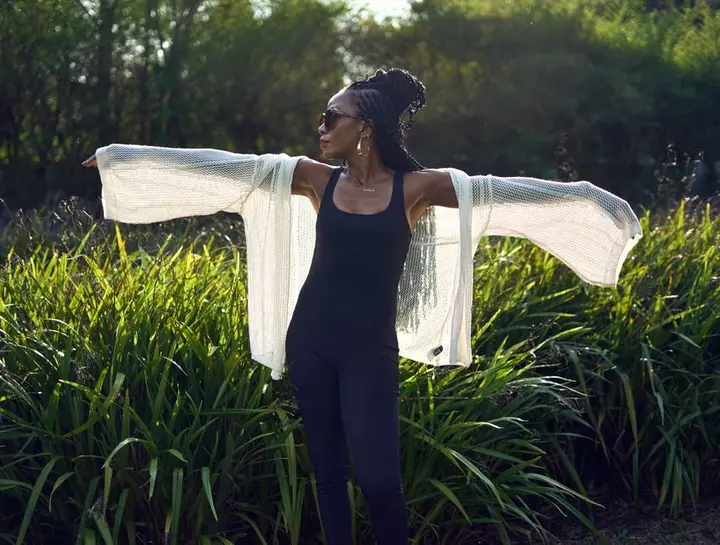
Begin with one uncomplicated base outfit, such as a plain shirt and jeans, then add the cardigan and check the overall balance. A solid top gives a printed layer room to stand out, while a printed cardigan over a simple dress can make the dress feel newly styled. Keep the base comfortable enough for the day’s activities.
- Build around one main print or color statement.
- Repeat one cardigan shade elsewhere for an easy connection.
- Balance a loose top layer with a simpler base.
Use the cardigan’s colors to guide the rest of the outfit rather than matching every detail exactly. If its print includes navy and cream, either color can anchor a top or trouser, while a neutral shoe keeps the result relaxed. Repeating one shade is usually enough to make separate pieces feel connected.
Pay attention to volume from top to bottom. A loose cardigan often pairs well with straight or tapered trousers, while a closer-fitting layer can sit comfortably over a fuller skirt. These are starting points, not rules; the best combination is one that lets you move freely and keeps the garment’s shape visible.
- Printed cardigan: choose a plain top and understated bottoms.
- Solid cardigan: introduce texture or a small accessory.
- Wide sleeves: avoid bulky sleeves underneath.
- Long hem: try straight or tapered trousers.
Finish with Thoughtful Details
Shoes and accessories can shift the same cardigan from laid-back to more polished. Sneakers and a simple bag keep jeans casual, while neat flats and understated jewelry suit a relaxed office or lunch plan. Choose details that support the setting instead of adding several new focal points.
A narrow belt can define the waist over a long cardigan, but it should not bunch or strain the fabric. Try the belt at the natural waist, then let the front edges hang evenly. If the cardigan has a striking border or strong print, leave it open so those details remain visible.
For a quick outfit check, look at the silhouette from the side as well as the front. Make sure the cardigan does not catch beneath a bag strap and that the hem works with the trousers or skirt. Removing one accessory often makes a patterned layer feel more intentional and easier to wear.
Choose Lengths, Prints and Fabrics
Match Length to the Outfit
Choose a cardigan length by considering where its hem lands against the clothes beneath it. A short style can work well with high-waisted trousers or a simple dress, while a longer one creates a flowing line over a plain top and slim bottoms. For a quick estimate of an overseas garment’s cost, a dolar TL çevirici can help convert the price before you decide whether to buy.
- Pick the base outfit you plan to wear.
- Check where the cardigan hem will land.
- Compare garment measurements with a layer you own.
- Walk and sit to check movement and comfort.
If you are between lengths, compare the cardigan’s measurements with a layer you already like. Check the shoulder-to-hem length and sleeve length, then consider whether you will wear it over a thin top or a thicker shirt. Product photos can help, but they may not show how the hem sits on your own frame.
Long styles can brush against skirts or trousers, so check that the layers do not tangle when you walk. A shorter cardigan can leave more of a dress visible and feel easier to manage in a busy setting. Neither length is automatically more flattering; proportion and comfort are the useful tests.
| Choice | Works well with | Consider |
|---|---|---|
| Short length | High-waisted trousers or dresses | Where the hem lands |
| Long length | Plain tops and slim bottoms | Movement and hem overlap |
| Bold print | Solid, quiet basics | Keeping other patterns simple |
| Light, fluid fabric | Warm-weather outfits | Drape and care instructions |
Select Print and Fabric
Let the print determine how quiet or expressive the rest of the outfit should be. Large motifs and high-contrast colors tend to draw the eye, so combine them with solid basics; smaller or softer patterns can sit comfortably beside subtle texture. If you wear another print, repeat a color and vary the scale.
Fabric affects both the look and the occasions a cardigan suits. Light, fluid material can work over a summer outfit or pack easily for a trip, while a denser weave may feel more substantial over a long-sleeved top. Read the care instructions before buying, especially if you want a low-maintenance layer.
Consider how the fabric behaves when open: some materials drape close to the body, while stiffer ones hold a wider shape. A fluid cardigan can soften tailored trousers, whereas a firmer fabric may benefit from a simpler, less voluminous base. Check seams and sleeve openings too, since those details affect comfort and how the piece hangs.
A plain tee is an easy starting point because its simple neckline and smooth shape sit neatly beneath an open cardigan.
Layer It Over Simple Wardrobe Staples
Use Tees, Shirts and Dresses
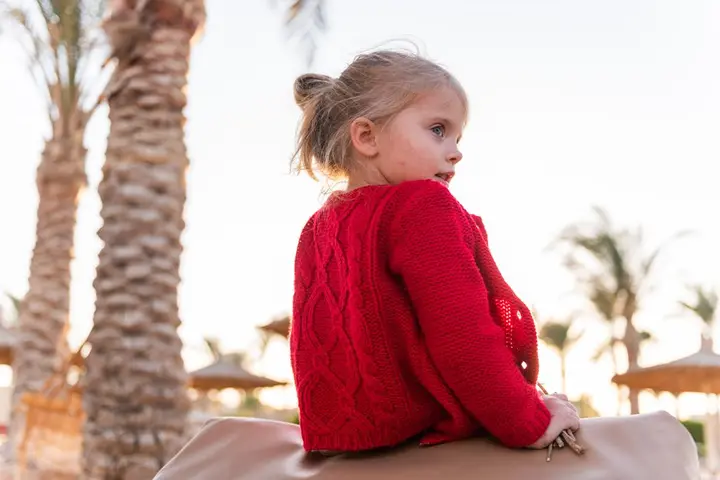
A plain tee is an easy starting point because its simple neckline and smooth shape sit neatly beneath an open cardigan. Wear it with jeans for daily errands, or tuck it into a skirt when you want a more defined waist. Choose a neckline that does not crowd the cardigan’s front edges.
A crisp shirt adds a little structure, especially beneath a soft, flowing layer. Keep the shirt collar simple and let the cardigan remain open so the two pieces do not bunch at the neck. If the sleeves are wide, roll or smooth the shirt cuffs so fabric does not gather beneath them.
A plain dress can make a cardigan feel like a natural part of the outfit rather than an extra layer. Try a shorter style over a simple shift, or a longer one over a close-fitting dress. Check that the two hems work together when you walk, and avoid adding a second competing print.
Adapt Layers to the Setting
For a casual day, layer a printed cardigan over a neutral tee and comfortable trousers, then choose shoes suited to your plans. At a relaxed workplace, a solid or subdued pattern can sit over a neat blouse and tailored bottoms. The same garment can feel different when the base and accessories change.
On a cool evening, add a close-fitting long-sleeved top beneath the cardigan rather than stacking several bulky pieces. If you need a coat outdoors, wear it over the outfit and remove it indoors; a kimono cardigan is generally better as a light layer than as weather protection. Keep sleeves clear of coat cuffs to avoid bunching.
Before leaving, check the outfit while seated and standing, since a cardigan may shift or collect around the waist when you sit. Make sure the front panels do not catch beneath a belt or bag strap, and adjust the base layer if it pulls. A comfortable outfit should look composed in motion, not only in a mirror.
Adapt the Look for Work or Weekends
Polished Layers for Work
For a work-ready outfit, treat the cardigan as a light jacket and keep the pieces beneath it neat. A solid cardigan over a blouse and tailored trousers gives an easy silhouette without competing patterns. Choose a length that falls around the hip or mid-thigh so it sits comfortably when you are seated.
A cardigan with a quiet print can still work in a relaxed office when the rest of the outfit is restrained. Pair it with a simple top, straight-leg trousers, and clean flats or loafers. If the sleeves are wide, keep the blouse sleeves slim so fabric does not bunch at the wrists.
Consider the room as well as the dress code: a thin cotton layer may feel right in a warm office, while a heavier knit can suit a chilly workspace. Keep the front open for a fluid line, or use a narrow belt if you want more definition. Check that the hem does not catch on your chair.
Relaxed Weekend Combinations
On weekends, let a kimono cardigan add movement to familiar basics rather than making the whole outfit feel formal. Wear a soft printed layer over a plain T-shirt and jeans, then finish with sneakers or flat sandals. The cardigan brings color and shape while the easy base keeps the outfit practical.
For a casual lunch or a walk, try a longer cardigan over a fitted tank and cropped trousers. The contrast between a loose outer layer and a closer-fitting base keeps the proportions clear. A small crossbody bag also works well because it stays secure without covering much of the cardigan’s pattern.
A beach cover-up can inspire a weekend look, but choose a fabric and finish suited to the setting. Lightweight, flowing styles feel comfortable over a simple dress, while a knit cardigan works better for errands or an evening breeze. Keep a spare layer nearby if the weather changes, especially when the fabric is very light.
Avoid Common Styling Missteps
Keep Patterns in Balance
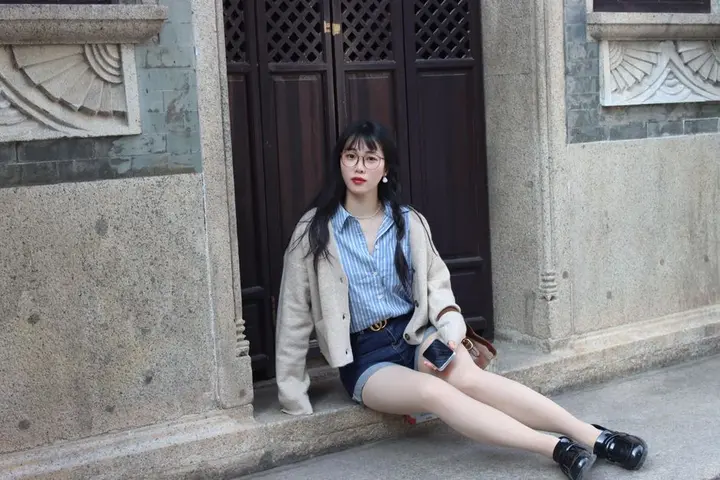
When a cardigan has a strong print, make it the outfit’s main visual feature and keep nearby pieces quieter. A plain top and solid trousers give the eye a place to rest. If you want to mix patterns, repeat one shared color and vary the scale, such as a small stripe beneath a larger floral print. When comparing a dollar-priced cardigan with your Turkish-lira budget, şu an dolar kaç TL can provide a quick estimate before checkout.
Color clashes often come from combining shades that feel unrelated, not from wearing several colors at all. Pick one color from the cardigan’s print and echo it in a top, bag, or shoe. If you cannot find a close match, neutrals such as cream, navy, and denim can connect the look without adding another competing hue.
Accessories can also crowd a patterned layer, particularly when they sit directly over its print. Try a simple necklace or small earrings instead of several bold pieces at once. A bag in a solid shade usually complements a busy cardigan more easily than one with another large motif.
Check Proportion and Fit
A loose cardigan can overwhelm an outfit when every layer underneath is equally wide. Balance a roomy outer layer with a closer-fitting top or a straighter trouser, rather than adding another oversized piece. This gives the cardigan space to move while keeping the overall outline easy to read.
Watch where the hem and sleeves land, since small fit issues can make an outfit feel untidy. A sleeve that covers your hands may interfere with daily tasks, and a hem that catches under a bag strap can twist while you walk. Try the cardigan with the shoes and bag you plan to use.
Avoid forcing a cardigan into an outfit simply because its print is appealing. If the shoulders slip constantly or the fabric bunches under a coat, it may be better suited to another season or setting. Check movement by sitting, reaching, and walking before deciding whether a piece works for your routine.
Shop Thoughtfully Across International Stores
Compare Details Before Buying
Read the garment measurements before choosing a size, because labels do not always translate consistently between countries or stores. Compare the listed chest width, shoulder width, sleeve length, and overall length with a cardigan you already own. A tape measure can help you check the fit without relying on a size label alone.
Look closely at fabric descriptions and care instructions, especially when the cardigan will be a frequent layer. A breezy woven fabric may drape differently from a stretchy knit, even if both are described as lightweight. Product photos can show color and shape, but written details are more useful for judging texture and upkeep.
Before checking out with a Turkish-lira budget, şu an dolar kaç TL can help estimate the cost of a cardigan listed in dollars. Remember that an exchange-rate estimate is not necessarily the final amount charged, because payment fees, conversion spreads, shipping, and local import charges may affect the total. Check the seller’s checkout details before placing the order.
Check Delivery and Returns
Review the store’s delivery terms before ordering, including whether tracking is provided and how long dispatch may take. International parcels can involve extra handling after they leave the seller. Knowing the expected process helps you decide whether an item will arrive in time for a trip, event, or seasonal change.
Read the return policy before you buy, not after a fit problem appears. Confirm who pays return shipping, whether the item must remain unworn, and how long you have to request a return. If the policy is unclear, contact the seller and keep the reply with your order information.
Save the product description, measurements, and order confirmation somewhere easy to find. These details make it simpler to compare the delivered cardigan with what was listed and to follow up if something is missing. Keep the packaging until you are satisfied with the fit and finish, since some sellers require it for returns.
Keep Your Favorite Looks Easy to Repeat
Create a Simple Outfit Formula
Make repeat outfits easier by pairing each cardigan with a small set of dependable basics. A printed layer might work with a white tee, dark jeans, and flat shoes, while a plain one can sit over a patterned dress. Keeping a few combinations in mind reduces morning decisions without making every outfit identical.
Use a full-length mirror or a quick phone photo to remember combinations that feel comfortable and look balanced. Note what worked, such as a shorter top under a long cardigan or a solid bag beside a busy print. This record is especially helpful when a piece has a distinctive color that is harder to style.
Build the formula around your actual day rather than an idealized occasion. If you walk a lot, test the outfit with practical shoes and a bag that stays comfortable. For a workday, check whether the sleeves and hem remain tidy when you sit at a desk or put on a coat.
Care for Frequent Wear
Follow the care label so the cardigan keeps its shape, color, and drape through repeated wear. Delicate woven fabrics may need gentler washing than sturdy knits, and some materials should not go in a hot dryer. When instructions are unfamiliar, check the fabric composition and use the gentlest suitable method.
Give a cardigan time to air out between wears, especially if it is made from a fabric that holds creases or odors. Hang it on a broad hanger if the shoulders need support, or fold a heavier knit to avoid stretching. Keep it away from direct sunlight when storing it for a long stretch.
Deal with small snags and loose threads carefully rather than pulling them, which can make the damage worse. Store accessories separately so hooks or rough edges do not catch the fabric. A little attention after wearing helps a favorite cardigan stay ready for the next outfit, instead of becoming a piece you avoid.
Frequently asked questions
Can I wear a kimono cardigan with a dress?
Yes. A kimono cardigan can sit comfortably over a simple fitted dress, especially when the dress hem and cardigan length do not compete. For a patterned cardigan, choose a solid dress or one with a small, quiet print that shares a color with the layer. Try the combination with your intended shoes to make sure the proportions feel balanced.
What shoes go well with a kimono cardigan?
The best shoes depend on the setting and the rest of the outfit. Sneakers and flat sandals suit casual combinations, while loafers or simple flats can make a cardigan feel more polished for work. With a long, flowing style, choose shoes that feel visually balanced rather than overly bulky. Comfort matters too, especially if you will be walking or standing.
How can I wear a long kimono cardigan without looking overwhelmed?
Keep the layers beneath it relatively streamlined and avoid adding volume at every point. A fitted top with straight trousers or a simple dress gives a long cardigan room to move while maintaining a clear silhouette. Check the hem against your shoes and make sure the sleeves do not cover your hands; small fit adjustments can make the whole look feel more intentional.
Can a kimono cardigan work in cooler weather?
Yes, provided the fabric and layers suit the temperature. Wear a knit or heavier cardigan over a long-sleeved top, then add a coat that leaves enough room at the shoulders and sleeves. Lightweight styles can also work indoors over a warm base layer, but they may not provide enough insulation outdoors. Check that outerwear does not crush or catch the cardigan.
Make Your Cardigan Work for Your Wardrobe
A kimono cardigan can shift from casual to polished when you consider the setting, balance its print with quieter pieces, and check how the length and sleeves work in motion. Choose combinations that fit your real routine, not just a photo. When shopping internationally, verify measurements, fabric details, delivery terms, and the likely final cost before ordering.
For an easy next step, choose one cardigan you already own and build two outfits around it: one for an ordinary day out and one for work or a relaxed gathering. Try each with the shoes and bag you would actually use, then note what feels comfortable. That small test will show which wardrobe basics make your favorite layer easiest to wear.