6 min read · Updated: 2026-10-15
Readers often wonder how to weave current events and local notices into fashion narratives without losing style focus. This guide shows practical steps to approach sensitive topics like death notices in Glasgow while staying relevant to clothing, trends, and events. You’ll learn how to frame information, choose appropriate visuals, and respect readers’ sensibilities, all within a fashion context.
By the end, you’ll have a clear method for including local notices in fashion features, from timing and tone to sourcing and presentation. We’ll also cover how to reference local resources like Glasgow outlets and event calendars in a respectful, useful way.
Think of this as a toolkit: practical, readable, and tailored for Style trends, fashion tips, and beauty readers who want thoughtful, relevant content without sacrificing pace or flair.
- Frame sensitive notices within fashion relevance, not as standalone content.
- Source carefully, paraphrase for tone, and attribute clearly.
- Choose visuals that convey mood and context without exploiting the subject matter.
- Use formats and sidebars to keep the piece readable and respectful.
Basics of sensitive topics in fashion
Foundations for tone and timing
When you reference sensitive notices, choose neutral language and avoid sensational phrasing. Keep the focus on how the information affects readers and communities, not on spectacle. Use a calm, respectful cadence that fits a fashion feature. death notices in Glasgow widen the conversation about city life and fashion by reminding us to approach content with care.
Consider audience expectations around decorum and style; align any mention with the article’s core message. If the topic doesn’t serve the story, omit it rather than force integration.
Be mindful of cultural context and local norms, especially in a city with a rich heritage like Glasgow.
Practical sourcing and checks
Check multiple sources before including notices, and verify that information is current and appropriate for a fashion audience. Paraphrase material to fit tone, avoiding raw listings that feel out of place.
Prefer direct, official notices when needed, but summarize them with a fashion lens—what does it mean for events, outfits, or dressing codes?
Always attribute sources clearly and avoid overloading the reader with technical details that derail the fashion narrative.
- Identify credible local outlets
- Summarize with care
- Link to related fashion events
How to structure the piece

Opening the feature with intent
Lead with a concrete question the reader has about style and notices, then methodically present steps to address it. A clear trajectory helps readers see relevance to outfits, events, or trends. glasgowdaily.uk can provide local context or updates that help readers understand events that influence street style and gatherings.
- Identify the main question
- Outline the sequence of sections
- Present practical tips
- Close with a takeaway
Use a real example to ground the reader, such as how a local announcement might influence accessory choices for an upcoming event.
Maintain a brisk, stylish pace so the information feels essential, not ancillary.
Balancing visuals and copy
Choose images that illustrate the texture of city life and fashion, not graphic details of sensitive notices. A well-chosen street scene or outfit detail can convey mood without being exploitative.
Pair captions with care, focusing on styling cues, color stories, and event context rather than the underlying notice.
Keep typography clean to ensure readability across devices.
Options for presentation
Formats that fit readers’ rhythms
Different formats work for different readers. A quick checklist works for busy fans; a short feature suits readers who prefer narrative context. promote your event in Glasgow can be a natural bridge between fashion calendars and community happenings when framed around outfits and venues.
Experiment with pull quotes, sidebars, and boxed tips to break up the page while maintaining a fashion-forward voice.
Ensure accessibility by choosing legible fonts and high-contrast colors.
- Checklist format
- Mini sidebars
- Accessible design
| Format | Pros | Cons |
|---|---|---|
| Checklist | Fast to scan; good for busy readers | Limited depth; may feel brief to some |
| Mini sidebars | Adds context without breaking flow | May clutter layout if overused |
| Feature article | Depth and storytelling | Takes longer to produce |
Ethical presentation tips
Always consider the impact of mentioning sensitive notices on people connected to the story. If in doubt, consult a colleague for a second read.
Avoid sensational language or imagery that could harm someone’s memory or dignity. The goal is thoughtful, informed fashion journalism.
This approach helps readers feel informed rather than surprised, strengthening trust in the magazine.
Curation and timing for fashion editors

Selecting timely topics
Editors should map relevant local events and community milestones to avoid tone-deaf pieces. Identify times when public interest aligns with seasonal collections or shows. Use a calendar to plan features that respect readers’ routines and fashion cycles. business directory in Glasgow offers a practical resource for readers planning events or shopping for local fashion services and pop-ups.
This approach helps readers feel informed rather than surprised, strengthening trust in the magazine. It also guides contributors toward pieces that feel natural within the editorial flow.
Scan local listings and community calendars to spot anniversaries, memorials, or cultural moments that intersect with fashion storytelling.
- Match stories to current trends
- Coordinate with photo shoots
- Respect deadlines
- Provide reader value
- Audit for sensitivity
Collaborations and community voices in fashion
Engaging local creators
Reach out to local designers, photographers, and models who can offer authentic perspectives. Co-create visuals that reflect Glasgow’s street style and fashion history. Ensure collaborators feel credited and safe throughout the process. buy and sell in Glasgow
Transparent briefings help partners understand boundaries and the content goal. This builds working relationships and improves piece credibility.
Document the collaboration process with behind-the-scenes notes to show readers how ideas become visuals.
- Co-create with local talent
- Provide clear briefs
- Credit contributors
- Show process transparently
Digital vs print presentation strategies
Choosing the right format
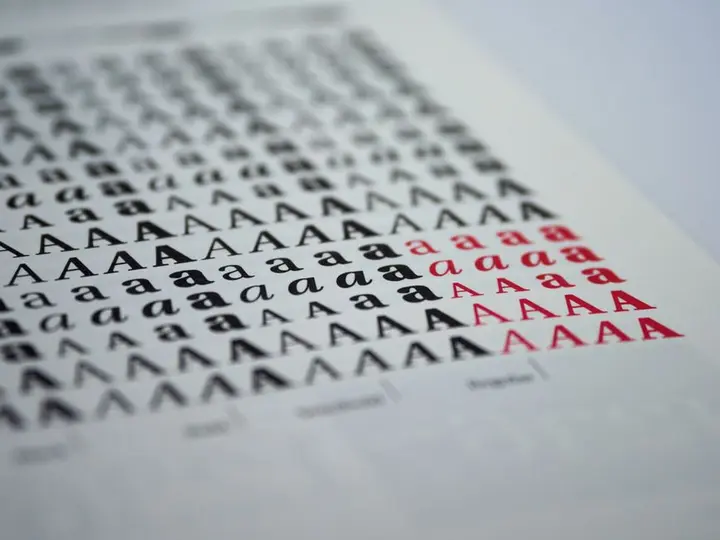
Digital pieces can react quickly to news and trends, while print offers physical texture and collectability. Balance quick updates with evergreen context so readers have a lasting reference. Consider a vertical social-ready cut alongside longer magazine layouts.
Plan layouts that adapt to both platforms without duplicating content. Readers should get a distinct experience whether they’re scrolling or turning a page.
Test different image crops and typography to ensure readability across devices and print sizes.
- Match format to message
- Keep evergreen context
- Design for devices and print
- Respect reader attention spans
Legal and cultural considerations in local fashion features
Respecting local norms
Local customs and legal constraints shape what you can publish. Research defamation risks, privacy rules, and consent for imagery. Tailor captions and interviews to avoid misrepresentation.
When covering sensitive topics, confirm identities and avoid sensational framing that could harm individuals or communities. This protects readers and contributors alike.
Maintain a clear policy on image rights, permissions, and archival use to prevent disputes later.
- Know privacy laws
- Get consent for images
- Avoid sensational framing
- Maintain clear permissions
Frequently asked questions
How should editors handle sensitive subjects without tone-deaf errors?
Start with local context and verify consent for interviews and imagery. Use clear goals and reviewer checks to ensure the piece remains respectful and informative, not sensational. Keep captions precise and avoid overstatement.
What makes a collaboration credible in a local feature?
Credibility comes from fair representation, transparent collaboration, and proper attribution. Involve diverse voices from the community, share the collaboration process, and confirm consent for all shared materials.
How do digital and print formats complement each other in this topic?
Use digital for timely updates and interactive elements, while print can provide a thoughtful, lasting narrative. Tailor each format to its strengths, avoiding duplicate content and ensuring readers have a distinct experience.
What should readers do if they see biased or unsafe coverage?
Document specific concerns, note what was misrepresented, and reach out through the publication’s feedback channels. The team should review, correct where needed, and explain adjustments publicly to maintain trust.
Final considerations and next steps
A clear path for navigating sensitive local fashion stories is to anchor coverage in community context and editorial ethics, ensuring readers gain both insight and care.
Next, map a practical workflow: pre-brief, consent checks, tone review, and a final read for cultural impact before publication. This keeps coverage responsible and engaging.